REVIEW · KIRUNA
Kiruna: Snowshoe Trek with Aurora Hunt and Warm Beverage
Book on GetYourGuide →Operated by Kiruna Guidetur AB · Bookable on GetYourGuide
Snowshoe steps, then Northern Lights. This Kiruna evening tour mixes an aurora hunt with snowshoe walking, plus the comfort of warm overalls and boots you don’t have to bring. You also get a warm beverage and sandwich stop to keep energy up while your guide searches multiple dark-sky spots.
One thing to plan for: the 3-hour label can feel longer in real life. Expect some hills, and if the weather is active or the group pace is spread out, the walk back can run past what you think.
In This Review
- Key things to know before you go
- Kiruna snowshoe aurora hunt: the simple pitch
- Where you meet near Scandic Hotel and when to arrive
- Getting kitted: overalls, boots, snowshoes, and poles
- The snowshoe trek itself: pacing, hills, and animal-track talk
- The aurora hunt: why the guide’s key areas matter
- Warm beverage and sandwich: the break that makes it last
- What to bring (and what you can skip)
- Price and value: what $143 buys you in real terms
- How long it really takes: 3 hours vs. your expectations
- Who this tour suits best (and who should choose another option)
- Practical tips to make the night go smoother
- Should you book this Kiruna snowshoe trek with Aurora hunt?
- FAQ
- How long is the snowshoe trek?
- Where do I meet the guide in Kiruna?
- What snow and winter gear is included?
- What should I bring with me?
- What food and drink are included?
- Is this tour suitable for children or people with mobility impairments?
- Can I cancel if my plans change?
Key things to know before you go
- Snowshoe gear included: overalls, boots, snowshoes, and poles are part of the deal, so you travel lighter.
- English guidance: you’ll get directions and local pointers while you hunt the sky.
- Short midwinter daylight helps, but not all “dark”: even when it is cold and dim, the sky isn’t completely black.
- Warm break mid-trek: hot drink plus a sandwich keeps you going, and some evenings also include a cozy fire moment.
- Pace is adjustable: it’s set by you, but the terrain can still be more work than you expect.
Kiruna snowshoe aurora hunt: the simple pitch
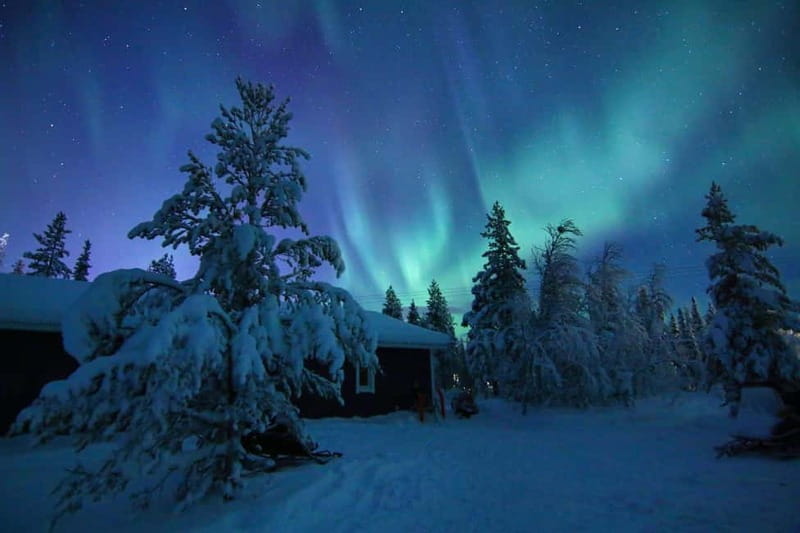
This is a 3-hour Kiruna experience built around one goal: find the Northern Lights while you move slowly across snow with snowshoes. The setting matters here. In midwinter, the days are short, but the sky never fully turns into true daytime-night darkness, and that can make the aurora search feel more forgiving than you might expect.
What I like about this kind of tour is how it solves two problems at once. You’re not just standing in the cold hoping. You’re walking, slowly, with a guide who can reposition you when conditions look better.
And the second win is comfort. You get warm overalls and boots, plus snowshoes and poles. That means you spend your effort on enjoying the experience, not figuring out how to outfit yourself for a snowy night.
You can also read our reviews of more tours and experiences in Kiruna.
Where you meet near Scandic Hotel and when to arrive
You meet at the Kiruna Guidetur office in the new city centre of Kiruna, close to Scandic Hotel. Plan to show up 20–30 minutes before your starting time. That buffer matters because you’ll be getting kitted out, fitted up, and briefed before anyone walks off into the dark.
Also note this: the tour time includes transfers to and from the starting point of the trek. So when you see 3 hours, think “end-to-end,” not just time on the snowshoes.
If you’re staying in central Kiruna, this setup is a practical advantage. You’re not signing up for a long bus ride just to begin the hunt.
Getting kitted: overalls, boots, snowshoes, and poles
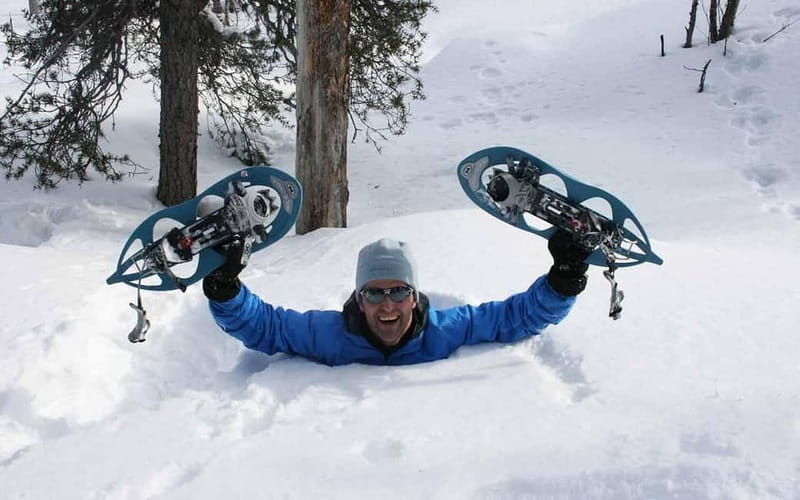
Before you go anywhere, you’ll meet your guide and get fitted with the winter equipment. Overalls and boots are provided, along with snowshoes and poles. The goal is simple: help you stay warm and stable so you can focus on the sky, not your toes.
A few guide details show up in real experiences from past nights. Names like Jonna, Kevin, Ronja, and Carsten appear as guides, and the tone is consistent: they tend to be friendly, hands-on, and practical about comfort. Carsten, for example, was praised for helping people choose warmer footwear, which hints at the kind of prep you can expect if you show up unsure.
You’ll still want to bring your own layers. The equipment won’t replace common sense winter dressing, but it will reduce the gear stress.
The snowshoe trek itself: pacing, hills, and animal-track talk
Once you’re ready, you head out into the snow. The guide sets the pace based on the group and how everyone feels. That pacing control is one of the best reasons to choose this over a purely DIY aurora night. You don’t have to be a winter athlete, and the tour is designed so people of different fitness levels can take part.
The walk often includes forest paths and gentle turns as the guide searches for better viewing conditions. One common theme from multiple experiences is that the guide uses the walk to add meaning. You might learn how to read animal tracks or get pointers about the natural world around Kiruna. That kind of info makes the time between aurora sightings feel worthwhile, even when the sky is slow.
Now the fair warning. Snowshoeing can feel easier when you picture flat ground, but winter trails frequently include uphill sections. One experience described a surprise climb and a straight-up-and-back feel on part of the route. That doesn’t mean the tour is “hard,” but it does mean you should assume you’ll work a little, especially if you’re sensitive to hills.
The aurora hunt: why the guide’s key areas matter
Aurora hunting is part science, part patience. Here, the guide takes you to a number of key areas so you have multiple chances to see the Northern Lights. That matters because visibility can change quickly with cloud cover and darkness from nearby light sources.
Midwinter timing plays into it too. Even though the days are short, the sky has enough light from stars and aurora glow that you are not dealing with total blackness. That can make the walk feel more manageable and also keeps your eyes adapting rather than blasting from bright-to-black.
Another perk of having a guide: they are watching. You’re not stuck staring in one direction the whole time. Instead, you shift locations when the sky looks promising, and that keeps your attention from drifting.
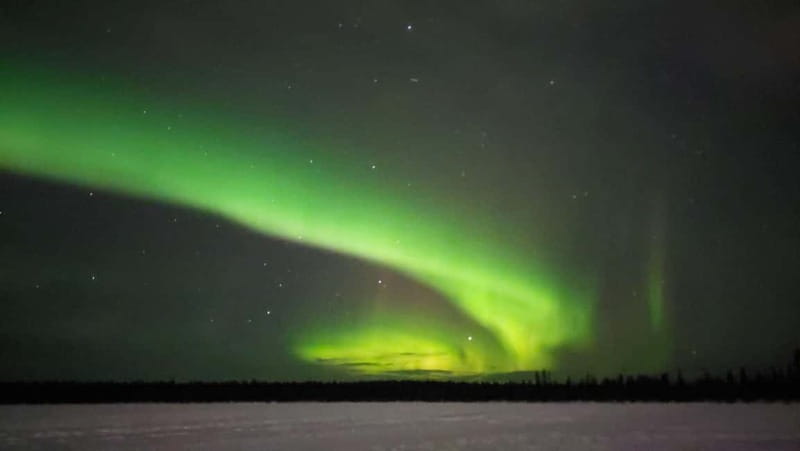
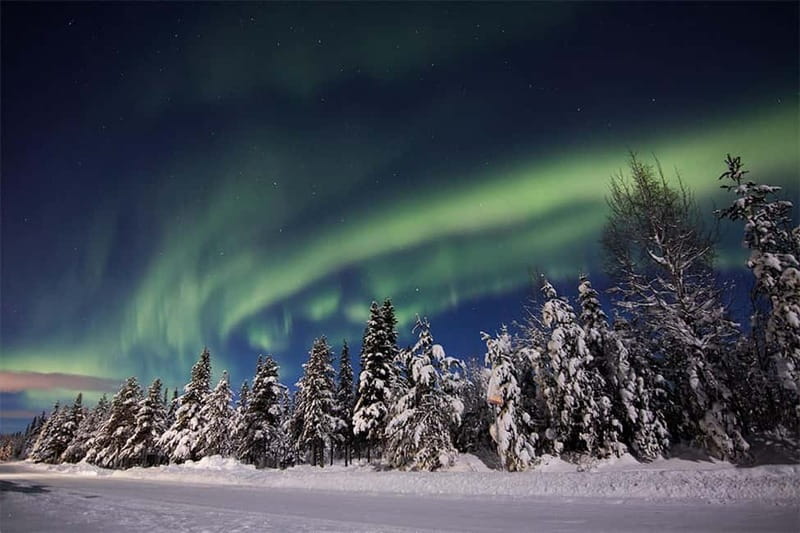
And when the aurora does show up, the experience is typically the headline moment. Multiple accounts describe an aurora that felt lively and strong, with the group reacting in the quiet, practical way people do when it’s cold but magical.
Warm beverage and sandwich: the break that makes it last
About halfway through (timing depends on the route and conditions), you stop for a warm beverage and a sandwich. This is more than a snack stop. It’s fuel plus morale.
When it is cold enough to make your hands feel useless, a warm drink helps you reset fast. The sandwich adds calories so your body keeps producing heat while you wait for the sky to cooperate.
Some evenings also include a fire moment. In a few past experiences, guides lit a fire during the break, turning the pause into something more cozy and social. You should treat that as a bonus, not a guaranteed feature, but it aligns with the “warm up and look up” rhythm this tour is built around.
Either way, this break also changes the pace of the night. After walking and adjusting snowshoes, you get to stand still and actually watch the sky without marching your way through every minute.
What to bring (and what you can skip)
You’re already covered for major equipment: overalls, boots, snowshoes, and poles. Still, you should pack for layering and staying comfortable.
Bring:
- Comfortable shoes (you’ll likely wear something under the provided boots)
- Warm clothing (layers are key)
- Snacks (even though you get a sandwich, extra food can help)
- Water
One small note: it’s smart to arrive with dry socks and clothes you actually trust in winter. You can get warm gear provided, but your personal layers are what keep things comfortable once the initial thrill wears off.
If you’re the type who always ends up cold, consider bringing a bit more than you think you need. The tour is short, but the cold waits for no one.
Price and value: what $143 buys you in real terms
At $143 per person for a 3-hour experience, this sits in the “worth it if you want the whole setup” category. Here’s why.
You get:
- A guide
- Warm overalls and boots
- Snowshoes and poles
- A warm beverage and sandwich
That combination is the value engine. If you had to rent snowshoes, locate a guide, and arrange your own food break, the cost and hassle would add up quickly. Also, the tour starts right in central Kiruna, so you’re not paying for a long detour just to get to the snow.
The only pricing gotcha in the info you should know about: for tours between December 24th and January 6th, there is a 300 SEK per person holiday addition to the tour price. If your dates fall in that window, check the total carefully before you commit.
How long it really takes: 3 hours vs. your expectations
The official duration is 3 hours, and total tour time includes transfers. Meeting times are 20–30 minutes before the start, so you’ll feel that “evening program” setup before you step into the snow.
In practice, you should plan as if you might get back a bit later than you hoped. One experience specifically mentioned it running longer than expected. That can happen when:
- the pace adjusts for the group
- the guide spends more time relocating to find better viewing conditions
- the trail involves more uphill effort than people guessed from the description
So I’d treat it as a flexible block on your schedule, not a tight slot after dinner.
Who this tour suits best (and who should choose another option)
This is generally a good choice if you want:
- an easy-to-join winter activity that doesn’t require owning gear
- guided aurora hunting
- a comfortable break with hot food and drink
- an experience that includes learning about nature and the outdoors
It’s also paced for different fitness levels, since the guide sets the speed for the group.
But it is not suitable for:
- children under 10
- people with mobility impairments
If you have limitations, snowshoe gear and poles can be challenging to manage on snowy hills and uneven ground, so it’s better to look for a different style of aurora outing.
Practical tips to make the night go smoother
A few small moves can pay off quickly on snowshoe nights.
1) Wear layers you can actually move in
Overalls help, but your base layers matter for comfort and dryness.
2) Expect hills, not just flat walking
Even when a trek is described as accessible, snow conditions can turn a simple route into more work.
3) Don’t overplan your evening
Because the experience includes transfers and can run a bit longer, give yourself breathing room.
4) Bring extra snacks if you’re prone to getting hungry in winter
You get a sandwich, but extra food helps if the stop timing stretches.
5) Keep your eyes up, but also trust the guide’s repositioning
The Northern Lights hunt works better when you follow the plan rather than stubbornly staring at one sky corner.
Should you book this Kiruna snowshoe trek with Aurora hunt?
I think you should book it if you want a guided Northern Lights experience that’s active, not just passive. The mix of equipment included, warm beverage and sandwich, and multiple aurora viewing areas makes it a strong value for a short evening in Kiruna.
I would pause before booking if you’re worried about any uphill effort or if you need ultra-timed precision. The 3-hour window can feel stretched, and snowshoe trails can include sections that demand more energy than people expect.
If you’re open to a bit of work and you like the idea of learning while you walk, this is the kind of tour that turns a cold night into a real memory.
FAQ
How long is the snowshoe trek?
The duration is 3 hours, and that total time includes transfers to and from the starting point of the trek.
Where do I meet the guide in Kiruna?
You meet at the Kiruna Guidetur office in the new city centre of Kiruna, close to Scandic Hotel. You should arrive 20–30 minutes before the starting time.
What snow and winter gear is included?
The tour includes warm overalls and boots, plus snowshoes and poles.
What should I bring with me?
Bring comfortable shoes, warm clothing, snacks, and water.
What food and drink are included?
You’ll receive a warm beverage and a sandwich during the tour.
Is this tour suitable for children or people with mobility impairments?
It is not suitable for children under 10, and it is not suitable for people with mobility impairments.
Can I cancel if my plans change?
Yes. You can cancel up to 24 hours in advance for a full refund.