REVIEW · POKHARA
Golden Mountain Annapurna Base Camp Trek
Book on Viator →Operated by AM Travels and Tours · Bookable on Viator
Nepal hands you the Himalayas on a schedule. This Golden Mountain Annapurna Base Camp trek pairs a government authorized English-speaking trekking guide with a local porter, so you can focus on walking, photos, and local culture. I like that it is built around clear daily timing, from the drive into the hills to the return to Pokhara.
I also like the practical logistics baked in: hotel pickup and drop-off, plus car transfers from Pokhara to Phedi and back from Nayapul to Pokhara. Permits are included too, including the trekking permit and the TiMS card, which saves you time and hassle.
The main drawback to plan for is simple: meals and drinks are not included, so your food budget is on you during the tea house days.
In This Review
- Key Highlights You’ll Actually Feel On the Trail
- Golden Mountain Annapurna Base Camp: What You’re Really Paying For
- Pokhara Start: Pickup, Permits, and Getting Moving
- Day 1: Phedi to Tolkha and the First Rhythm Check
- Day 2: Chhomrong Day for Big Trek Energy
- Day 3: Bamboo to Dovan and Why This Middle Day Matters
- Day 4: Machhapuchhare Base Camp and the Payoff Day
- Day 5: Annapurna Sanctuary, the Glacier-View Day
- Day 6: Back to Bamboo and the Quiet Grind
- Day 7: Jhinu Danda Hot Springs for Real Recovery
- Day 8: Nayapul to Pokhara and the End-of-Trek Reset
- Guides and Porters: The Service Side That Changes Your Trek
- Tea Houses and Meals: The Part You Must Budget
- Price and Logistics: Is $370.29 Worth It?
- Who This Trek Fits Best
- Should You Book the Golden Mountain Annapurna Base Camp Trek?
- FAQ
- What is the starting point and where do you end?
- How long is the trek?
- Is hotel pickup and drop-off included?
- Are trekking permits included?
- Will I have a guide, and what language?
- Do I need to carry my own gear?
- Is accommodation included?
- Are meals included in the price?
- Is this a private trek?
- What if the weather is bad?
- Can I cancel and get a full refund?
Key Highlights You’ll Actually Feel On the Trail
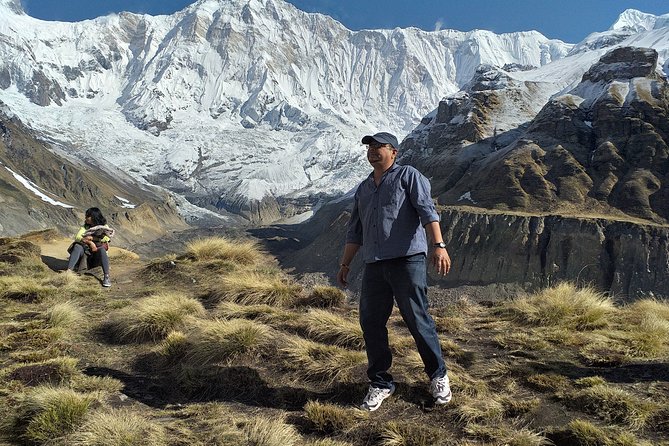
- Government-authorized English guide + one local porter means less carrying and better explanations while you walk
- Permits included (trekking permit + TiMS) so you don’t scramble paperwork mid-trip
- Tea house accommodation every night keeps things simple and in-route
- Annapurna Sanctuary day includes time in the “desert wilderness” area with views of the Annapurna Himalayas and glacier
- Jhinu Danda hot spring recovery gives you a real reset after trekking days
- Hotel pickup, private car transfers, and transfers on both ends reduce the Pokhara logistics headache
Golden Mountain Annapurna Base Camp: What You’re Really Paying For
At $370.29 per person for about 8 days, the value here comes from what the company takes off your plate. You get pickup and drop-off in Pokhara, car transfers at both ends of the trek, tea house lodging, and the guide + porter setup. On top of that, permits are included (trekking permit and TiMS card), which can be the part that quietly eats time when you try to DIY.
This is also described as a private trip, meaning it’s only your group participating. That matters because Annapurna treks can feel busy and slow when you’re stuck waiting for mixed groups. Here, your day timing tends to be cleaner, because there’s less coordinating with strangers.
One small note: the itinerary is structured by day numbers from 1 to 8. That usually means you’ll have a few travel hours on the front and back days, and the trekking work is concentrated into the middle. You should treat this as an “end-to-end trek package,” not just the walking days.
You can also read our reviews of more tours and experiences in Pokhara.
Pokhara Start: Pickup, Permits, and Getting Moving
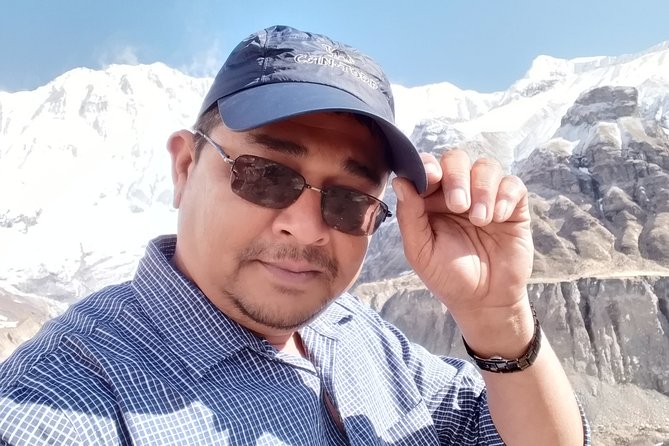
Your trek starts in Pokhara, with hotel pickup included. Then you travel by car to Phedi, where your trekking begins the same day. This is a good way to reduce the early-day stress. Instead of trying to figure out transport on your own, you’re already in the correct starting zone.
Permits are part of the included cost: trekking permit + TiMS card. You do still need to show up with the right details at booking time, but the big item—getting those documents organized for the trek—gets handled for you.
You also get an English-speaking guide, and the experience description emphasizes a government authorized trekking guide. In plain terms: you’ll have someone who can explain what you’re seeing and how the trek works, not just someone who walks ahead.
Day 1: Phedi to Tolkha and the First Rhythm Check
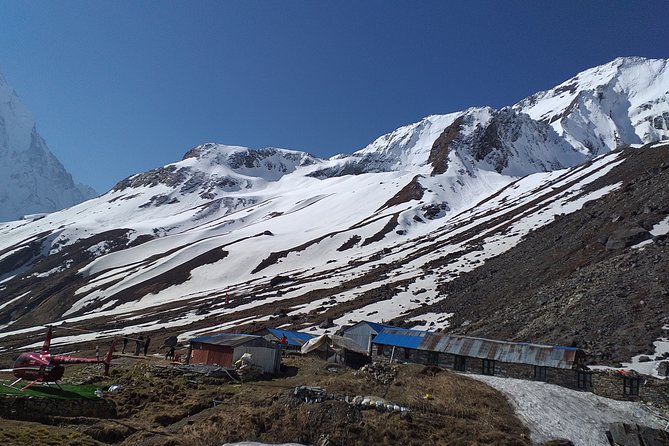
Day 1 has a drive to Phedi, then a trek to Tolkha that takes about 5 hours. This is your first real test: not the hardest day, but enough time walking to get your rhythm.
I like the way the schedule starts with a manageable “get your legs going” day. If your pace is off, you’ll feel it today, and that’s useful. You can settle in early rather than discovering halfway through the week that you’re moving too fast or too slow.
Also, you’re not carrying everything yourself. The trek is set up with a local porter, so you should expect help with your load and a lighter backpack. That makes those first hours feel less like punishment and more like warm-up.
Day 2: Chhomrong Day for Big Trek Energy
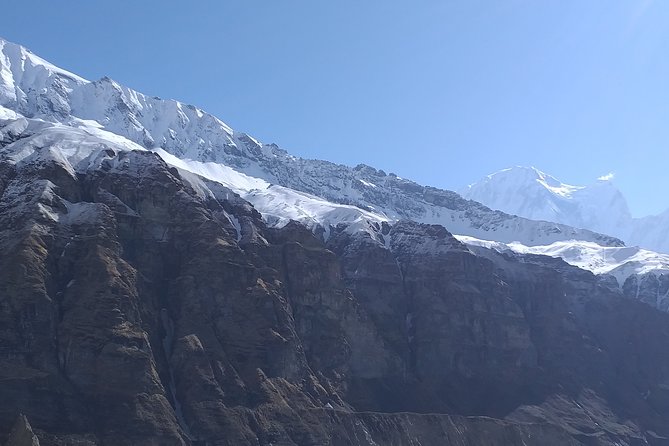
Day 2 treks up to Chhomrong, about 6 hours. This is the day where you’ll likely feel the altitude effort more, even if you’re fit. The value is that the day is scheduled as a steady trek block—no wandering, no mystery stops.
Chhomrong is included as a key stop, and you’ll arrive at a natural checkpoint for tea house rest. When a trek day is planned like this, you spend less mental energy guessing what comes next, and more energy watching the hills change as you climb.
Day 3: Bamboo to Dovan and Why This Middle Day Matters
Day 3 is a trek to Dovan (listed with Bamboo as a stop point) for about 6 hours. Middle days can make or break your mood. Too much pace and you start to rush. Too slow and you start to lose momentum.
Here, the schedule keeps you moving with a clear target. I like that for planning your own energy. You can aim for consistent walking and save your big effort for the later scenery moments.
And since you’re in tea houses on this style of route, your day ends with a predictable recovery rhythm: walk, shower options where available, eat what’s on offer, and sleep.
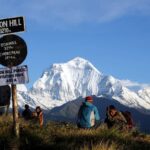
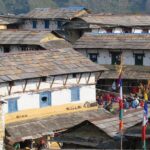
Day 4: Machhapuchhare Base Camp and the Payoff Day
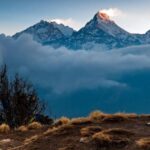
Day 4 heads to Machhapuchhare Base Camp, about 5 hours. Shorter than the 6-hour days, which is smart. It gives you a “progress day” while still keeping the total load reasonable.
This is the kind of stop that makes the Annapurna Base Camp trek feel like a real journey, not just a series of checkboxes. Even without getting fancy, the name itself signals why trekkers talk about this region: it’s a destination day.
Your guide’s job becomes extra important here. The itinerary description highlights that the guide will explain nature, culture, and adventure as you go. On a day like this, you’ll likely appreciate explanations about what you’re looking at and why this area is meaningful.
Day 5: Annapurna Sanctuary, the Glacier-View Day
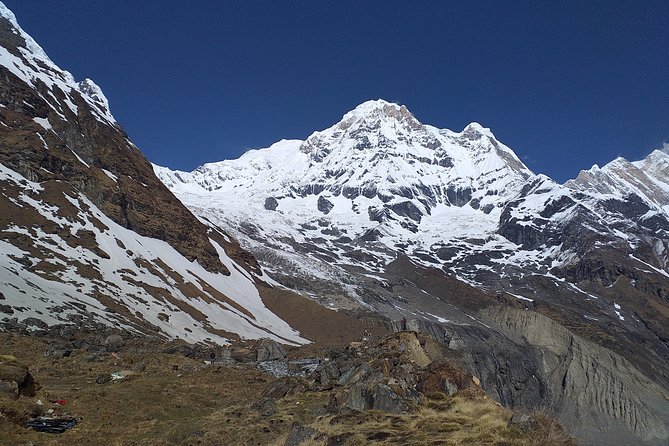
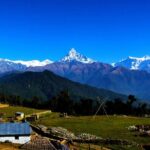
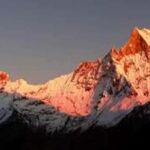
Day 5 is the famous-feeling one: Annapurna Sanctuary, with about 3 hours. The trek description calls it a “desert wilderness” surrounded by the Annapurna Himalayas and the Annapurna glacier.
Even if you’re not chasing dramatic superlatives, this is one of the stops that gives your photos a reason to exist. A shorter day can also be a relief after the previous trekking blocks. You get time in the sanctuary area, without feeling like you have to power-walk the whole afternoon.
This is also the day when weather matters most. The experience requires good weather, and if it’s canceled due to poor weather, you’ll be offered a different date or a full refund. Plan around that reality and don’t assume every day will look like a postcard.
Day 6: Back to Bamboo and the Quiet Grind
Day 6 is a trek back to Bamboo, about 6 hours. This is where you feel the trek as work again—steady effort, fewer “new” wow moments, and more focus on your pace.
I like this part of the itinerary because it makes recovery smarter. Instead of throwing you into a long, hardest-day stretch, you’re given a structured route back toward the later hot spring stop. You’re not just wandering; you’re following a plan that points you toward the finish.
Day 7: Jhinu Danda Hot Springs for Real Recovery
Day 7 goes to Jhinu Danda and includes natural hot spring time. The walk is about 6 hours, and the hot springs are there for relaxing bath time.
This is one of the best-feeling stops on many trekkers’ mental checklists: you finish the day tired, then your body gets a reason to feel better. If you’ve been walking all week, hot springs are the kind of comfort you actually notice, not just something you “should” enjoy.
Because the itinerary specifically calls out a hot spring bath, I’d treat this as your planned recovery moment—not an optional detour. Give yourself time to enjoy it, even if you feel tempted to rush.
Day 8: Nayapul to Pokhara and the End-of-Trek Reset
Day 8 finishes with a trek to Nayapul, then a drive back to Pokhara by private car. The total day is listed at about 7 hours, and then you get hotel transfer in Pokhara.
This is the day you’ll want to slow down mentally. Trekking days can end with confusion if transport isn’t lined up. Here, the transfer is included, so you can get your bearings fast and make sure you’re actually back to your hotel, not just near it.
If you’ve been keeping your energy steady, Day 8 usually feels like a gentle wrap-up rather than a final endurance trial.
Guides and Porters: The Service Side That Changes Your Trek
The experience is built around a government authorized English-speaking trekking guide and one local porter. That combination does more than carry weight—it changes how your trek feels.
In reviews connected to AM Travels and Tours, I saw repeat mentions of helpful guides such as Dadhi Ram Thapa, praised as gentle and honest. You also see other guide names in feedback connected to Annapurna trek experiences, including Gobind and Ram, and a responsible contact figure named Bishnu who coordinated pickups.
You don’t need a famous guide to have a great trek, but you do need someone who can keep the day moving, explain what you’re seeing, and help you make sensible choices when conditions shift. The emphasis in the trek description matches that: a guide who will explain nature, culture, and adventure.
Tea Houses and Meals: The Part You Must Budget
Tea house accommodation is included. That’s a big deal because it keeps lodging decisions simple. You show up, you eat what’s available, you sleep, and you repeat.
Meals and drinks are not included, so this is where you’ll spend extra. The itinerary format also suggests daily stops where you’ll naturally find tea house dining, but you still have to pay for your food and drink directly.
Here’s how I’d think about it: the trek package price covers the trek framework and core logistics, but your daily calories come from what you order on the spot. If you’re the type who gets picky about food or likes snacks and drinks, budget more.
Price and Logistics: Is $370.29 Worth It?
This price includes a lot of “hidden work” for you: pickup and drop-off, car transfers between Pokhara and trekheads, tea house lodging, guide and porter support, and permits (trekking permit + TiMS card). For many people, the real cost of trekking isn’t only the daily rate—it’s the time and organization.
You’re also getting a private trip setup. Even if the walking is similar to other groups, private logistics can feel calmer, especially on return day when you want clean timing.
The main reason it might not fit you is if you want full DIY control and don’t value having a government authorized guide and a porter organizing your day. If you prefer planning every detail yourself, you may find a cheaper option elsewhere—but you’ll also give up this “you’re looked after” structure.
Who This Trek Fits Best
This tour says it suits travelers with moderate physical fitness. That points to a realistic trekking style: you’ll be walking daily, but you’re not being sold as an extreme expedition.
I think it’s a strong match if you want:
- clear daily structure and timing
- help with permits and transfers
- a guide to explain what you’re seeing
- the comfort of tea house lodging
It may be less ideal if you want the trek to be extremely flexible or if you hate paying for meals separately.
Should You Book the Golden Mountain Annapurna Base Camp Trek?
I’d book it if you want the Annapurna Base Camp trek experience with fewer moving parts. The combination of English-speaking, government authorized guiding, porter support, tea house stays, permits included, and Pokhara transfers makes the whole thing feel like a planned route rather than a scavenger hunt.
I would think twice if you’re trying to keep costs ultra-tight, because meals and drinks are not included. Also, remember the experience depends on good weather, so you should accept that schedules can shift.
If you’re ready to walk for a week-plus and want a guide-led, organized experience from Pokhara, this one is a solid choice.
FAQ
What is the starting point and where do you end?
The trek is based in Pokhara, Nepal. You get hotel pickup at the start, travel by car to the trek start point, then at the end you trek to Nayapul and drive back to Pokhara with hotel transfer.
How long is the trek?
The itinerary runs for 8 days (approx.), including travel and trekking days through to your return to Pokhara.
Is hotel pickup and drop-off included?
Yes. Hotel pickup and drop-off are included.
Are trekking permits included?
Yes. The package includes a trekking permit and TiMS card.
Will I have a guide, and what language?
You’ll have an English-speaking trekking guide, and the experience description notes the guide is government authorized.
Do I need to carry my own gear?
The experience is set up with 1 local porter, and the description says you don’t need to carry anything so you can enjoy the trek.
Is accommodation included?
Yes. You get accommodation in tea house lodgings.
Are meals included in the price?
No. All meals and drinks are not included and are available on purchase.
Is this a private trek?
Yes. It is described as a private trip/activity, with only your group participating.
What if the weather is bad?
The experience requires good weather. If it’s canceled due to poor weather, you’ll be offered a different date or a full refund.
Can I cancel and get a full refund?
You can cancel up to 3 days in advance for a full refund. If you cancel less than 3 days before the start time, the amount you paid won’t be refunded.