REVIEW · HANOI
2-Days Sapa Trekking and Overnight in Tavan Village
Book on Viator →Operated by Best Vietnam Tours · Bookable on Viator
Sapa is best when you walk it slowly. This 2-day trek blends rice terraces, hill-tribe villages like Ta Van and Lao Chai, and a real overnight in a bungalow or stilt house. I also like the tight structure: you get lunch, dinner, and breakfast while an English-speaking guide keeps things moving. One thing to consider is timing—at least one departure in the wild history of this tour has started on a late sleeper bus, leaving people cold and waiting on arrival.
I’m especially into how this route hits the Sapa “greatest hits” on foot: Y Linh Ho, Muong Hoa Stream, Lao Chai, then back to red Dzao country near Giang Ta Chai. You’ll also get Wi‑Fi onboard and at the home stay, plus water for both ways. Still, the hikes add up—so plan on steady, moderate effort, not a casual stroll with photo stops only.
If you want a budget-friendly Sapa experience that doesn’t feel like a forced rush, this one makes sense. It’s priced at $52 and includes more than you’d expect for that money—meals, entrance tickets, and guided trekking. Just confirm your exact departure and pickup details before you commit, because start times can matter.
In This Review
- Key things I’d plan around
- Hanoi to Sapa: the bus ride, rest stops, and the timing question
- Arriving in Sapa: costumes, the welcome moment, and your first meal
- Day 1 trek from Y Linh Ho to Lao Chai: rice terraces and Muong Hoa Stream
- Ta Van overnight: home stay life with Dzay hosts
- Day 2 in Ta Van: cooking class, pho and nem cuốn, then the red Dzao villages
- Back in Sapa and heading to Hanoi at 21:30
- Price and value: what $52 includes (and what it doesn’t)
- Who this tour fits best (and who should rethink it)
- Should you book this Sapa Trekking and Overnight in Tavan Village?
- FAQ
- What is included in the tour price?
- Where does the tour start in Hanoi?
- How long are the hikes on each day?
- Where do you stay overnight?
- Do you visit Lao Chai and Giang Ta Chai?
- Is a cooking class included?
- What time do you return to Hanoi?
- Is Wi‑Fi available during the tour?
- Are there extra costs for public holidays?
- What fitness level do I need?
Key things I’d plan around
- The trek distances are real: about 9km (3.5 hours) Day 1, and 4km (2 hours) Day 2
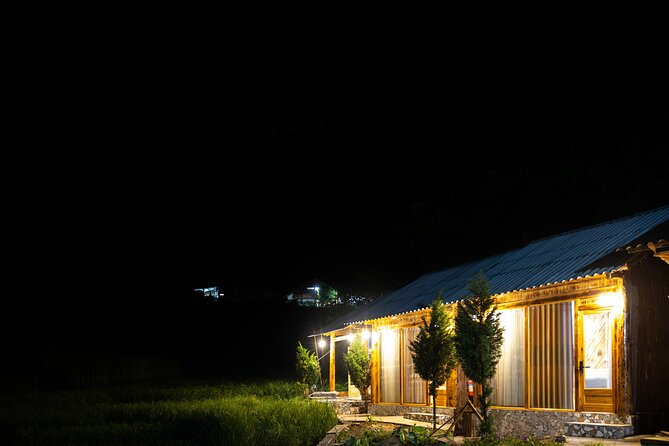
- You sleep in Ta Van: bungalow or wooden stilt house, with family time and dinner included
- Included meals reduce hassle: lunch (twice), dinner, breakfast, plus water on the bus
- You get a guide and Wi‑Fi: English-speaking guide and free Wi‑Fi on bus and home stay
- Timing can vary: one documented issue involved a late sleeper bus and early arrival
- Small group size: up to 20 people, which helps the pace and logistics
Hanoi to Sapa: the bus ride, rest stops, and the timing question
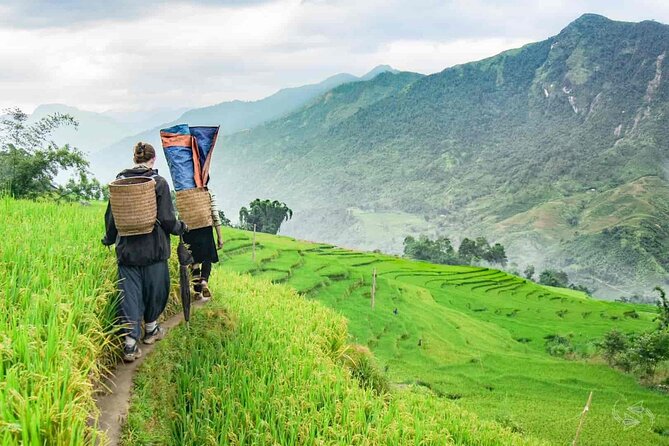
This tour starts in Hanoi’s Old Quarter, with pickup from your hotel. The day-of schedule you’ll see is a morning departure around 6:00–6:30am on a modern air-conditioned bus, then highway travel toward Sapa via Lao Cai with rest stops around 9:30 and 11:00.
Practically, this matters because a long, seated ride is easier when:
- you’re in AC,
- you get water (two bottles per person, each way),
- and the driver does planned breaks.
You’ll also have Wi‑Fi on the bus, which is handy for offline map prep, messaging family, or booking your next stop in Vietnam.
Now, the caution flag: one negative review described a tour start on a sleeper bus leaving Hanoi around 9:30pm and arriving Sapa around 4:15am on a general bus—not one fully filled with the tour group. That traveler said they were left cold and in the dark, which is exactly the kind of situation that can ruin the start of a trekking trip.
So here’s what I’d do: before you pay, ask your operator what the exact pickup time is in Hanoi and whether you’ll be met in Sapa immediately on arrival. If your itinerary is truly departing in the morning, you should be fine—but timing glitches can happen with any multi-transport route.
You can also read our reviews of more tours and experiences in Hanoi.

Arriving in Sapa: costumes, the welcome moment, and your first meal

Once you arrive in Sapa Town (the schedule places arrival around 13:00), you get a short wait at the bus station while the guide and driver coordinate pickup to the hotel. This part is simple, but it’s important: don’t assume the trekking begins instantly the moment you step off the bus.
Then you’ll get a welcome beverage and an itinerary overview. You’ll also have lunch with local Vietnamese dishes. This is a smart move. After a long ride, you don’t want to burn energy trekking on an empty stomach, and you also want one meal that’s included so you’re not hunting food in a new town.
As you head into the trek, you’ll notice Sapa’s mix of ethnic clothing—H’mong, Dzao, and Tay are specifically mentioned. It’s not just for show. Those communities are still central to the villages you’ll walk through next.
Day 1 trek from Y Linh Ho to Lao Chai: rice terraces and Muong Hoa Stream
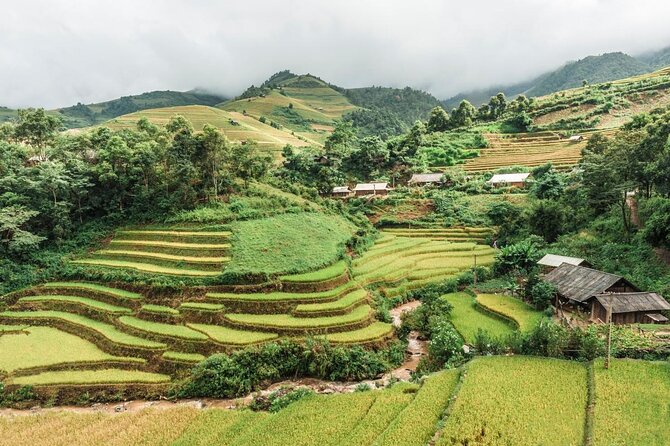
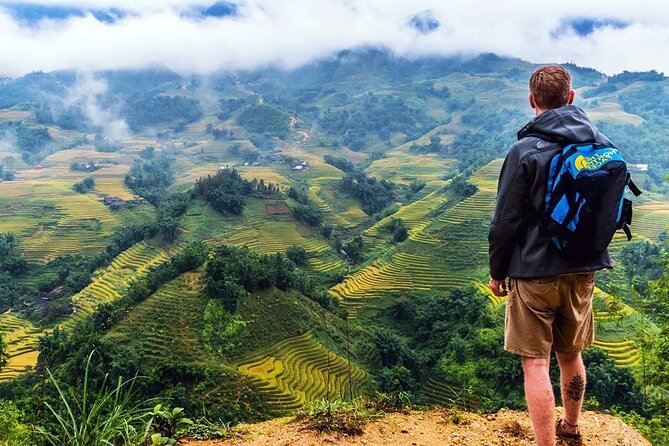
Day 1 starts trekking around 14:15 with a route through Y Linh Ho, then continuing through rice terraces and along Muong Hoa Stream. The walk leads you toward the Black Hmong village of Lao Chai, then onward as you approach Ta Van in late afternoon.
Distance is about 9km and takes around 3.5 hours. That’s not a “put your feet up” walk. You should expect uneven paths and some stretches where you’ll just keep a steady pace and let the scenery roll by.
What I like about this route is that it hits both:
- iconic Sapa visuals (rice terraces and Hoang Lien Son Mountain views),
- and village-to-village movement (Lao Chai to Ta Van).
If you only do one big trek in Sapa, this is the one to prioritize. The timing also helps. You’re walking into the late-day window, which usually means softer light for photos and a cooler feel than midday.
Possible drawback: you’re starting the trek in the afternoon after travel. If you’re sensitive to fatigue, Day 1 can feel like it arrives faster than you expect. Wear shoes you trust, and plan water and energy like you’re hiking—not like you’re commuting.
Ta Van overnight: home stay life with Dzay hosts
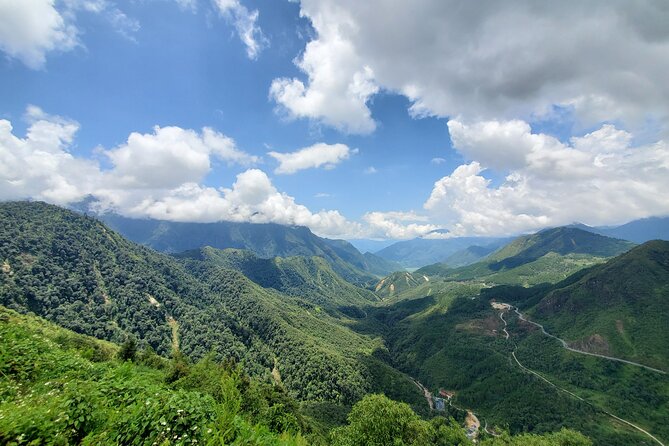
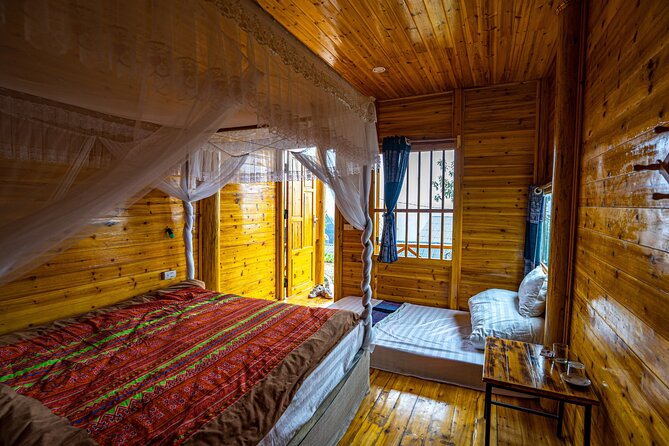
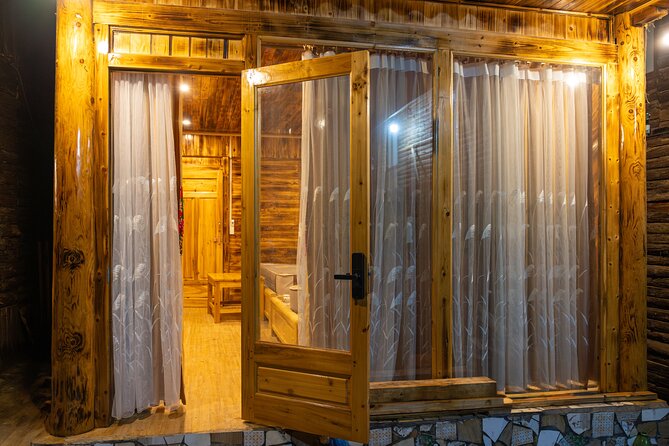
By late afternoon, you check in to your homestay (bungalows or wooden stilt houses are listed). The schedule says you’ll spend time with the family of Dzay People. Then you get a sunset window—time to slow down, look out at the hills, and absorb village rhythms without cramming in extra stops.
This overnight is the big reason many people choose this tour. You’re not just hiking in and hiking out. You get to sleep in the community you’re walking toward.
Included in the package:
- Dinner (so you don’t need to plan food logistics),
- Wi‑Fi on the home stay,
- and a breakfast the next day.
If you’re someone who prefers authentic contact over staged experiences, this is where you’ll feel the difference. Just keep your expectations realistic: homestays prioritize hospitality and local life over hotel-style comforts. If you want a lot of privacy, hot showers on demand, or polished amenities, you might find this style a bit rustic.
Day 2 in Ta Van: cooking class, pho and nem cuốn, then the red Dzao villages
Day 2 begins around 7:00am with the option to join a cooking class in Ta Van. The lesson focuses on making Vietnamese foods like Pho (Phở) and Nem Cuốn. Even if you’re not trying to recreate the dishes later, this gives you a quick, hands-on way to understand what you’re eating and why locals cook this way.
Then breakfast is prepared by the family. After that, you start trekking again with more of the Sapa-to-village rhythm.
The next stop is Giang Ta Chai Village around 8:45. The route heads into rice paddies, where you’ll have a photo session of the surrounding views. Then you trek through a bamboo forest and stop at a panorama viewpoint of Giang Ta Chai, home of red Dzao People.
Distance is about 4km, taking roughly 2 hours. Compared to Day 1, it’s lighter—but the bamboo section and photo pauses can make it feel longer.
At about 11:00, you trek through the Giang Ta Chai Bridge to the main road. Then you return to the bungalow to shower and prepare for lunch (around 12:30–13:30). Lunch is included, and it’s a nice reset after a morning outside.



Back in Sapa and heading to Hanoi at 21:30
After lunch, the bus picks you up around 13:30 and returns you to Sapa Town. You’ll have free time from 14:00 to 15:00 to walk around and shop.
This is the practical part of the tour: not a long wandering section, but enough time to:
- buy simple souvenirs,
- look for snacks,
- or just breathe after two trekking days.
Around 15:00–15:30, you meet the group at the bus station, then head back to Hanoi. The schedule calls for two rest stops on the way and arrival around 21:30.
For many people, that’s the ideal travel shape: you’re tired, you eat, you sleep, and you don’t spend the evening trying to figure out transport from Sapa to Hanoi.
Price and value: what $52 includes (and what it doesn’t)
This tour costs $52 for about two days. At this price point, you’re not paying for luxury. You’re paying for structure: transport, guide, entry fees, meals, and a guided trek that connects multiple villages.
What’s included:
- breakfast and dinner,
- lunch (noted as two lunches),
- air-conditioned bus seats from Hanoi to Sapa and return,
- 2 bottles of water per person for both ways,
- English-speaking tour guide,
- bungalow or wooden stilt house,
- entrance tickets,
- free Wi‑Fi on bus and home stay.
What’s not included:
- beverages,
- travel insurance,
- VAT,
- personal expenses,
- and a $30 surcharge if your travel date falls on a public holiday (paid onsite).
Here’s the value logic I’d use: if you were to arrange transport, a guide, and a homestay yourself, you’d usually pay a lot more in time and cost—especially for trekking logistics between villages. This tour is basically a “bundle deal” that removes the hardest planning parts.
Is it perfect value? It can be, as long as the timing matches your expectations. The one complaint about being stranded after a late sleeper bus shows that the biggest variable isn’t the trek—it’s the arrival coordination.
Who this tour fits best (and who should rethink it)
Best for:
- People with moderate physical fitness who can handle 9km Day 1 plus 4km Day 2.
- Anyone who wants a real Ta Van overnight, not just a daytime excursion.
- Travelers who like moving through villages—Y Linh Ho, Lao Chai, then Giang Ta Chai—while still having meals and transport handled.
Not ideal for:
- If you want a slow, low-step walk with minimal climbing.
- If you hate uncertain timing and can’t deal with possible cold waiting if a transfer doesn’t meet you right away.
- Anyone who expects hotel-level comfort in a homestay setting.
Practical packing tips (based on the trekking + cold/waiting risk):
- Warm layers for early or late arrival windows.
- Good grip footwear for rice-terrace paths.
- A light rain layer, because the hills don’t care about your schedule.
Should you book this Sapa Trekking and Overnight in Tavan Village?
I’d book it if you want value, real village contact in Ta Van, and a guided trek that takes you past Lao Chai and into the Giang Ta Chai area. The package includes meals, entry tickets, Wi‑Fi, and transportation, and the group size capped at 20 helps it feel manageable.
I’d pause before booking if your travel dates are public holidays (the $30 onsite surcharge matters) or if you’re relying on a very specific arrival plan in Sapa. Since at least one documented departure involved a late sleeper bus and early arrival with inadequate help, your best move is simple: confirm the exact Hanoi pickup time and what happens immediately on arrival in Sapa.
If everything lines up and you’re ready for moderate hiking, this is a strong way to see Sapa beyond the main town—on foot, with dinner, and with one night spent where the villages actually live.
FAQ
What is included in the tour price?
The tour includes breakfast, dinner, two lunches, round-trip air-conditioned bus seats between Hanoi and Sapa, two water bottles per person on both ways, an English-speaking guide, entrance tickets, Wi‑Fi on the bus and home stay, and accommodation in a bungalow or wooden stilt house.
Where does the tour start in Hanoi?
Pickup is offered from hotel locations in Hanoi Old Quarter in the early morning for the standard schedule.
How long are the hikes on each day?
Day 1 includes about 9km of trekking for around 3.5 hours. Day 2 includes about 4km for around 2 hours.
Where do you stay overnight?
You stay one night in Ta Van, in a bungalow or wooden stilt house (home stay style).
Do you visit Lao Chai and Giang Ta Chai?
Yes. The itinerary includes trekking to the Black Hmong village of Lao Chai on Day 1, and trekking through Giang Ta Chai Village on Day 2 (home of the red Dzao People).
Is a cooking class included?
Yes. On Day 2 in Ta Van around 7:00am, you can join a cooking class to learn dishes like Pho (Phở) and Nem Cuốn.
What time do you return to Hanoi?
The bus departs Sapa after the afternoon break and is scheduled to arrive in Hanoi at about 21:30, with two rest stops on the way.
Is Wi‑Fi available during the tour?
Free Wi‑Fi is provided on the bus and at the home stay.
Are there extra costs for public holidays?
Yes. A $30 surcharge applies if your travel date is on a public holiday, payable onsite.
What fitness level do I need?
The tour is designed for travelers with moderate physical fitness. The trekking distances are included in the schedule, so it’s best if you’re comfortable walking for multiple hours on uneven paths.