REVIEW · CHIANG MAI
Chiang Mai: 2-Days Jungle Trek, Waterfalls and Karen Village
Book on GetYourGuide →Operated by Shiny Chiangmai Tour · Bookable on GetYourGuide
Two days, one wild jungle trek. You’ll hike past Mae Win jungle and farmland, meet a White Karen village community, swim at waterfalls, and finish with campfire stories under the night sky.
I especially love the mix of real physical effort and real nature: long stretches of forest walking, then sudden payoff at the next waterfall. And I like how the guides make the Karen community feel personal, from village meals to learning about local herbs and ingredients with guides like Pong and Kong.
One drawback to plan for: this is proper trekking with cold winter nights and basic overnight comforts, so you need warm layers and a decent fitness baseline.
In This Review
- Key points before you go
- Getting Your Bearings in Chiang Mai’s Jungle Country
- The 7:00 to 8:00 Pickup: Your First Reality Check
- Day 1: White Karen Farmlands to Mae Win Jungle
- The Trek Distances and Fitness Truth
- Lunch by Waterfalls: The Part You’ll Actually Remember
- White Karen Overnight: Simple Cottages, Real Community Time
- Day 2: Mae Wang Jungle, Wildlife Chances, and a Second Village Stop
- What the Weather Does to the Experience (and What to Pack)
- Food on the Trek: Fuel That Actually Works
- Value for $96: Where the Money Actually Goes
- Eco-Tourism and Community Support: The Real Deal
- Who This Trek Suits Best (and Who Should Skip It)
- Should You Book This Chiang Mai 2-Day Jungle Trek?
- FAQ
- How long is the Chiang Mai jungle trek?
- Where does pickup happen, and what times should I expect?
- Is there an English-speaking guide?
- What’s included in the price?
- Are meals provided on both days?
- Will I have time to swim?
- What should I pack for cold weather?
- How much trekking should I expect?
- Is the group small?
- Can I cancel or change my plans?
Key points before you go
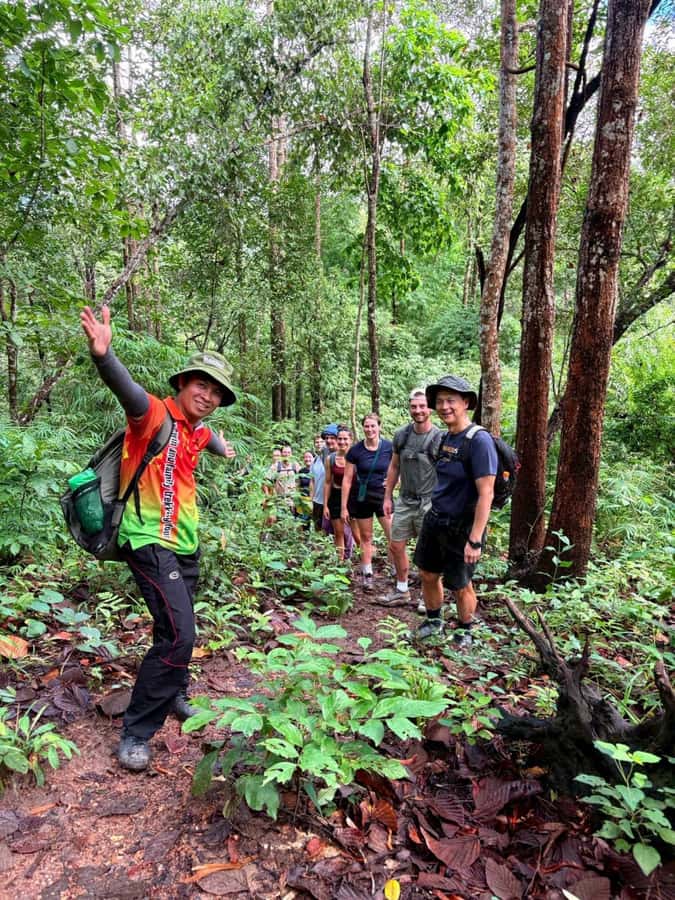
- Small group size keeps the pace human, with room for breaks and questions (up to 13 people).
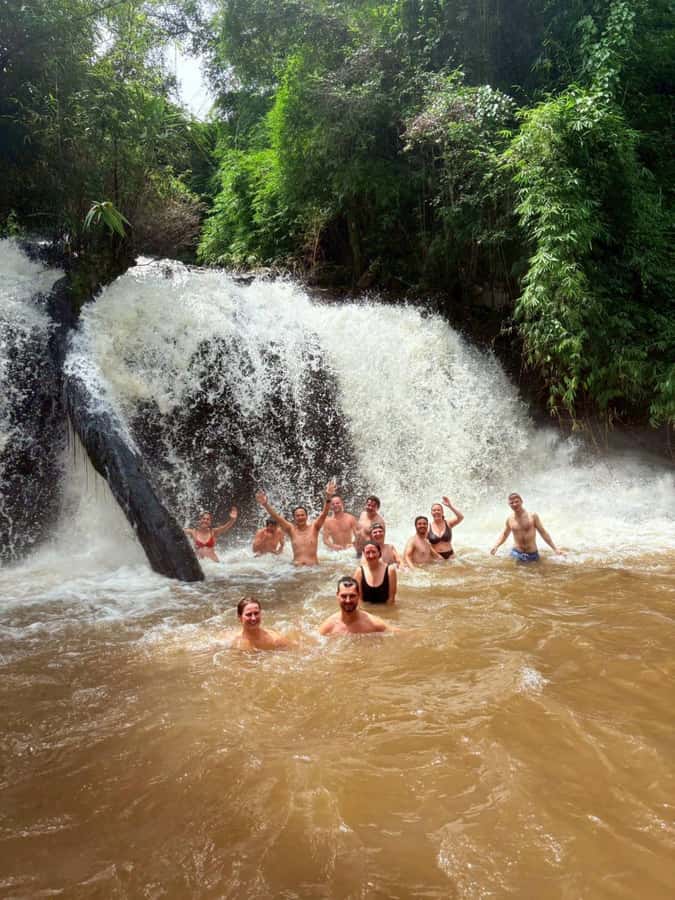
- Waterfall stops are a feature, not an add-on, with time to swim and cool off.
- Karen village overnight is simple but memorable, including campfire stargazing and story time.
- Expect uphill effort and muddy moments during rain, even if you’re not an elite hiker.
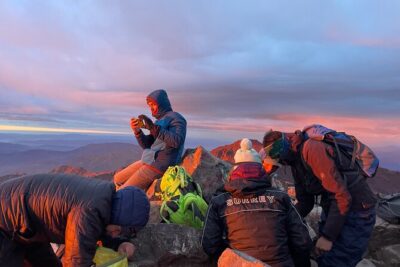
- Winter temps can bite in Mae Win, so pack warm layers for late evening and early morning.
Getting Your Bearings in Chiang Mai’s Jungle Country
Chiang Mai is packed with day trips. This one feels different because it pulls you out of town and into a rhythm of hiking, stopping, and then resetting in the next valley over.
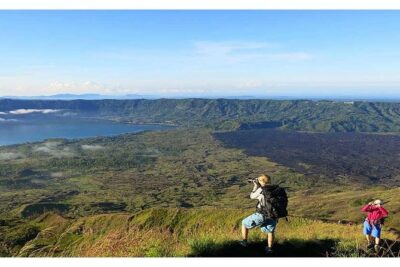
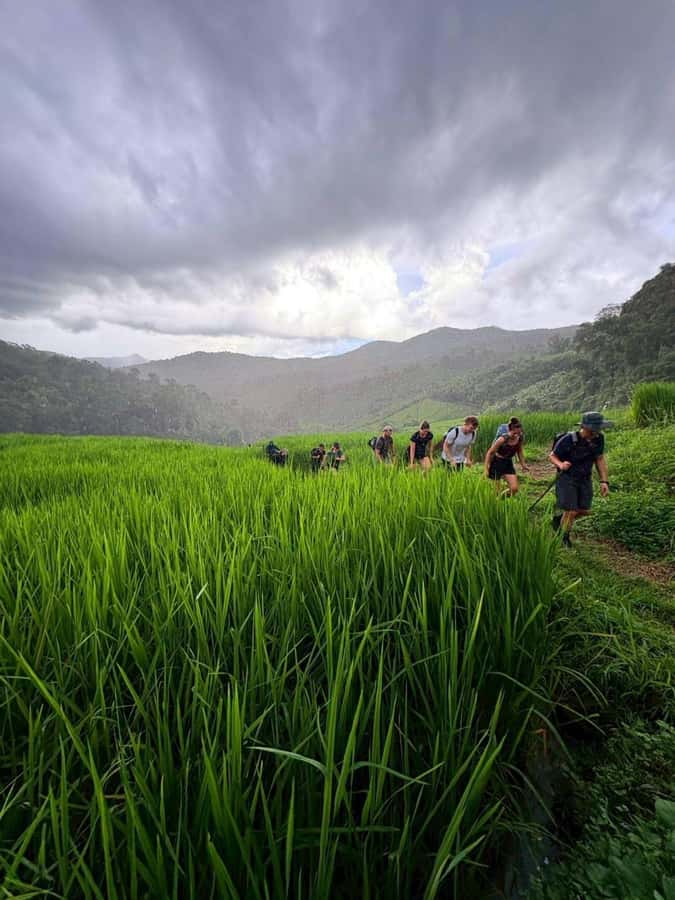
The tour is based around Mae Win (day 1) and Mae Wang (day 2). Those names matter because the walking isn’t just “green space.” You move from farmland edges into jungle, then back toward communities and waterfalls that act like natural checkpoints. That mix is why the days feel varied instead of repetitive.
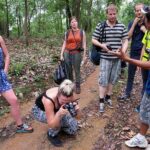
Also, this is the kind of trip where your guide’s style changes your experience. People who get the best time tend to engage during breaks: ask what you’re seeing, listen while you’re resting, and treat the campfire evening as part of the program, not just downtime.
You can also read our reviews of more tours and experiences in Chiang Mai.

The 7:00 to 8:00 Pickup: Your First Reality Check
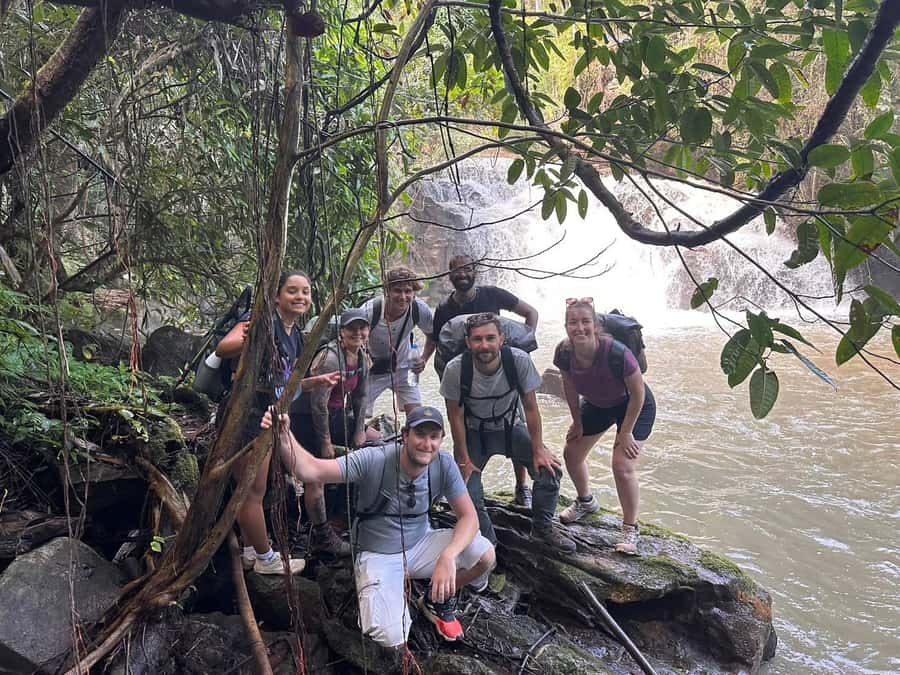
You start early. Depending on where you stay, pickup is either:
- Inside the old city walls: about 7:00 to 7:30 AM
- Outside the old city walls: about 7:30 to 8:00 AM
- Outside pickup areas: you meet at Wat Phra Singh or Maya Shopping Center
After pickup, you drive roughly 45 minutes to a local market. It’s a practical stop: grab coffee, top up snacks, or pick up personal supplies you forgot. Then it’s about 20 minutes more to the trek starting area near the White Karen village.
Why this matters: you’re not just saving time. You’re also starting the day with a chance to sort out gear and energy, especially if you know you’ll want water, sunscreen, or a few extra snacks while walking.
Day 1: White Karen Farmlands to Mae Win Jungle
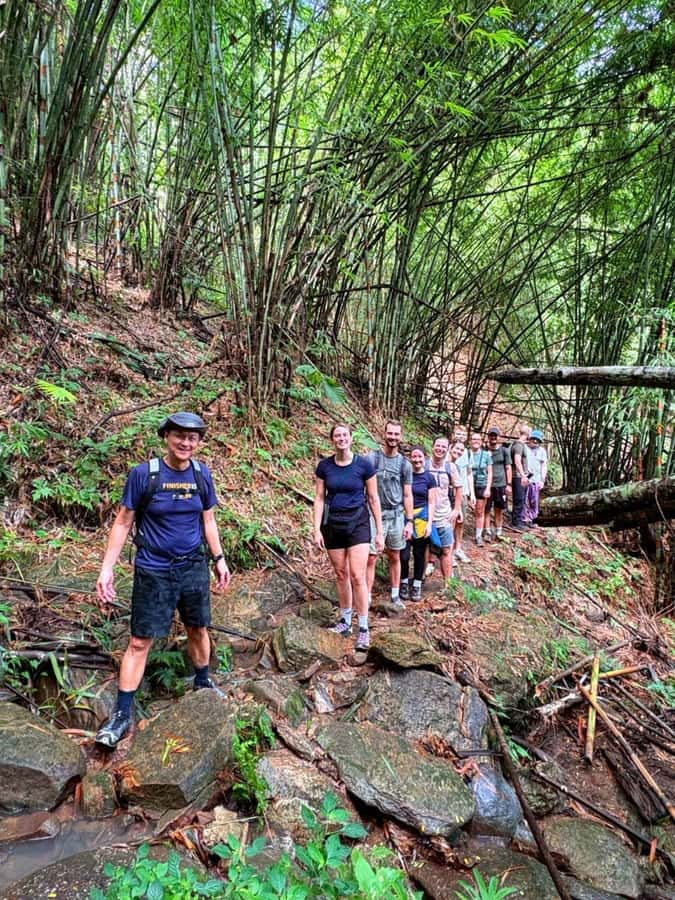
Day 1 is where you start building the day’s pattern: walk, stop, look, and cool down.
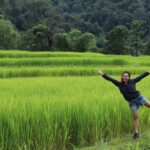
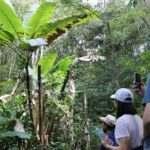
From the trek starting point, you begin with a briefing from your guide, then the route passes through White Karen farmlands and into the Mae Win jungle. Total trekking time is typically around 5–6 hours, though pace changes with weather, group speed, and how long you linger at waterfalls.
A key part of Day 1 is lunch at a waterfall. This isn’t a quick “pass-through.” Plan on time to rest, snack, and reset your legs. After that, you keep walking to the White Karen Tribe Cottage for overnight.
What to watch for on Day 1:
- Shoes really matter. One reviewer point was clear: wear shoes with a solid sole, because jungle trails can be uneven.
- Water conditions matter too. If it’s wet, paths can turn slick. The trip stays manageable, but you’ll want sure-footed footing.
- You’re on a small group schedule. The better you are at following the guide’s pace, the less “surprise” you’ll feel later.
The Trek Distances and Fitness Truth
The trip doesn’t pretend you’re strolling. It’s built for active people, and the terrain adds intensity.
Based on actual experience from recent hikers, you should think in terms of:
- Day 1: often around 12–14 km with a solid hike pace
- Day 2: often around 8–9 km
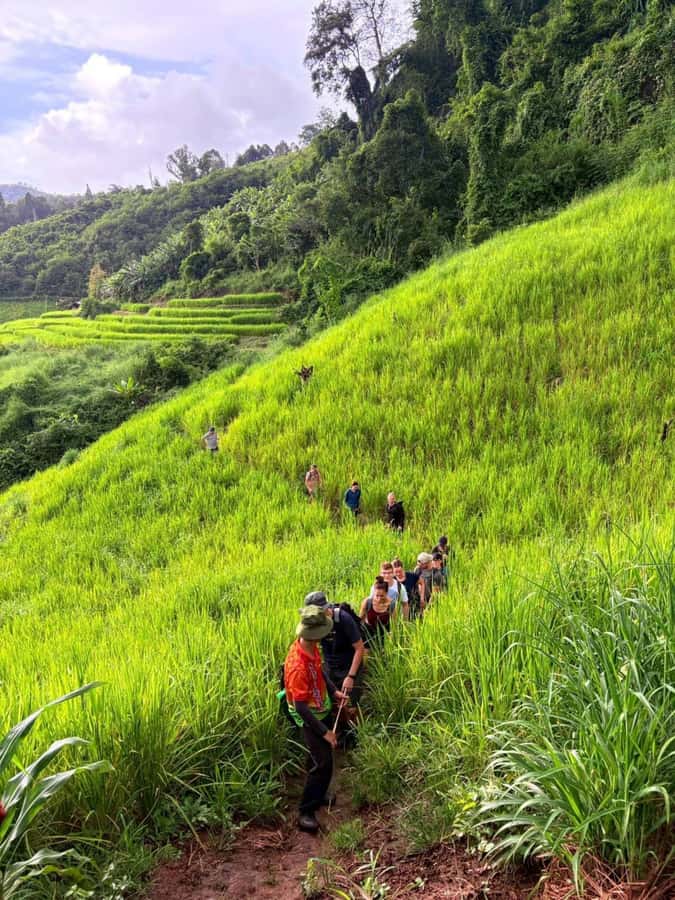
The walking pace might feel quick at times, and there are climbs, especially if you get caught in rain and the trail gets muddy. You don’t need to be a mountain athlete, but you do need stamina and comfort hiking for hours.
If you’re the type who enjoys the “slow burn” of steady uphill and stops that feel earned, you’ll like this. If you’re hoping for a mostly flat, casual nature walk, look for something gentler in Chiang Mai.
Lunch by Waterfalls: The Part You’ll Actually Remember
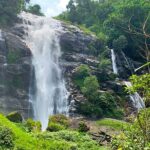
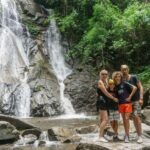
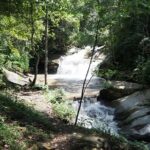
Waterfalls are the hook, and they’re used intelligently. On both days, you stop at waterfalls for lunch and for refresh breaks.
This is where your packing choices pay off:
- Bring swimwear and expect to use it.
- Bring a towel.
- Wear flip-flops only where they make sense. On rocky or muddy trails, they can be less useful than quick-dry shoes or sandals you can walk in safely.
I like this design because it makes the hike feel like a story with chapters. After hours of walking, you get a real reward that changes your mood: cool water, photos, and a chance to breathe without thinking about your feet for a bit.

White Karen Overnight: Simple Cottages, Real Community Time
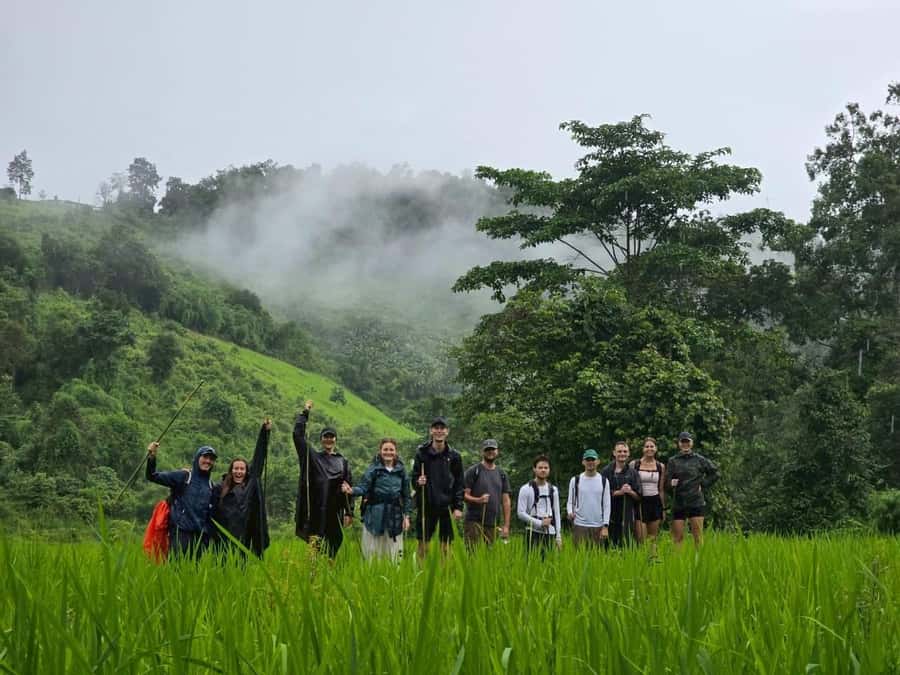
The overnight is one of the strongest reasons to book this trek. It’s not a fancy hotel experience, and it doesn’t try to be.
You stay at the White Karen Tribe Cottage. Accommodation is described as basic, with simple setups. One review mentioned a shared dorm-style arrangement and a bucket-style flush toilet. Translation: you should be okay with “practical” instead of “pretty.”
What makes it work is the human side. In the evening, you can join your guide in preparing dinner and learn about local herbs and ingredients. Then it’s campfire time: stargazing and sharing stories in a village atmosphere.
Some nights even turn into a lively singalong moment at the fire. If that’s your vibe, you’ll feel like part of the group instead of just a paying participant passing through.
Day 2: Mae Wang Jungle, Wildlife Chances, and a Second Village Stop
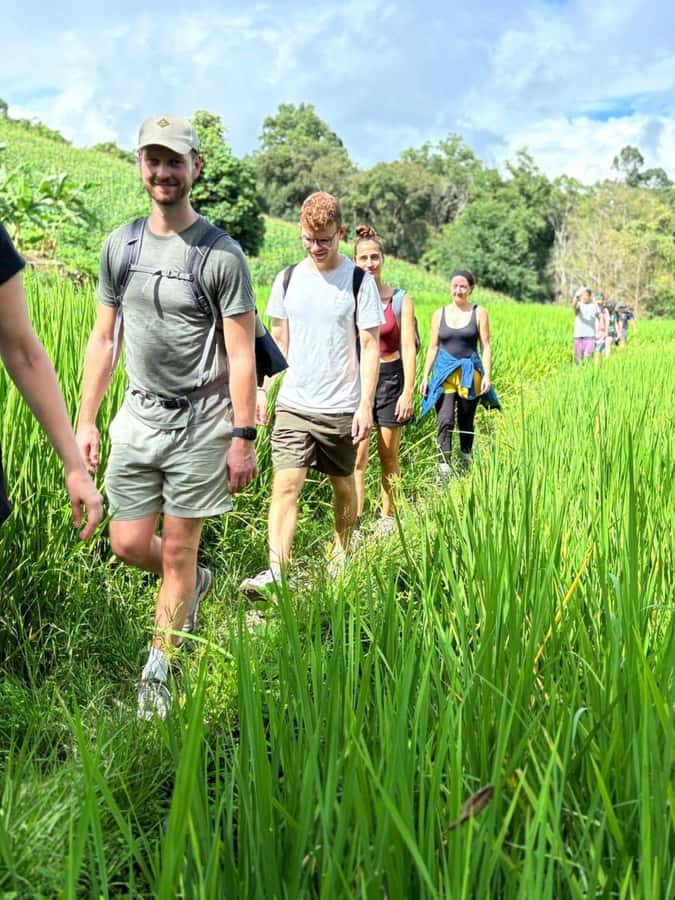
Day 2 starts with natural sounds from the jungle and village life, then breakfast at the cottage. After that, you head back out trekking through the Mae Wang jungle.
This area is known for wildlife sightings such as monkeys and gibbons. Realistically, you can’t guarantee sightings every time, but it’s the kind of environment where your guide will point things out when they can.
You’ll again trek at a flexible pace. You stop at another hill tribe village for lunch and rest, then continue to a second waterfall where you can relax and refresh before walking back to the truck.
Arrival back in Chiang Mai is typically around 6:00 to 6:30 PM, which makes the whole trip feel like a contained adventure instead of a full-on relocation.
What the Weather Does to the Experience (and What to Pack)
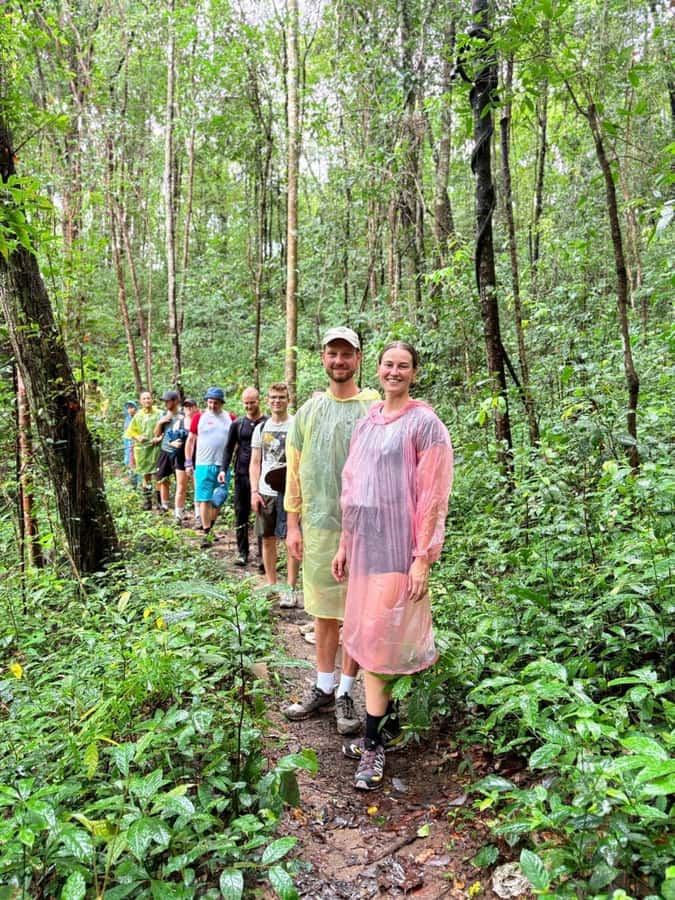
Northern Thailand changes with the season. The tour notes that November to February can be winter, and Mae Win jungle nights can be quite cold.
So even if it feels warm during the day, plan on:
- a warm jacket
- long pants or warm layers
- something cozy for late evening and early morning at the cottage
You also need sun protection. Bring sunglasses, a sun hat, and sunscreen. And if you’re traveling during wetter months, packing a rain jacket makes a big difference for comfort (and for how quickly you start feeling cold).
You’ll also carry your essentials in a small backpack for the overnight. The tour expects you to pack light: two days of trekking and one night in the village, with only what you truly need.
Food on the Trek: Fuel That Actually Works
Food is more than calories here. Lunch at waterfalls gives you a reset point, and breakfast keeps you moving without feeling too full.
Your inclusions are:
- lunch on Day 1
- lunch on Day 2
- dinner (with the option to join prep)
- breakfast
One review noted there can be options to buy extras like chips and beer, which suggests there may be chances to snack beyond what’s included. If you like having choices, bring a little extra cash just in case.
The big plus: meals fit the rhythm of the hike. You’re not stuck hunting for food while your legs are tired.
Value for $96: Where the Money Actually Goes
At $96 per person for 2 days, the price is easier to judge when you look at what’s included.
You get:
- transportation
- guide (English)
- lunches
- accommodation for the overnight
- travel insurance
For a trek this length, that’s the heart of the value: guides, transport to remote trailheads, and one overnight stay handled for you. You’re also paying for a small-group setup (limited to 13 participants), which usually translates into better attention, more breaks, and less crowding on trails.
What you should plan to pay for yourself: snacks or personal supplies you buy at the market stop, plus any optional extras during the trip.
If you were trying to piece this together independently, you’d quickly spend time coordinating pickup, a guide, transport, and an overnight plan. Here, it’s handled.
Eco-Tourism and Community Support: The Real Deal
The tour states it supports local communities and promotes eco-tourism. On a practical level, that’s reflected in the design: you spend significant time in the village environment (including an overnight), and you’re guided through the daily rhythm rather than treated like a quick photo stop.
I like that the schedule leaves room for more than just sightseeing. When your guide talks about herbs, ingredients, and village life, the community isn’t a background. It’s part of what you’re participating in, even if your role is respectful visitor rather than worker.
Who This Trek Suits Best (and Who Should Skip It)
This is a strong fit if you want:
- a real hiking challenge with breaks that feel rewarding
- waterfall time and swimming opportunities
- an overnight in a village setting where basic comforts are part of the experience
- small-group attention with an English-speaking guide
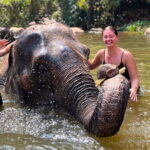
It’s also a good choice if you’re avoiding other big-animal tours and still want something wild and nature-forward. A couple of hikers even mentioned being happy they didn’t do certain elephant-focused options, then getting lucky with elephant sightings anyway. You can’t count on that, but it speaks to the forest’s surprises.
Avoid this trek if you’re:
- pregnant
- a wheelchair user
- dealing with altitude sickness
- over 70
(Those limits are listed as not suitable for the tour.)
And be honest with yourself if you’re new to hiking. The trip is doable for many people with preparation, but the day-to-day effort is real.
Should You Book This Chiang Mai 2-Day Jungle Trek?
Book it if you want an active, outdoors-focused couple of days that feel authentic and hands-on: jungle walking, Karen village contact, waterfall swims, and a night that’s more than just a bed.
Don’t book it if you want a low-effort nature day, hot-shower comfort at night, or you’re not ready for cold winter mornings and basic accommodations.
If you do book, bring smart gear, plan on steady walking, and treat the guide’s storytelling moments as part of the itinerary. That’s when the trek stops feeling like exercise and starts feeling like a real journey through northern Thailand.
FAQ
How long is the Chiang Mai jungle trek?
It runs for 2 days.
Where does pickup happen, and what times should I expect?
For hotels within the old city walls, pickup is about 7:00 to 7:30 AM. For hotels outside the old city walls, pickup is about 7:30 to 8:00 AM. If pickup isn’t available for your location, you’ll meet at Wat Phra Singh or Maya Shopping Center.
Is there an English-speaking guide?
Yes. The tour includes a live tour guide in English.
What’s included in the price?
The tour includes transportation, guide, lunch, accommodation, and travel insurance.
Are meals provided on both days?
Yes. You get lunch on both days, plus dinner on the first night and breakfast on the second day.
Will I have time to swim?
The program includes waterfall stops where you can relax and refresh, and you’ll want swimwear and a towel for the experience.
What should I pack for cold weather?
For November to February, nights in the Mae Win area can be cold. Bring warm clothes like a jacket and long pants or warm layers.
How much trekking should I expect?
Day 1 is about 5–6 hours total (depending on pace and breaks), and Day 2 trekking time is also flexible. Reviews also suggest Day 1 can be roughly 12–14 km and Day 2 roughly 8–9 km.
Is the group small?
Yes. It’s limited to up to 13 participants.
Can I cancel or change my plans?
The tour offers free cancellation up to 24 hours in advance for a full refund, and you can reserve now and pay later.