REVIEW · KATHMANDU
Everest Base Camp Trek with Helicopter Flight Back
Book on Viator →Operated by Bold Himalaya Treks and Travels Pvt Ltd · Bookable on Viator
Everest Base Camp in 10 days is a smart plan. This trek pairs the classic Khumbu route with a helicopter flight back, so you spend more time going up than going down. I like the clear guiding and care, including experienced crew support, plus the included permits and national-park fees. The main thing to watch is the helicopter: the itinerary calls for it, but the fine print also lists it in the not-included section, so you’ll want to confirm before you pay in full.
What makes this one especially practical is the built-in rhythm for altitude and logistics: you fly to Lukla, settle into the Sherpa towns, and gain height in sensible steps before you push to base camp. Even with disruption risks in Nepal (weather happens), the trip’s handling of comfort and readiness seems to be a strong point based on real experiences—hot water and solid lodge comfort were highlighted when conditions got messy. Still, this is not a stroll: expect real trekking days at altitude, including a sunrise hike at Kala Patthar.
In This Review
- Key Points I’d Prioritize Before Booking
- Why the Helicopter Return Changes the Whole Trek
- Kathmandu Warm-Up: Pickup, Briefing, and First Night Comfort
- Fly to Lukla: The Start That Feels Like a Nepal Film
- Phakding to Namche Bazaar: Bridges, Sherpa Villages, and Getting Oriented
- Tyangboche: Views, Lunch Breaks, and Temple Energy
- Dingboche and Nagarjun Peak: Acclimatization Without Guesswork
- Lobuche and Thukla Pass: The Distance Gets Serious
- Base Camp Day: Gorak Shep, Icefall Views, and a Big Finish
- Kala Patthar Sunrise and the Helicopter Back to Kathmandu
- Logistics, Fitness, and Gear You’ll Actually Care About
- Price and Logistics: Is $446.50 Good Value Here?
- Who This Trip Suits (and Who Should Skip It)
- Should You Book Everest Base Camp With Helicopter Return?
- FAQ
- How long is the Everest Base Camp trek with helicopter return?
- Where does the trip start in Kathmandu?
- Do you fly to Lukla, or trek from Kathmandu?
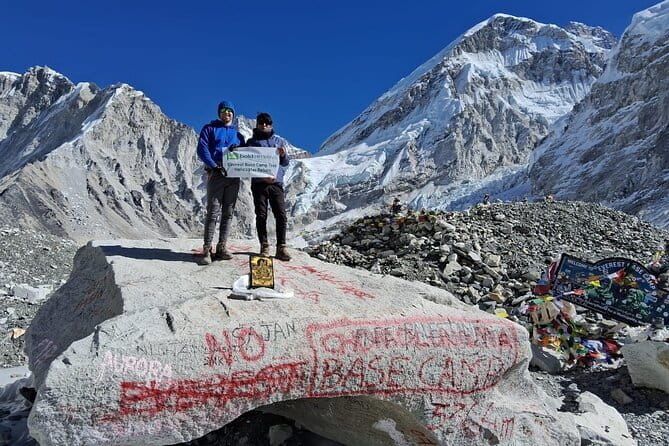
- Is the helicopter flight back included?
- What trekking support and equipment is included?
- What permits and entry fees are included?
- What’s the accommodation like during the trek?
- How many meals are included?
- Can you cancel and get a refund?
Key Points I’d Prioritize Before Booking
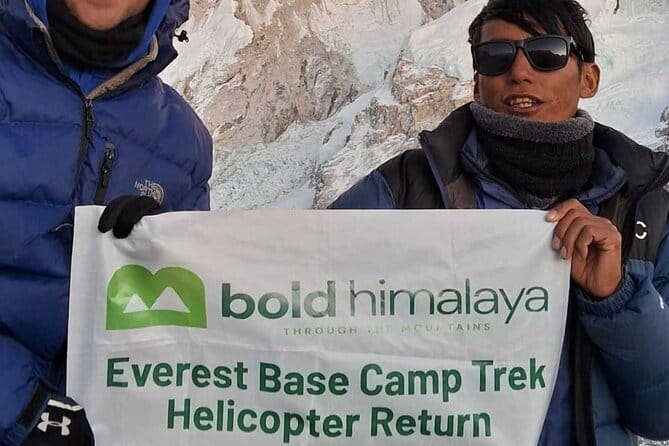
- Helicopter return (with a check needed): The itinerary includes it, but the package notes helicopter as not included—confirm what your total covers.
- A guide-and-crew setup: An experienced guide is included, and porter help is part of the trek structure (tips are extra).
- Altitude built into the route: Days at Namche, Dingboche, and a training hike to Nagarjun Peak help you adjust before the higher push.
- Permits and entry fees included: Sagarmatha National Park fees, TIMS, and local municipality entry are covered.
- Comfort matters in Kathmandu and on the trail: A Kathmandu hotel night plus consistent lodge standards were praised even during rough weather periods.
- Gear support if you need it: Sleeping bag, down jacket, and trekking poles are listed as included if you require them.
Why the Helicopter Return Changes the Whole Trek
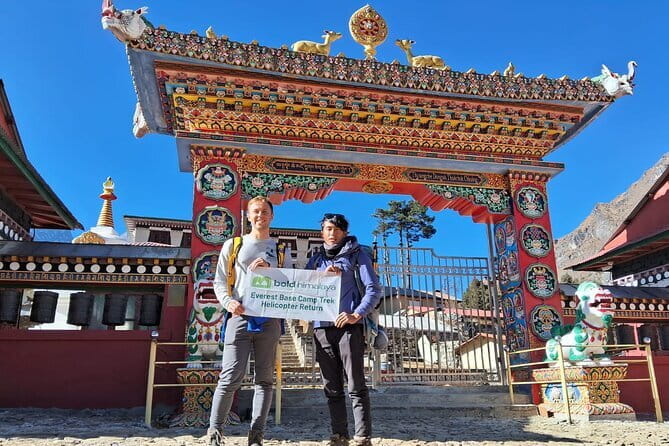
The Everest Base Camp trek is famous for its views and its grind. The grind is usually the return trip. This itinerary flips the script by finishing the hard part—getting to base camp—and then saving you the long trek back to Kathmandu by taking a helicopter from Gorak Shep.
That time-saver is the big value. If you’re traveling with limited vacation days, the helicopter return can turn “maybe I’ll do it” into “yes, I can do it.” It also keeps you safer in a practical way: fewer long hours walking at altitude when your legs are already tired.
One more thing: helicopter flights are weather dependent. The trip notes that the experience requires good weather, with the option of a different date or a full refund if it’s canceled due to poor conditions. So you should treat helicopter day as a high-priority weather watch day, not an “easy bonus” that always happens on schedule.
Important practical check: Your package info says helicopter from Gorakshep to Kathmandu is not included. The itinerary says it is. Before you book, ask for written confirmation of whether that helicopter segment is actually part of your payment and, if not, what the additional cost is.
You can also read our reviews of more tours and experiences in Kathmandu.
Kathmandu Warm-Up: Pickup, Briefing, and First Night Comfort
Your trip starts in Kathmandu with a pickup from Tribhuvan Airport. That matters more than it sounds. Kathmandu traffic can eat hours, and you’ll want that first evening to be calm, not chaotic.
After you get to the hotel, you’ll get an evening briefing. This is where you learn how the days are supposed to run—timing, what to pack, and what to expect from the trek schedule. Good briefings help you avoid the two classic problems on EBC trips: carrying the wrong stuff and showing up underprepared.
You’ll also have one night in Kathmandu (twin sharing, breakfast included). In real-world experience, Kathmandu comfort was highlighted, with specific mention of hot water and lodge comfort even during difficult conditions.
Another name that stood out in the feedback: Sobit (the manager) was described as very attentive from the first email exchange. Even if you never meet the manager in person, that kind of responsiveness often shows up later when flights, weather, or lodge situations change. You’ll feel the difference most when something doesn’t go as planned.
And yes, there’s a cultural show and dinner program in Kathmandu. It’s not why you came to Nepal—but it gives you a nice decompression moment before you head for the mountains.
Fly to Lukla: The Start That Feels Like a Nepal Film
Day 2 begins with a flight from Kathmandu to Lukla. The tour notes that Lukla may be reached via Kathmandu-to-Lukla flights, or from Ramechap to Lukla if needed. That flexibility is useful because flights in Nepal can be rescheduled by weather and air-traffic conditions.
Once you land, the trek starts by going downhill toward Phakding. This is a smart warm start. Instead of immediately climbing hard after your flight, you settle into motion. You’ll pass through alpine forests and travel along parts of the Khumbu region that feel more “human” than “high mountain.” It helps you get into rhythm: slow steps, frequent pauses, and steady breathing.
A key practical point: Lukla is where altitude can feel real before you even notice. The air is thinner, and your pace will change. That’s normal. Your guide should keep you moving steadily, not fast.
Phakding to Namche Bazaar: Bridges, Sherpa Villages, and Getting Oriented
Day 3 is the classic climb toward Namche Bazaar. You’ll pass through Himalayan Sherpa villages and cross the Dudhkoshi River via suspension bridges. Bridges sound simple, but on the Everest route they’re a big part of the feel of the place—long spans, big valley views, and that “you’re really in the Khumbu” feeling.
The day ends at Namche Bazaar. Namche isn’t just a waypoint. It’s a place where you adjust your attitude: rest, hydrate, and start learning the layout of the route you’ll follow. It’s also where you’ll pick up simple trekking confidence. You begin to understand which hills will cost you energy and which ones are just “noticeable.”
Then comes Day 4, where you get a chance to explore. You’ll have downtime in Namche, plus a visit to the Sherpa Museum (included). If you want context for what you’re trekking through—mountain culture, climbing history, and the Sherpa connection to the Himalaya—this stop helps you “read” the region instead of just walking through it.
In the afternoon, you hike to the Everest View Hotel for panoramic Mount Everest views. It’s a viewpoint day, not a grind day, which is exactly what you want after climbing toward Namche.
Tyangboche: Views, Lunch Breaks, and Temple Energy
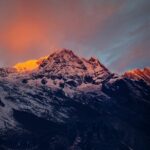
Day 5 continues to Tyangboche. This is one of the most scenic stretches on the EBC route, and the itinerary makes it clear you’ll be treated to views of Everest, Lhotse, and surrounding peaks along the way.
You’ll enjoy lunch in Phungi Thanga, then continue on to Tyangboche. Those small stops matter. On Everest treks, one good midday meal can be the difference between “I’m okay” and “I’m fading early.”
Once you arrive, you’ll visit a renowned monastery (spelled as part of the itinerary description). Whether you’re religious or not, monasteries in the Khumbu are a steady reminder that this is a working community, not just a photo set.
If you care about photography: these are the days when conditions can change fast. Bring a plan for clouds and sun. Don’t chase the perfect shot; chase the steady trek rhythm.
Dingboche and Nagarjun Peak: Acclimatization Without Guesswork
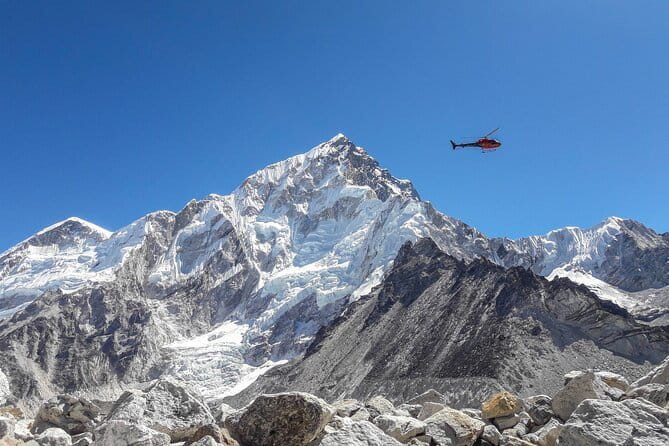
Day 6 takes you to Dingboche. You’ll cross a suspension bridge over the Imja Khola and pass through rhododendron forests and villages like Pangboche and Somare before reaching Dingboche.
Day 7 is your preparation day for higher altitude. You’ll explore Dingboche Valley and hike up to Nagarjun Peak. The itinerary specifically positions this as an acclimatization hike with 360-degree views.
This is the difference between doing Everest Base Camp and just “walking high.” You’re training your body to handle altitude. You don’t want to treat acclimatization like a suggestion. On this route, the plan is built so you gain experience at height before the big push.
As for pace: your guide should keep you moving slowly. The goal isn’t to win the hike. It’s to arrive at the next stage feeling steady.
Lobuche and Thukla Pass: The Distance Gets Serious
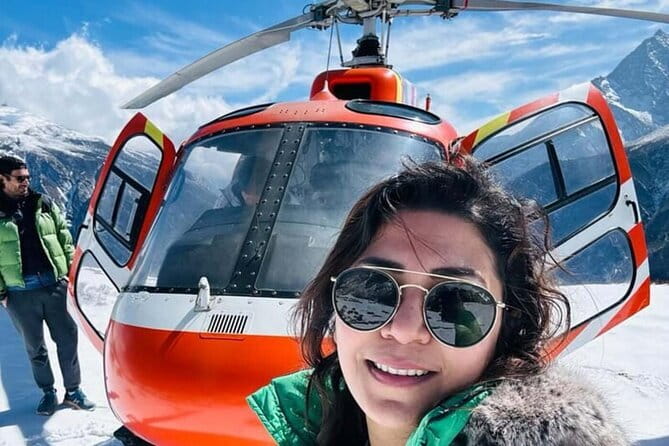
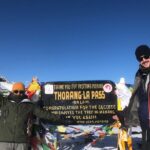
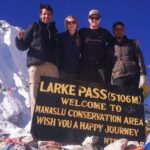
Day 8 moves you to Lobuche (listed at 4,940m). The trek passes through Thukla Pass, where there are memorials to climbers. That’s an emotional stop, and it also adds weight to the day. You might feel the urge to rush through, but slowing down here gives meaning to what you’re actually doing.
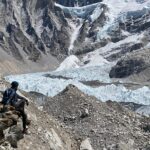
Then you reach Lobuche with close-up views of glaciers and the surrounding high terrain. Even if you’ve seen Everest from far away, this part is different. The mountains get more textured. Ice starts looking less like a concept and more like a structure.
This day is also where a “moderate physical fitness level” becomes real. If you’re coming in with good habits—water intake, steady pacing, no ego—you’ll handle it better. If you’re rushing, your legs will protest later.
Base Camp Day: Gorak Shep, Icefall Views, and a Big Finish
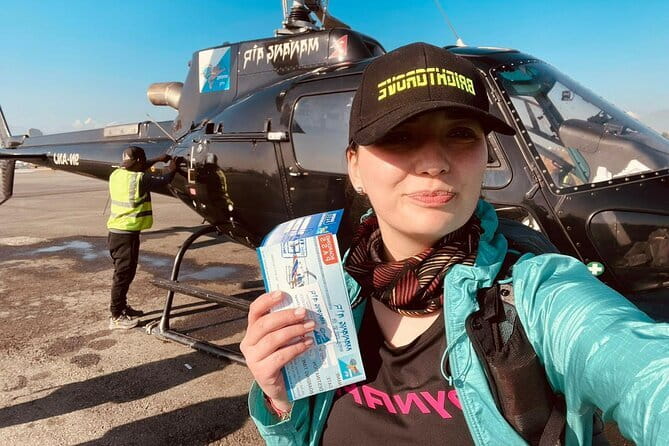
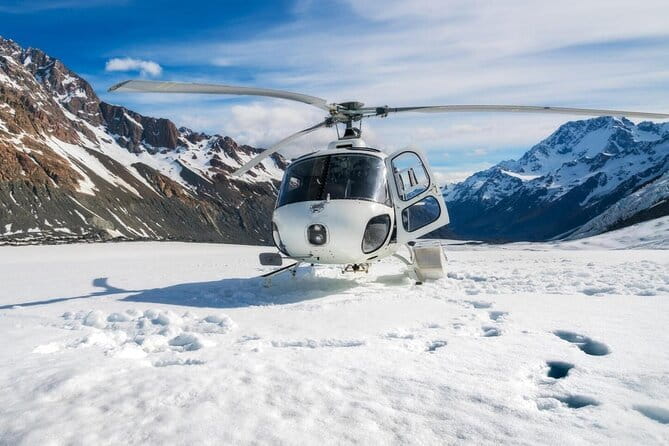
Day 9 is the highlight build: trek to Everest Base Camp at 5,364m and overnight in Gorak Shep (5,170m). First, you’ll trek to Gorak Shep and leave your gear, then continue onward to base camp. That’s a practical strategy: lighten the load for the highest effort.
The route includes views of the Khumbu Icefall. That’s the big “wow” in the Everest approach—towering ice formations that look both fragile and unstoppable.
Once you reach base camp, you’ll likely notice the contrast between the harsh altitude and the sense of organized life around you: tents, expedition activity, and the feeling that the mountain is doing something different today than it did yesterday.
Then you overnight in Gorak Shep. The itinerary lists “5-6 hours” and the next day you’re up early again. So yes, you’re stacking effort. But it’s also why the helicopter option on Day 10 feels like a gift.
Kala Patthar Sunrise and the Helicopter Back to Kathmandu
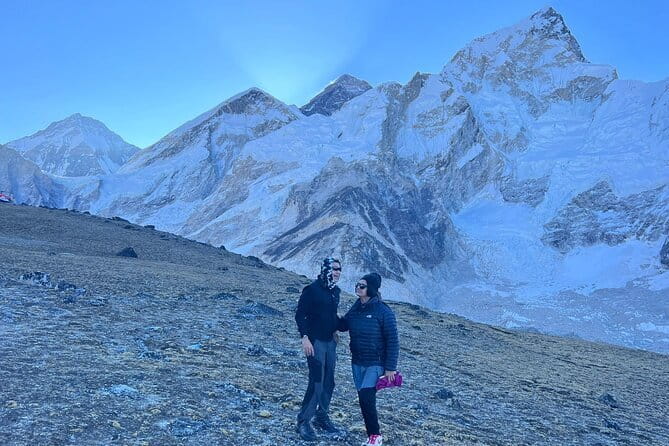
Day 10 starts early with a hike to Kala Patthar (5,550m). This is one of those “yes, it’s hard, but it’s worth it” days. The key point in your itinerary: sunrise and panoramic Himalayan views.
If you’re a morning person, great. If you’re not, you’ll still do it—because the payoff is the view, not your comfort. Expect the cold to be more noticeable at these elevations, even if the sun is coming.
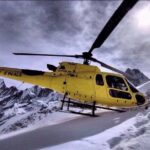
After Kala Patthar, you return to Gorak Shep and board a helicopter to Kathmandu. You’ll then transfer to your next lodging.
Because helicopter service is weather dependent, treat this as the day where you stay flexible. The weather requirement and the cancellation/refund option are there for a reason. Plan to avoid tight connections right after your helicopter arrival if you can.
And one more real-world note from the feedback: lodge comfort and hot water were repeatedly praised when conditions disrupted schedules. So on the final leg, having a well-organized return day matters for how you feel during the landing phase.
Logistics, Fitness, and Gear You’ll Actually Care About
This trek is listed for travelers with moderate physical fitness. That doesn’t mean “easy.” It means you’re expected to handle consistent uphill trekking days and long periods at altitude.
Transportation-wise, you get domestic flight support (Kathmandu–Lukla, or Ramechap–Lukla). You also get private transportation and hotel pickup. In Nepal, that reduces stress on the days when you most need to conserve energy.
Gear is another practical win. The included list mentions sleeping bag, down jacket, and trekking poles (if you need return after trekking). It also includes a duffle bag, cap, and trip certificate.
That said, you’ll still want to bring your own basics: layers, gloves you can actually use, good socks, and a water plan. The included equipment won’t magically fix poor layering. It just lowers the cost and reduces packing pressure.
Finally, this is private for your group only, not a big mixed crowd. That can make pacing and communication easier with your guide.
Price and Logistics: Is $446.50 Good Value Here?
At $446.50 per person for a roughly 10-day trip, the value comes from what’s bundled, not from the sticker price.
Included items of real monetary weight:
- Domestic flights between Kathmandu and Lukla (or Ramechap)
- A Kathmandu hotel night (twin sharing) with breakfast
- An experienced trekking guide with salary, insurance, plus food and accommodation for the trekking crew
- National park and local fees (Sagarmatha National Park, TIMS, and municipal entrance fee)
- Meals listed as breakfast (9), lunch (8), dinner (8)
- Trekking gear support (sleeping bag, down jacket, trekking poles when needed)
- Private transportation and some seasonal fruit and dry nuts on the trek
- One cultural show and dinner program in Kathmandu
The cost risk to confirm:
- Helicopter flight back is the whole pitch, but the not-included list says the Gorakshep to Kathmandu helicopter isn’t included. That mismatch is worth clearing up in writing.
What’s not included, which can add up:
- Tips for the trekking crew members
- Porters
- International air ticket and travel insurance
- Dessert and bar bills
My practical take: if the helicopter segment is truly included in your total, this is strong value for a high-cost region where flights and permits matter. If it’s not included, you should factor the added helicopter expense before calling it a bargain.
Who This Trip Suits (and Who Should Skip It)
I think this tour fits best if you:
- Want Everest Base Camp without committing to a full round-trip trek back
- Have about 10 days and want a plan that’s organized by altitude stages
- Like the idea of a guided experience with permits and logistics handled
- Prefer solid lodge comfort—especially at the start and finish when energy matters most
I’d be more cautious if you:
- Want a fully “trek-only” challenge with zero reliance on helicopter transport
- Are booking last-minute with unpredictable weather and tight schedules
- Don’t want to deal with the real altitude effort of Kala Patthar and the base camp approach
The good news: the itinerary includes acclimatization days (Namche area time, Dingboche prep, Nagarjun Peak). That helps you avoid the worst kinds of Everest mistakes: going too fast and relying on luck.
Should You Book Everest Base Camp With Helicopter Return?
If you’re aiming for Everest Base Camp but you also want your vacation to feel like a trip—not a survival march—this is a smart format. The combination of a planned trekking route with a helicopter finish can make the whole experience feel more achievable and less punishing.
Just do one non-negotiable step before you book: confirm whether the helicopter flight from Gorak Shep to Kathmandu is actually included in the price you’re paying. After that, you can focus on what matters most: showing up with moderate fitness, dressing in layers, and letting the acclimatization days do their job.
If your dates are flexible and you’re comfortable hiking at altitude, I’d say yes—this one has the right balance of adventure, structure, and comfort.
FAQ
How long is the Everest Base Camp trek with helicopter return?
It’s approximately 10 days, starting in Kathmandu and including flights to Lukla, trekking through the Khumbu region, a sunrise hike at Kala Patthar, and a helicopter flight back to Kathmandu.
Where does the trip start in Kathmandu?
The meeting point is Tribhuvan Airport in Kathmandu, Nepal, with pickup offered.
Do you fly to Lukla, or trek from Kathmandu?
You fly from Kathmandu to Lukla as part of the itinerary (or from Ramechap to Lukla if required).
Is the helicopter flight back included?
The itinerary includes a helicopter flight from Gorak Shep to Kathmandu. However, the not-included section lists the helicopter flight from Gorakshep to Kathmandu. You should confirm what’s included in the final price.
What trekking support and equipment is included?
An experienced trekking guide is included. The tour also lists sleeping bag, down jacket, and trekking poles (if needed), plus a duffle bag, cap, and a trip certificate.
What permits and entry fees are included?
The tour includes Sagarmatha National Park entrance fee, Pasang Lhamu Rural Municipality entrance fee, and TIMS.
What’s the accommodation like during the trek?
You’ll have overnight stops in lodges/guesthouse-style accommodation along the route, and one night in Kathmandu in a twin-sharing hotel room with breakfast.
How many meals are included?
The included meals list breakfast (9), lunch (8), and dinner (8), plus some seasonal fruit and dry nuts during the trek.
Can you cancel and get a refund?
Yes. Free cancellation is offered if you cancel up to 24 hours in advance for a full refund. If it’s canceled due to poor weather, you’ll be offered a different date or a full refund.