REVIEW · KATHMANDU
Everest base camp trek & Heli return
Book on Viator →Operated by Himalayan Mentor · Bookable on Viator
Everest is close enough to feel real here. This 7-day route strings together Lukla–to–Everest Base Camp hiking with a helicopter return, so you spend less time on the long downhill shuffle and more time actually walking in the Khumbu.
I like that the itinerary is built around practical altitudes and pacing: Namche Bazaar, Tengboche, Dingboche, then Lobuche, before the big push to Gorakshep and Base Camp. I also like the human side of it—an English-speaking, government-licensed trekking guide, plus dependable coordination from the Himalayan Mentor team (including names like Padam and Kesh popping up in past experiences).
One consideration: you need solid physical fitness for a one-week high-altitude trek, and weather can affect flights. If you’re the kind of traveler who hates schedule shifts, plan for flexibility.
In This Review
- Quick hits before you go
- Lukla to Phakding: starting fast in the Khumbu
- Namche Bazaar at 3,500m: the acclimation checkpoint
- Tengboche: rhododendron forests, Mani walls, and big views
- Dingboche: bridges over Imja Khola and a long day of gradual climb
- Lobuche: Ama Dablam, Lhotse, and the Everest wall feeling
- Base Camp day from Gorakshep: the big altitude hit
- Kala Patthar and the helicopter home: your last high-water mark
- Price and logistics: is $3,195 really value?
- Tea house nights: what “included” looks like at altitude
- Your guide and crew: where the experience gets human
- Who this one-week Everest Base Camp trek fits best
- Should you book this Everest Base Camp trek with heli return?
- FAQ
- How long is the Everest Base Camp trek and heli return?
- Where does the tour start, and what time do you meet?
- Is this a round-trip trek or a one-way trek?
- How do you get from Kathmandu to Lukla?
- Do you fly back to Kathmandu by helicopter?
- What lodging is included during the trek?
- Are meals included?
- What’s included besides flights and lodging?
- What is not included in the price?
- Can I cancel or change the booking for a refund?
Quick hits before you go
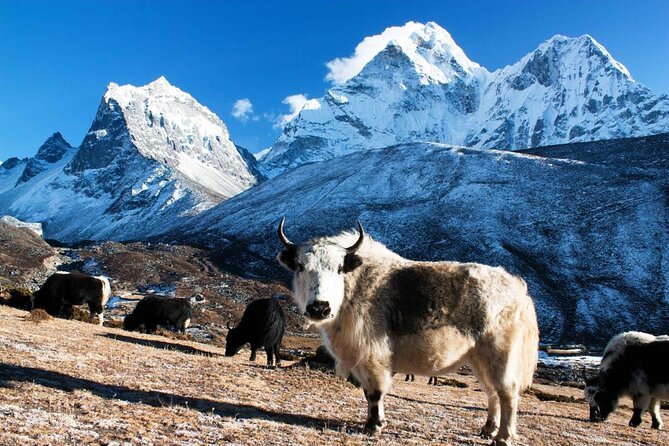
- Heli return saves time: after reaching Kala Patthar, you fly back from Gorakshep to Kathmandu rather than retracing every step.
- A licensed English-speaking guide: the trekking guide is government licensed, so you get real context on trail, altitude, and safety.
- Tea house lodging every night: your overnight stays are handled, with the usual basics you should expect at elevation.
- Altitude milestones, not just views: Namche (3,500m), Tengboche (3,870m), Dingboche (high 4,000s), then the Base Camp approach.
- Small group feel: the tour caps at 15 travelers, which usually means less chaos on the trail.
Lukla to Phakding: starting fast in the Khumbu
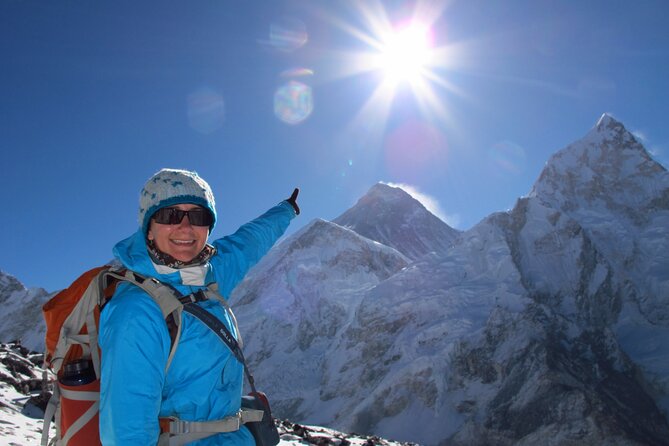
Day 1 is a classic Khumbu wake-up call. You fly early from Kathmandu to Lukla, then start hiking to Phakding (around 2,600m). The time on your feet is listed as about 3 to 4 hours, which is a good warm start after the flight.
Why this day matters: it’s your first taste of the rhythm. You’ll be walking on a trail that feels busy compared to later days, with steady flow through villages and tea houses. If your legs are still “switching on,” this is the day to keep your pace smooth and don’t chase speed.
A practical tip: after the Lukla flight, you’ll likely feel a little restless. I’d treat the first hours as setup time—get water taken care of, check your layers, and settle into the day’s pace.
You can also read our reviews of more tours and experiences in Kathmandu.
Namche Bazaar at 3,500m: the acclimation checkpoint
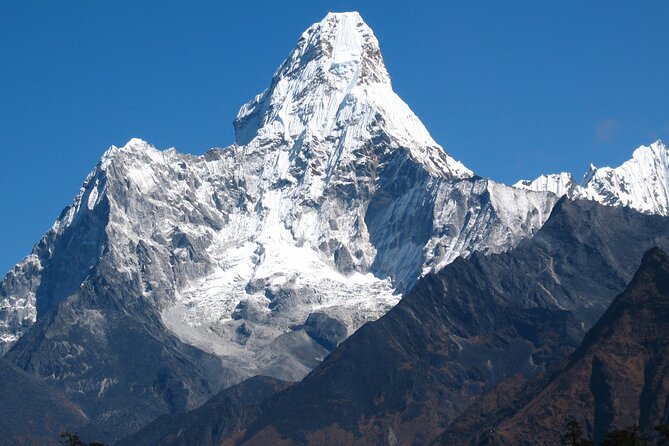
On Day 2, you climb from Phakding to Namche Bazaar (about 3,500m) in roughly 4 to 5 hours. This is one of the most important stops on the route—not because Namche is flashy, but because it’s where your body starts asking serious questions.
The itinerary gives you both hiking and time to explore in the late afternoon. That matters because a short walk around town can help you get your bearings fast—without jumping immediately into a hard evening push.
What you’ll likely feel here is altitude pressure, not just the effort of hiking. If you start getting a headache or that “too-tight lungs” feeling, I’d keep the rest of your afternoon gentle. Your goal is to arrive, breathe, and let your body adjust.
Tengboche: rhododendron forests, Mani walls, and big views
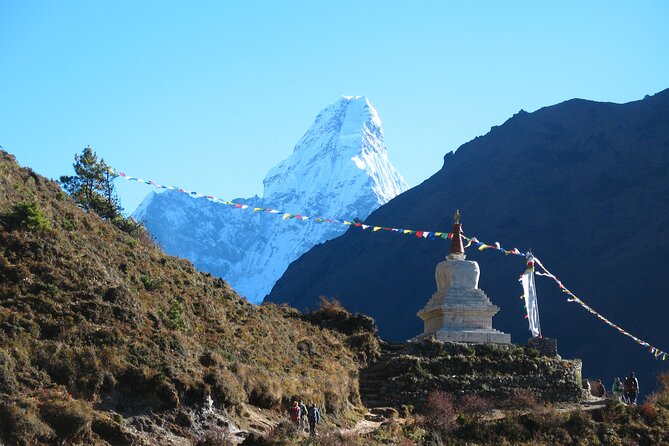
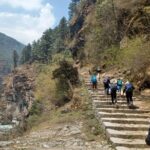
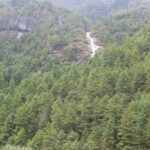
Day 3 takes you from Namche to Tengboche (about 3,870m), about 4 to 5 hours. The trail described on your route goes through rhododendron forests, past Mani walls and chortens, and you’ll get panoramic Himalayan views along the way.
This day is special because it often feels more open than the early village-to-village slog. When the weather cooperates, the views can make the climb feel easier. When clouds sit low, the forest scenes still keep things grounded and real.
One consideration: at this height, you can still get cold quickly, especially if the wind is up near viewpoints. I’d plan on layers you can add and remove fast, and gloves if you hate cold hands.
Dingboche: bridges over Imja Khola and a long day of gradual climb
Day 4 moves you onward to Dingboche. The route goes downhill at first through rhododendron forest to Deboche, crosses an exciting bridge over the roaring Imja Khola, then climbs gradually through Pangboche and Somare village.
It’s listed around 6 hours, so give yourself mental space for a long-ish day. The bridge moment matters because the terrain is real and dramatic—one of those places where the trail gets more “adventure” and less “walking tour.”
How to handle the day: keep your breathing steady and don’t let the excitement make you speed up. Even when it feels like you’re making good time, slow control is what helps your body handle the altitude better.
Lobuche: Ama Dablam, Lhotse, and the Everest wall feeling
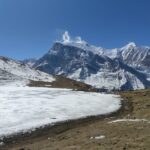
Day 5 takes you to Lobuche (about 6 hours). The itinerary highlights the views you’ll be looking at along the way: Ama-dablam, Lhotse, Phortse peak, and Cholatse, with a route passing through the Dughla area before continuing onward.
This is one of those days where the scenery can mess with your sense of distance. When mountains start appearing in full view, it feels like progress should be instant. It’s not. Lobuche arrives after work, not magic.
This is also a psychological turning point. You’re now close enough to Everest’s world that the Base Camp day feels like it’s looming right over the next hill. If you sleep well tonight, you’ll enjoy Day 6 much more.
Base Camp day from Gorakshep: the big altitude hit
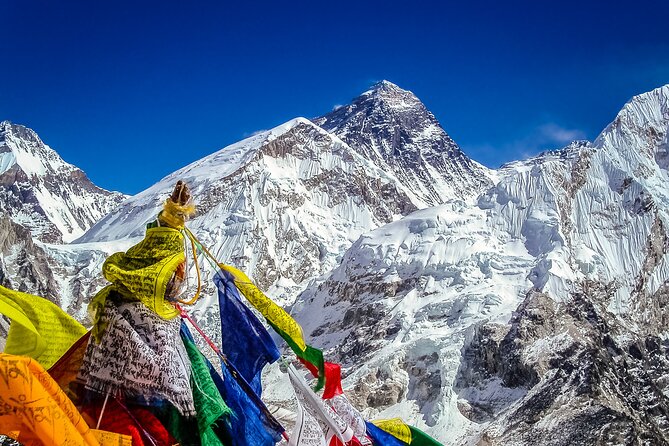
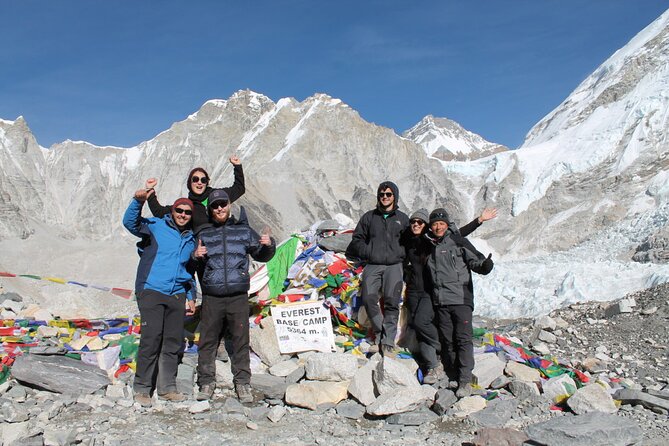
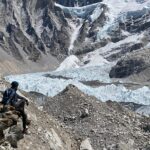
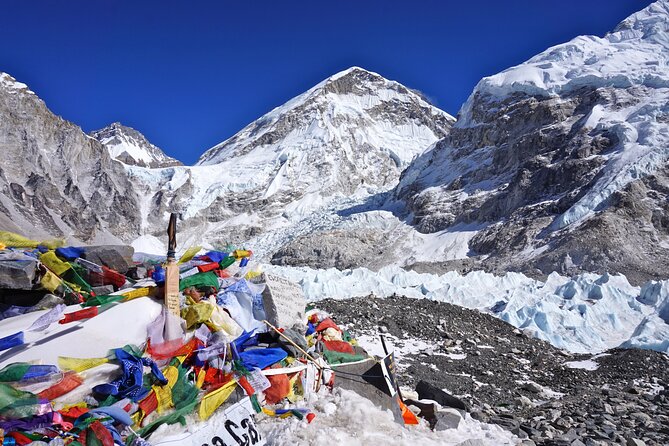
Day 6 is the headline: Everest Base Camp via Gorakshep. You’ll trek to Gorakshep first (around the Base Camp approach zone), have lunch, and then continue up to Everest Base Camp at about 5,364m. After visiting, you return to Gorakshep for overnight.
The walk time listed is about 7 hours, so expect this to feel like the hardest day of the week. Even if your legs are fine early, the altitude can raise the effort level. Base Camp is not just a destination—it’s a cold, thin-air test of patience.
What I love about this setup is the structure. You don’t go straight to Base Camp and then call it a day. You break it into sections with Gorakshep in the middle, which helps you manage energy and get a steady rhythm.
Practical reality: at these heights, pacing matters more than mood. If you start feeling lightheaded or unusually tired, you don’t “push through” for pride. You slow down and follow your guide’s lead.
Kala Patthar and the helicopter home: your last high-water mark
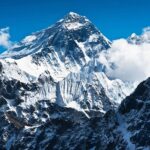
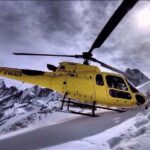
Day 7 starts early with a trek to Kala Patthar (about 5,545m). It’s your final destination on the hiking side, timed for stunning views of Mt. Everest and surrounding peaks. Afterward, you head back to Gorakshep for breakfast, then fly by helicopter back to Kathmandu.
The time listed for the morning trek is short compared to other days, but it’s at the highest altitude on this route, so it still feels serious. This is the day where you’ll either feel proud and energized—or it will feel like your legs are made of sand. Either way, it’s worth treating it as a controlled climb.
Why the helicopter return is a big deal: it cuts the emotional and physical burden of the long descent. Instead of spending your final day re-walking down elevation, you get to move toward normal air and normal beds.
One more note: you’re doing a sharing helicopter back to Kathmandu, so don’t plan on tight connections right after landing. Keep room for delays in your wider travel schedule.
Price and logistics: is $3,195 really value?
At $3,195 per person, this isn’t a budget trek. But it includes a lot that would cost extra if you planned it yourself.
Here’s what you’re getting in the package:
- Airport transfers for arrival and departure
- Kathmandu to Lukla flight
- Guided trekking with an English-speaking, government-licensed guide
- Tea house lodging
- Necessary permits and entrance fees
- Meals listed as 6 breakfasts, 6 lunches, and 6 dinners
- Gorakshep to Kathmandu helicopter return
From a value standpoint, the biggest cost driver is the helicopter. If you’ve ever looked at how expensive last-minute air changes can be in Nepal, you’ll understand why the pricing feels high—but also why it might feel fair if everything runs on schedule.
Where value can shift: if weather disrupts flights, you may deal with changes. The good news is you’re not on your own—coordination is part of what you’re paying for.
Tea house nights: what “included” looks like at altitude
You’re staying in tea house lodges each night. That means you’re not living in a high-end hotel bubble. Expect simple rooms, basic meals, and warm-ish common areas if you’re lucky with the heating situation.
The practical upside: tea houses are everywhere along this route, so you’re not forced into complicated planning. Meals are included (as listed), which helps keep your budget under control on a trek where spending can add up fast—charging, hot water, extra drinks, and so on.
What you should bring mentally: tea house comforts are not the same each night, and weather changes can affect heating and availability of hot water. I’d pack patience alongside your layers.
Your guide and crew: where the experience gets human
The trek isn’t just about points on a map. It’s about having someone who can help you interpret what’s happening around you—altitude symptoms, trail conditions, and timing.
Past experiences with this operator include standout service from guides like Padam, praised for years of mountain experience and strong English. Coordination leadership is also a theme, with Kesh mentioned as being responsive and helpful, including staying in contact during weather delays.
Another small but telling detail from past experiences: one person needed forgotten boots, and help was provided to find them. That’s not an “excursion” detail. It’s the kind of problem-solving that makes a trek feel smoother.
Who this one-week Everest Base Camp trek fits best
This itinerary is aimed at people with moderate physical fitness who want to reach Everest Base Camp and Kala Patthar in about a week, without the longer return hike.
It’s a great match if:
- You want a tight time window (7 days approx.)
- You’re okay with altitude and can pace yourself
- You prefer the idea of flying back rather than repeating a long descent day
It’s a weaker match if:
- You hate early mornings and high-altitude exertion
- You need a schedule you can’t adjust if weather hits
- You’re counting on a Kathmandu hotel being included (it isn’t)
Should you book this Everest Base Camp trek with heli return?
If you want Everest Base Camp without turning your entire week into a back-and-forth trek, this format makes sense. The combination of trekking days plus a helicopter return is designed for travelers who want the big moments—Base Camp, Kala Patthar views—and don’t want to spend your last day trudging downhill.
I’d book if you’re prepared for altitude work and early starts, and if you’ll keep your overall travel schedule flexible. I’d think twice if you’re very price-sensitive or if you’re the type who needs everything fixed to the hour.
Bottom line: you’re paying for time saved, logistics handled, and the chance to do the hardest parts on purpose—not as a detour.
FAQ
How long is the Everest Base Camp trek and heli return?
It’s listed as 7 days (approx.).
Where does the tour start, and what time do you meet?
The start meeting point is the TIA Domestic Terminal parking lot, Kathmandu, and the listed start time is 5:15 am.
Is this a round-trip trek or a one-way trek?
It’s described as a one-way trek plus a one-way chopper flight trip back to Kathmandu.
How do you get from Kathmandu to Lukla?
You take a Kathmandu to Lukla flight.
Do you fly back to Kathmandu by helicopter?
Yes. The itinerary includes a Gorakshep to Kathmandu helicopter flight (sharing).
What lodging is included during the trek?
Overnight accommodation during the trek is in tea house lodges.
Are meals included?
Yes. Meals listed include 6 breakfasts, 6 lunches, and 6 dinners.
What’s included besides flights and lodging?
Included items are airport transfers (pickup and drop), necessary trekking permit & entrance fee, and support staff including an English-speaking, government-licensed trekking guide.
What is not included in the price?
Not included: hotels in Kathmandu before/after the trek, personal expenses like charging, wifi, beverages, mineral water, and hot showers, plus travel insurance/emergency evacuation costs and personal trekking gear.
Can I cancel or change the booking for a refund?
This experience is non-refundable and cannot be changed for any reason. If you cancel or request an amendment, the amount paid is not refunded.