REVIEW · KATHMANDU
14 Days Luxury Annapurna Base Camp Trek
Book on Viator →Operated by Welcome Nepal Treks P.ltd · Bookable on Viator
One of the best things about the Annapurna region is how fast it changes. In two weeks you’ll go from Kathmandu city comfort to forest trails, Gurung villages, and the kind of mountain views that make your brain go quiet. This trip leans into that contrast with 5-star hotels before and after the trek, plus guide-and-porter support so you can focus on walking and weather.
I really like the way the walking days are structured for steady progress. You’ll get realistic days like Dhampus to Landruk and Chhomrong to Ghandruk (with teahouse nights), then a highlight push to Annapurna Base Camp with clear altitude guidance so you don’t rush it.
The main drawback to consider is altitude and pace. The plan includes high-altitude sections where oxygen can feel thin, and you’ll need to slow down when asked, even if you feel good at lower elevations.
In This Review
- Key Things That Make This Trek Work
- Kathmandu to Pokhara: Luxury Reset Before the Climb
- Dhampus to Landruk: Forest Walking That Teaches You the Rhythm
- Landruk to Chhomrong: The Day the Views Get Serious
- Chomro Khola Suspension Bridge to Sinuwa: Where the Trail Turns to Drama
- Deurali Without Settlement Noise: A Wilderness-Feeling Day
- Annapurna Base Camp: Oxygen Patience and the Big Moment
- Machhapuchhare Base Camp Sunrise and the Walk Back to Dovan
- Chhomrong to Ghandruk: Culture, Views, and a UNESCO Village
- Nayapul to Pokhara and Back to Kathmandu: Finishing With Real Comfort
- Price and Value: What $2,666.67 Buys You
- Guide, Porter, and the Little Details That Matter
- Who Should Choose This Luxury Annapurna Base Camp Trek
- Practical Packing Notes From What’s Not Included
- Should You Book This 14-Day Luxury Annapurna Trek?
- FAQ
- What is the trek duration?
- Where does the tour start?
- Is airport pickup and drop included?
- What kind of accommodation is included in Kathmandu and Pokhara?
- Are meals included during the trek?
- Are permits and paper work included?
- Do I need a sleeping bag and down jacket?
- Is there a guide and porter service?
- Is this tour private?
- What if I cancel?
Key Things That Make This Trek Work
- 5-star hotel comfort in Kathmandu and Pokhara before and after the hike
- Private group experience: only your group participates
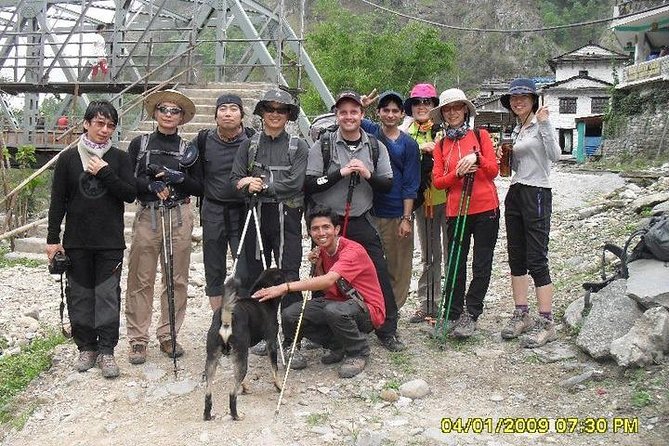
- An expert guide plus porters (1 porter for 2 people), which cuts stress on heavier loads
- Luxury-style lodge expectations on the trek compared with basic-only routes
- Sunrise payoff days, built around early starts and big mountain morning light
Kathmandu to Pokhara: Luxury Reset Before the Climb
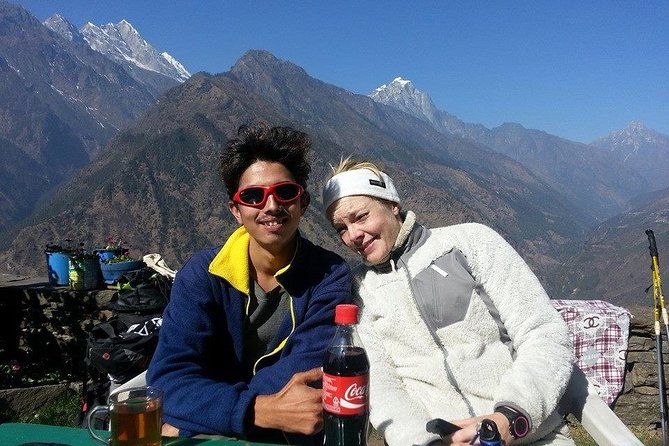
Your trip starts in Kathmandu with a meet-and-transfer to a hotel, plus a short trek briefing after you’ve had time to refresh. This matters more than it sounds. When you arrive in Nepal, you’re hit with new routines fast. Getting the plan explained up front helps you walk the next day with your head in the right place, not guessing.
Then comes Pokhara. You’ll travel by car (about 7 hours) or by flight (about 30 minutes), and you stay at a 5-star lakeside hotel. That lakeside setting is a real mental breather before your first trek day. You’ll also be able to sort small items you forgot: power banks, extra water bottles, blister supplies, and the usual little stuff that becomes annoying later.
One of the quiet wins here: airport pickup and drop are handled by private vehicle. That saves time and cuts down on uncertainty when you land.
You can also read our reviews of more tours and experiences in Kathmandu.

Dhampus to Landruk: Forest Walking That Teaches You the Rhythm
Day 3 begins with a short drive to Phedi, where the trek actually starts. From there you hike to Dhampus (around 1,600 meters) and sleep in a teahouse. This is a smart first move: you’re walking early enough to feel the mountains, but you’re not immediately thrown into the highest effort of the whole trip.
Day 4 shifts you toward Landruk. The trail climbs up from Dhampus to Deurali (around 2,100 meters), then drops through rain forest jungle to Landruk. Expect about 5 hours of walking on that day. If you’re the type who gets antsy at the start, this is where you learn the rhythm: climb steadily, breathe often, and don’t measure your day by how good you feel at each village stop.
This section also sets you up for later views. Landruk is a great place to slow down and look back at how far the valley has opened up behind you. Nights here give you a taste of tea house life without the extreme altitude pressure.
Landruk to Chhomrong: The Day the Views Get Serious
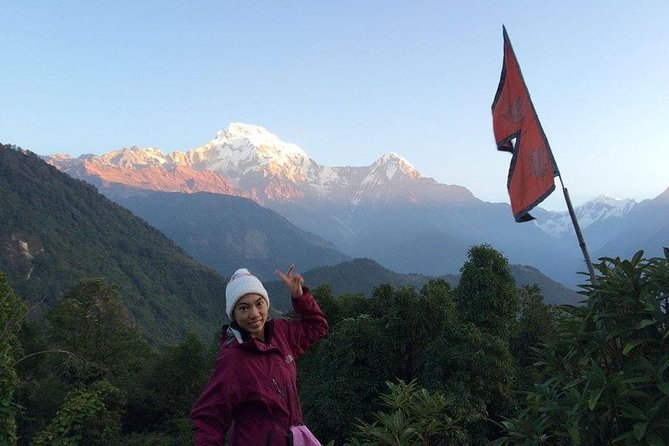
From Landruk you head toward Chhomrong. The trail follows the Modi River banks for a stretch, then passes through local villages and forest. After Jhinu Danda, you gain elevation again for about an hour to reach Chhomrong.
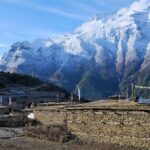
Chhomrong is one of the best spots on the route for dramatic mountain perspectives, including Annapurna South, Hiuchuli, and Fishtail. It’s the kind of view where you’ll want to step outside at multiple times of day—morning light feels different from late afternoon haze. If you’re traveling with a camera, this is a good day to be ready.
One practical consideration: after a day with both descent and a final climb, your legs can feel heavy even if the distance isn’t huge. That’s normal. Drink water, eat what you can, and try to keep your pace relaxed. Your guide’s job is partly to keep you from walking too fast because you’re excited.
Chomro Khola Suspension Bridge to Sinuwa: Where the Trail Turns to Drama
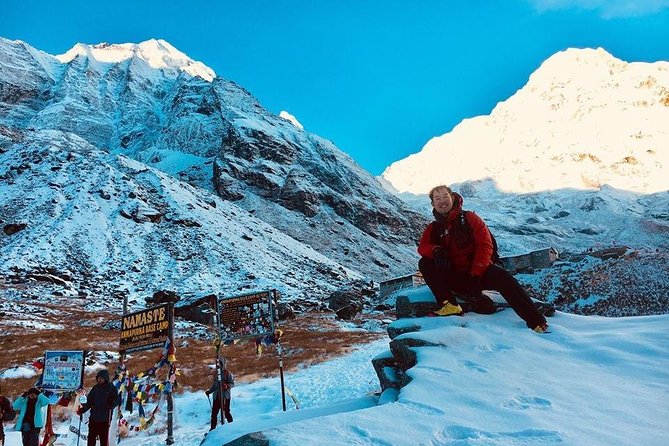
Day 6 is a classic Annapurna-region experience. You start by descending to a suspension bridge over the Chomro Khola, then you climb steeply at first. Along the way you’ll pass places like Tilche, Bhanuwa, and Sherpa Lodge, then continue up to scattered lodges including Sinuwa.
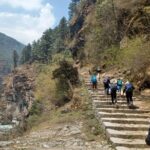
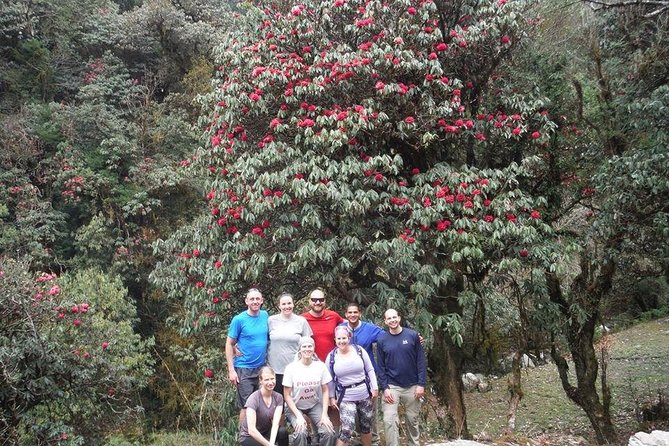
Sinuwa is listed as a perfect stop to admire the view back down the valley. You’ll also get a panoramic look at Mt. Fishtail from this general area. The trail changes character here too—wide stone steps and mixed rhododendron forest. In April, rhododendron color is called out, so if you’re traveling in spring, your eyes will get a visual bonus on top of the mountain backdrop.
This day is also a good reminder that “luxury” on a trek doesn’t mean a spa and it doesn’t mean flat. You’re still hiking in the mountains. What luxury can mean here is better lodge comfort and smoother organization—meals provided during trekking days, and a guide and porter system that keeps you from managing everything yourself.
Deurali Without Settlement Noise: A Wilderness-Feeling Day
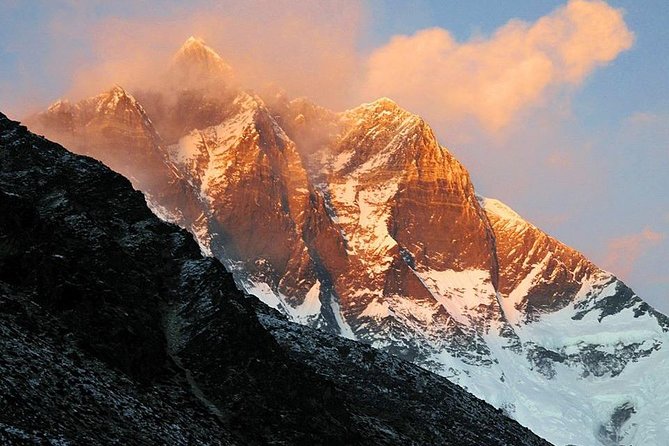
On Day 7, the plan shifts into more solitude. The route notes that you don’t find permanent settlement along this trail, which is one of the reasons it can feel wild. You’ll walk about 4 hours before reaching Deurali from Dovan, then sleep in a local lodge.
There’s also a specific wildlife note in the route description: if you walk quietly, you might have a chance to see animals like wild pig, deer, and even snow leopard. You should treat that as a hope, not a guarantee—but the fact that the route emphasizes quiet walking says something. When the day is less busy, you notice sounds more. It’s a different kind of trekking satisfaction: less photo-forced, more nature-on-your-terms.
This is also a day where altitude tends to start feeling more real for many people. If you’ve had altitude before, you know the rule: you don’t beat altitude by being stubborn. You manage it by pacing, slow breathing, and staying calm.
Annapurna Base Camp: Oxygen Patience and the Big Moment
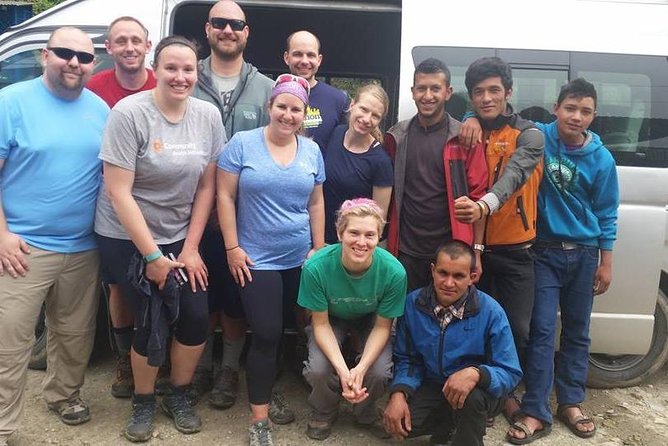
Day 8 is the main event—Annapurna Base Camp. The route calls out that this is high-altitude, and you might feel a shortage of oxygen, so you’re advised to walk slowly. That’s not just a safety note; it changes how the day feels. When you pace correctly, you reach the goal with enough energy to enjoy it, not just survive it.
The day includes about 3 hours of trekking to reach ABC, then you stay in a local lodge. The reward is close mountain viewing plus waterfalls in the surrounding area. Even if you’re not a hardcore hiker, ABC tends to hit a sweet spot: you feel like you’re finally inside the mountain world, not orbiting it.
Teahouse practicality matters here. At high altitude, things can feel slower—hot water and food availability may vary by lodge and day. Still, this tour includes your standard meals (breakfast, lunch, dinner) during trekking days, which keeps the stress level down.
Machhapuchhare Base Camp Sunrise and the Walk Back to Dovan
Day 9 is built around a morning push. You wake early and trek to Machhapuchhare Base Camp to see sunrise and mountain views, then return to Dovan for the night.
Early starts are always a tradeoff: you get your payoff, but you lose sleep. The trick is to treat sunrise day as a planned event, not an accident. Wear the same layers you used the night before, because temperatures at altitude can drop fast. You’ll likely spend the day moving between comfort and cold, so layered clothing is key.
This day also has a psychological balance. After the intensity of ABC, you don’t just go straight down to “easy mode.” Instead, you do another altitude-day highlight, then you settle back at Dovan. That keeps your sense of progress intact and prevents the classic letdown feeling some people get when the big day is over too quickly.
Chhomrong to Ghandruk: Culture, Views, and a UNESCO Village
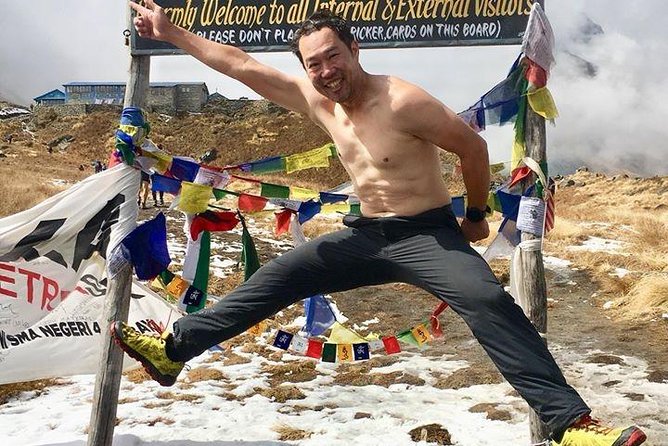
Day 10 returns you to Chhomrong. From Dovan after breakfast, you trek back and spend the night in a teahouse. This is a useful day for recovery too. You’re not starting from scratch. You’ve already learned how your body responds to the trail.
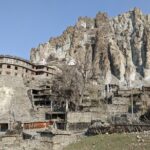
Day 11 then brings you to Ghandruk. The hike has a bit of variety: straight and slightly downhill, crossing Kimrung Khola, then gradually going up to reach a small village and finally Ghandruk. Ghandruk is described as a famous and beautiful Gurung settlement and is listed on UNESCO’s World Heritage Site.
This is one of the cultural anchors of the trip. Instead of only thinking about mountains, you also get to see daily life in a community shaped by trekking and Himalayan seasons. There’s even an option for a cultural show in the evening on request. It won’t be the same for every schedule, but having the chance keeps the experience from becoming a pure “walk and eat” routine.
Nayapul to Pokhara and Back to Kathmandu: Finishing With Real Comfort
Day 12 sends you from the trek world into a more relaxed travel day. You walk through paddy fields and local settlements for about 4 hours to reach Nayapul, then drive to Pokhara. You spend another night at a 5-star hotel.
Paddy fields are a nice contrast after the high-altitude days. It’s a visual reminder that you’re moving down the mountain toward warmer, more human-scaled terrain.
Day 13 brings you back to Kathmandu either by drive or by flight from Pokhara, followed by another overnight in a 5-star hotel. Day 14 gives you free time for shopping or rest, then you’re dropped to the airport by private car.
That end-of-trip comfort is a real part of the value. Many treks leave you rough and tired at the exact moment you want to shower, repack, and feel like a person again. Here, the plan gives you that buffer.
Price and Value: What $2,666.67 Buys You
At $2,666.67 per person, this is not a cheap trek. But it’s also not just a “walk in the mountains” package.
Here’s what you’re paying for, based on what’s included:
- Deluxe 5-star accommodation in Kathmandu and Pokhara before and after the trek
- Two-night deluxe stay in Pokhara
- Guide and porter support, including insurance and meals for them
- Meals during trekking days (breakfast, lunch, dinner)
- Conservation entry permits and paper work
- Private ground transport for transfers between key points
You’re also getting the “private tour” angle: only your group participates, so you’re not stuck in a mixed-speed crowd.
What you should budget extra:
- City meals in Kathmandu and Pokhara
- Personal expenses like bar bills, water, tea/coffee, snacks, and shower costs
- Trek clothing and gear not included, like a sleeping bag and down jacket
So the value question isn’t only the price tag. It’s whether you want the effort of organizing less of the trip. If you’d rather hike and let others handle logistics, this package makes sense. If you want a bare-bones trekking experience and you don’t care about city hotel level, you can likely find cheaper routes—but you’ll trade off comfort and convenience.
Guide, Porter, and the Little Details That Matter
A lot of trekking companies say they have friendly staff. This one has specific praise in that direction. People have talked about helpful guides and porters who were caring and took good care from start to finish, with special mention of Mr Hari and the Welcome Nepal Treks team.
Also, the porter ratio is clearly stated: 1 porter for 2 people. That matters because it affects what you carry. Even with porters, you still need to plan smart. Don’t overstuff your day bag with heavy items. Keep your essentials accessible, and put the heavier gear with the porter system.
On top of that, you get a duffel bag if necessary, which is helpful when you’re trying to pack without playing luggage Tetris at the last minute.
Who Should Choose This Luxury Annapurna Base Camp Trek
This trek is a strong fit if:
- You want a real Annapurna Base Camp hiking experience with structured days
- You prefer better hotel comfort in cities rather than roughing it before and after
- You’d benefit from guide support and porter help to keep the walk enjoyable
- You have moderate physical fitness and you want a plan that still challenges you without chaos
- You like the idea of a private tour for your group
It may feel less ideal if you’re extremely budget-focused, love fully independent travel, or are someone who plans to carry every ounce yourself with no porter support.
Practical Packing Notes From What’s Not Included
Two items are explicitly not included: a sleeping bag and a down jacket. Don’t wait until you arrive to solve this. Mountain nights can feel cold, and at higher elevations you want to stay comfortable enough to sleep.
Also plan for personal costs not included, like snacks and hot drinks on the trail, plus water and shower items. Even if meals are provided during trek days, you’ll still want a little money for extras.
One more practical point: this experience uses a mobile ticket, and pickup/drop is arranged. That helps you avoid last-minute confusion—especially if you’re arriving or leaving on a travel day.
Should You Book This 14-Day Luxury Annapurna Trek?
I think this is a good booking if you want the Annapurna region to feel special without turning it into a logistics project. The big strengths are the city comfort, the guide and porter support, and the way the itinerary mixes big mountain moments with calmer village days.
If you’re sensitive to altitude or you know you need time to acclimatize, this plan’s slow-walk advice for high sections is the right mindset. Just take it seriously on the Base Camp day and the higher elevations.
If, on the other hand, you’re looking for the absolute lowest cost or you don’t care about 5-star hotels before and after, you can probably find leaner treks. But if you want the whole trip to run smoothly and still earn the mountain payoff, this one is worth serious consideration.
FAQ
What is the trek duration?
The trek is listed as 14 days (approx.).
Where does the tour start?
The start point is Tribhuvan Airport in Kathmandu, Nepal, with a start time of 9:15 am.
Is airport pickup and drop included?
Yes. Airports pickup and drop are included by private car/van/bus.
What kind of accommodation is included in Kathmandu and Pokhara?
Deluxe 5-star accommodation is included in Kathmandu (on arrival day and after the trekking) and deluxe 5-star accommodation is included in Pokhara (on arrival day and after the trekking), including two nights deluxe accommodation in Pokhara.
Are meals included during the trek?
Yes. Standard meals (breakfast, lunch, dinner) are included during trekking days. Major meals in Kathmandu and Pokhara are not included.
Are permits and paper work included?
Yes. All necessary paper works and conservation entry permits are included.
Do I need a sleeping bag and down jacket?
Yes. Sleeping bag and down jacket are not included, so you’ll need to bring them.
Is there a guide and porter service?
Yes. An experienced, helpful and friendly guide is included, along with porters at a ratio of 1 porter for 2 people.
Is this tour private?
Yes. This is a private tour/activity, and only your group will participate.
What if I cancel?
Free cancellation is offered if you cancel up to 24 hours in advance for a full refund.
You Might Also Enjoy
 Mardi Himal Trek -5 Day Short Trek From PokharaUnforgettable Everest Base Camp Trek with Third Rock Adventures! 🌄
I recently completed an incredible journey to Everest Base Camp with Third Rock Adventures, and I can’t recommend them enough! From starRead more
Mardi Himal Trek -5 Day Short Trek From PokharaUnforgettable Everest Base Camp Trek with Third Rock Adventures! 🌄
I recently completed an incredible journey to Everest Base Camp with Third Rock Adventures, and I can’t recommend them enough! From starRead more Desert tours and adventurous camel trekking through the Sahara
 8 Day Kilimanjaro Trek via Lemosho Route