REVIEW · SA PA
AUTHENIC 2D1N Trek & Bungalow Retreat with Dinh Hmong Family
Book on GetYourGuide →Operated by Dinh Sapa Trekking Adventures · Bookable on GetYourGuide
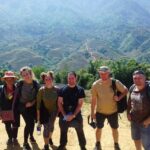
Rice terraces and real family stories in Sapa. This 2D1N trek with Dinh (Hmong guide) takes you through Muong Hoa Valley and then into her Ta Van home for an evening of food, stories, and a warm cultural welcome. You’re picked up in Sapa Town at 9:00 AM (by hotel or the main church), and you’ll trek with a small group led by Dinh and her sister.
What I like most is the combination of walking plus people. You get two village lunches, a family dinner, and time to rest in a cozy homestay with a hot shower. The main drawback is simple: this is a moderate trek (about 18 km total) with steep, uneven steps, and it’s not for anyone with back problems, mobility limits, vertigo, or a strong fear of heights.
In This Review
- Key highlights to look for
- Dinh’s Sapa meet-up at 9:00 AM: where the day clicks into place
- Day 1: Y Linh Ho to Ta Van through Muong Hoa Valley
- Lunch with local families: food as the cultural shortcut
- Ta Van homestay night: hot shower, village welcome, and downtime
- Day 2: bamboo forest, terraces, and Giang Ta Chai waterfall
- Buffalo, marriage traditions, and farming life: what you should pay attention to
- Fitness reality check: moderate trekking, uneven ground, and steep bits
- What $48 covers: value you can actually feel
- Smart packing for a two-day Hmong trek
- Should you book Dinh’s 2D1N trek and bungalow retreat?
- FAQ
- What time does the tour start in Sapa?
- How long is the trekking each day?
- Do I get a homestay with Dinh’s family?
- What meals are included?
- Is there an opportunity to swim?
- Are the guides English-speaking?
- What’s included in the price?
- What should I bring?
- Who should avoid this tour?
- How much flexibility do I have if plans change?
Key highlights to look for
- Muong Hoa Valley village-to-village trekking with Muong Hoa views and multiple ethnic communities
- Village meals: lunch at a small local family restaurant plus one more lunch on Day 2
- One-night Ta Van homestay with a hot shower and time to relax before dinner
- Waterfall day on Day 2 via bamboo forest and terraced rice fields, with Giang Ta Chai as the payoff
- Culture lessons with practical context including Hmong farming life and unique marriage traditions
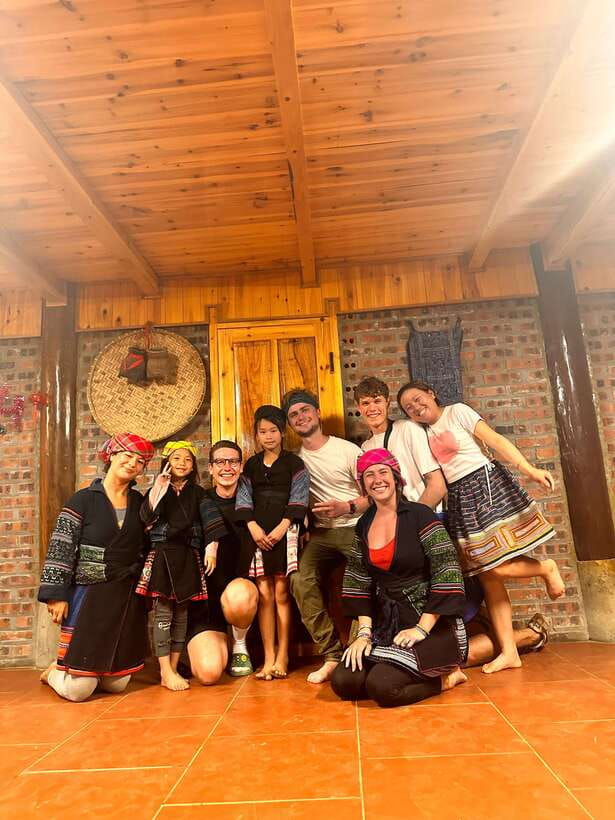
- A family evening that goes beyond photos with informal cooking and welcoming dance
Dinh’s Sapa meet-up at 9:00 AM: where the day clicks into place
The tour starts at 9:00 AM, and that timing matters. You’ll meet Dinh either at your hotel in Sapa Town or in front of the local main church, then get a quick intro before you head out. This early start helps you beat the day’s crowds and gives you better light for the rice terraces.
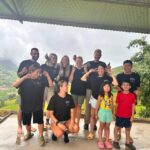
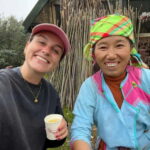
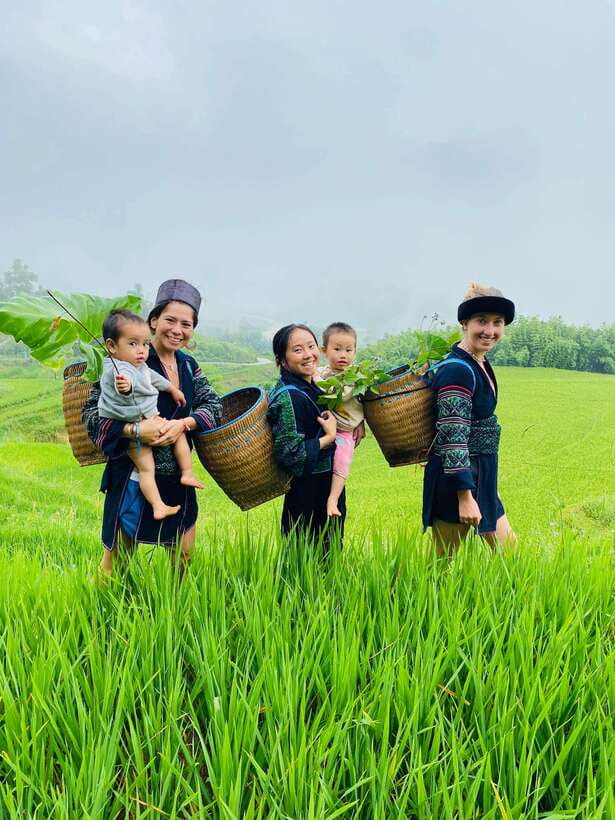
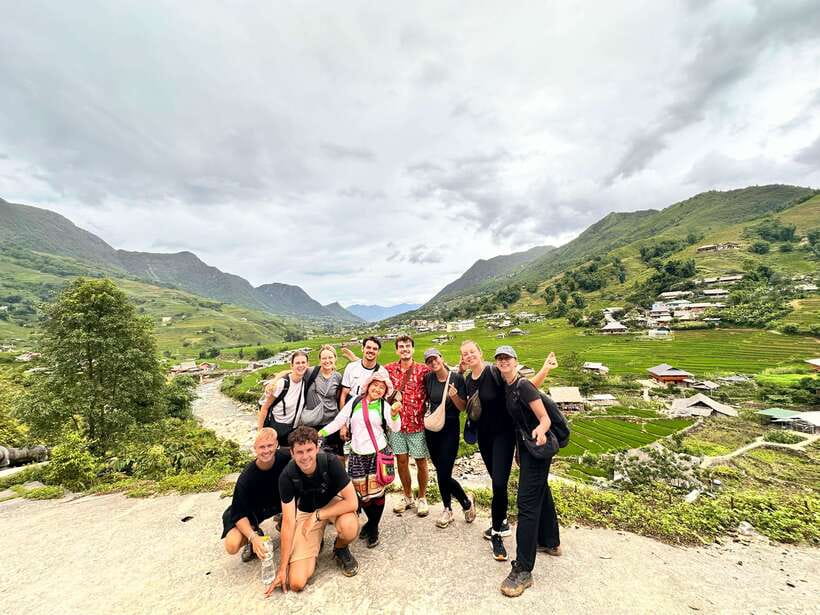
Dinh guides in English (and Vietnamese, if you need it), and she isn’t doing this from a distance. You’ll be walking with her and her sister through the villages, so questions feel natural. This is the kind of tour where you get answers in real time, not just at the end.
You should also know you’ll be with other travelers. That’s part of the deal here: group walking, group stops, and a shared pace, even though the homestay setting stays personal.
You can also read our reviews of more tours and experiences in Sa Pa.
Day 1: Y Linh Ho to Ta Van through Muong Hoa Valley
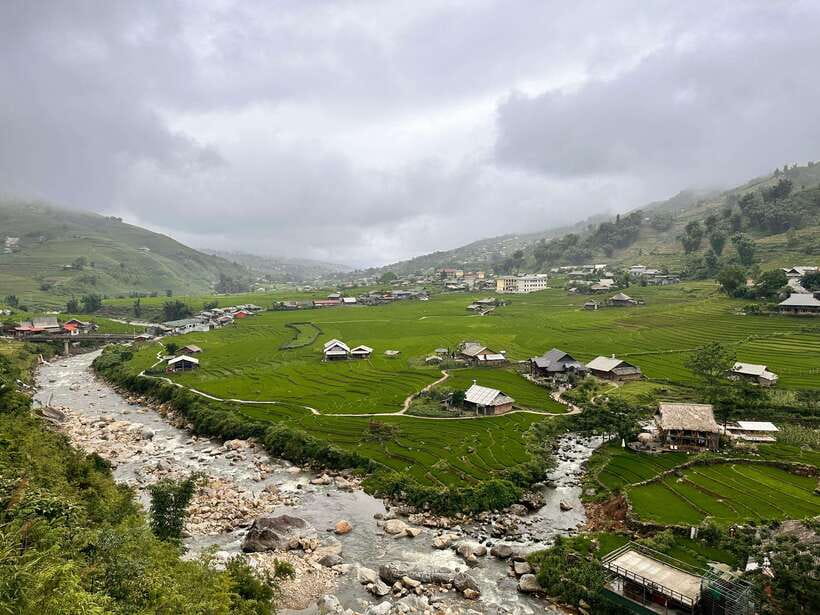
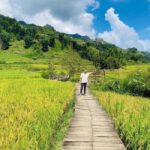
Day 1 covers about 9–12 km and usually takes around 5.5 hours of trekking. The route drops from Sapa into Y Linh Ho village, and the walking style is typical of the region: uneven paths, some steeper sections, and plenty of stops to regroup.
After some time on the trail, you’ll pause for lunch at a small traditional restaurant run by a local Hmong family. That matters more than it sounds. It’s not just a meal stop; it’s a chance to see how daily food culture works inside the communities you’re hiking through.
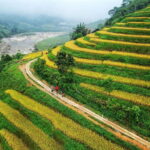
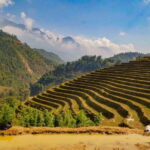
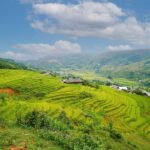
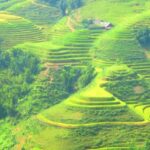
From there, the trek continues to Lao Chai, described as one of the oldest and largest Hmong villages in the area. Expect terraced rice scenery along the way and time for Dinh to explain differences between ethnic groups you’ll pass through.
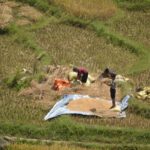
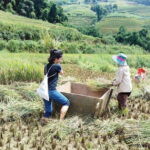
The final leg aims toward Ta Van Village, home to both Giay and Hmong ethnic minorities. Depending on the season, you might see locals planting or harvesting rice. That seasonal detail changes the feel of the hike: sometimes it’s quiet landscape-watching; sometimes it’s a living worksite you walk through carefully.
Lunch with local families: food as the cultural shortcut
This tour builds in two lunches with local families, and that’s one of the biggest value levers. You’ll have one lunch during the Day 1 route at a small restaurant, and another lunch on Day 2 after you enter the Red Dao area.
In practice, meals do three useful things on a trek like this. They reset your energy, they introduce local ingredients, and they give Dinh a natural moment to connect daily life to what you’re seeing outside your window. If you’re the type who likes to understand what you’re eating, this schedule fits you well.
One more detail that makes the evening portion feel connected: there’s also an informal cooking class with Dinh’s family on the first night. Even if you only taste and help a little, you’ll come away knowing the dish you’re eating is tied to local routines, not a performance.
Ta Van homestay night: hot shower, village welcome, and downtime
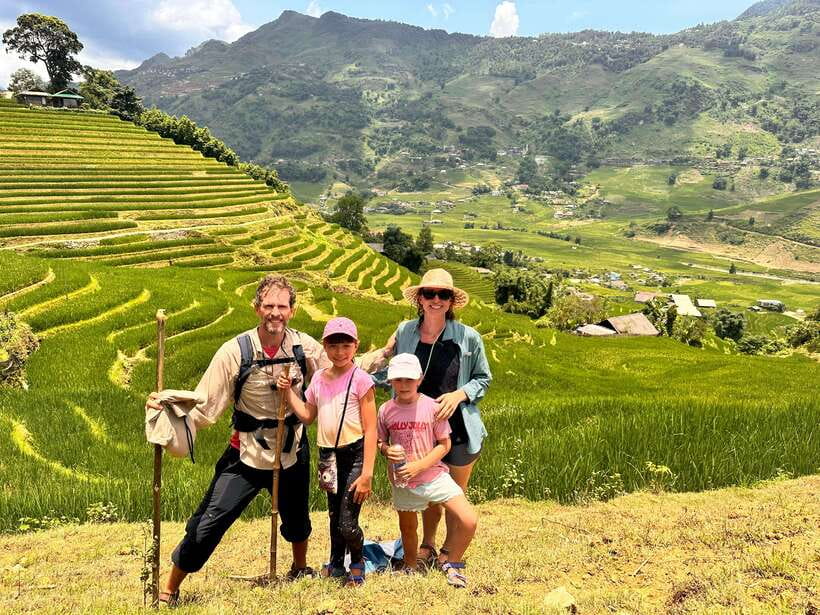
Arriving at Dinh’s homestay on Day 1 is when the trip turns from trekking into staying. You’ll get time to rest, take a hot shower, and relax in a simple, authentic, cozy setup with basic amenities.
The overnight part is what many people remember most. You’re not stuck in a hotel room that could be anywhere. Ta Van gives you that slow mountain pace: a quieter night, a different soundtrack, and the feeling that you’re part of someone’s day for a short while.
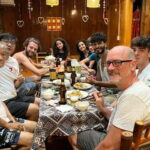
Dinner happens at the homestay with Dinh’s family, and it’s also where the cultural welcome shows up. During dinner, Dinh shares her story supporting 10 local children’s education, and there’s a traditional dance performance to welcome you. You’ll also get time to play with the kids, plus fun drinking games with Happy Water, a local rice wine.
If you’re traveling with a sensitive stomach, be aware: rice wine is part of the experience, but you’re not required to overdo it. It’s there as a cultural moment, not a test. Bring your own judgment and pace.
Day 2: bamboo forest, terraces, and Giang Ta Chai waterfall
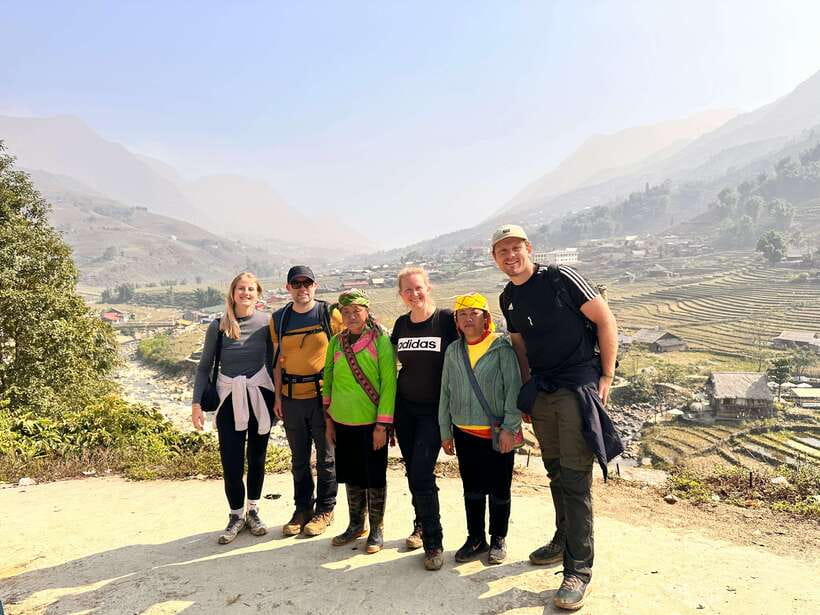
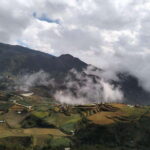
Day 2 is shorter on paper, at about 7–8 km (roughly 4–5 hours), but it still needs your attention. The morning begins with coffee or tea at the homestay, then you head into bamboo forests and terraced rice fields. This is where the walking feels more peaceful, less like a sightseeing loop and more like a slow passage through working countryside.
Your highlight on Day 2 is the waterfall area of Giang Ta Chai. You’ll reach the falls along the trekking route, and there’s an option to swim in the cool water if you want. This is very much a choose-your-own-adventure moment. If you swim, go carefully on slippery footing and keep an eye on footing around the water.
After the waterfall, the route continues into the Red Dao ethnic area. You’ll then make your way back toward the main road, stop for a local-family lunch, and finish the tour by taxi back to Sapa. The tour ends between 2:00 and 3:30 PM, so you still have a good chunk of the afternoon for Sapa Town.
Buffalo, marriage traditions, and farming life: what you should pay attention to
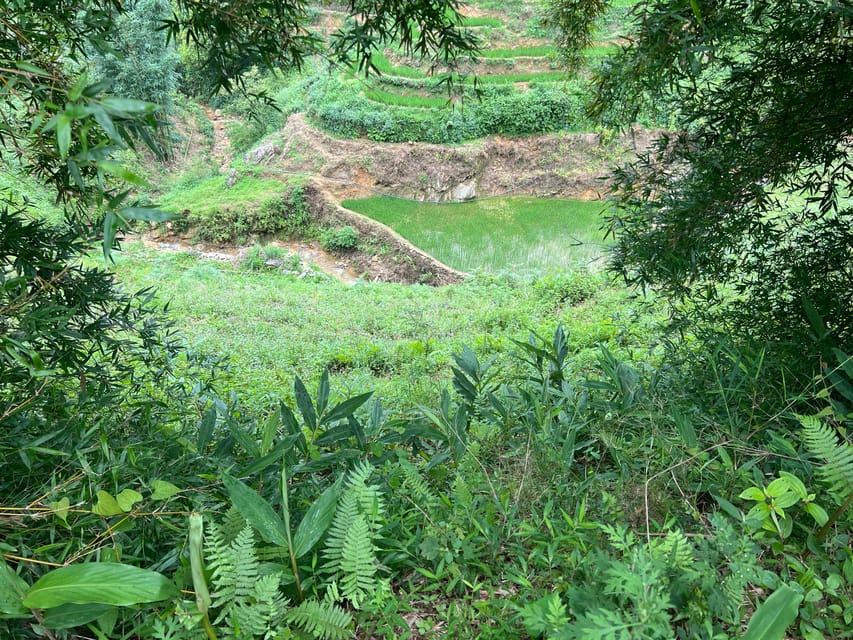
The trip’s cultural promise is not just broad. The experience is specifically built around Hmong life, including marriage traditions and the presence of buffalo in the rural setting. Dinh also shares cultural context as you walk, including farming and daily routines tied to the villages you pass.
Here’s how to get the most from these moments. When Dinh points out differences between ethnic groups, don’t treat it like a list of facts. Ask how those traditions show up in everyday choices: where people work, how families gather, and what ceremonies connect to community life. That’s the difference between seeing culture and understanding culture.
Also, watch for farming activity tied to the seasons. If you’re in the right month, you’ll see rice planting or harvesting along the route. That detail turns the terraces from scenery into something alive, and it’s a big part of why this trek works.
In the evening cooking portion, you may also learn a traditional Hmong dish. Even if you don’t cook, you’ll taste a meal that reflects local technique and ingredient choices. That’s often more memorable than another photo at a viewpoint.
Fitness reality check: moderate trekking, uneven ground, and steep bits
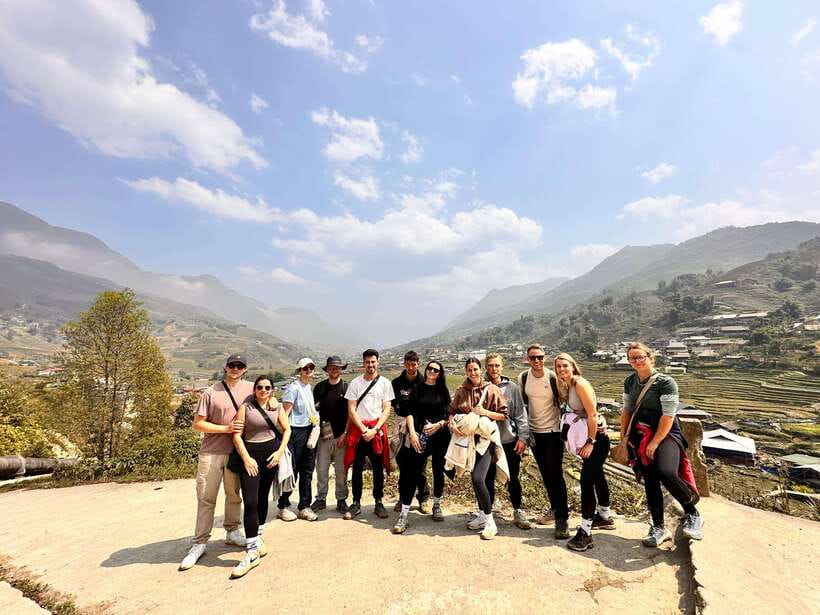
Let’s talk about the physical side clearly. This trek is described as moderate, with some steep and uneven terrain. Over two days, the total distance is about 18 km, and you’ll feel it in your legs by Day 1 evening.
So plan your body for a long walk, not a casual stroll. Comfortable shoes are non-negotiable. In places where the trail tightens, good footwear prevents the annoying slowdowns that ruin the day.
Height anxiety matters here too. The tour is not suitable if you have a fear of heights, and it’s not recommended for people with vertigo. Even if the views look dramatic in photographs, what you experience on foot is the walking path and the drop-offs around it.
It’s also not suitable for pregnant women, people with back problems, those with mobility impairments, or people over 70. If any of those apply, skip this one and choose a gentler option in Sapa instead.
What $48 covers: value you can actually feel
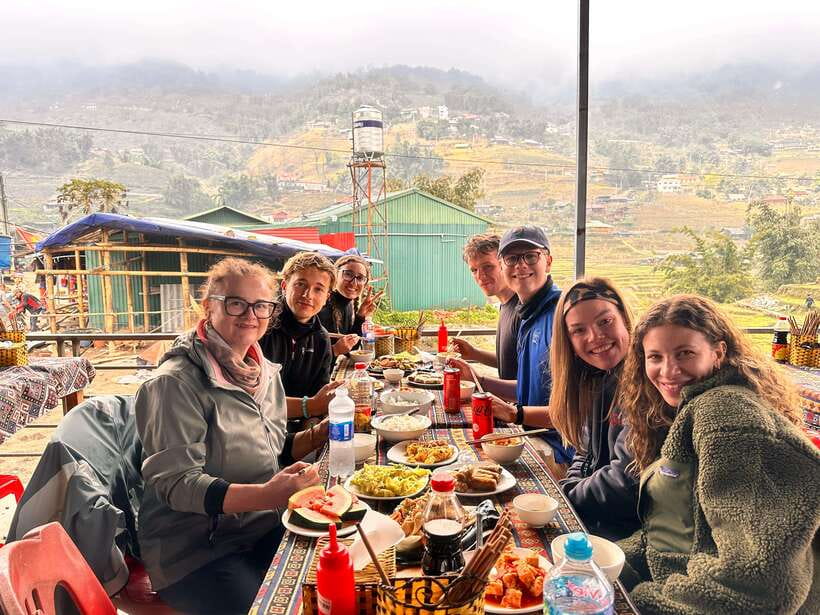
At $48 per person, the tour price feels low for what you get—mainly because the itinerary includes more than “just walking.” You’re paying for local guiding over two days plus multiple included meals and a night in a family homestay.
Here’s what’s included:
- Local English-speaking guide for 2 days
- Village entry fees for 4 villages
- Meals: 2 lunches, 1 dinner, 1 breakfast
- 1-night homestay stay with Dinh’s family
- Drinking water: 1 big bottle per person per day
- Transportation back to Sapa after the tour ends
What’s not included is mostly personal extras: snacks, souvenirs, and other drinks besides the provided water.
The value logic is straightforward. Without the homestay, you’d pay for a place to sleep elsewhere. Without included meals, you’d spend extra time finding food and extra money buying it at restaurants that may not line up with the walk schedule. And without village entry fees and local guidance, you’d miss parts of the route that are tied to the communities themselves.
If you’re the kind of traveler who likes to get your money’s worth through experiences, this does it. It’s not luxury, but it’s structured, practical, and family-centered.
Smart packing for a two-day Hmong trek
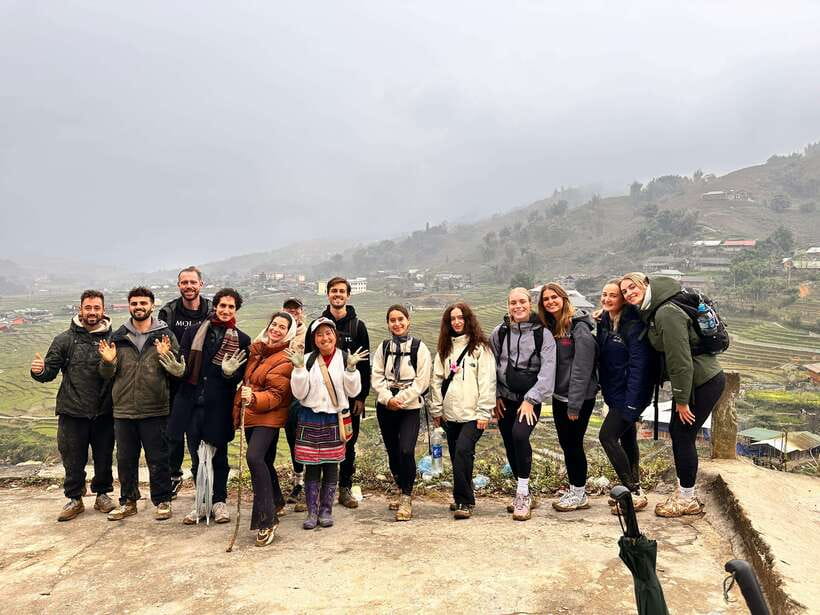
You don’t need fancy gear, but you do need the basics. Bring comfortable shoes, a hat, sunscreen, and a camera if you like documenting terraces and village life. Pack snacks if you know you get hungry between meal times, and carry water expectations in mind since only the included water is guaranteed.
A lot of this is sun and dust management. The hat and sunscreen combo can save you from a miserable second half of the trek.
Also, consider the pacing. Group trekking means you’ll stop and start together, so your comfort matters more than speed.
Should you book Dinh’s 2D1N trek and bungalow retreat?
Book it if you want a Sapa experience that connects views to real village life. This works especially well for travelers who enjoy moderate hiking, like learning about ethnic traditions, and prefer homestays where you can talk with the people living the culture every day. Dinh’s role as a Hmong guide, the homestay evening with family dance, and the mix of terrace walking plus Giang Ta Chai waterfall make it a strong all-round package for two days.
Don’t book it if you’re worried about steep, uneven paths or you’re sensitive to heights. This also isn’t a good fit for mobility limitations, vertigo, back problems, or pregnancy.
One final nudge: if you want the best flow, plan to book early enough so you can fit into the full itinerary schedule. This is a time-based trek, and arriving on time keeps the day enjoyable instead of rushed.
FAQ
What time does the tour start in Sapa?
The tour starts at 9:00 AM. You’ll meet Dinh at your hotel in Sapa Town or in front of the local main church.
How long is the trekking each day?
Day 1 covers about 9–12 km (around 5.5 hours), and Day 2 covers about 7–8 km (around 4–5 hours).
Do I get a homestay with Dinh’s family?
Yes. You stay for 1 night in Dinh’s homestay in Ta Van Village. Accommodation is simple, authentic, cozy, and includes basic amenities, with time to take a hot shower.
What meals are included?
The tour includes 2 lunches, 1 dinner, and 1 breakfast.
Is there an opportunity to swim?
Yes, on Day 2 at the Giang Ta Chai waterfall area. Swimming is optional if you’d like.
Are the guides English-speaking?
Yes. The guide is local and English-speaking (and can also use Vietnamese).
What’s included in the price?
Included are the local English-speaking guide for 2 days, village entry fees for 4 villages, meals (2 lunches, 1 dinner, 1 breakfast), 1-night homestay stay, drinking water (1 big bottle per person per day), and transportation back to Sapa after the tour ends.
What should I bring?
Bring comfortable shoes, a hat, camera, snacks, sunscreen, and water.
Who should avoid this tour?
It is not suitable for pregnant women, people with back problems, people with mobility impairments, people afraid of heights, people with vertigo, and people over 70 years old.
How much flexibility do I have if plans change?
Cancellation is allowed up to 24 hours in advance for a full refund.