REVIEW · KATHMANDU
Everest View Trek – 7 Days
Book on Viator →Operated by Breeze Adventure Pvt Ltd · Bookable on Viator
Lukla starts the altitude story fast. This trek is a smart way to reach the Khumbu region and still get big Everest panoramas without signing up for the full, grind-it-out Everest Base Camp route. You fly into Lukla, hike through Sherpa country, and spend your time where the views and culture are right in front of you.
I especially like two things: the Namche Bazaar stretch gives you the classic Sherpa hub vibe, and the Khumjung stop brings you to Khumjung Monastery, tied to local legends like the fabled Yeti scalp. You get both mountain drama and real human scale—shops, monasteries, prayer flags, and the day-to-day rhythm of life at altitude.
One thing to consider: this route is weather-dependent, especially the Lukla flights. If skies don’t cooperate, you’ll want to stay flexible and trust the operator to adjust within safety limits.
In This Review
- Key Highlights Worth Clocking
- From Kathmandu to Lukla: the flight that sets the tone
- Lukla to Namche: why 6–7 hours matters at altitude
- Namche Bazaar exploration and the Khumjung add-on
- Khumjung to Phakding: the descent isn’t automatically easy
- Phakding to Lukla: finishing strong, not sprinting
- Sagarmatha National Park: the protected backdrop to your hikes
- Sherpa villages and culture: how you’ll actually feel it
- The price question: what $1,324.62 buys you (and what it doesn’t)
- Getting around: group size, pace, and pickup
- Guide and organization: why this operator’s reputation matters
- Weather and flight reality: your biggest variable
- Should you book the Everest View Trek for your Everest dream?
- FAQ
- FAQ
- How long is the Everest View Trek overall?
- Where do I start this trek?
- What is the highest point on this itinerary?
- What are the main stops on the trek?
- Are flights Kathmandu to Lukla included?
- What is included in the trek meals?
- What is not included in the price?
- What if the weather is poor?
Key Highlights Worth Clocking
- Lukla gateway flights built into the plan so you actually enter the Khumbu quickly, not after days of road travel.
- Namche Bazaar as your main Sherpa hub stop with time to explore beyond just passing through.
- Khumjung Monastery at 3,790m adds culture and local storytelling to the trek.
- Five days of trekking with a round-trip feel: Phakding up to Namche and Khumjung, then back toward Lukla.
- Small-group pace (max 10 travelers) which usually helps keep the day’s timing realistic.
- Equipment, park fees, and guide/porter support included, so you don’t have to piece together key logistics yourself.
From Kathmandu to Lukla: the flight that sets the tone
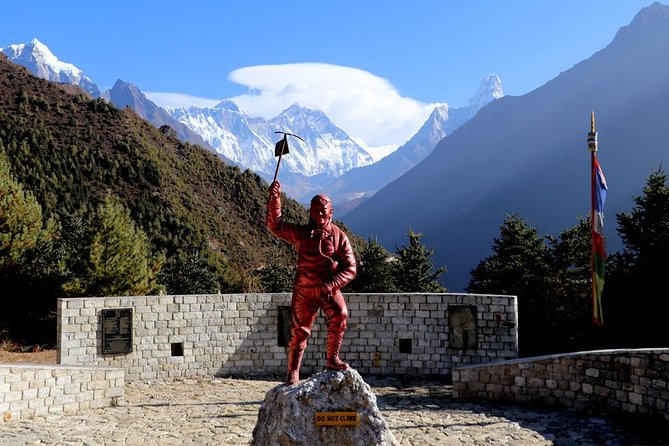
Day 1 is simple: you arrive in Kathmandu and transfer to your hotel. Then comes the moment everyone remembers. On Day 2, you fly Kathmandu to Lukla (2,860m). That flight is part thrill ride, part practical jump into the Khumbu.
After landing, you trek to Phakding (2,610m) in about 2–3 hours. This first hike is shorter by design. It’s a good way to get your legs working, start acclimatizing in a gentle way, and settle into the trekking routine—teahouses, trails, and constant scenery shifts as you move through valleys.
Practical note: the Lukla airport is famously weather-sensitive. So keep your mindset open for timing changes. The itinerary includes the flight into Lukla and the return on Day 7, and that’s the part most likely to tug at your schedule.
You can also read our reviews of more tours and experiences in Kathmandu.



Lukla to Namche: why 6–7 hours matters at altitude
Day 3 takes you from Phakding up to Namche Bazaar (3,440m). Plan on 6–7 hours. That’s a real trekking day, but it’s still manageable compared with the longer, higher commitment routes people take deeper into the Everest Base Camp area.
Namche is your major Sherpa hub. This is where the trek shifts from quiet valley paths to busier mountain town life. You’ll find far more guesthouses, shops, and locals who treat altitude like a normal work condition—not a special event.
Why this stop is valuable: Namche is where you start seeing the system that supports high-altitude life—how people trade, cook, guide, and maintain gear in extreme conditions. Even if you just wander for an hour or two, you’ll get a sense of why Sherpa culture is so central to the entire Everest region.
Tip that helps: take it slow when you first arrive. Namche is higher than Day 2. Your job is to adjust, not prove fitness.
Namche Bazaar exploration and the Khumjung add-on
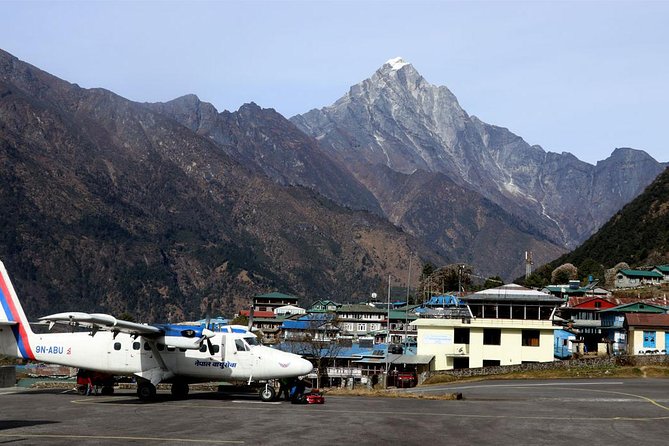
Day 4 is one of the best “balance” days on this itinerary. You explore Namche Bazaar, then trek to Khumjung (3,790m) for around 3 hours.
Khumjung Monastery is the anchor here. This is where local tradition and the trekking route connect in a way you can feel. You’re not just walking for views—you’re stopping at a religious site tied to widely told legends, including the fabled Yeti scalp.
This matters because Everest trips can sometimes turn into a checklist: see mountain, take photo, move on. Khumjung gives you a chance to slow down and understand how spirituality and community live alongside trekking and trade. At nearly 3,800m, you also start to feel what “high altitude” actually means day-to-day—air that’s thinner, footsteps that require a bit more patience, and rest that becomes part of the schedule.
A small consideration: Khumjung’s altitude is higher than Namche. If you’re prone to altitude headaches or nausea, go easy on exertion on this leg and take breaks before you feel like you need them.
Khumjung to Phakding: the descent isn’t automatically easy
Day 5 brings you back down to Phakding (4–5 hours). Descents can feel easier than uphills, but your knees and ankles still get work. Also, as altitude drops, you may feel better than on the way up—and still need to respect fatigue. Don’t rush just because you’re going downhill.
This day is about resetting. Phakding becomes a base again, and you get one more chance to notice how the valley environment changes as you move through different elevations and forest edges. Even if you mainly remember mountains, these middle-elevation moments often become the most grounding.
Phakding to Lukla: finishing strong, not sprinting
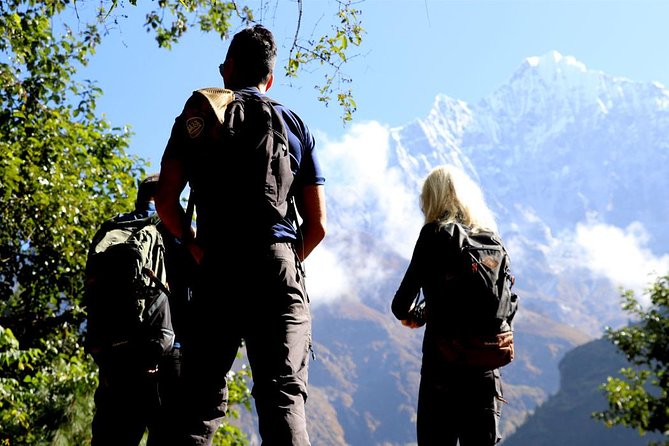
Day 6 is another return leg: Phakding to Lukla (3–4 hours). This is your “get back to the gateway” day, and it’s timed so you can be in place for your final flight out.
If you’re tempted to treat this as a victory lap, don’t. By Day 6 your legs have learned the rhythm of the trek, but they also know you’re getting tired. Keep your pace steady. Eat what you can at the right times. Staying consistent is what keeps this short itinerary enjoyable.
Then Day 7 is the quick Lukla-to-Kathmandu flight back. It’s brief, around 30 minutes, and it feels like a shift from mountain time to city time. Take advantage of that transition: you’ll likely want a relaxed evening in Kathmandu after time on trails.
Day 8 is straightforward: transport from your hotel area to Tribhuvan Airport for departure.




Sagarmatha National Park: the protected backdrop to your hikes
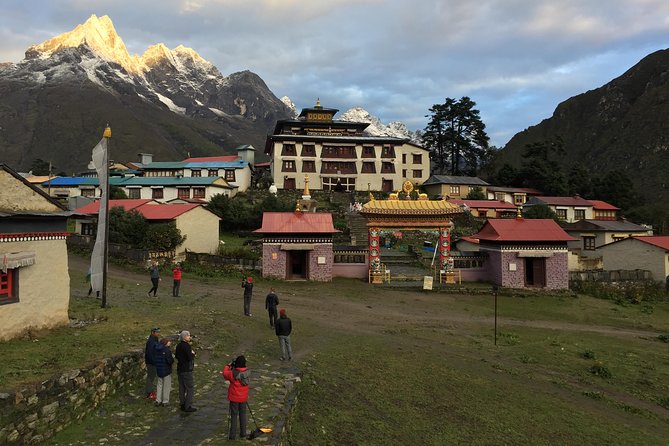
This trek includes Sagarmatha National Park entry. That doesn’t just sound official—it’s a reminder that you’re hiking inside a protected high-mountain environment.
What it means for you day-to-day: your route runs through real conservation terrain that local communities rely on for tourism income and for maintaining mountain ecosystems. The fact that entry fees are included helps keep things simpler. You’re paying for access rather than dealing with add-ons while you’re already focused on acclimatizing.
Also included is the Khumbu Villages entry fee, which matters because you’re not passing through empty wilderness. You’re entering places where people live, work, and host trekkers.
Sherpa villages and culture: how you’ll actually feel it
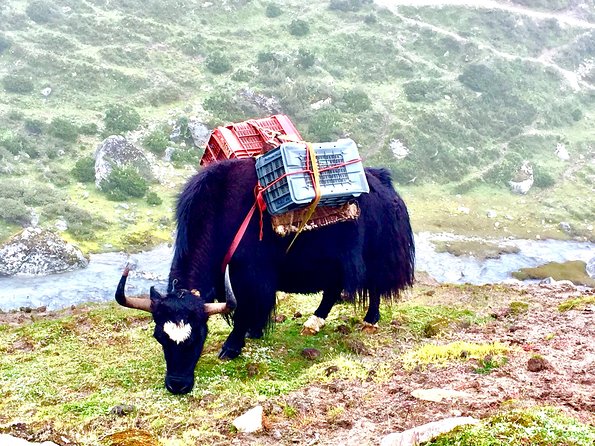
This itinerary is not only about peaks in the distance. It’s designed around places where Sherpa culture shows up naturally:
- Namche Bazaar as a major hub, where you see daily trade and services that keep trekking communities running.
- Traditional villages during the trek, where routines repeat across seasons.
- Khumjung Monastery, which adds belief and local storytelling to your mountain day.
Even when you’re not “touring” in the formal sense, these stops teach you something important: in the Everest region, culture isn’t an add-on. It’s part of how the whole area functions.
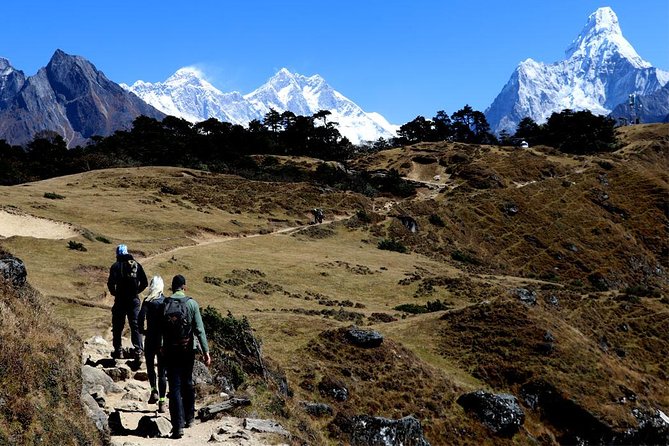
And yes, you’ll still get panoramic views of the big names: Mount Everest, Lhotse, Lhotse Shar, Ama Dablam, and other surrounding peaks. The advantage of this shorter trek is that you spend more time getting grounded in the Khumbu itself, not just commuting deeper and deeper.
The price question: what $1,324.62 buys you (and what it doesn’t)
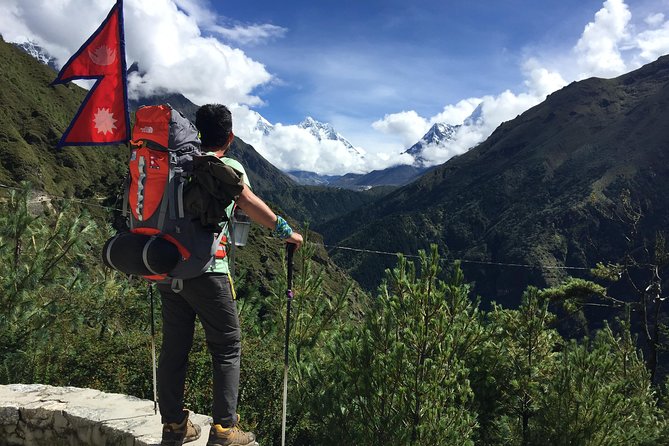
At $1,324.62 per person, this is not a bargain-basement trekking option. But it’s also not “pay for only a bed and a map.” The value comes from what’s bundled and how that reduces stress.
Included highlights you should care about:
- Two nights in a 2–3 star Kathmandu hotel with breakfast
- Trek accommodation in local guesthouses
- Government-authorized guide and porters
- Insurance, food, accommodation, and wages for guides and porters
- Hygienic meals (breakfast, lunch, dinner) during the trek
- All equipment like sleeping bag and warm layers
- First aid kit
- Sagarmatha National Park entry and Khumbu Villages entry fees
- A post-trek celebration dinner in Kathmandu
- Transportation to/from Tribhuvan Airport and all trek transport
What’s not included (and you should budget for):
- International airfare to Nepal
- Meals in Kathmandu beyond breakfast
- Shower and electronic charging fees at guest houses during the trek
- Alcohol, chocolates, tea/coffee
- Tips for guide and porter
My honest take: if you’re trying to keep costs predictable and you want the operator to handle equipment, guiding, and park access, this price starts to look reasonable. If you’re someone who already owns trekking gear and can self-arrange everything, it might feel pricier than you expected—but you’d be taking on risk and extra coordination.
Getting around: group size, pace, and pickup
This trip is capped at a maximum of 10 travelers. In practical terms, that usually means your guide can manage timing without turning the day into a traffic jam. The itinerary also includes a pickup offer and uses a clear Kathmandu meeting point in Thamel.
You’ll start at Breeze Adventure Pvt. Ltd in Thamel Marg (Kathmandu). After the trek, the activity ends back at the meeting point area.
The pace is built for moderate physical fitness. That’s the right match for many people who want the Everest region experience but feel uneasy about longer, more demanding plans.
Guide and organization: why this operator’s reputation matters
Breeze Adventure has a track record of responding quickly and professionally when people have questions before travel. One Everest-area guide named Lakpha was specifically praised for strong organization and for working with the group when weather forecasts changed—an important reminder that conditions can shift faster than plans.
That doesn’t guarantee perfect skies on any given day. But it does suggest you’re not dealing with a rigid script. In the Everest region, flexible problem-solving is part of the service you’re really paying for.
Also, one of the consistent themes across Breeze experiences is respect for porters—the people hauling real weight day after day so the trek stays possible.
Weather and flight reality: your biggest variable
The biggest “unknown” isn’t the view. It’s the air. Lukla flights depend on weather, so build your patience into the trip mindset.
This itinerary already anticipates that reality by scheduling flights on the first full trekking days (entering Lukla on Day 2) and the exit on Day 7. It includes the basics needed to keep things moving: experienced guide/porters, first aid support, and a plan that works even if you need to rethink a day’s timing.
If you hate waiting and you plan to treat this as a tightly timed vacation stop, this may not feel relaxing. If you’re open to shifting your day slightly for safety, you’ll likely enjoy it more.
Should you book the Everest View Trek for your Everest dream?
Yes—if your goal is to see the Khumbu region and get real Everest-area views with a short trekking commitment. This trek makes a compelling case for people who want the culture, the trail atmosphere, and the famous peaks without committing to the hardest, longest versions of Everest treks.
Book it if:
- You want five days of trekking with a clear route structure.
- You value organized logistics: guide, porters, equipment, meals during the trek, and park fees handled.
- You’re comfortable with a moderate fitness level and altitude pacing.
- You’re ready for weather to influence the Lukla flight timing.
Skip or consider another option if:
- You can’t handle schedule uncertainty around flights.
- You’re counting every dollar and would prefer a fully self-arranged trek.
- You expect your trip to include free charging and showers at guesthouses (those are not included).
If you do book, pack smart for cold layers, plan to take altitude seriously, and treat Lukla as the start of the real adventure—not just the transportation step.
FAQ
FAQ
How long is the Everest View Trek overall?
The itinerary is listed as about 8 days, with trekking running for 5 days. Day 1 is arrival in Kathmandu, Day 7 includes the flight back to Kathmandu, and Day 8 is transport to the airport.
Where do I start this trek?
You meet at Breeze Adventure Pvt. Ltd in Thamel Marg, Kathmandu 44600, Nepal. Pickup is offered.
What is the highest point on this itinerary?
Khumjung is listed at 3,790m, which is the highest elevation mentioned in the daily route.
What are the main stops on the trek?
You fly into Lukla, then trek to Phakding, Namche Bazaar, and Khumjung. After that, you retrace your route back to Phakding and then Lukla before flying to Kathmandu.
Are flights Kathmandu to Lukla included?
Yes. The trek includes the flight from Kathmandu to Lukla and the return flight from Lukla to Kathmandu.
What is included in the trek meals?
During the trek, breakfast, lunch, and dinner are included, and meals are described as hygienic.
What is not included in the price?
International airfare is not included. Meals in Kathmandu other than breakfast are also not included, and shower/electronic charging fees at guesthouses during the trek are not included. Alcohol and some snacks/drinks are also not included, and tips for guide and porter are not included.
What if the weather is poor?
This experience requires good weather. If it’s canceled due to poor weather, you’ll be offered a different date or a full refund.