REVIEW · MARRAKECH
2-Day Guided Trek of the Atlas Mountains and Berber Villages
Book on Viator →Operated by astara tours · Bookable on Viator
Off-road views start on day one. This 2-day High Atlas trek trades Marrakech traffic for Toubkal viewpoints, Berber villages, and a well-run rhythm that keeps you moving without stress. I especially liked the 6-hour hike on day one and the way the itinerary strings together passes, waterfalls, and valley trails with good meals and tea. The one thing to consider is the hiking is real: narrow paths and steep drop-offs mean you need solid boots and moderate fitness.
In a max of 6 travelers, you get a small-group feel instead of a long line of people. Pickup and drop-off from your hotel plus a mule for food and luggage also remove a lot of logistics headaches. The main downside is that the overnight spot is basic, so if you expect a hotel bed, you’ll want to plan for simple comfort.
Weather matters here. The trek requires good conditions, and you’ll be offered a different date if it’s canceled for poor weather, so check forecasts and dress for mountain swings.
In This Review
- Key highlights worth planning around
- The payoff: trading Marrakech hustle for High Atlas hiking
- Marrakech pickup and the drive into Imlil
- Day 1: Tizi Mzik Pass, Tamsoulte waterfalls, and a juniper forest descent
- The climb to Tizi Mzik Pass (2684m)
- Tamsoulte: the big 100m waterfall moment
- Down through the juniper forest to Tizi Oussem
- Night in Tizi Oussem: basic comfort, plus a real hot shower
- Day 2: Berber villages, valley views, and river-side walking back toward Marrakech
- What to watch for on the second day
- Guides and group size: why the small numbers matter
- Meals, mint tea, and the mule that makes the hike lighter
- The value check: is $197.45 a fair deal?
- What to bring (and what to skip)
- Fitness and safety: how to judge if this trek fits you
- Should you book this 2-day Atlas trek?
- FAQ
- FAQ
- Is hotel pickup included?
- How long is the hike on day one?
- Where do we sleep overnight?
- Are meals included?
- Do I need to bring bottled water?
- Is the trek suitable for vegetarians or vegans?
- How many people are in the group?
- What kind of footwear should I bring?
- What happens if weather is bad?
- Is there free cancellation?
Key highlights worth planning around
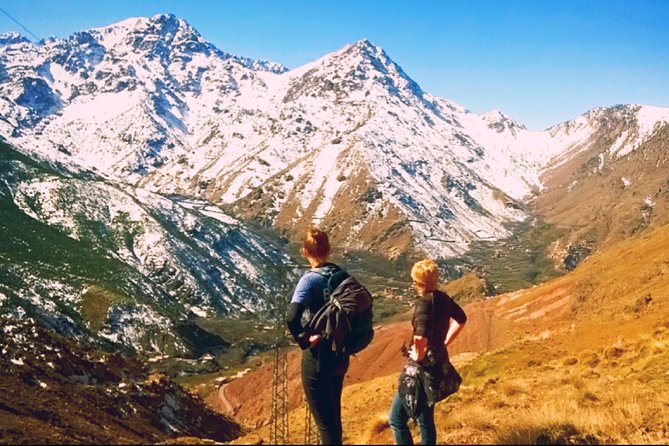
- Tizi Mzik Pass (2684m): big valley and Toubkal views early in the trek
- 100m waterfalls: a major payoff on day one, reached after climbing into the right area
- Juniper forest descent: shaded walking that breaks up the steep parts
- Tizi Oussem guesthouse stay: hot shower available, but expect simple rooms
- Mule support: your food and luggage travel by mule so you can hike lighter
The payoff: trading Marrakech hustle for High Atlas hiking
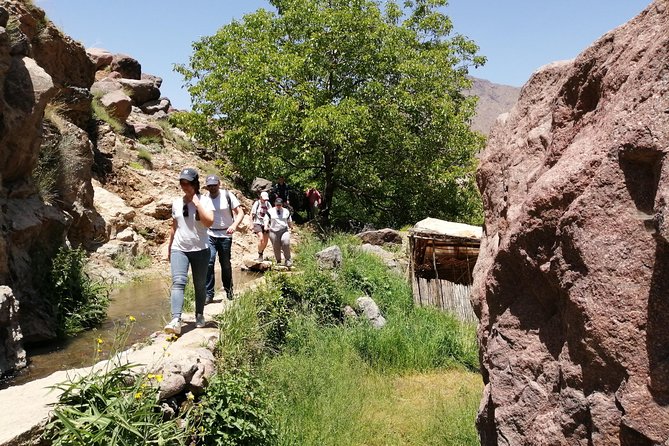
Marrakech has a powerful energy. On this trek, you keep that sense of Morocco while swapping the city noise for mountain air and valley views. It’s a short trip—about two days—but it feels like a real break because the days are built around walking, not just sightseeing stops.
The itinerary is also structured in a smart way. Day one mixes a climb to a high pass with a waterfall stop and a forest descent, so you get variety without feeling scrambled. Day two shifts toward village life—paths through communities, woods, and river crossings—then you’re back in Marrakech.
One of my favorite parts is how much is handled for you. Pickup, transfer, your guide, meals, and even the mule for carrying food and luggage take the strain off. That matters on a mountain trip where the wrong “DIY” setup can turn fun into effort.
You can also read our reviews of more tours and experiences in Marrakech.

Marrakech pickup and the drive into Imlil
Your day starts with hotel pickup in Marrakech. The tour meets at Hôtel Restaurant Café de France J2G7+G2G jamaa el-fnna, Rue des Banques, Marrakech 40000, Morocco, but practically you’ll be collected from your accommodation by a professional driver.
You’ll head toward the High Atlas via the Ghighaya and Asni valleys, with chances to spot mountain villages along the way. This drive is more than transport—it’s the first taste of the region, and it helps you mentally switch from city streets to trail walking.
Once you reach the Imlil area, you’ll meet your mountain guide and the muleteer. That handoff is part of the smooth “small effort from you” design. You’re not figuring out route logic at the trailhead; you’re stepping into a day planned around local terrain.
Day 1: Tizi Mzik Pass, Tamsoulte waterfalls, and a juniper forest descent
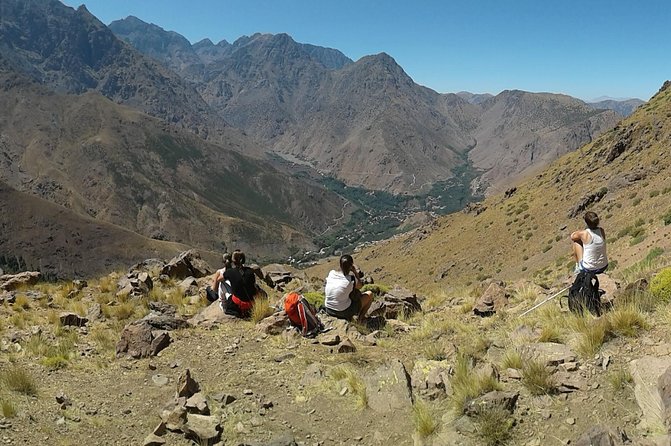
Day one is the stronger hiking block. You’re walking for about 6 hours, which is long enough to feel like a workout but not so long that the day turns into survival.
The climb to Tizi Mzik Pass (2684m)
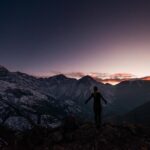
You begin with a simple climb to Tizi Mzik Pass (2684m). The payoff is the view over the Imlil Valley and Toubkal, the highest peak in North Africa. Even if you only get brief breaks for photos, those views do what they’re supposed to do: they make the effort feel worth it.
This stretch also sets expectations for the rest of the trek. You’ll be on paths that can feel narrow, and the guide’s pacing matters. From the guidance and route design, you can tell they’re used to matching the walk to typical mountain conditions and your group size.
Tamsoulte: the big 100m waterfall moment
After the pass, you continue to Tamsoulte to visit the highest waterfalls of the region, described as 100m high. Waterfalls in the High Atlas are dramatic because the valleys are often steep and tight, and the drop can feel sudden.
If you’re coming just for one “wow stop” on day one, this is it. Give yourself a little time here beyond quick photos. The sound of water and the green patches around it are part of why the hike feels different from a simple point-to-point trek.
Down through the juniper forest to Tizi Oussem
Then comes the best kind of contrast: a descent through a juniper forest toward Tizi Oussem. Forest walking is useful because it cools the pace. It can also help your legs after the earlier climb.
You end day one reaching Tizi Oussem, where you’ll spend the night in a guesthouse. The overnight stay is included, and you’ll have a mattress and blankets—simple, but practical after a long day.
Night in Tizi Oussem: basic comfort, plus a real hot shower
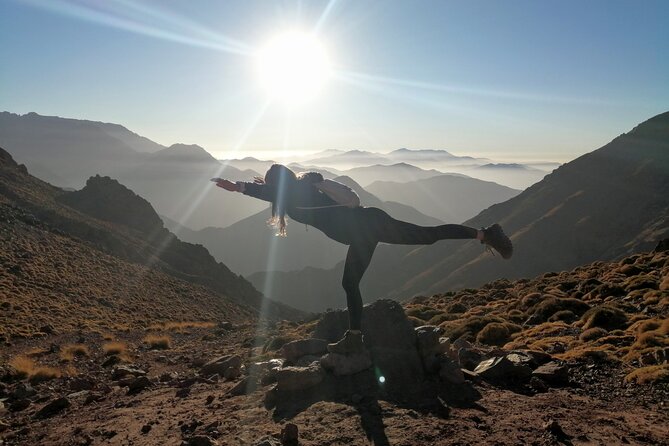
You’re not sleeping in luxury here. The guesthouse is described as basic, and you should expect simple rooms and a mountain-stay feel rather than a polished hotel setup.
Good news: a hot shower is available. That small detail can make a big difference after a sweaty day on the trail.
A very practical tip from experience with similar mountain beds: bring your own sleeping bag liner or an extra sheet. It’s not complicated, and it helps you feel comfortable in a place where bedding is meant to be functional, not fancy.
Day 2: Berber villages, valley views, and river-side walking back toward Marrakech
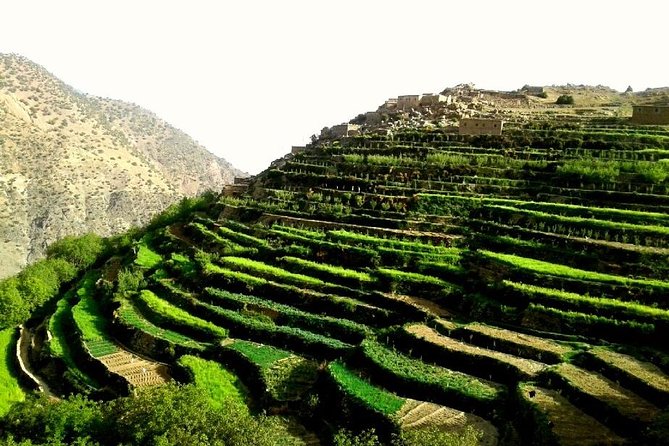
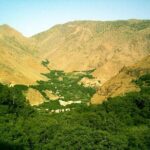
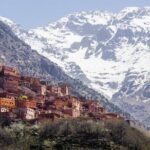
Day two starts with breakfast and a slower rhythm—enough time to take in the valley view from the guesthouse area. The program includes time for relaxing, described as sunbathing with colorful valley views and typical Berber villages.
Then you’re back to moving. The walking covers villages, forests, and past rivers before returning to Marrakech. Even without a second-day “signature pass” on the schedule, day two still feels like a journey because it keeps you in real mountain terrain rather than only in viewpoints.
What to watch for on the second day
On a two-day trek, your body usually settles into its own pace by day two. Keep an eye on footwear traction, especially near river areas or where trails can get slick. The tour asks for comfortable walking shoes and mentions waterproof footwear, which is solid advice for this region.
Also, remember it’s still a moderate-fitness hike. You should be able to walk steadily for hours, take stops when needed, and not rush every segment.
Guides and group size: why the small numbers matter
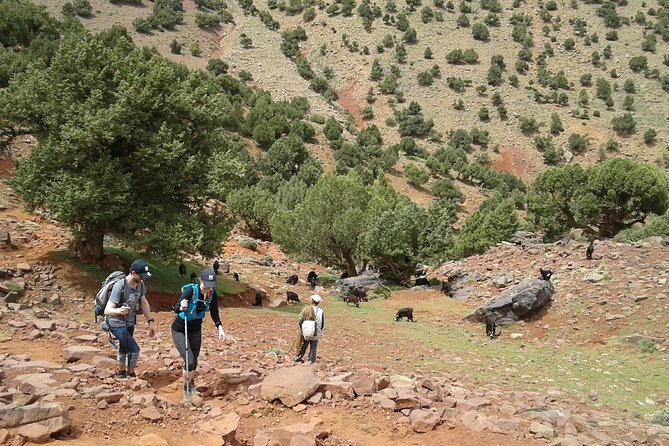
This is a maximum of 6 travelers. That small group number changes the tone of the trek. You’re not competing for space, and the guide can manage the pace when paths get narrow or conditions change.
The guide experience is also part of the value. The tour has brought friendly, funny guides who answer questions about local life and route choices. Names you may hear include Rashid, Ibrahim, Mohammed, Houssain, Nassim, and Abdulrahman, and each style matters: some focus on storytelling, others on careful pacing and safety.
If safety is on your mind, this group size helps. You’re more likely to get support on footing and a clear sense of what’s ahead.
Meals, mint tea, and the mule that makes the hike lighter
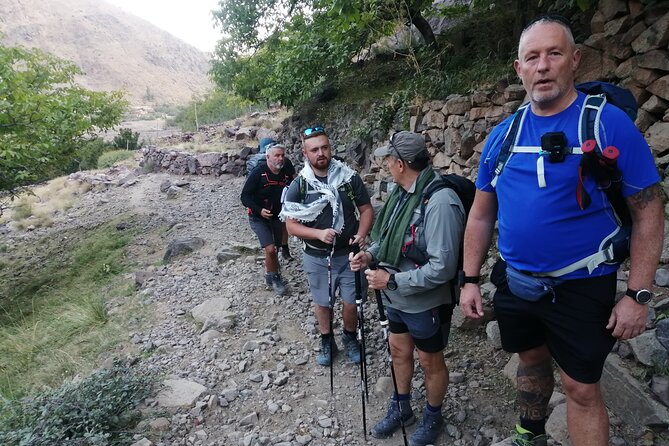
Food is included, along with mint tea and coffee. That’s not just a perk. It means you can hike without worrying about stops, snacks, or cash for meals in remote areas.
A mule carries your food and luggage, which is a key detail for comfort. When you’re not managing a heavy pack, you can focus on the trail and your breathing.
The meals themselves are known for being satisfying—one guide was especially praised for a lamb tagine. Even if you’re not a tagine person, this is your signal that the cooking isn’t an afterthought.
For water: bottled water is not included, but the tour notes there are many points where you can get water during the trek. Bring a reusable bottle or hydration system so you’re not scrambling for logistics mid-walk.
The value check: is $197.45 a fair deal?
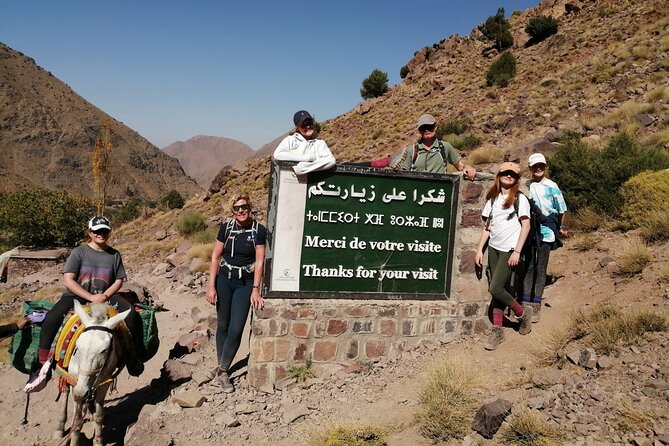
At $197.45 per person for a two-day, guided High Atlas trek with pickup/drop-off, transfers, meals, a night in Tizi Oussem, and mule support, the pricing feels fair for what you’re getting.
Why? Because you’re not paying separately for:
- transport from Marrakech to the trail area
- guide time on both days
- meals across the trek
- accommodation included for the overnight
- mule carrying food and luggage
In other words, you’re paying for a built-in plan. That’s often worth it in the Atlas, where getting everything right on your own can take more time than you expect.
The booking pace also suggests demand. It’s commonly booked about 24 days in advance, so if you want specific dates, you’ll do better by planning ahead.
What to bring (and what to skip)
You’ll do best if you pack for mountain walking, not for a city stroll.
Bring:
- Comfortable walking shoes with grip
- Waterproof footwear (trail dampness can happen)
- A small layer system for temperature swings
- A water bottle for refill points (bottled water isn’t included)
A helpful add-on:
- A sleeping bag liner or extra sheet for the basic beds
Skip:
- Overpacking your bag. With the mule carrying food and luggage, you don’t need to turn this into a backpacking expedition.
Fitness and safety: how to judge if this trek fits you
The tour is for travelers with moderate physical fitness. If you can handle a long walk with some incline and rocky footing, you’re in the right zone.
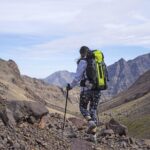
One reality check: paths can be narrow, and steep drops show up at times. That’s why proper boots matter. A good guide keeps you moving with safety in mind, but you still need to meet the basics on your end.
If you’re unsure, ask yourself:
- Can you walk for about 6 hours with breaks?
- Do you feel steady on uneven ground?
- Are you comfortable with exposed or narrow segments?
If yes, this trek is a strong match.
Should you book this 2-day Atlas trek?
Book it if you want:
- A guided way into the High Atlas with minimal logistics
- Real hiking that includes Tizi Mzik Pass, waterfall scenery, and mountain villages
- A small group size (up to 6) and inclusive meals
Skip it if you want:
- A hotel-standard overnight stay (Tizi Oussem is basic)
- Short, flat walks only
- A flexible itinerary that turns into a long city tour (this is a hiking-first plan)
If you’re traveling from Marrakech and you want more than a day trip, this is a smart length. Two days is enough time to feel like you left the city for good, while still having time to sleep comfortably back on your schedule afterward.
FAQ
FAQ
Is hotel pickup included?
Yes. The tour includes pickup from your accommodation in Marrakech and drop-off back at the meeting point.
How long is the hike on day one?
Day one includes a 6-hour hike through the Imlil Valley area, starting with the climb to Tizi Mzik Pass.
Where do we sleep overnight?
You stay overnight in a guesthouse in Tizi Oussem village. Hot shower is available, and bedding includes mattress and blankets.
Are meals included?
Yes. All meals are included, along with mint tea and coffee.
Do I need to bring bottled water?
Bottled water is not included. The tour notes there are many points where you can get water during the trek, so bring a refillable bottle.
Is the trek suitable for vegetarians or vegans?
Vegetarian and vegan options are available.
How many people are in the group?
The tour has a maximum of 6 travelers, which helps keep the experience more personal.
What kind of footwear should I bring?
Comfortable walking shoes are required, and waterproof shoes are recommended.
What happens if weather is bad?
This experience requires good weather. If it’s canceled due to poor weather, you’ll be offered a different date or a full refund.
Is there free cancellation?
Yes, you can cancel up to 24 hours in advance for a full refund.