REVIEW · HANOI
Sapa Trekking Tours – 2 Days 1 Night Stay At Homestay
Book on Viator →Operated by your indochina travel · Bookable on Viator
First thing at 6:30am, the mountains of Sapa already beat the city pace, and this trip is built to keep things easy while still feeling real. You get a guided trek with a Sapa homestay night, plus time in villages like Cat Cat and Lao Chai, so you’re not just staring out a bus window. I especially like how the guide handles the moving parts—meals, accommodation, and routing—and how the experience stays human, with friendly guides such as Sung and Mung showing up as standout personalities.
The main thing to think about is the homestay setup: it’s shared accommodation with other trekkers, and that may not match your idea of a private, quiet night.
In This Review
- Quick Key Points Before You Go
- Why This 2-Day Sapa Trek Feels More Like a Visit Than a Script
- Price and What $109 Really Covers
- Day 1: Hanoi to Sapa and the First Walk to Cat Cat Village
- The Homestay Night: Simple Comfort, Real Life, Shared Space
- Meeting the Villages on Day 2: Y Linh Ho, Lao Chai, Ta Van
- Y Linh Ho Village
- Lao Chai Village
- Ta Van Village
- Guide Energy: Friendly, Organized, and Sometimes Light on Deep History
- How Active Is This Trek, Really?
- Food and Pace: A Simple Plan That Keeps You Moving
- What You Should Pack for a 2-Day Sapa Trek
- Who This Tour Is Best For (and Who Might Want Something Else)
- Should You Book This Sapa Trekking Tour?
- FAQ
- What time does the tour start?
- How far do you walk on Day 1?
- What villages are included on Day 2?
- Is homestay accommodation included?
- What meals are included?
- What is the group size?
- Is the tour refundable if plans change?
Quick Key Points Before You Go

- Small group size (up to 15 travelers) for a more personal pace
- Cat Cat Village on Day 1 with a 5km walk and about 2–3 hours on the trail
- Homestay night in local accommodation with lunch and dinner covered
- Village-hopping on Day 2 through Y Linh Ho, Lao Chai, and Ta Van
- Meals and extras included: breakfast/lunch/dinner, bottled water, and coffee or tea
- Moderate fitness requirement with slippery sections possible on mountain paths
Why This 2-Day Sapa Trek Feels More Like a Visit Than a Script

Sapa can feel like a postcard stop if you do it the wrong way. This tour aims for something closer to a real visit: you walk village trails, you eat local-style meals with your group, and you sleep in a homestay rather than a hotel bubble.
You’ll also notice the structure. It runs like a planned day out—early pickup, short hiking segments, and built-in meals—so you’re not constantly negotiating transport or trying to find someone to translate. For me, that’s where the value lives.
And yes, the views are part of it. But the better payoff is that you’re moving through the area at walking speed, where you see daily life along the way rather than just collecting photos.
You can also read our reviews of more tours and experiences in Hanoi.

Price and What $109 Really Covers
At $109 per person, this isn’t a luxury “private car and buffet” setup. It’s a small-group trekking tour that bundles the big cost drivers: transport to and from the area, guiding, and at least one included night in a homestay.
You can feel what’s included when you look at the meal plan. Day 1 includes lunch and dinner, and Day 2 includes breakfast and lunch. The tour also includes bottled water and coffee or tea. That matters because in mountain areas, food costs can add up fast.
Also included are fuel surcharge and facility fees, so the final price tends to be more predictable than DIY. Drinks aren’t included, and you’ll want travel insurance (not listed as included), plus you should plan a tip for your guide if you feel your guide earned it.
If you want a budget-friendly way to do Sapa with local contact and less logistics stress, this price lands in a sensible zone.
Day 1: Hanoi to Sapa and the First Walk to Cat Cat Village

Day 1 starts with an early start around 6:30am, and you’ll take a bus from Hanoi to Sapa. That long morning transfer is the tradeoff for getting two full trekking days together in a tight schedule.
Once you arrive, you head to Cat Cat Village and start walking right away. The walk is listed at 5km, taking about 2–3 hours. That’s a manageable distance for most people with moderate hiking ability, but it’s also mountain terrain, so you’re not on a flat city sidewalk.
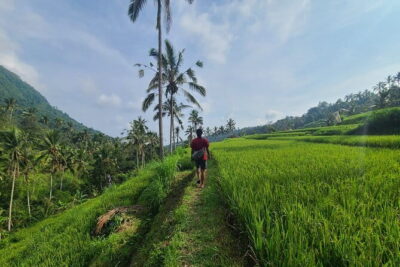
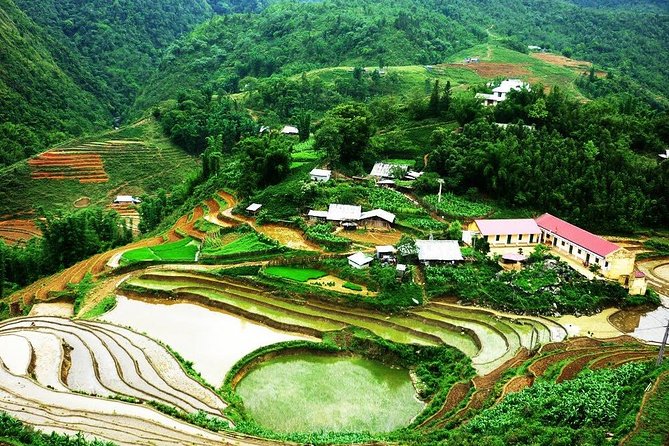
What makes Cat Cat special is that it’s a first “feel the place” stop. You’re looking at terraced fields and path lines that make sense only once you’re walking them. It’s also where you start picking up what your guide thinks matters—daily routines, the village layout, and how people move through the area.
The only real caution here: mountain trails can be slippery. One review specifically called out slippery footing as a challenge. If you go in assuming easy walking, you’ll probably get humbled a bit.
The Homestay Night: Simple Comfort, Real Life, Shared Space
The homestay stay is the heart of the experience—and it’s also where your expectations matter most.
In the tour info, you’re sleeping at a homestay after Day 1’s lunch and dinner. In practice, at least one traveler found the setup more crowded than they expected: the homestay is shared accommodation with other trekkers, and they didn’t have much contact with the host family beyond arrival.
So what does that mean for you?
If you want quiet privacy, the homestay might feel less like an intimate cultural exchange and more like budget lodging with some local texture. If you’re flexible and more interested in the trekking and the village route than in a long evening with a family, you’ll likely feel more satisfied.
One nice upside is that the tour builds the homestay into the schedule, so you don’t spend your evening hunting for food or a place to sleep. And because dinner is included, you’re not trying to solve logistics right after your hike.
If you’re the type who’s sensitive to shared rooms, ask questions before booking so you understand the sleeping arrangement. I’d rather you know that upfront than end the day frustrated.
Meeting the Villages on Day 2: Y Linh Ho, Lao Chai, Ta Van

Day 2 keeps the momentum going. You start in Sapa and then move through Y Linh Ho Village, Lao Chai Village, and Ta Van Village, before returning to Sapa and heading back to Hanoi by bus.
Even though the walking time isn’t spelled out in the details you have, the tour is described as short hikes along mountain trails. That usually means you’re changing scenery every stretch—less of a single long climb and more of a series of trail segments where you stop, look around, and walk again.
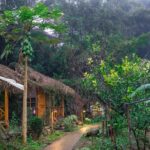



Y Linh Ho Village
This stop gives you another village perspective after Cat Cat. Expect the rhythm to feel similar: walk first, then pause long enough to notice how people live and farm. The value here is variety without making the day chaotic.
Lao Chai Village
Lao Chai is specifically named as a highlighted stop. It’s one of those places you remember because the village sits in a way that makes the mountain terrain feel practical, not just dramatic.
It’s also a stop where your guide’s personality can really shape the day. Reviews mention guides who were friendly and energetic, and a tour like this can become much more fun when your guide adds context beyond directions.
Ta Van Village
Ta Van rounds out the village circuit before you head back toward Sapa. If you’re hoping to see different village vibes rather than the same scenery in different photos, this sequence is a good way to get it.
Guide Energy: Friendly, Organized, and Sometimes Light on Deep History
The biggest consistent win in the feedback is how good the guides are at keeping things pleasant. Guides are described as lovely, energetic, friendly, and helpful. That’s not just nice to hear—it matters on mountain days because your pace and mood tend to rise or fall with your guide.
Some reviews also point out that the commentary can be basic. If you’re the kind of traveler who wants lots of history details—political context, lineage, or deeper background—this tour may not fully satisfy that side of curiosity.
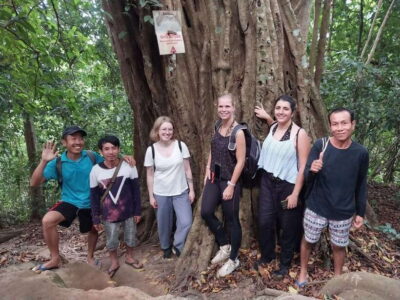
Still, a guide who knows the routes, keeps the group together, and makes the experience feel safe and social is doing the job that matters most on a hiking itinerary. And names like Sung and Mung show that the personalities can be a real part of why the day feels worth it.
How Active Is This Trek, Really?
This is labeled for travelers with moderate physical fitness. Day 1 includes the 5km walk to Cat Cat, and total hiking is described as around 15km by at least one traveler. That’s not extreme trekking, but it is real walking on uneven ground.
So what should you do?
- Wear shoes with grip you trust, because slippery sections are an actual risk.
- Plan for slow walking time. Even if the distance seems short, mountain trails stretch your legs and your concentration.
- Bring a bit of patience. A mountain schedule moves at the speed of safety and rest stops.
If you’ve hiked before and you know you can handle a few hours on your feet, you’re in the right zone.
If you don’t like hills or have balance issues, you’ll still be able to do this with a careful pace—but you may find it mentally tiring.
Food and Pace: A Simple Plan That Keeps You Moving

The meal schedule is one of the smartest parts of this tour. You won’t start hiking hungry, and you won’t spend the middle of a day figuring out where to eat.
Day 1 includes lunch and dinner, while Day 2 includes breakfast and lunch. The tour also includes bottled water and coffee or tea, which helps you stay comfortable without stopping for purchases every few hours.
The pacing is important too. You’re not doing a nonstop grind. You’re doing hike segments that let you absorb the villages and scenery, then you reset with a meal.
This makes a difference if you want to travel with less stress and more enjoyment.
What You Should Pack for a 2-Day Sapa Trek
Because the tour includes walking in mountain villages and warns implicitly through review feedback about slippery trails, your packing should focus on traction and weather flexibility.
You’ll want:
- Walking shoes with strong grip (not smooth soles)
- A light layer you can adjust if the air changes as you hike
- Small daypack for water and essentials
Also, remember drinks beyond what’s included aren’t part of the package. If you prefer a specific beverage, plan for it. And you’ll want travel insurance on your own, since it’s not included.
Keep it simple. Your goal is to be comfortable on uneven ground.
Who This Tour Is Best For (and Who Might Want Something Else)
This is a good fit if you want:
- A guided Sapa trek without managing transportation and lodging yourself
- A homestay experience as part of the trip, not an optional add-on
- A short, doable itinerary with village visits like Cat Cat, Lao Chai, and Ta Van
It’s less ideal if:
- You need a private room and dislike shared accommodation
- You want long, detailed history lessons on every stop
- You’re very sensitive to trail conditions and don’t like slippery surfaces
If you’re mainly after scenic photos and you hate walking, this won’t be your best choice. But if you want that walking-with-meaning feeling—villages, trail time, and local contact—this works well.
Should You Book This Sapa Trekking Tour?
I’d book it if you want a straightforward way to do Sapa over two days with a real village route and one included homestay night. The small group size (up to 15) and the included meals, water, and coffee/tea help it feel like good value, not a money grab dressed up as adventure.
I’d be cautious if privacy is a must-have for you, since the homestay can be shared and host-family contact may be limited for some travelers. Also, if you’re a serious history-buff who expects lots of deep context, go in prepared for lighter commentary.
If you’re flexible, comfortable hiking a few hours at a time, and happy to trade luxury for a more human trip, this is a solid call.
FAQ
What time does the tour start?
The tour start time is listed as 6:30am.
How far do you walk on Day 1?
Day 1 includes a Cat Cat Village walk of about 5km, typically taking 2–3 hours.
What villages are included on Day 2?
Day 2 includes Y Linh Ho Village, Lao Chai Village, and Ta Van Village, with a return to Sapa and a bus back to Hanoi.
Is homestay accommodation included?
Yes. You have homestay accommodation for the night during Day 1. No accommodation is included on Day 2.
What meals are included?
Day 1 includes lunch and dinner. Day 2 includes breakfast and lunch. Bottled water and coffee or tea are also included.
What is the group size?
This tour has a maximum of 15 travelers.
Is the tour refundable if plans change?
No. The experience is non-refundable and cannot be changed for any reason.