REVIEW · HANOI
From Hanoi: 3 Days Luxury Sapa Trek & Fansipan Peak with Dcar
Book on Viator →Operated by SST TRAVEL · Bookable on Viator
Cold mountain air hits fast in Sapa. This 3-day luxury-style package turns the long drive from Hanoi into a comfortable ride, then layers in guided village time, two scenic trekking moments, and a simple, low-stress flow through Sa Pa town and the hills. You’ll be working with an English-speaking guide, staying in included hotels for two nights, and keeping your day flexible around real mountain weather.
What I like most is the logistics: hotel pickup at 6:30am from Hanoi Opera House, round-trip Dcar limousine to Sapa, and meals built into the schedule so you’re not hunting for food after a hike. I also like that you get culture-plus-views—from a local village visit on Day 1 to Cat Cat and then Ham Rong (Dragon’s Jaw) on Day 3. If you choose to chase Fansipan, you’ll do it with an option mindset instead of a one-track plan.
The main thing to weigh is that Fansipan has extra costs and weather can change what you’re able to do. Fansipan cable car isn’t included, and the plan gives you a chance to adjust, which is great for flexibility but not ideal if you want one specific summit moment no matter what.
In This Review
- Quick hits before you go
- Dcar limousine from Hanoi: comfort with an early start
- Day 1 in Sapa town: check-in, lunch, and local village time
- Day 2: Cat Cat Village trek, lunch, and your Fansipan decision
- Day 3: Ham Rong (Dragon’s Jaw) hike and the ride back to Hanoi
- Price and logistics: why $160 can actually feel fair
- Weather, pacing, and what to pack for cool Sapa days
- Where this tour shines for your travel style
- Should you book this Sapa trek and Fansipan plan?
- FAQ
- What time does the tour start in Hanoi?
- Where is the meeting point and where do we end up?
- How long is the Sapa tour?
- Is pickup included?
- What’s included in the price?
- What about Fansipan—what’s included and what isn’t?
- How physically demanding are the treks?
- What group size should I expect?
- Is there free cancellation?
Quick hits before you go
- Dcar limousine round trip keeps the Hanoi-to-Sapa travel day from eating your whole trip
- Small group max 10 makes it easier to move at a human pace on treks
- Two included treks: Cat Cat Village and Ham Rong (Dragon’s Jaw)
- Fansipan is optional and paid separately (cable car not included), plus time built for Sapa
- Cool mountain weather planning matters: Sapa shifts through four moods in a single day
Dcar limousine from Hanoi: comfort with an early start
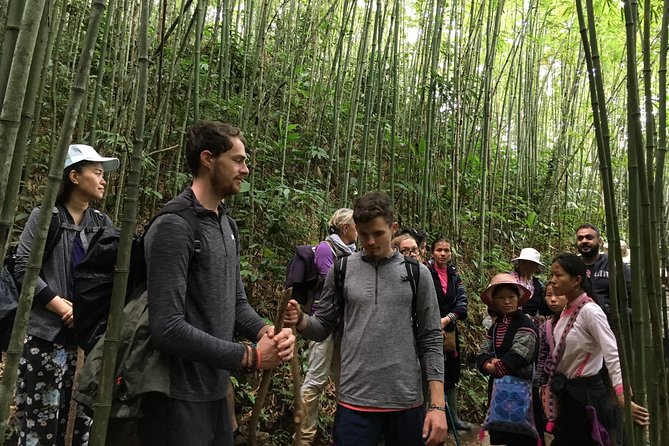
Your day begins at 6:30am, with pickup or meet-up at the Hanoi Opera House (1 Tràng Tiền, Hoàn Kiếm). Then you’re off to Sapa by air-conditioned vehicle, and the package is designed so you’re not spending your trip stuck on a mini-bus shuffle. This matters in northern Vietnam because travel time can quickly turn into fatigue—especially when you arrive and still want to enjoy the first afternoon.
You’ll reach Sapa around 1:00pm on Day 1, which is a realistic timing sweet spot. It’s late enough to get there without rushing, but early enough to check in, eat, and still have a guide-led visit on the same day.
One more practical note: this is a “moderate fitness level” trek style tour. That doesn’t mean you’ll be climbing mountains all day, but you should expect walking on uneven ground and some uphill effort—particularly on Day 3.
You can also read our reviews of more tours and experiences in Hanoi.
Day 1 in Sapa town: check-in, lunch, and local village time
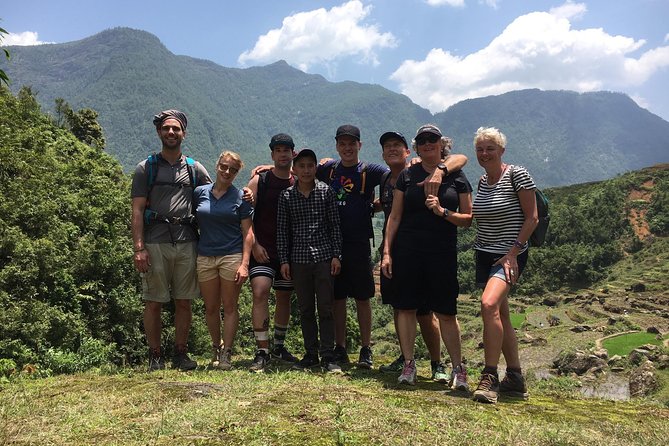
After arriving in Sapa town around 1:00pm, you’ll have lunch and check in at the included hotel (3-star is the baseline, with 5-star as an optional upgrade). Then you’ll meet your guide at about 2:30pm for a visit to a local village. This first-day structure is smart: you arrive, settle your base, eat well, and only then start moving.
Sapa’s draw isn’t only views. It’s also the way many ethnic groups live close together, each with its own clothing, customs, and farming traditions. The experience is aimed at showing you that contrast—H’Mong Black, Red Dao, Tay, Giay, and Xa Pho are specifically part of the cultural picture you’ll learn about as you walk and talk with your guide.
The village time is listed as about 1 hour, and I like the framing of that. It keeps things manageable after travel, and it prevents the classic mistake of trying to do too much on arrival day. You’ll come away with context for what you see in Sapa later, including the fact that clothing and daily life aren’t “souvenirs”—they’re identity.
The one caution for Day 1 is hotel location. One traveler experience noted a hilltop hotel where getting back after dinner required walking up a slope. That’s not a dealbreaker, but it’s the kind of detail you’ll want to factor in if you dislike steps or long slants.
Day 2: Cat Cat Village trek, lunch, and your Fansipan decision
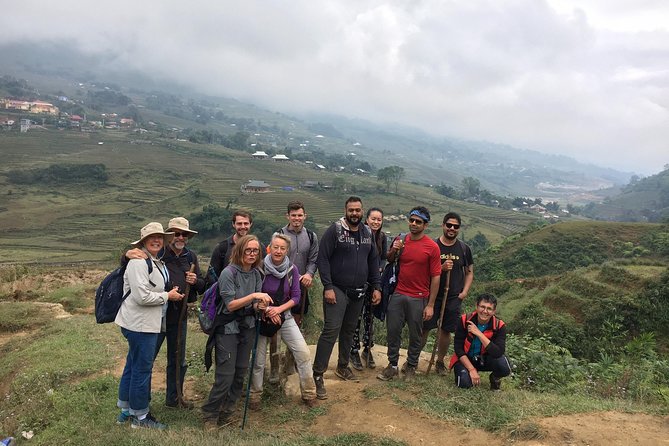
Day 2 starts with breakfast at the hotel (listed between 7:00am and 8:30am), then the trek begins at 9:00am with a walk to Cat Cat Village. A morning departure is the right call in cool mountain weather, when mornings feel clearer and you can start before the day changes.
Lunch follows at 12:00pm. Having lunch timed into the itinerary is genuinely helpful here because it prevents “we’ll see where we end up” situations. In Sapa, weather and walking pace can shift, and it’s nice when food is already handled.
After lunch, the schedule gives you a real choice. At about 3:30pm, you can discover Fansipan, but Fansipan costs are your responsibility (specifically, the cable car is not included). If conditions aren’t right, you can also use this time to explore Sapa on your own.
This is where the tour’s practical side shows. Instead of treating Fansipan as a guaranteed checkbox, it treats it as a goal that depends on conditions. In real mountain settings, that approach makes the day feel calmer—even when fog rolls in.
A helpful detail from other experiences with this package: when weather doesn’t cooperate for Fansipan, you may be offered an alternative viewpoint plan such as the glass bridge. I wouldn’t assume that will happen for everyone, but it tells you the organizer is used to making swaps rather than abandoning the day.
Day 3: Ham Rong (Dragon’s Jaw) hike and the ride back to Hanoi
Day 3 is where the trip earns its name with a second trekking moment. Breakfast is at 7:30am, then you start the hike at 9:30am toward Ham Rong Mountain, also called Dragon’s Jaw. This timing again is practical—start after morning cool air, before the day fully settles into its later-day mood.
The itinerary doesn’t list a full itinerary of stops, but it does give you the core plan: walk up, enjoy the views, then return to the hotel for lunch at 12:00pm. I like that the schedule protects meal time and keeps you from turning the final day into a “just one more stop” marathon.
Then, at about 2:10pm to 2:30pm, it’s time to say goodbye to Sa Pa and drive back to Hanoi. You’re scheduled to arrive in Hanoi around 8:30pm. That late arrival is normal for a full round-trip, but it does mean you’ll want energy reserves. Pack snacks for the ride if you know you get hungry on long drives.
If you’re trying to decide whether you’ll handle both treks, think of Ham Rong as the bigger physical moment. One trek is to a village (Cat Cat), and the other is more of a viewpoint mountain walk (Ham Rong). Either way, the tour is designed for moderate fitness—not couch fitness.
Price and logistics: why $160 can actually feel fair
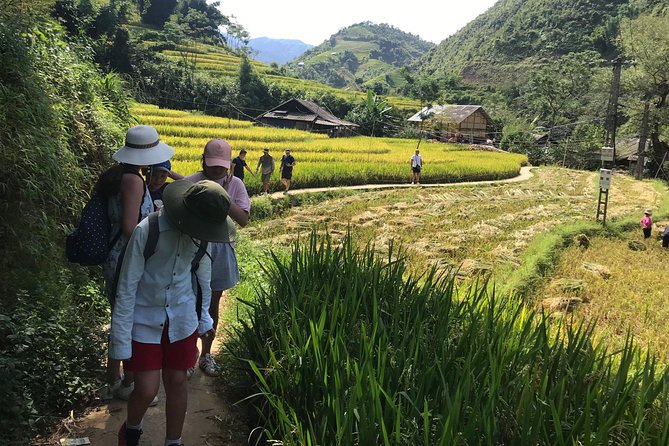
At $160 per person for about 3 days, the value comes from what’s included. You’re getting:
- Round-trip Dcar limousine: Hanoi → Sapa → Hanoi
- English-speaking guide
- 2 nights of hotel (3-star baseline, 5-star optional)
- Meals included: breakfasts (2) and lunches (3)
- Entrance fees included (with the village/walk segments showing free admission tickets in the schedule)
The biggest way this saves you money and stress is the transport and hotel pairing. You’re not separately arranging transfers, then haggling over timing. You also get guided structure on the key cultural and scenic stops.
The one “cost you should expect” is Fansipan. The tour flags that Fansipan cable car is not included, so treat it as an add-on rather than part of the base price. If you want Fansipan, you’ll need to budget for that decision.
Also note that holiday surcharges can apply. That’s normal for Vietnam tours, and it’s something to check when your dates overlap major holidays.
Overall, for most travelers, the deal feels strongest if you want a smooth itinerary from Hanoi without spending extra effort planning day-to-day.




Weather, pacing, and what to pack for cool Sapa days

Sapa’s temperature sits around 15°C on average, and the tour highlights something very real: Sapa often feels like it has four seasons a day. Morning can feel like spring, afternoons can be sunny and cooler like summer, evenings can drop toward winter chill, and clouds and dew can roll in.
So plan your clothing like you’re layering for a weather switch. I recommend a light insulated jacket or fleece plus something you can put on quickly if the temperature drops. A rain layer is also smart because dew and clouds are part of the local rhythm, even when the day starts bright.
Pacing matters too. The schedule has real walk time, but it doesn’t make you grind for hours. Still, you should bring walking shoes with grip. Trek days can mean damp paths, and Sapa doesn’t apologize for slick ground.
Finally, treat the itinerary as “guided with flexibility.” The tour experience is built to adjust around what the weather allows—especially when Fansipan is involved. That’s a good trade if you’d rather enjoy the day than chase a strict script.
Where this tour shines for your travel style
This package works best if you want:
- a comfortable start-to-finish Sapa trip from Hanoi
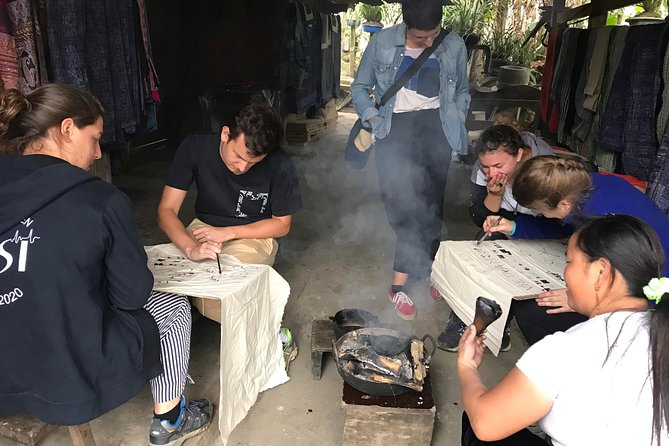
- guided time that helps you understand what you’re seeing in ethnic village areas
- two scenic walking days without needing to plan routes yourself
- a schedule that includes meals and hotels, so you can focus on the places
It may not be the best fit if:
- you’re unwilling to pay extra for Fansipan cable car
- you need a guaranteed summit moment regardless of fog or cloud
- you dislike colder weather and uphill walking, even on “moderate” treks
- you’re planning to do extra sightseeing immediately after arriving back in Hanoi at 8:30pm
Should you book this Sapa trek and Fansipan plan?
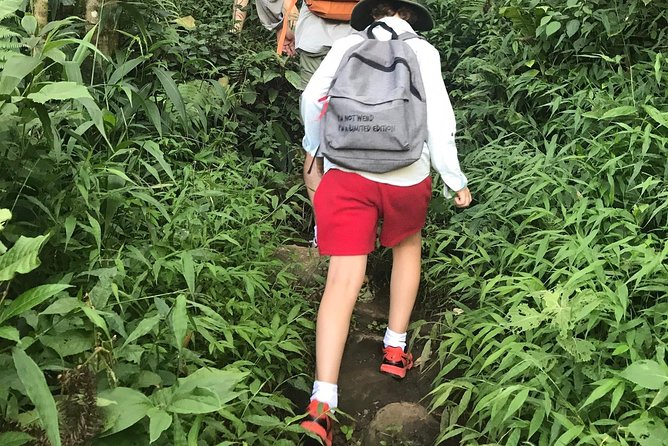
Yes, if your goal is a well-paced Sapa visit with easy Hanoi transport, two included trekking days, and cultural context that doesn’t feel like a rush. The price can feel like good value because transport, hotels, guides, and meals are bundled together.
I’d be cautious if Fansipan is your number-one must-do. The tour gives you time and options, but cable car is not included and weather can affect what’s practical. If you’re okay treating Fansipan as an add-on day plan—then you’ll likely come away happy.
FAQ
What time does the tour start in Hanoi?
It starts at 6:30am, with pickup or meet-up at the Hanoi Opera House.
Where is the meeting point and where do we end up?
The meeting point is Hanoi Opera House (1 Tràng Tiền, Hoàn Kiếm, Hà Nội), and the tour ends back at the same meeting point in Hanoi.
How long is the Sapa tour?
The duration is 3 days.
Is pickup included?
Yes, the tour indicates pickup offered.
What’s included in the price?
Included are Dcar limousine round-trip (Hanoi–Sapa–Hanoi), an English-speaking guide, entrance fees, 2 nights hotel (3-star or 5-star optional), plus breakfast (2) and lunch (3), with an air-conditioned vehicle.
What about Fansipan—what’s included and what isn’t?
Fansipan cable car isn’t included. The schedule allows you to discover Fansipan, but you’d cover those costs yourself.
How physically demanding are the treks?
The tour says you should have moderate physical fitness.
What group size should I expect?
The maximum group size is 10 travelers.
Is there free cancellation?
Yes. You can cancel up to 24 hours in advance for a full refund.