REVIEW · POKHARA
Nepal: Time For Easy Annapurna Base Camp Trek
Book on GetYourGuide →Operated by Travel Guides · Bookable on GetYourGuide
Five days, big Himalayan payoff. You’ll hike into the Annapurna region from Pokhara with a private group and a base-camp-focused route, plus strong guide support along the way. The standout part is how quickly the scenery ramps up—from forested trails toward high-altitude viewpoints—but the word easy can be misleading because it’s still steep, cold, and high.
I like that this trip gives you practical structure: a day-by-day rhythm, included permits/fees, and hotel rooms during the trekking days. I also like the human side of it: guides and porters who help with pacing, questions, and comfort. One caution: the “5-day” format can feel strenuous, especially if you’re not fit, get vertigo, or underestimate altitude.
In This Review
- Key Things That Make This Trek Worth Your Time
- Pokhara to Annapurna Base Camp: Why This “Easy” Format Can Still Hit Hard
- The Five-Day Walkthrough: What Each Stretch Is Like
- Day 1: Pokhara to Jhinu, Then Trek to Lower Sinuwa (2,300m, ~5 hours)
- Day 2: Lower Sinuwa to Deurali (3,200m, ~6 hours)
- Day 3: Deurali to Annapurna Base Camp via Machhapuchhre Base Camp (4,130m, ~4 hours)
- Day 4: Explore Annapurna Base Camp, Then Trek to Bamboo (2,400m, ~6 hours)
- Day 5: Bamboo to Jhinu, Then Drive Back to Pokhara (hot spring stop, ~6 hours)
- Altitude and the Real Meaning of “Easy” Here
- Guides and Porter Support: The Difference Between Surviving and Enjoying It
- Price and What You Actually Get for $180
- Food, Rooms, and Daily Comfort on a Short Trek
- Packing Tips That Fit This Route (Not a Generic Checklist)
- Weather, Acclimatization, and Safety Habits You Can Control
- Who This Trek Suits Best (and Who Should Think Twice)
- Should You Book This 5-Day Annapurna Base Camp Trek?
- FAQ
- How long is this Annapurna Base Camp trek?
- What does the $180 per person price include?
- Are meals included in the trek price?
- Do I need a porter?
- What languages are the guides available in?
- Where does pickup happen and how does it work?
- What should I bring for the trek?
- Can I cancel and get a full refund?
Key Things That Make This Trek Worth Your Time
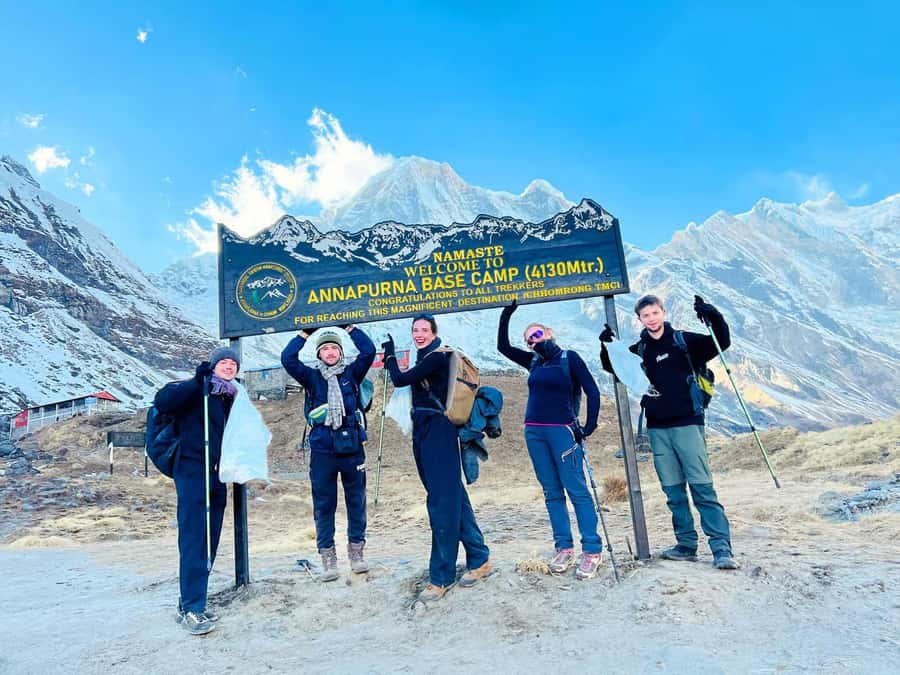
- A base camp destination in only 5 days so you don’t need a week away from normal life
- Iconic Annapurna views tied to a route that passes Machhapuchhre base-camp areas
- English-speaking guiding support plus Japanese/Chinese options for smoother communication
- Included logistics like permits, first aid, and hotel rooms during the trek
- Porter help is optional if you want to keep your legs fresher
- Real-world pacing attention that matters more than heroic speed up the trail
Pokhara to Annapurna Base Camp: Why This “Easy” Format Can Still Hit Hard
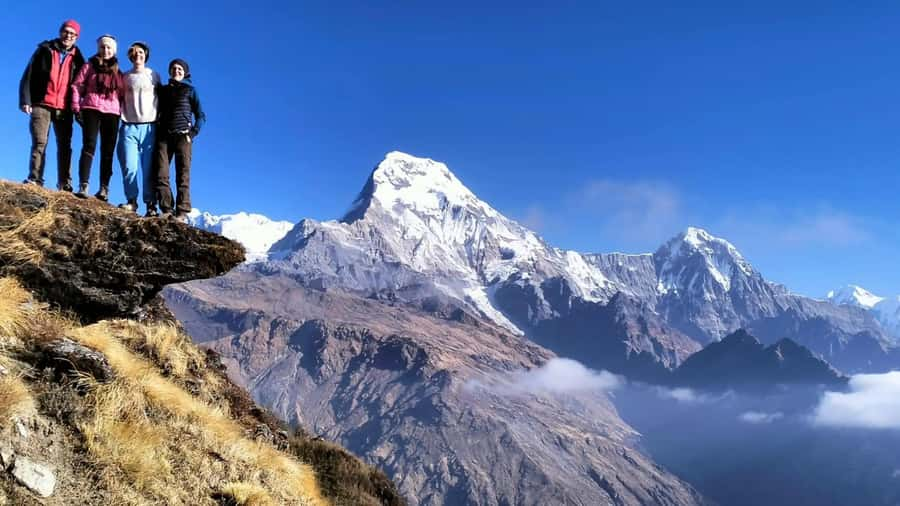
This trek starts with Pokhara, then walks you gradually into the Annapurna foothills and climbs toward Annapurna Base Camp in a tight time window. You’re not just collecting views—you’re moving through real terrain changes: forest paths, rocky sections, and higher, thinner-air walking as the days stack up.
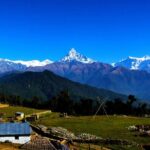
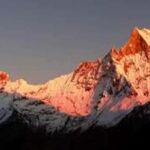
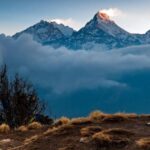
The biggest appeal for me is how the route tries to compress a classic goal into a short trek. You get dramatic mountain moments—Annapurna I, Annapurna South, Fishtail (Machhapuchhre), and even sightlines toward Dhaulagiri—without the longer commitment most Annapurna Base Camp itineraries demand.
But here’s the honest consideration: calling it easy doesn’t mean gentle. One recent group experience flagged that the hike can be extremely strenuous in parts, with long walking days and big altitude changes. If you’re easily spooked by steep drop-offs or you show altitude symptoms quickly, plan for a tougher day than the marketing suggests.
You can also read our reviews of more tours and experiences in Pokhara.
The Five-Day Walkthrough: What Each Stretch Is Like
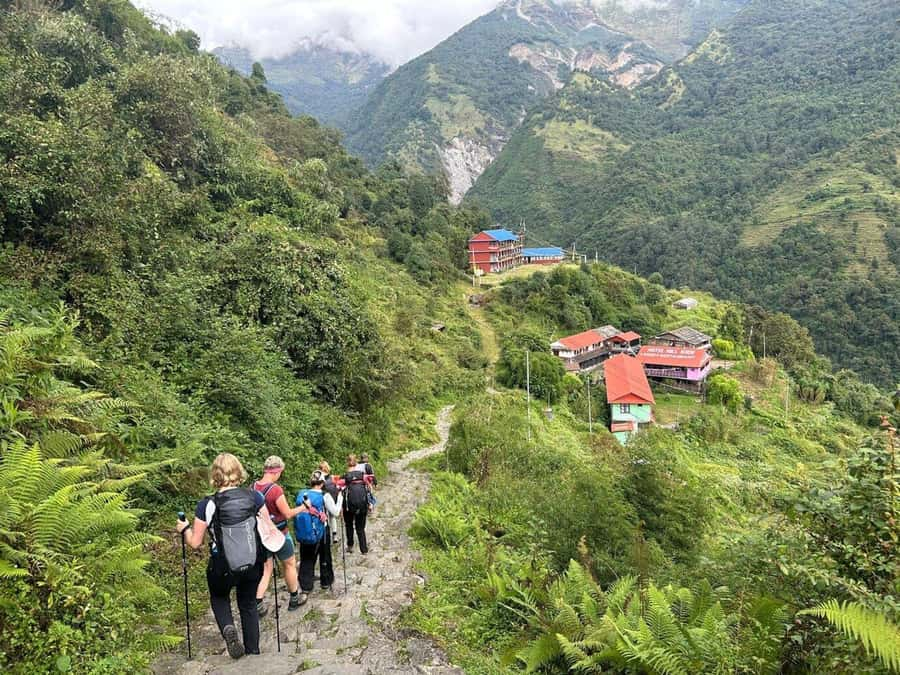
Below is what the trip days are built around, including the altitude targets and what each stop usually feels like on the ground.
Day 1: Pokhara to Jhinu, Then Trek to Lower Sinuwa (2,300m, ~5 hours)
You’ll drive out of Pokhara to the Jhinu area, then start trekking toward Lower Sinuwa. This is the day where your body “learns” the trail—steady uphill walking, the feel of uneven ground, and the slower start that keeps you from burning out too early.
Lower Sinuwa is also a good buffer day: you’re climbing, but you’re not instantly in full high-altitude mode. You’ll still want good socks and a solid breakfast, since the afternoon effort adds up quickly.
Day 2: Lower Sinuwa to Deurali (3,200m, ~6 hours)
Day two pushes you higher to Deurali. At this elevation, the air is noticeably different and the trail can feel more demanding, especially if you’re carrying your own pack.
This is usually a day for rhythm: short stops, consistent breathing, and letting your guide set the pace. If you’re the type who wants to power up fast, try to resist that urge—altitude punishes speed.
Day 3: Deurali to Annapurna Base Camp via Machhapuchhre Base Camp (4,130m, ~4 hours)
This is the “wow” day. You’re climbing to Annapurna Base Camp territory, passing through Machhapuchhre Base Camp areas along the way. The walking time is listed as about 4 hours, but the effort often feels bigger because the altitude changes how every step feels.
Expect the air to be crisp and colder as you gain height. This is a day where taking your time pays off: you’ll want moments to look around without losing your breath.
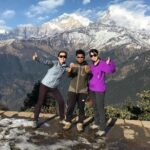
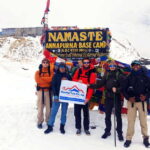
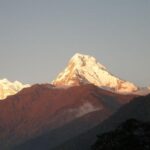
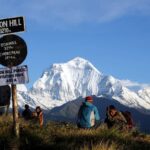
Day 4: Explore Annapurna Base Camp, Then Trek to Bamboo (2,400m, ~6 hours)
After reaching the high point, day four shifts into exploration mode—then it becomes a descent trek down toward Bamboo. Lowering altitude helps your body recover, but descending can still be tough on knees and calves.
You’ll spend time at Annapurna Base Camp itself, which is the point of the whole trip. Then you’ll keep moving to Bamboo for the next night, where you can finally feel like you’re walking in more familiar air.
Day 5: Bamboo to Jhinu, Then Drive Back to Pokhara (hot spring stop, ~6 hours)
Your final trek segment runs from Bamboo back to Jhinu, followed by a drive to Pokhara. There’s even a hot spring stop included, which is a nice way to end a short but serious trek—especially if your legs feel like they’re made of old bricks.
At this point, you’re not aiming for records. You’re aiming to finish strong, hydrate, and enjoy the return day without racing the clock.
Altitude and the Real Meaning of “Easy” Here
The trek is promoted as suitable for trekkers of all levels of experience, and it’s designed as a short 4-night/5-day circuit. Still, the route’s elevation and the compressed schedule can make it more strenuous than many people expect.
You should plan for at least three factors:
- Steep or demanding sections where endurance matters, not just technique
- Cold conditions as altitude rises—your body feels it fast
- Altitude risk, since acclimatization is crucial and the itinerary is tight
One key lesson you can take from real-world experiences on this route: don’t rely on the word easy. If you’re not currently doing regular cardio and strength training, start now. Also be honest about vertigo—if steep views or uneven drops trigger anxiety, this trip may not be your best match.
If altitude sickness is a concern for you, this trek is not suitable for people with altitude sickness. That’s not a suggestion; it’s a dealbreaker for safety.
Guides and Porter Support: The Difference Between Surviving and Enjoying It
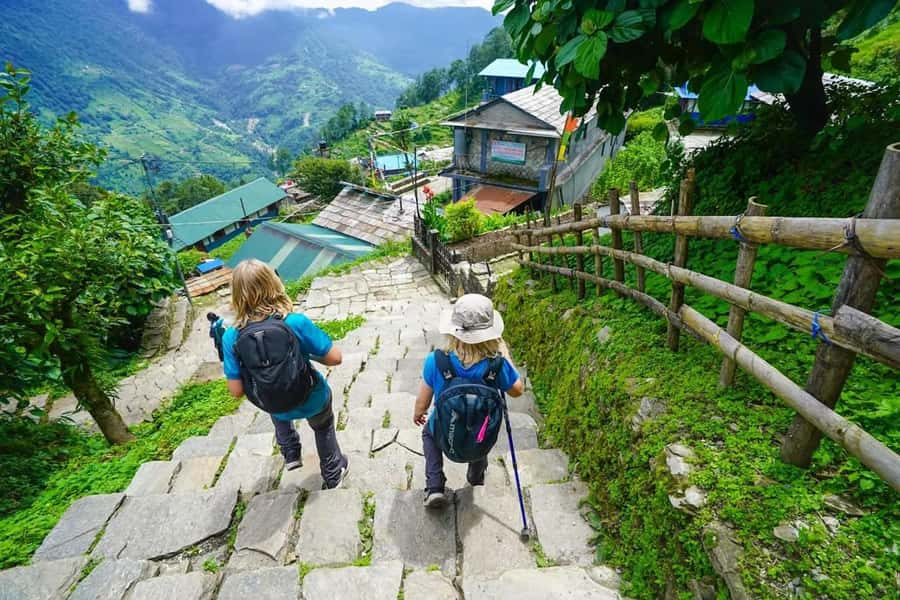
This trip runs with an English-speaking trekking guide, and the live guide languages also include Japanese and Chinese depending on your group. Your pickup is handled by the guide—wait about 10 minutes at your hotel lobby and they’ll come get you.
What matters most is not the language, but the pacing and care. In particular, guides on this style of trek tend to focus on safety, well-timed breaks, and making sure everyone stays steady rather than sprinting. If you’ve ever hit a point where you can’t tell if you’re pushing too hard, having someone who actively checks in is a big deal.
Porter help is optional at $25 per day. That can be a smart choice if you want your legs to do the work rather than your shoulders. With a porter, you can keep your backpack lighter and maintain a calmer walking rhythm—especially important on a shorter itinerary where fatigue stacks up faster.
Also, if you like getting photos at the right moments, pay attention to how your guide works. A good guide will help you pause at scenic points without ruining the schedule.
Price and What You Actually Get for $180
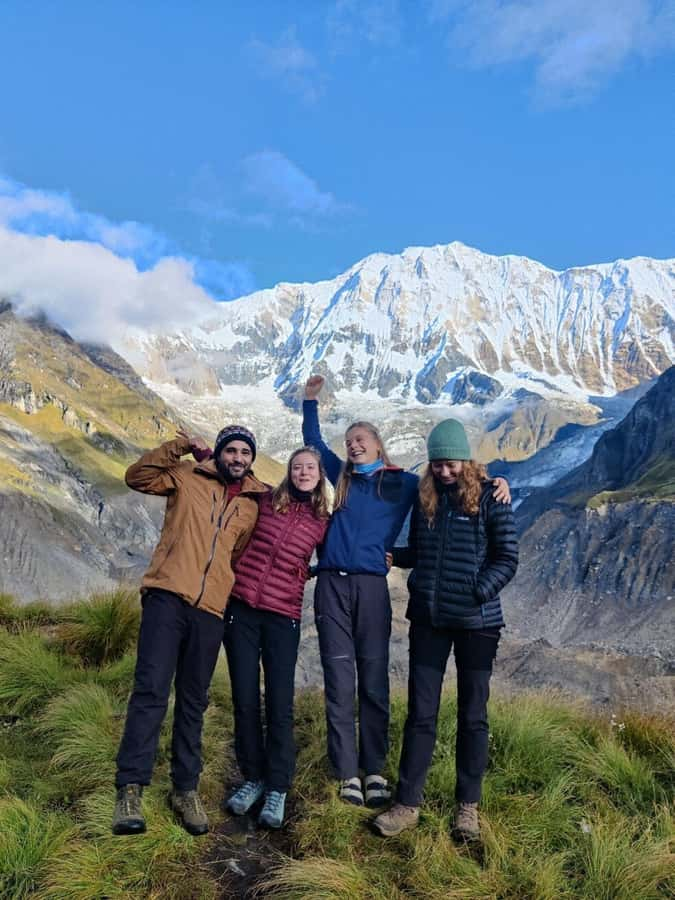
At $180 per person for 5 days, the value comes from what’s bundled rather than what you personally pay day-to-day. Included items cover the essentials for a guided Annapurna Base Camp trek:
- English-speaking trekking guide
- All permits and fees
- First aid
- Hotel rooms during trekking
- Sharing vehicle for drop and pick up
Then there are the main extras:
- Meals are not included, though you can purchase them
- A porter is optional at $25 per day
- Personal expenses are on you
For most people, meals end up being a major daily variable. The good news is you’ll typically find simple Nepal mountain foods like dal bhat, noodles, rice dishes, and soups. That’s the kind of food that helps you keep walking without needing a gourmet plan.
Food, Rooms, and Daily Comfort on a Short Trek
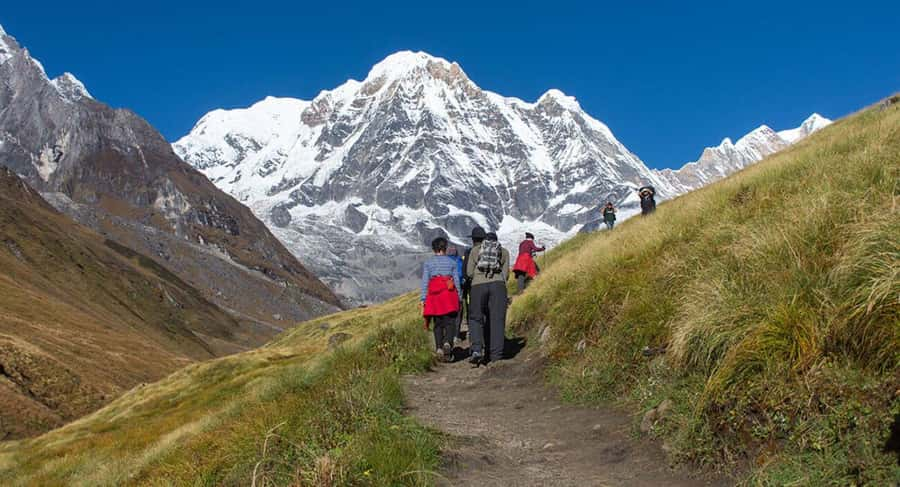
Even with only 5 days, you’ll still feel the rhythm of mountain trekking: walk, eat, rest, repeat. Since meals aren’t included, you’ll want cash on hand and be ready to buy what’s available that day. Nepalese Rupee (NPR) is the local currency mentioned for this trip.
As for sleep, “hotel rooms during trekking is available” means you’ll have a proper room setup rather than roughing it in a tent. That’s helpful when temperatures drop at higher altitudes and you need real recovery time.
Small practical tip: pack clothes you can layer. Temperatures can swing a lot at elevation, and the trek info explicitly flags that you should be prepared for both hot and cold conditions.
Packing Tips That Fit This Route (Not a Generic Checklist)
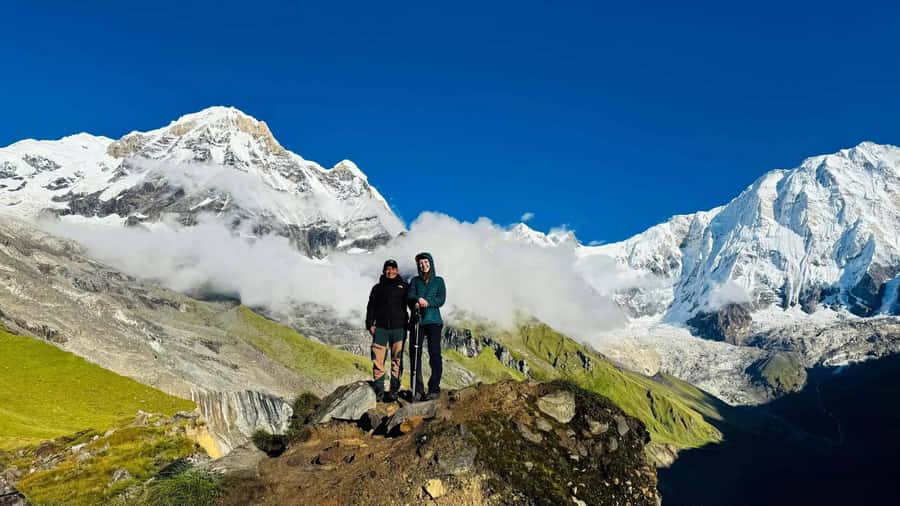
The essentials listed for this trek are basic, but they’re spot-on for Annapurna-style walking:
Bring:
- Passport or ID card
- Hat
- Jacket
- Comfortable clothes
- Breathable clothing
- Cash
- Headscarf
- Credit card (listed, though cash will still be essential)
A couple practical ways to apply that:
- Your jacket matters more than you think once you reach higher altitudes where wind and cold can hit fast.
- A hat and headscarf help with sun at lower elevations and cold windier moments as you climb.
Also note what you shouldn’t bring:
- Weapons or sharp objects
- Oversize luggage
- Alcohol and drugs
- Explosive substances
- Nudity
And one more “small but important” behavior note: dress modestly and ask before taking photos of people. On these trails, it helps you travel with respect and avoid awkward moments.
Weather, Acclimatization, and Safety Habits You Can Control
Acclimatization is crucial on this trek, and the trip guidance is clear about gradual ascent and hydration. Even if the schedule looks short on paper, your body needs time to adjust.
So I’d treat these habits as non-negotiable:
- Hydrate consistently, not just when you feel thirsty
- Move at the pace your guide sets, especially on the climb days
- Watch for symptoms and don’t try to “walk it off”
Your guide should also be attentive to weather and trail conditions. Safety-first pacing is part of why a good guide makes the trek feel possible.
Finally, temperatures can vary widely. Layering and planning for cold at higher altitude is a real advantage, not a comfort luxury.
Who This Trek Suits Best (and Who Should Think Twice)
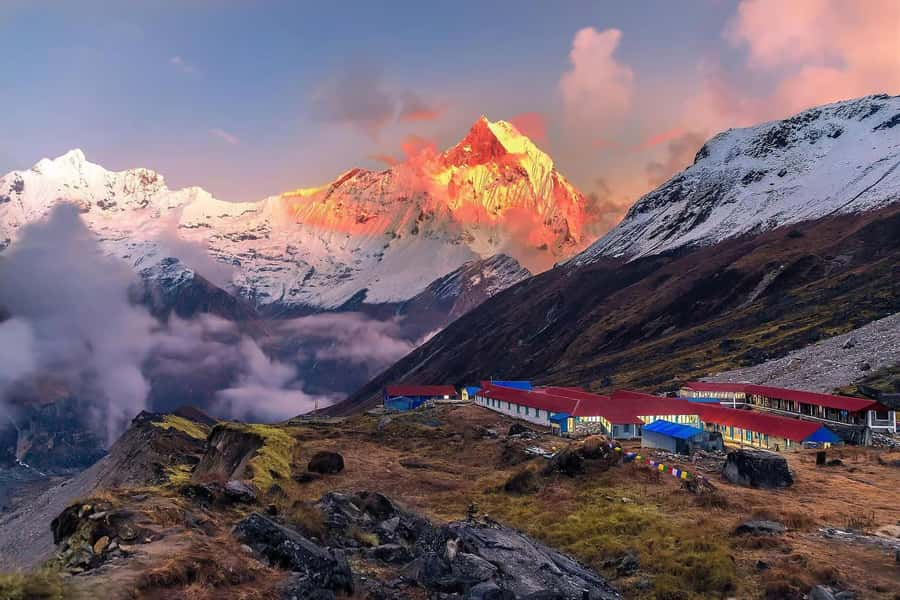
This 5-day Annapurna Base Camp trek is a strong match if you:
- Want a guided, structured trek with permits and accommodations handled
- Prefer a private group pace and communication
- Are willing to train beforehand (regular cardio and strength work are recommended)
- Understand that “easy” does not mean “zero effort”
It may not be the best fit if you:
- Have had altitude sickness before, or are currently dealing with related risks (this trek is not suitable for altitude sickness)
- Get vertigo easily, since parts can be steep and demanding
- Are over the stated age limit (not suitable for people over 95 years)
- Are traveling with a baby under 1 year
Should You Book This 5-Day Annapurna Base Camp Trek?
If you’re short on time but still want the core Annapurna Base Camp experience—big views, a guide-led route, and included basics—this is a reasonable way to do it. The included permits, first aid, and trekking guide remove a lot of planning stress, and the hotel rooms help recovery between walking days.
I’d book it if you’ll take preparation seriously and treat pacing like part of the itinerary, not a personal weakness. If you want a gentle stroll, though, you may end up fighting your own expectations. This is still a high-altitude trek in a compressed schedule, so go in fit, go in calm, and don’t bargain with safety.
FAQ
How long is this Annapurna Base Camp trek?
It’s a 5-day trek (4 nights / 5 days), with a day-by-day route from the Pokhara area up to Annapurna Base Camp and back.
What does the $180 per person price include?
The price includes an English-speaking trekking guide, first aid, all permits and fees, hotel rooms during the trekking days, and sharing vehicle transport for drop and pick up.
Are meals included in the trek price?
No. All meals are not included, but meals are available for purchase during the trek.
Do I need a porter?
A porter is optional. If you want one, it’s listed at $25 per day. If you prefer to carry everything yourself, you can, but the option exists to help lighten your load.
What languages are the guides available in?
The guide languages listed are Japanese, English, and Chinese, and the guide type includes an English-speaking trekking guide.
Where does pickup happen and how does it work?
Pickup is included. The guide waits for about 10 minutes at your hotel lobby and then comes to pick you up.
What should I bring for the trek?
You’ll want passport or ID, a hat, jacket, comfortable and breathable clothing, a headscarf, and cash. A credit card is also listed.
Can I cancel and get a full refund?
Yes. Free cancellation is listed up to 24 hours in advance for a full refund.