REVIEW · CHIANG MAI
Chiang Mai: 2 Days, 1 Night Non-Tourist Trek
Book on GetYourGuide →Operated by Mr.Whisky Jungle Trek · Bookable on GetYourGuide
Two days in the jungle, off the grid. This non-tourist trek pushes past the usual Chiang Mai crowd trails into a quieter jungle zone with an overnight with a local hill-tribe family.
I came away especially liking the jungle cooking session and the hands-on way you learn the forest, not just walk through it.
A fair heads-up: the homestay lodging is basic, and the bathroom situation may feel rustic if you’re picky about comfort.
In This Review
- Key highlights (worth caring about)
- Why this non-tourist Chiang Mai trek feels different from the usual
- What I like most: forest time with real people
- Day 1: hotel pickup, elephant camp care, jungle cooking, lantern night
- Elephant camp stop: why it’s more than a check-the-box photo
- Trekking in the jungle and learning the ecosystem
- Cooking and lunch inside the jungle
- Dinner together, then campfire and lantern release
- What the homestay night is like
- Day 2: breakfast, shorter jungle hike, waterfall swim, bamboo rafting, back to Chiang Mai
- Breakfast, then a shorter trek through the jungle
- Lunch, then waterfall time
- Bamboo rafting: 30–45 minutes of easy fun
- Return to Chiang Mai around late afternoon
- The trek level: altitude around 2000 meters and why ankle support pays off
- Rain happens, so bring weather gear
- Small-group size: up to 14 people, more chat time, less milling around
- Elephant care and the ethical vibe: what to look for on the ground
- Food, campfire rituals, and why the meal parts matter
- You cook lunch in the jungle, then eat together
- Lantern night: simple, memorable, and very Thailand
- Accommodation comfort: come ready, not complain-ready
- Value check: is $144 a fair price for 2 days?
- What to pack so the trek feels fun, not annoying
- Who should book this trek, and who should skip it
- Should you book the Mr. Whisky Jungle Trek (2 days, 1 night)?
- FAQ
- What is the group size for this trek?
- How long is the trip and when does it run?
- What’s included in the price?
- What languages do the guides provide?
- Is swimming involved?
- What should I bring for the jungle and overnight?
- Is there a cancellation window?
Key highlights (worth caring about)
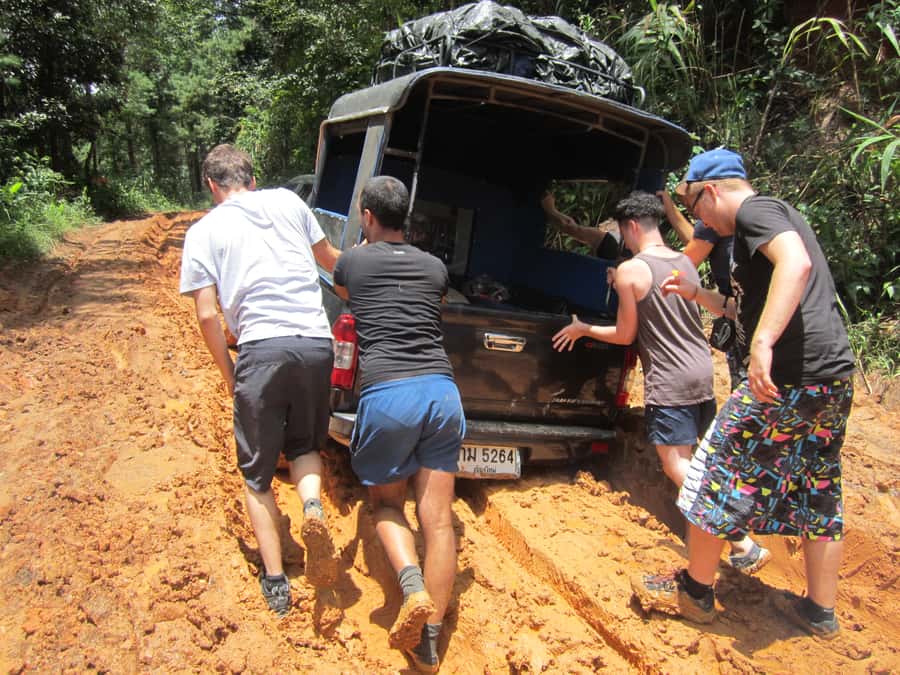
- Secret-feeling trekking area: you head far from the usual tourist routes for a more real-feeling jungle day
- Higher mountain trekking around 2000 meters: expect cooler air and more demanding footing than the lowland trails
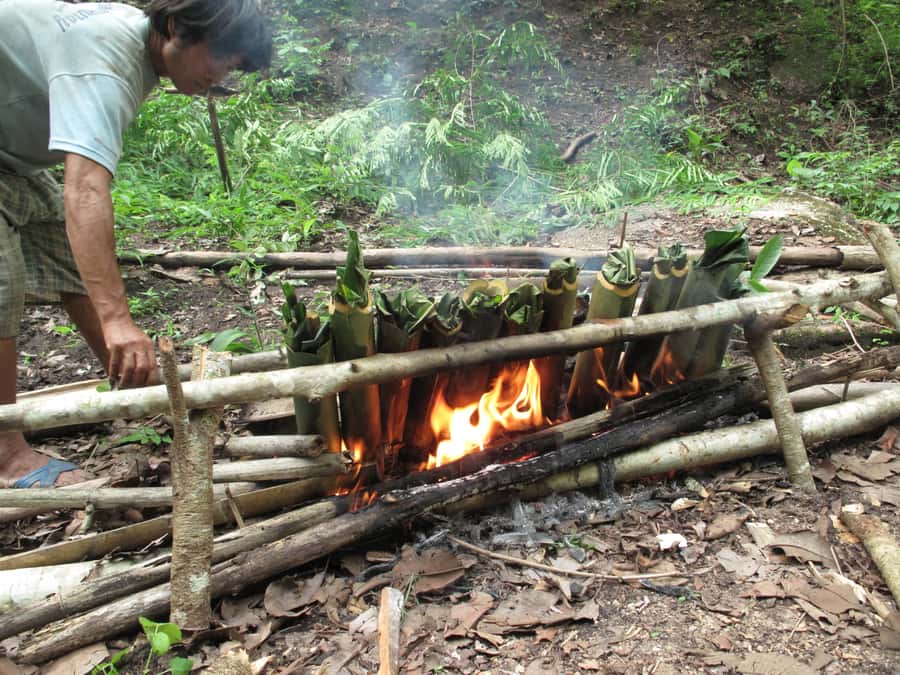
- Jungle meals you help make: cook in the forest, then dine together, big portions included
- Elephant camp with care time: the program includes elephant care, not just a quick photo stop
- Campfire lantern night: you release traditional Thailand lanterns after dinner and nightfall
- Small group up to 14 people: more like a shared adventure than a mass-tour shuffle
Why this non-tourist Chiang Mai trek feels different from the usual
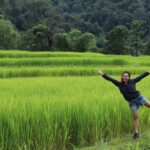
Chiang Mai has plenty of treks. Most of them feel like they run on the same schedule, on the same roads, with the same crowd energy. This one is built to go the other direction: far from tourists, into a secret jungle trekking area where the pace feels slower and the forest feels closer.
The “non-tourist” promise isn’t only marketing language. It shows up in how the day is put together. You’re not just hiking from viewpoint to viewpoint. You’re spending time learning the ecosystem, eating food you cooked yourself, and sleeping with a hill-tribe family in simple accommodations. That combo is why this experience sticks in your head.
You can also read our reviews of more tours and experiences in Chiang Mai.
What I like most: forest time with real people
Two parts consistently land well for people:
First, the time cooking and eating in the jungle. It turns the trek into something active, not passive. Second, the overnight with a local family. You’re not watching culture from a safe distance. You’re sharing a night, and that changes your understanding fast.
One more detail I appreciate: the guides. You’ll meet names like Mr. Whisky, Mr. Home, Wat, and Bancha depending on your group. The guides aren’t just there to lead. They’re there to explain how the jungle works and how traditional life connects to it.
Day 1: hotel pickup, elephant camp care, jungle cooking, lantern night
Day one starts early. You’ll get picked up from your hotel around 7:00 to 7:30 A.M. and you’ll head into the countryside.
Elephant camp stop: why it’s more than a check-the-box photo
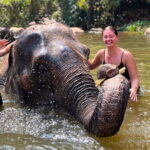
You’ll visit an elephant camp in the morning. Elephant care is included, so you’re not only observing. You’re doing part of the work as part of the day. It’s also done at a reserve/camp setting, which generally fits better with guests who care about how encounters are handled.
A practical note: this part is short enough not to steal the whole show. You still get moving into the jungle afterward.
Trekking in the jungle and learning the ecosystem
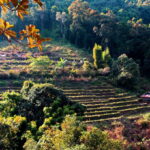
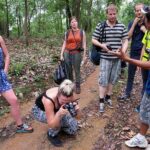
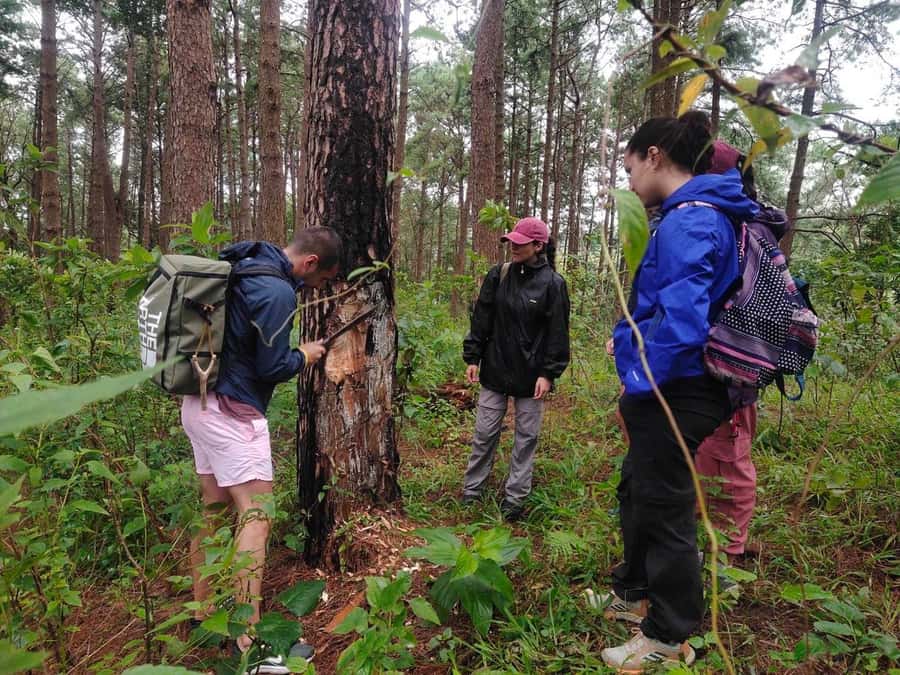
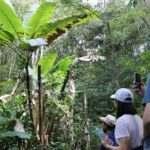
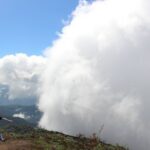
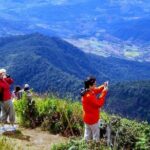
After the camp, the main trek begins. The hiking portion on day one is roughly 3–4 hours, and it’s focused on the forest itself: how plants and animals fit together, and what you can notice as you walk. This is where the “real trek” idea becomes tangible. The guide keeps you looking at the details instead of counting minutes.
Footwear matters here. A number of guests stressed that sturdy shoes help when the trail gets uneven and when the ground changes fast.
Cooking and lunch inside the jungle
This is one of the signature moments. You cook and have lunch in the jungle. And yes, you’re actually participating, not just watching. Food tends to be filling—people even describe it as more than enough for two people—so come hungry.
It’s also flexible. Vegetarian options have been mentioned as possible, which helps if your group includes someone who doesn’t eat meat.
Dinner together, then campfire and lantern release
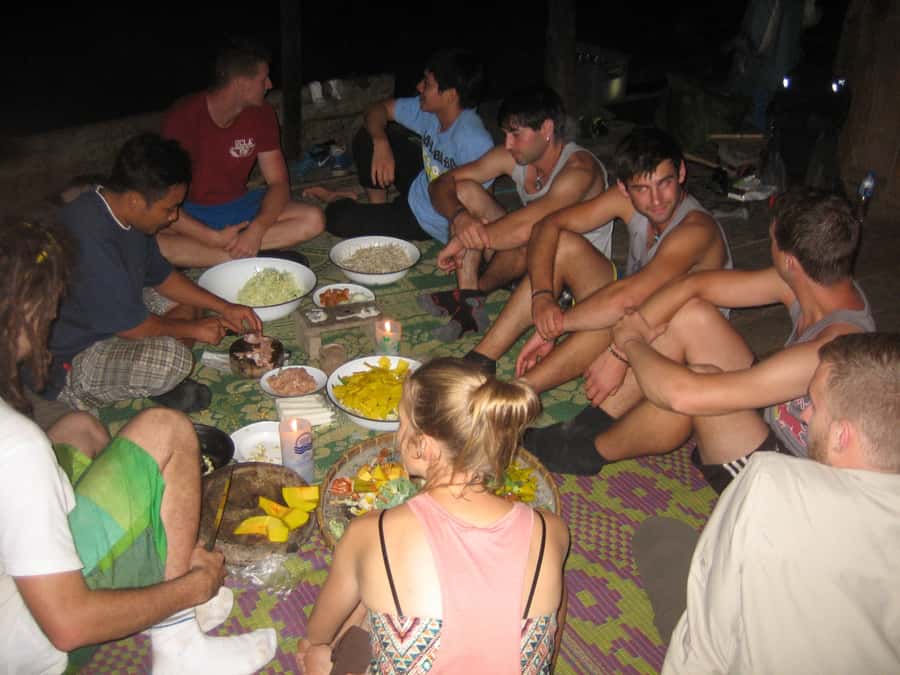
Later, you cook and eat together again. Night comes with a campfire, and then you release floating traditional Thailand lanterns in the evening moonlight. It’s a fun cultural moment, and it’s also one of the clearest “you’re really here” memories from the trip.
You’ll also sleep overnight with the hill-tribe family in cottage-style lodging (rustic, family-run, and built for living, not for tourists).
What the homestay night is like
Expect simple accommodations. Guests have described things like mosquito nets, blankets, and basic showers. In colder weather (New Year time was specifically noted), nights can get chilly, so bring warm layers even if the daytime feels mild.
Also, this is not a resort. You’ll want to be comfortable with basic facilities and an outdoor-ish rhythm.
Day 2: breakfast, shorter jungle hike, waterfall swim, bamboo rafting, back to Chiang Mai
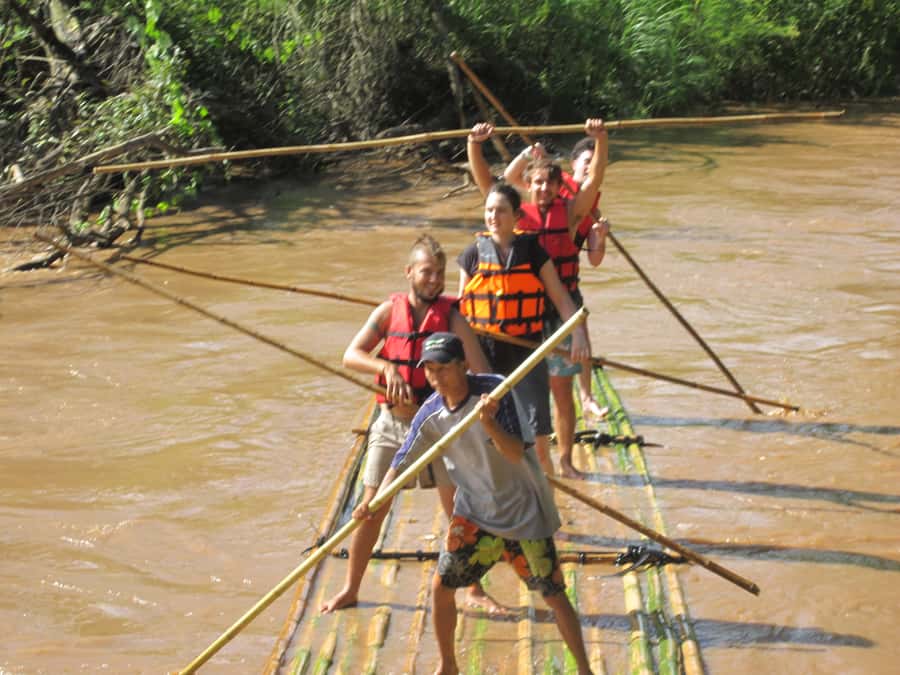
Day two is calmer in the morning, then turns fun fast in the afternoon.
Breakfast, then a shorter trek through the jungle
You’ll have breakfast with coffee or tea. Then you’ll do another jungle trek for about 2–3 hours. The goal here feels less like proving your fitness and more like finishing strong: take in the forest one more time, learn a few more details, and keep the group moving at a steady pace.
Depending on the guide and conditions, you might also get extra knowledge—some guests specifically mentioned learning herbs and using what they learned in simple ways.
Lunch, then waterfall time
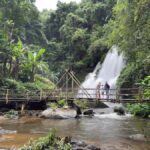
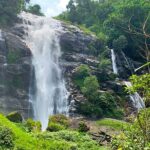
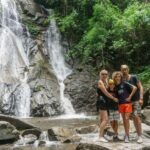
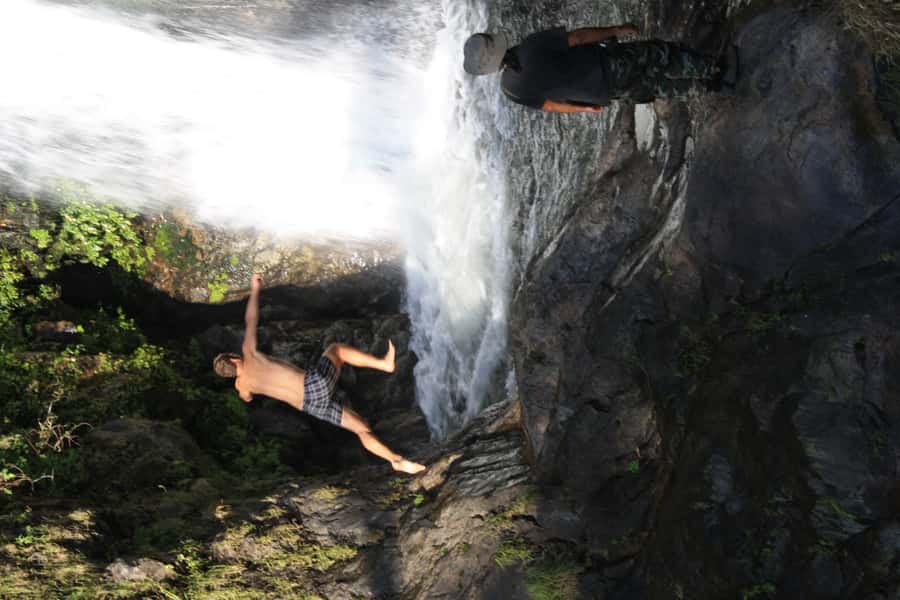
After lunch, you’ll head to a waterfall where you can swim and relax. This is a nice reset after a couple hours of hiking, and it also helps you cool down if the weather turns hot.
If you’re thinking about bringing swimwear, don’t overthink it. The program is built around getting wet at least once.
Bamboo rafting: 30–45 minutes of easy fun
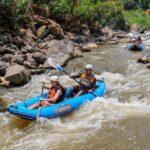
Next up is bamboo rafting, typically 30–45 minutes. Guests often describe it as relaxing and playful rather than intense, which makes it a good match for groups who want adventure without feeling like they’re still climbing.
Return to Chiang Mai around late afternoon
By late afternoon, you’ll head back to Chiang Mai, typically around 5:00 to 5:30 P.M. This matters because it means you’re not losing a whole extra day to logistics. You get a full trekking weekend feel without the trip stretching into a third day.
The trek level: altitude around 2000 meters and why ankle support pays off
This trek includes walking in higher mountain terrain—around 2000 meters above sea level. Even if you’re fit, that altitude plus jungle footing changes how your legs feel. You’re more likely to notice:
- slower pace on uneven ground
- more “careful steps” moments
- a need for grip and stable footing
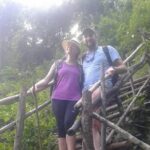
The hiking is often described as medium, sometimes with sections that feel tough. One guest noted that sturdier, ankle-support shoes help a lot when the trail gets steep or rocky.
Rain happens, so bring weather gear
Rain is part of the season. One guest described an intense rain period lasting about 1.5 hours, and advised bringing a rain cape or poncho. That’s sound advice because the jungle gets slick fast, and wet gear can ruin your comfort for the rest of the day.
If you’re the type who hates being damp, pack a small emergency setup: poncho/cape, a dry layer, and a plastic bag for your phone.
Small-group size: up to 14 people, more chat time, less milling around
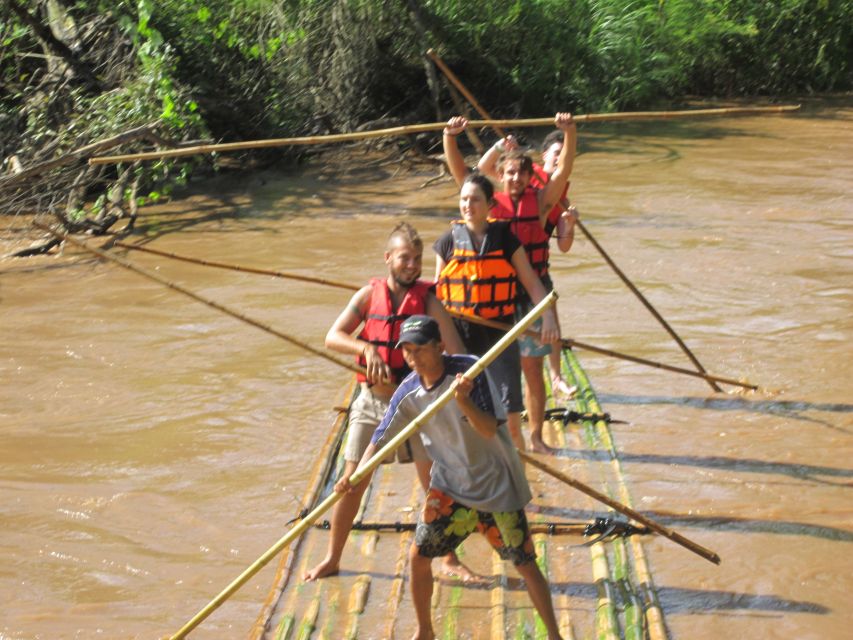
This experience is built for a small group, limited to 14 participants. That size matters. You’re not constantly separated into tiny teams or stuck behind slow walkers for long stretches. The guide can keep everyone moving together and can actually talk while you walk.
It also shapes the social side. Some guests pointed out you spend plenty of time with the same people, and you may not know in advance who will join you. If you enjoy meeting new folks, that’s a plus. If you prefer solitude, it might feel like a lot of togetherness.
Still, with a group that small, the vibe usually leans toward shared adventure. And guides like Mr. Home and Wat have been described as funny and friendly, which helps when the trail gets harder than expected.
Elephant care and the ethical vibe: what to look for on the ground
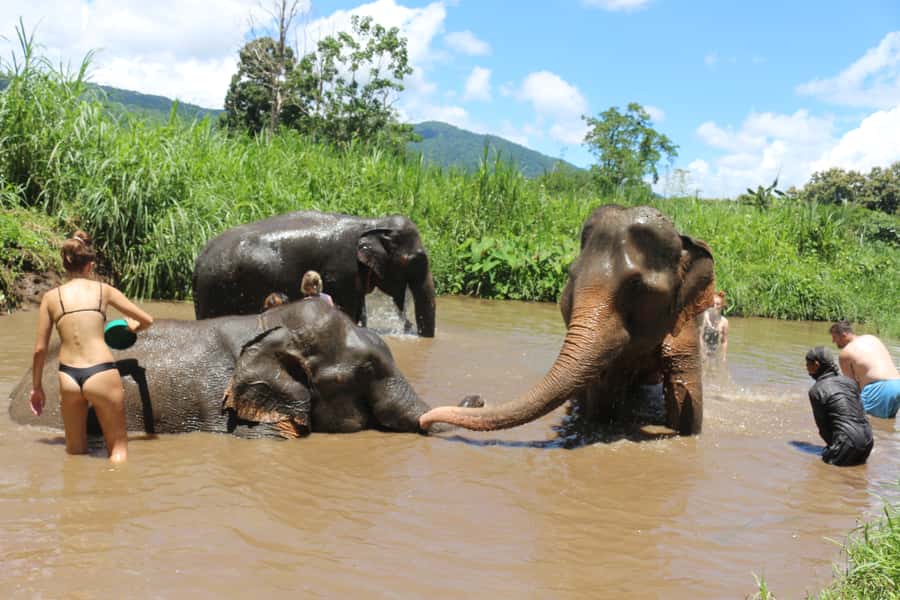
This tour includes elephant care as part of the day. That’s important because it suggests the program isn’t built around a quick photo and a ride-on stunt. It’s structured to involve caretaking.
Also, elephant encounters done at a reserve or camp setting generally work better than show-based attractions. Some guests said they felt the elephants were treated well at the sanctuary used for the encounter, which is exactly the kind of detail you should care about.
If you have strong feelings about animal ethics, watch how the handlers work, ask questions, and pay attention to how the elephants are treated during the care time.
Food, campfire rituals, and why the meal parts matter
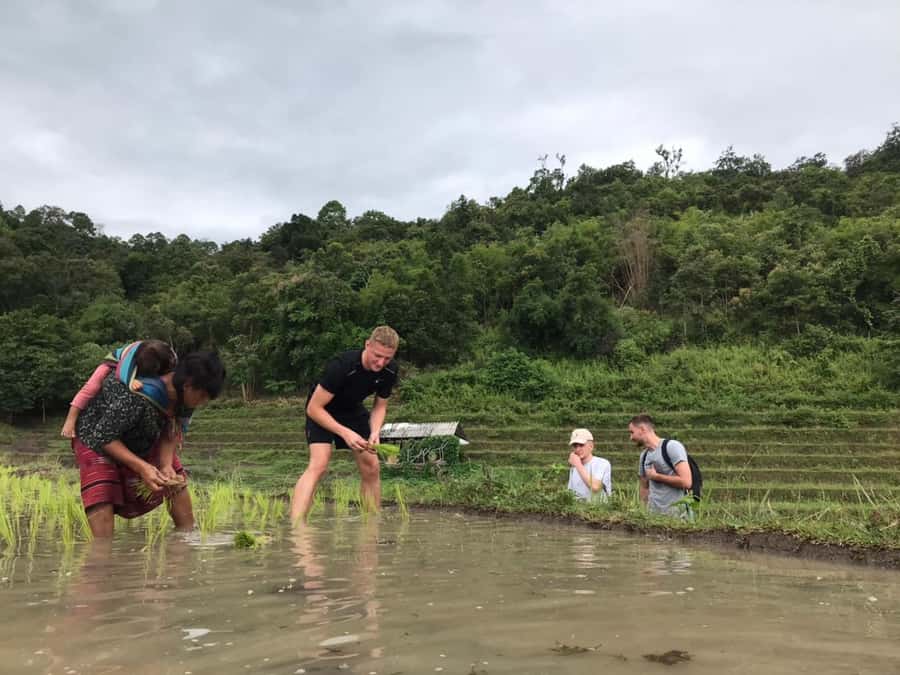
In a trekking program, meals can be either survival food or a real highlight. Here, meals are a feature.
You cook lunch in the jungle, then eat together
You cook and have lunch in the jungle, then cook and have dinner together at night. Guests praised the flavors and the portion sizes. That matters because it keeps energy up for trekking.
Lantern night: simple, memorable, and very Thailand
After campfire time comes the lantern release. It’s a classic cultural moment, and it fits the setting perfectly: night air, group energy, warm firelight, and something symbolic that feels special without being overproduced.
Accommodation comfort: come ready, not complain-ready
Sleeping is part of the experience. People described the lodging as basic but cozy enough for the jungle context: mosquito nets, blankets, and simple showers. If you’re used to hotels with strong water pressure and spotless bathrooms, you’ll feel the difference. If you can handle rustic comfort, you’ll probably love the setting.
And since nights can be cold during certain seasons, pack for that. Warm clothes at night aren’t optional.
Value check: is $144 a fair price for 2 days?
At $144 per person for 2 days and 1 night, this isn’t a bargain-style deal. You’re paying for more than transportation. The price covers:
- hotel pickup and drop-off
- a trekking guide and active forest learning
- all meals during the trek
- bamboo rafting
- overnight accommodation
- key gear like a head torch and sleeping bag
- elephant care and the elephant camp visit
For me, the value question comes down to this: would you pay to have a guide take you into a quieter jungle area, feed you properly, and handle the cooking logistics? In this program, you get that. You’re also getting activities that would normally cost extra on your own: rafting time, elephant camp entry and care portion, and an actual homestay night instead of just a day hike.
If you want a standard day trek with no overnight and no homestay, this price may feel high. If you want a full jungle experience with real community interaction, it starts to look fair fast.
What to pack so the trek feels fun, not annoying
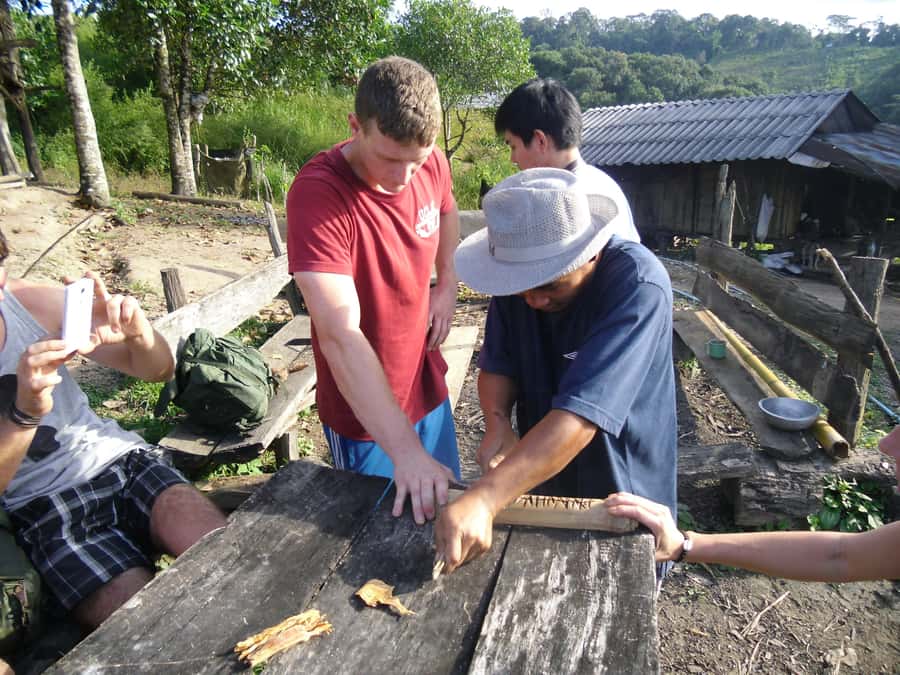
You don’t need to bring everything, but you do need the right basics. The program suggests bringing:
- comfortable shoes and also closed-toe shoes for safety
- a daypack
- hat and sunscreen (and biodegradable versions)
- insect repellent
- change of clothes, towel, swimwear, sandals/flip-flops
- anorak or poncho if you’re traveling in rainy months
- water and basic first aid supplies
- your phone charged for photos
Also consider these practical upgrades based on what people found helpful:
- ankle-support shoes if you want fewer ankle-roll worries on steep parts
- a dry bag or plastic bag for your phone if it rains
- warm layers for the night, since cold has been mentioned
Good news: you’re provided with some overnight essentials like a sleeping bag and a head torch, so you’re not packing full camping gear.
Who should book this trek, and who should skip it
This is a great fit if you want:
- a non-touristy jungle experience
- a real overnight with a hill-tribe family setting
- a mix of trekking plus activities like waterfall time and bamboo rafting
- hands-on moments: jungle cooking and learning from guides
It may not be ideal if:
- you dislike basic facilities (rustic shower and washroom comfort can be an issue)
- you’re not comfortable with uneven ground or medium trekking effort
- you’re sensitive to insects or weather changes
The tour also lists not suitable for pregnant women, wheelchair users, and people over 95 years, so take that seriously.
Should you book the Mr. Whisky Jungle Trek (2 days, 1 night)?
Book it if you want something more real than a checklist trek: forest time far from crowds, guided learning, cooking in the jungle, and a hill-tribe homestay night. The $144 price makes more sense when you factor in that meals, gear like a head torch and sleeping bag, and multiple activities are included.
Skip it if you’re chasing hotel-style comfort or if you can’t handle rustic bathrooms and the reality of jungle weather. This trip rewards flexible expectations. If you bring a good attitude and solid footwear, you’ll likely come home with the kind of story you don’t need to exaggerate.
FAQ
What is the group size for this trek?
The group is small, limited to 14 participants.
How long is the trip and when does it run?
It runs for 2 days and includes hotel pickup around 7:00–7:30 A.M. on the first day, with return to Chiang Mai around 5:00–5:30 P.M. on the second day.
What’s included in the price?
Included items cover transportation, elephant care, bamboo rafting, a trekking guide, all meals during the trek, accommodation, plus gear like a head torch and sleeping bag (and also a knife and slingshot).
What languages do the guides provide?
The live tour guide offers English and Thai. An English audio guide is also included.
Is swimming involved?
Yes. You’ll have time to swim and relax at a waterfall on the second day.
What should I bring for the jungle and overnight?
The trip suggests bringing comfortable shoes, hat, sunscreen, swimwear, change of clothes, towel, insect repellent, a daypack, water, and trekking gear like a first aid kit if you use one. You should also bring a closed-toe shoe option for better safety on uneven ground.
Is there a cancellation window?
Yes. It offers free cancellation up to 24 hours in advance for a full refund.