REVIEW · UGANDA
4 Days mount Elgon Trek, 4321m a.s.l
Book on Viator →Operated by Discover Sipi · Bookable on Viator
Wagagai feels close, yet the climb isn’t casual. This 4-day Mt Elgon trek takes you from Bushiyi Gate into high moorland and back down to Hunter’s Cave Camp, with the summit goal at 4,321m on the Ugandan side.
I love the built-in pacing: you climb to Shiloko, spend a night at Dubi camp around 3,300m, then go for Wagagai early. I also like the way the hike moves through changing habitats, from montane forest up to the high moorlands with giant lobelia and groundsel plants.
The main consideration is fitness and altitude. The day-one ascent is steep over about 6km, and you’ll top out at 4,321m, so you need a strong baseline. Also, meals are clearly covered, but accommodation is marked as not included, so check what that means for any hotel nights versus camping.
In This Review
- Key things to know before you go
- Mt. Elgon’s massive caldera and why Wagagai matters
- Getting to the trailhead: 06:30 pickup and the Mbale road run
- Day 1: Riverline Hotel breakfast, Bushiyi Gate registration, then Shiloko
- Day 2: Dubi camp at about 3,300m and summit prep
- Day 3: The 9km push to Wagagai at 4,321m
- Day 4: walking the crater and ending at Hunter’s Cave Camp (3,600m)
- Who runs the trek: rangers, porters, and the food side of the deal
- Price and value: is $550 per person a fair deal?
- Who this trek suits best (and who should think twice)
- Should you book this 4-day Mount Elgon trek?
- FAQ
- What is the highest point on this trek?
- How long is the Mount Elgon trek?
- Where is the pickup, and what time does it start?
- Which camps do we stay at during the hike?
- How far is the summit day hike to Wagagai?
- Is this a private trek?
- What meals are included?
- Is accommodation included?
- What if the weather is poor?
- Can I cancel for free?
Key things to know before you go
Wagagai Peak reaches 4,321m, and you’re doing it from the Ugandan side.
You’ll camp in stages: Shiloko, Dubi, and Hunter’s Cave Camp (about 3,600m).
Expect altitude changes and plant life, including giant lobelia and groundsel in open moorland.
The first day starts with a steep 6km climb after registrations at Bushiyi Gate.
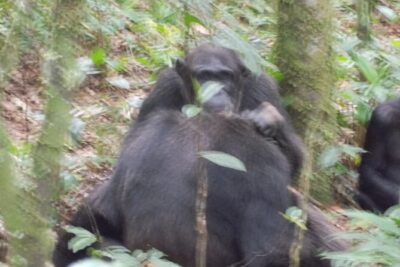
Wildlife is possible: forest monkeys, small antelope, and a chance of elephants and buffalo.
You pay $550 per person, with meals and local transportation included, but accommodation is listed as not included.
Mt. Elgon’s massive caldera and why Wagagai matters
Mt Elgon is a huge extinct volcano. It’s often described with big numbers too: roughly 50km wide east to west and 80km long north to south, making it one of the largest volcanic areas you can hike in the region. The mountain straddles Uganda and Kenya, but the highest point you’ll aim for on this trek is Wagagai Peak at 4,321m, and it sits on the Ugandan side.
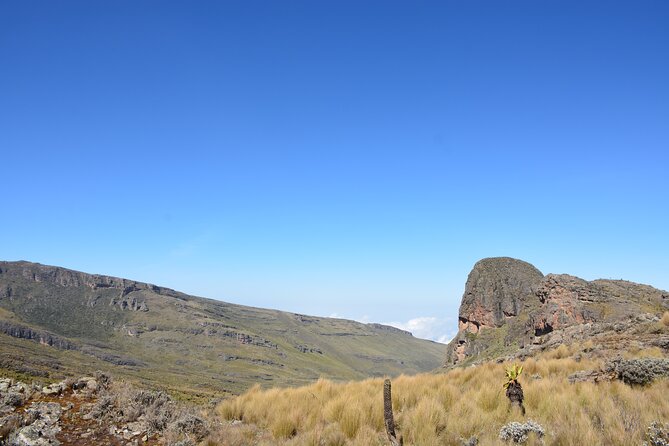
For hiking, that matters because you’re not just walking in a generic upland park. You’re climbing through altitudinal vegetation zones, from lower montane forest up to high open moorland. The moorland is where you start seeing the other-worldly plants—giant lobelia and groundsel are specifically mentioned as part of the experience here.
The big draw is views plus ecology. It’s also often called a neglected mountain compared with flashier options, and that can be a plus if you like quieter trails with a real sense of place.
Getting to the trailhead: 06:30 pickup and the Mbale road run
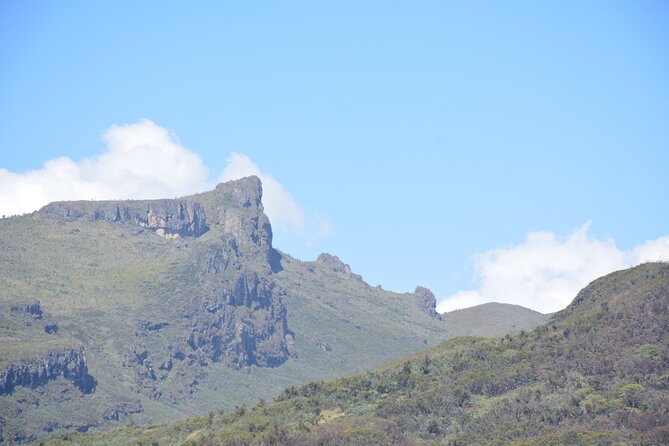
This trip is designed around an early start. You begin with pickup from Entebbe Airport at 06:30, then head east toward Mbale. Mbale is about 3–4 hours from Kampala along a good tarmac road, and from there you continue toward Mt Elgon.
Why you should care: a long road day can turn “a quick morning” into “a whole production,” especially if you’re not used to Ugandan travel times. Going early also gives you more daylight for the first stretch of hiking and helps you settle into altitude rather than rushing it.
Also note the starting point involves short motorbike transfers (boda bodas) on day one. If you’re sensitive to bumps or motion sickness, plan for that. It’s only listed as about 8–9kms, but it’s still part of the real-world experience.
Day 1: Riverline Hotel breakfast, Bushiyi Gate registration, then Shiloko
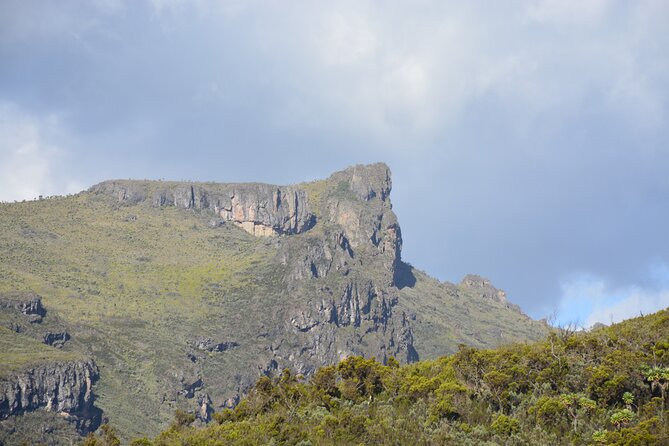
Day 1 starts after breakfast at Riverline Hotel. Then you transfer by boda bodas to the trail area through the community to reach the park entry and patrol office zone in Bududa village. The transfer is described as a close distance of 8–9kms, which means you’ll feel the shift quickly from road travel to the mountain routine.
You arrive at Bushiyi Gate for registrations and a briefing. This is where you meet the key people who keep the trek running: ranger guides, porters, and the cook. You also get the direction for the hike and your safety setup through that briefing.
Then it’s hiking time: about 6km on a steep climb to the first camp, Shiloko, where you have lunch and overnight. That steep first push is the reason day one includes acclimatization afterward. You’re not just grinding for distance—you’re getting your body used to climbing before the summit push.
What I like about this day: the structure is simple. Do the paperwork, meet the team, climb hard enough to feel it, then stop. It’s a style that suits hikers who want a clear plan without technical scrambling.
Possible drawback: if you’re used to gentle hiking, the day-one steepness may feel sudden. It’s not the longest day on paper, but it is the first day to test your legs.
Day 2: Dubi camp at about 3,300m and summit prep
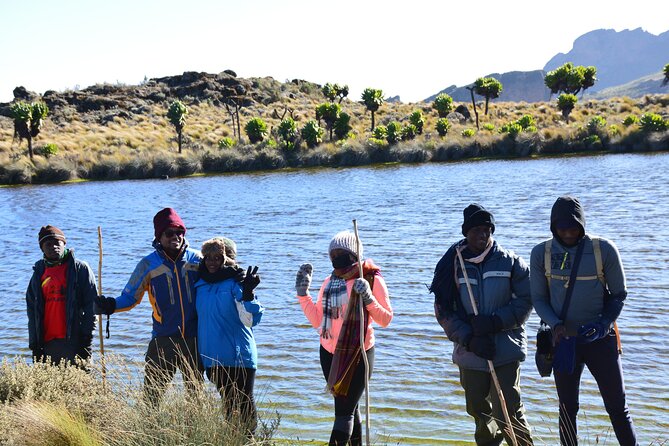
After an early breakfast, day 2 is a hike to Dubi camp, listed at about 3,300m. You overnight there to prepare for the summit day.
This camp choice is practical. You gain altitude gradually, and you get a full night at a meaningful height before you attempt the highest point at 4,321m. That matters because your summit day is not just long—it’s high.
What you’ll feel on this day is the slow rhythm of climbing: less about covering tons of ground, more about staying steady and getting your breathing to cooperate. The trek’s “undemanding” reputation is likely about the lack of technical difficulty, not that it’s easy. Staying calm and consistent on day 2 is how you arrive at day 3 with options.
Day 3: The 9km push to Wagagai at 4,321m
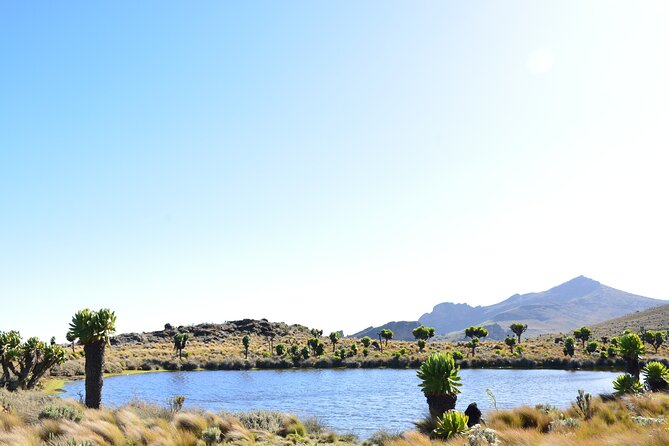
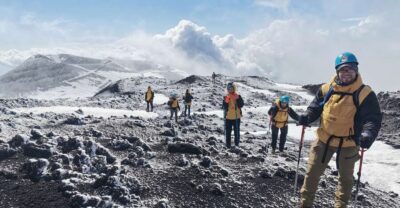
Day 3 is the summit day. You start early with breakfast, then hike about 9km toward Wagagai Peak (4,321m). The description calls out a mix of flat and steeper gentle climbs, so you’re not stuck only on steep uphills the whole time.
This mix is a good thing. Purely steep trails burn you out fast. A few flatter stretches let you reset your pace and keep form. Still, you’re going to feel altitude. The higher you go, the more you benefit from taking it slow, even if other hikers feel faster.
After reaching the summit, you return to either Dubi camp or Shiloko for your third night, depending on how you feel. That flexibility is worth appreciating. It’s a built-in “listen to your body” option, rather than forcing everyone into the same exact route after the peak.
If you want one takeaway: summit success here is more about steady effort than hero speed.
Day 4: walking the crater and ending at Hunter’s Cave Camp (3,600m)
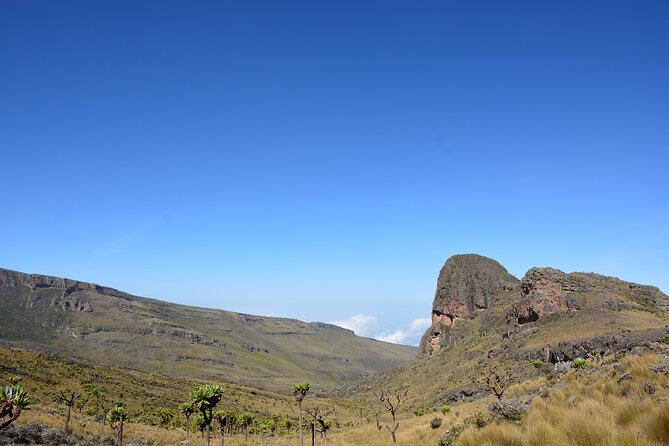
Day 4 brings a different kind of mountain moment. You walk across the crater, then camp at Hunter’s Cave Camp at about 3,600m. It’s a lower height than the summit day, but it’s still high enough that you’ll feel the mountain air.
At Hunter’s Cave Camp, meals are included: breakfast, lunch, and dinner. So you finish with proper “real meal” coverage, not just snacks and wishful thinking.
This day is a great payoff day. You’re not chasing altitude anymore; you’re absorbing the shape of the volcanic caldera and the sense of scale that makes Elgon so distinctive. Then you finish back at the meeting point arrangement.
Who runs the trek: rangers, porters, and the food side of the deal
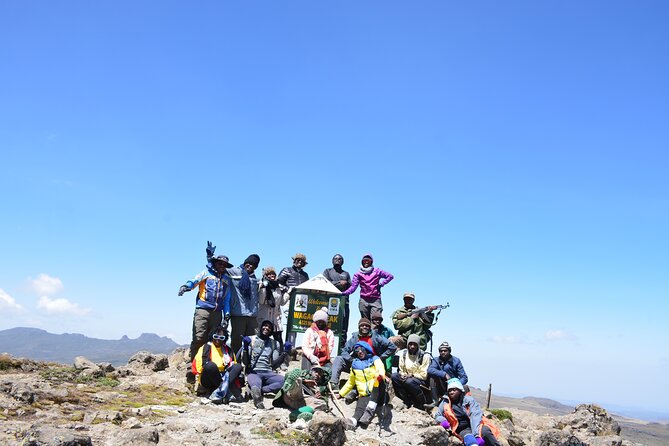
This trek isn’t just you and a track on a map. You meet a full team from the start, including ranger guides, porters, and the cook. That matters for two reasons: it keeps the trekking side organized, and it reduces the mental load for you after a long day.
The camping experience is also part of what people remember. In past feedback, the setup is described as well-organized, with camping and campfires under the stars included in the feel of the trip. Food gets specific praise too, described as fresh and supported by porters creating comfortable rest camps.
And one more thing that shows up in feedback about this operator: strong communication and motivation. A guide named William is repeatedly mentioned as responsive ahead of time and especially good at keeping hikers going during tough moments. You should still confirm who your guide is when booking, but the pattern is clear: you’re likely to get more support than just directions.
Price and value: is $550 per person a fair deal?
At $550 per person, this is positioned as a value trek, especially because key stuff is bundled. What’s included is local transportation, a tour guide, and meals (breakfast, lunch, dinner).
That bundle can be worth it if you don’t want to micromanage logistics in Uganda. The trek also uses a team setup—rangers, porters, and the cook—which is hard to DIY safely and smoothly.
Here’s the one place you need to be careful: accommodation is listed as not included, even though the trek clearly involves camping at Shiloko, Dubi, and Hunter’s Cave Camp. The cleanest way to interpret it is that you’re paying for the trek experience and camping nights through the tour package, while any hotel-style nights outside the trek might be separate. Before you pay, ask them to clarify exactly which nights are covered versus which are on you.
If you want maximum peace of mind, also confirm whether your $550 includes your return transfer to the meeting point after day 4, since the experience ends back at the meeting point but “private transportation” is listed as not included.
Who this trek suits best (and who should think twice)
This trek is best for hikers with strong physical fitness. You’re climbing up to 4,321m, doing a steep day one over about 6km, and then a summit day over about 9km.
It’s a good fit if you want:
- A structured multi-day trek with acclimatization built in
- Real mountain ecology changes, including giant lobelia and groundsel in higher moorland
- Wildlife chances like monkeys and small antelope, plus the possibility of larger animals
- A team-supported camping experience with meal coverage
You might think twice if you:
- Hate steep first-day climbs
- Get motion sick on boda boda transfers
- Prefer fully hotel-based lodging all nights (accommodation is marked as not included, so you need clarity)
Should you book this 4-day Mount Elgon trek?
I’d book it if your goal is a classic Uganda mountain trek with a meaningful summit at Wagagai (4,321m), plus the reward of moorland plants and crater scenery. The day-by-day structure also makes sense: you gain altitude, rest and prepare, then go up highest with flexibility afterward.
Before you commit, do two quick checks: confirm how accommodation is defined for your booking, and confirm your guide name and team. If those are clear, this is a strong value choice for hikers who want a quieter, less hyped mountain with real payoff.
FAQ
What is the highest point on this trek?
The summit goal is Wagagai Peak, at 4,321m above sea level.
How long is the Mount Elgon trek?
It runs for about 4 days.
Where is the pickup, and what time does it start?
Pickup is from Entebbe Airport at 06:30.
Which camps do we stay at during the hike?
You camp at Shiloko (first night), Dubi camp (second night), and Hunter’s Cave Camp (day 4). On the summit day return, you may sleep at Dubi camp or Shiloko depending on how you feel.
How far is the summit day hike to Wagagai?
The summit day includes a hike of about 9km to Wagagai.
Is this a private trek?
Yes. It’s described as a private tour/activity, and only your group participates.
What meals are included?
Meals included are breakfast, lunch, and dinner.
Is accommodation included?
Accommodation is listed as not included, even though the trek includes camping at camps. You should confirm what accommodation means for you (for example, whether any hotel nights are covered versus only trekking-camp nights).
What if the weather is poor?
This experience requires good weather. If it’s canceled due to poor weather, you’ll be offered a different date or a full refund.
Can I cancel for free?
Yes, there’s free cancellation up to 24 hours in advance for a full refund.