REVIEW · KATHMANDU
Everest Base Camp Trek and Kathmandu Tour: 15 Days
Book on Viator →Operated by Attractive Travels and Tours Pvt. Ltd. · Bookable on Viator
Everest is close, not just a dream. This 15-day trip ties Kathmandu culture to the Khumbu trek, with the big payoff at Kala Patthar and classic Everest viewpoints. You’ll also get a smooth rhythm: city mornings, mountain days, and a calmer return down from the high country.
I really like two things about this plan. First, it builds in altitude breathing room with a Namche rest day, plus time for the kind of slow, steady hiking that helps you function above 3,000 meters. Second, the core logistics are handled: flights to Lukla and back, a government-licensed guide, and a porter system so you’re not carrying everything yourself.
One possible drawback to weigh: you’re expected to bring your own trekking equipment, and the Kathmandu UNESCO entrance fees run extra (listed as $20 per person). If you want everything fully packed and paid up front, you’ll need to do a little budgeting.
In This Review
- Key Highlights You’ll Want to Know
- Kathmandu Valley First: Temples, Stupas, and Cremation-Real Bagmati
- From Kathmandu (or Ramechhap) to Lukla: The Start of the Roller-Coaster Flight
- Namche Bazaar: Acclimatization That Doesn’t Feel Like a Waste Day
- Tengboche and Dingboche: Monastery Quiet and Big-View Walking
- Lobuche and Gorak Shep: Memorial Stupas and Glacier-Path Feel
- Everest Base Camp and Kala Patthar: The Heights Moment That Changes You
- The Return: Namche Downshifts, Lukla Flights, Kathmandu Comfort
- Price and Logistics: Is $1,799 Worth It for This Mix of Trek and Temples?
- Weather, Fitness, and the Reality of Altitude
- Who Should Book This Everest Base Camp and Kathmandu Tour?
- Should You Book This One?
- FAQ
- What’s included in the Everest Base Camp trek package price?
- Are flights to Lukla included?
- Do I need to pay for Kathmandu UNESCO World Heritage site entrances?
- Do I need to bring my own trekking equipment?
- What kind of fitness level is required?
- What’s the maximum group size?
Key Highlights You’ll Want to Know
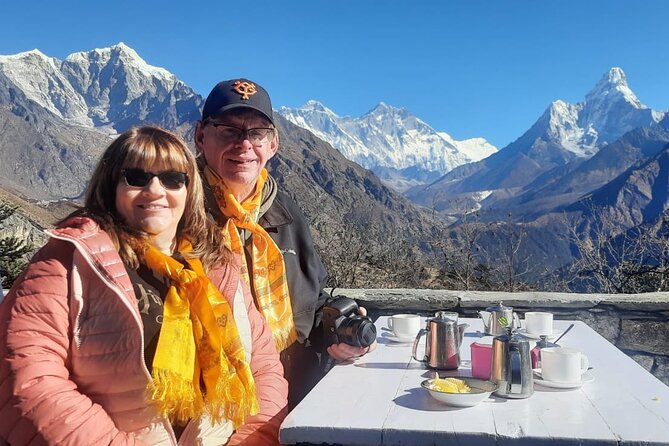
- Kala Patthar (5,644m) is a star moment for close Everest views and sunrise-style timing.
- The Namche Bazaar acclimatization day gives you a real chance to adjust before higher trails.
- Lukla flights plus a dramatic landing set the tone fast, right when the trip starts.
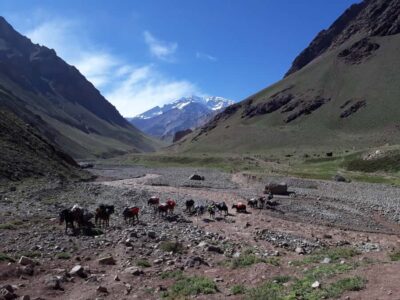
- Porter support for shared baggage keeps the hike more enjoyable and less heavy.
- Classic Khumbu route includes Everest Base Camp and glacier-path walking in the Gorak Shep area.
Kathmandu Valley First: Temples, Stupas, and Cremation-Real Bagmati
If you’re flying into Nepal thinking the whole trip is just mountain air, Kathmandu corrects that fast—in a good way. You’ll start with airport arrival and transfers to your hotel, then settle in before heading out to the Kathmandu Valley UNESCO sights.
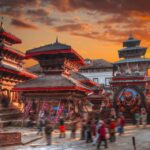
Swayambhunath (the Monkey Temple) is a classic opener. The views over the city are part of the point, but it’s also a steady introduction to how religious life shapes daily movement here. After that, you’ll visit Patan Durbar Square, a major concentration of temples and monuments and a reminder that Nepal’s art traditions are not just decoration—they’re history you can walk through.
Then comes the more emotional stop: Pashupatinath Temple on the Bagmati River, where you may see Hindu open cremation ceremonies along the riverbank. This isn’t a “touristy photo stop” in the usual sense. If you’re sensitive, you’ll want to move respectfully and give yourself a minute to process what you’re watching.
Finally, Boudhanath Stupa rounds out the mix with big Buddhist presence. Even if you don’t plan to study every detail, you’ll feel how people use this space: slow circles, prayers, and quiet repetition.
Tip for your first night: sleep early. Kathmandu is busy, but you’ll want energy for the flight to Lukla and the trekking rhythm that follows.
You can also read our reviews of more tours and experiences in Kathmandu.
From Kathmandu (or Ramechhap) to Lukla: The Start of the Roller-Coaster Flight
The trek begins with a short flight—either from Kathmandu or Ramechhap—to Lukla. This is one of those Nepal moments where logistics are part of the drama. The landing is described as roller-coaster style, and that matters because it sets expectations: you’re not easing into the mountains with a gentle ride.
Once you land, you trek onward to Manjo. This is your first taste of how the day changes at altitude: the air feels different, and your legs start learning the pace. You’ll also be on trails that connect small settlements rather than huge tourist corridors, which is where the Everest area becomes real.
From a planning standpoint, I like that your flights are included and tied to the trek package. It reduces the usual stress of trying to match flight times with hotel check-ins, permits, and guide availability. It doesn’t eliminate all headaches—weather can still matter in the Himalayas—but it keeps the start simpler.
What you should consider: flights can be weather-dependent anywhere in this region. The trip description notes the experience requires good weather. So if your travel style is strict, fixed, and non-negotiable, you’ll want flexibility in your wider Nepal schedule too.
Namche Bazaar: Acclimatization That Doesn’t Feel Like a Waste Day
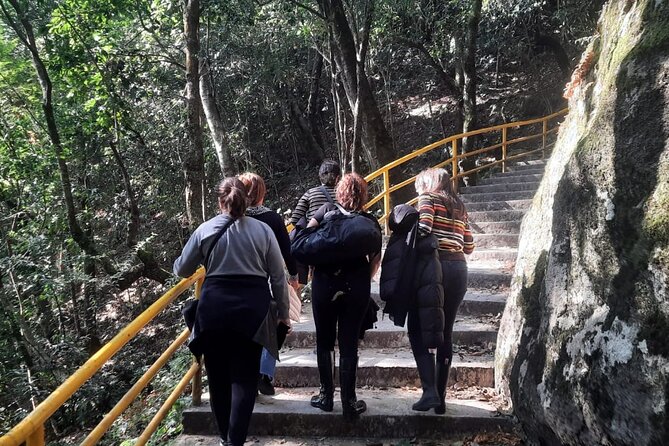
Namche Bazaar is where the Everest story becomes a lived-in town. The trek from the Manjo area continues toward Namche, with trail scenery described around rhododendron, magnolia, and large firs. That mix is more than pretty—tree cover makes early days feel less harsh, and the walking becomes easier to manage.
You’ll cross bridges along the way, which helps break up the distance and gives you constant small moments of switching perspective. Then you arrive in Namche, a bowl-shaped area that feels sheltered compared to higher ridgelines.
On the next day, you rest in Namche to adjust to the altitude. That’s a huge deal. You’re not just getting a break from walking—you’re giving your body time to catch up to the elevation. Many people rush this part on DIY trips and pay for it later. Here, the schedule builds in acclimatization so you can keep the rest of the trek more steady.
In the Everest region, acclimatization is not a theory. It affects your sleep, appetite, and how quickly you tire. Namche is a smart place for that adjustment, and the extra day helps you arrive at later villages with less strain.
If you love markets, people-watching, and the feeling of being in a real mountain hub, Namche is where that happens.
Tengboche and Dingboche: Monastery Quiet and Big-View Walking
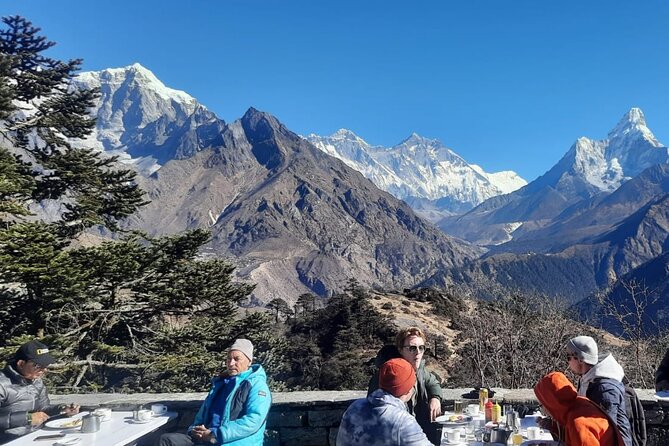
After Namche, the route continues toward the Tengboche area. You’ll pass through birch and rhododendron scenery, and the day includes the chance to visit the Tengboche monastery. This stop isn’t just optional scenery; monasteries in this region function like cultural anchors. Even if you don’t attend religious services, the architecture and the calm atmosphere help you understand why this trek isn’t only about climbing.
As you go higher, you’ll also notice the way the mountains start changing how they look. Views of peaks become more frequent and more dramatic, and you’ll start to see the classic names show up in your sights—especially around Dingboche.
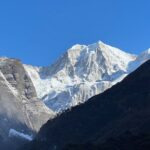
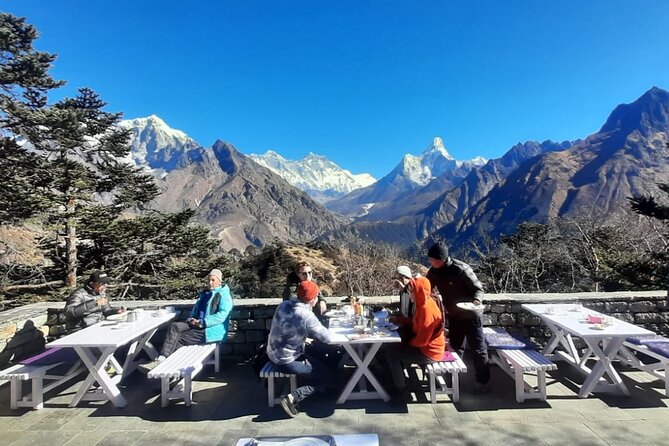
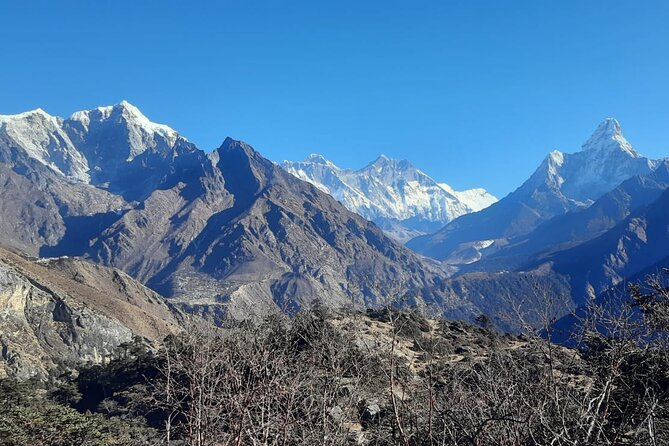
Dingboche is where the scenery described includes views of Mt. Everest, Lhotse, and Ama Dablam. That trio is a big reason this trek is so popular. When the air is clear, these peaks aren’t just distant shapes. You can feel the scale change as you walk.
The day-to-day walking between villages is also described as alternating descents and climbs. That’s realistic Everest trekking: you don’t gain elevation in a straight line. It’s more like a stair-step process with rest pockets, and it helps your body adjust without constant maximum strain.
Practical advice: pack an extra layer for Dingboche-level evenings. Even without exact temperature numbers, higher villages tend to cool fast after sunset.
Lobuche and Gorak Shep: Memorial Stupas and Glacier-Path Feel
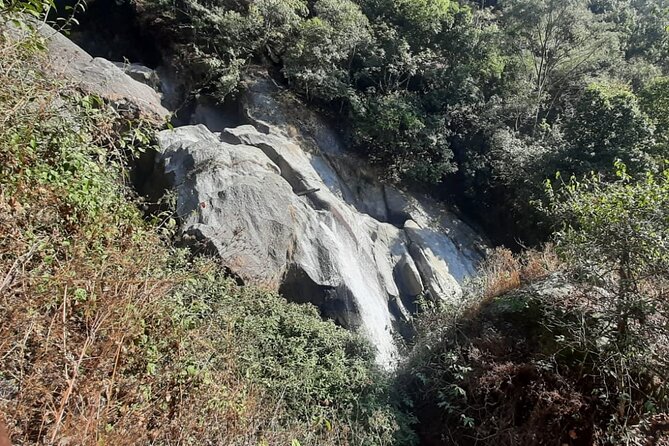
As the trek gets higher, it’s described as more challenging from Lobuche onward due to altitude. That fits what you’ll likely feel: breathing rate changes, and every uphill grind costs more.
The route includes a steep hill climb and a stop at Dungla, where you’ll observe memorial stupas. This is one of those emotional geography points. You’re walking through a place tied to many climbing efforts, and the memorials remind you there’s a history here that goes beyond sightseeing.
Then you continue toward Lobuche and onward to Gorak Shep. Gorak Shep is a working base area—simple, high, and surrounded by rough terrain. The trek to Everest Base Camp continues as you ascend and descend mostly on glacier path and rough ground. If you’ve never walked on glacier terrain before, it’s worth keeping your expectations flexible. The footing is different; your pace becomes slower and more focused.
At the same time, this section is where the views start to feel very close. Everest doesn’t feel like a postcard peak anymore. It feels like a presence.
If you’re prone to overthinking, focus on the simple mechanics: short steps, steady breathing, and water intake. You’ll enjoy the scenery more when you’re not rushing to reach it.
Everest Base Camp and Kala Patthar: The Heights Moment That Changes You
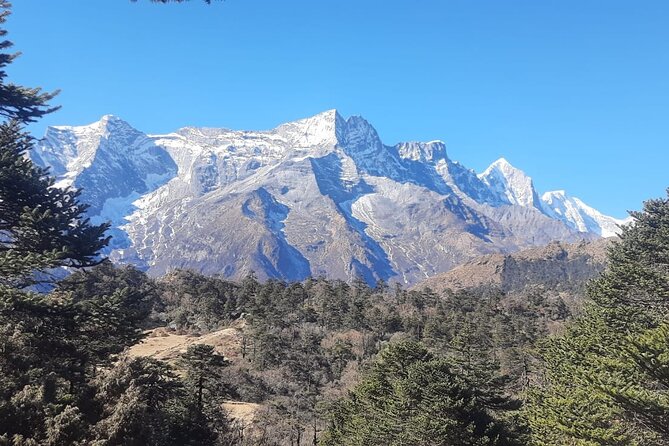
Reaching Everest Base Camp is the headline, but Kala Patthar is the real plot twist for most people. You’ll reach the base camp area after trekking through the high, rough approach described around Gorak Shep. Once you’re there, you’ll get that classic sense of standing at the edge of the Everest story—Khumbu Glacier and the icefall region are part of the emotional background of this trek even when you’re not always physically stepping right into the icefall zone.
From there, the schedule centers on Kala Patthar. You’ll climb up to the viewpoint area with an altitude noted at 5,644m. The description emphasizes outstanding mountain views from the summit area.
Even better, the plan includes another morning hike toward Kala Patthar specifically to watch sunrise. That means you get more than one shot at the big light and weather conditions. Sunrise timing matters in the Himalayas because it changes how peaks stand out. If visibility is good, this can be the moment where Everest looks sharp, not hazy.
One important reality check: the higher you go, the more weather matters. Cloud cover and wind can change how much you see. Still, the structure of having sunrise time built in is smart. It increases your odds of getting a clear, memorable view.
If you’re traveling with limited time and you want the iconic photo without feeling like you’re doing constant sprinting, this package’s emphasis on Kala Patthar timing fits that goal.
The Return: Namche Downshifts, Lukla Flights, Kathmandu Comfort
After Everest Base Camp, the return is its own experience. You’ll walk from the high country back toward Namche. The route described includes losing nearly 2,000 feet in altitude, which is a lot—so expect more time focused on controlling your pace on downhills.
You’ll cross a bridge over the Dudh Koshi River, then descend through rhododendron areas. That shift from stark high terrain to forested segments is a relief. It also gives your body a break from the constant cold exposure common at higher elevations.
Then you head back down toward Lukla. The route includes rocky walking and multiple suspension bridges, then a surfaced path before reaching Lukla. This final descent is where your legs will probably feel it most. It’s normal. If you’re planning to do extra sightseeing the day after you return to Kathmandu, go easy that first evening.
On the way back, your flight to Kathmandu is described as leaving early in the morning, followed by transfer to your hotel and some open time to explore. That’s a nice setup. It means you don’t lose all your Kathmandu energy on the last travel day.
Price and Logistics: Is $1,799 Worth It for This Mix of Trek and Temples?
At $1,799 per person, this is not a cheap adventure—but it’s also not the kind of price where you feel like you’re paying only for marketing. You’re paying for a full package that covers the big-ticket items: flights to Lukla and back, permits, guide services, porter support, and the Kathmandu hotel portion with meals.
Included items worth noting:
- Flight ticket Kathmandu or Ramechhap to Lukla and return
- Everest National Park permit
- A government License Holder Trek Guide
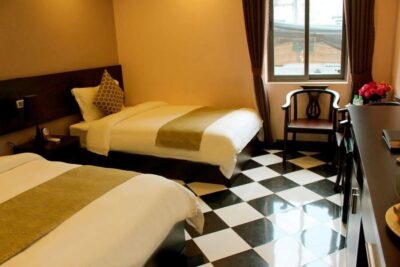
- 3 nights hotel in Kathmandu with breakfast
- Kathmandu UNESCO World Heritage Sites tour
- Meals through the trek (listed as 11 lunches, 11 dinners, and 13 breakfasts)
Also included: airport arrival and departure, plus pickup offered (as described) and a maximum group size of 15, which usually helps keep things from feeling like a giant moving crowd.
What’s not included (so you don’t get surprised):
- Travel insurance
- Kathmandu UNESCO entrance fees ($20 per person)
- Alcoholic drinks (everything except a cup of tea a day)
- Trekking equipment
- Nepal visa
My take: if you’re already the kind of traveler who doesn’t want to micromanage permits, guides, and flight timing, this price is easier to justify. If you need to buy a whole set of trekking gear anyway, add that cost early, because this package expects you to arrive equipped.
Weather, Fitness, and the Reality of Altitude
This experience is listed as requiring good weather. In practice, that means your trek can hinge on conditions, especially around higher points and flight days. You’re also told to have moderate physical fitness level, which is reasonable for an Everest Base Camp trek when paired with acclimatization days like the one in Namche.
Your best approach is to treat the itinerary as a pacing plan, not a race. The schedule includes rest and acclimatization steps, but you still need to hike daily at elevation. Bring a mindset of steady effort, and you’ll likely feel better than someone who tries to “finish strong” every day.
Group size is capped at 15 travelers. That tends to help with organization. You’ll still be sharing the trail with other walkers in the region, but your trip won’t feel like mass tourism.
Who Should Book This Everest Base Camp and Kathmandu Tour?
You’ll get the best match if you want:
- A classic Everest Base Camp trekking experience with Kala Patthar as a key goal
- A Kathmandu add-on that covers major UNESCO sites in a logical order
- A guided, structured plan that includes flights and permits
- Porter support so you can hike more comfortably
You might rethink the fit if:
- You hate carrying gear and don’t want to handle the cost of trekking equipment on your own
- You want a trip where weather disruptions are unacceptable
- You’re looking for a super low-budget option (this includes a lot that DIY trips often struggle to assemble cleanly)
Should You Book This One?
I think this is a solid choice if you want an Everest trek with fewer moving parts. The value comes from the combination of included Lukla flights, a licensed guide, porter help, and the Kathmandu UNESCO program—so you’re not juggling five separate vendors.
My decision rule is simple: if you can handle altitude, pack your own trekking gear, and keep some flexibility for mountain weather, this package fits well. If you need totally predictable timing, add a lot of buffer time to your Nepal trip outside these 15 days.
FAQ
What’s included in the Everest Base Camp trek package price?
The price includes airport arrival and departure, the Everest National Park permit, flights from Kathmandu or Ramechhap to Lukla and back, a government-licensed trek guide, and porter support (with a 2 guests to 1 porter ratio for baggage). It also includes 3 nights of hotel in Kathmandu with breakfast and the Kathmandu UNESCO sites tour, plus meals during the trek (11 lunches, 11 dinners, and 13 breakfasts).
Are flights to Lukla included?
Yes. The package includes flights from Kathmandu or Ramechhap to Lukla and return.
Do I need to pay for Kathmandu UNESCO World Heritage site entrances?
Yes. Kathmandu UNESCO entrance fees are not included and are listed as $20 per person.
Do I need to bring my own trekking equipment?
Yes. Trekking equipment is not included, and you’re required to bring your own trekking equipment.
What kind of fitness level is required?
The information provided says travelers should have a moderate physical fitness level.
What’s the maximum group size?
This tour/activity has a maximum of 15 travelers.