REVIEW · HANOI
From Hanoi: 2-Day Sapa-Fansipan Peak & Trek & Ha Giang Bus
Book on GetYourGuide →Operated by CÔNG TY TNHH KỲ NGHỈ NINH BÌNH · Bookable on GetYourGuide
Sapa in two days is possible. I love how smoothly the transfers run from Hanoi to Sapa and back, and the Lao Chai – Ta Van trek guided by Song brings you into real village life. The main catch is that the Fansipan cable car ticket is extra, and Sapa weather (cold and sometimes foggy) can change your plans fast.
You also get two big “wow” moments without overthinking logistics: rice-terrace walking along the Muong Hoa stream, then a quick ride up to Fansipan Peak followed by the 600-step climb for roof-of-Indochina views. If you’re short on time, this is one of the more efficient ways to see the highlights.
This trip is built for active walking, not for relaxing all day in a van. Pack warm clothes, and know it’s not suitable for pregnant women.
In This Review
- Key highlights to look forward to
- How This Sapa-to-Fansipan Plan Works (Without Chaos)
- Day 1: Hanoi to Sapa by early transport, then Lao Chai – Ta Van
- The trek: rice terraces, mountain paths, and real village conversations
- Day 2 at Fansipan: cable car up, pagoda stops, then 600 steps
- Back to Hanoi or onward to Ha Giang: pick your next move
- Option A: Return to Hanoi by Limousine bus
- Option B: Continue directly to Ha Giang from Sapa
- Price and value: what’s included, what’s extra, and what it means for you
- What to pack for cold, foggy Sapa and real steps
- Comfort, pace, and who should choose this (or skip it)
- The standout: organization and a guide who makes the trek make sense
- Should you book this 2-day Sapa–Fansipan–Ha Giang option?
- FAQ
- Is the Fansipan cable car ticket included?
- What meals are included during the tour?
- Where do you meet in Hanoi?
- How long does it take to get from Sapa to Ha Giang?
- What should I bring for Sapa’s weather?
- Is this tour suitable for everyone?
Key highlights to look forward to
- Organized Hanoi–Sapa handoffs: early departure, clear meeting point, and a return timed for your next step
- Village trek with guide Song: Lao Chai to Ta Van with cultural context, not just photos
- Rice terraces and Muong Hoa Stream scenery: a scenic hike that feels grounded in daily life
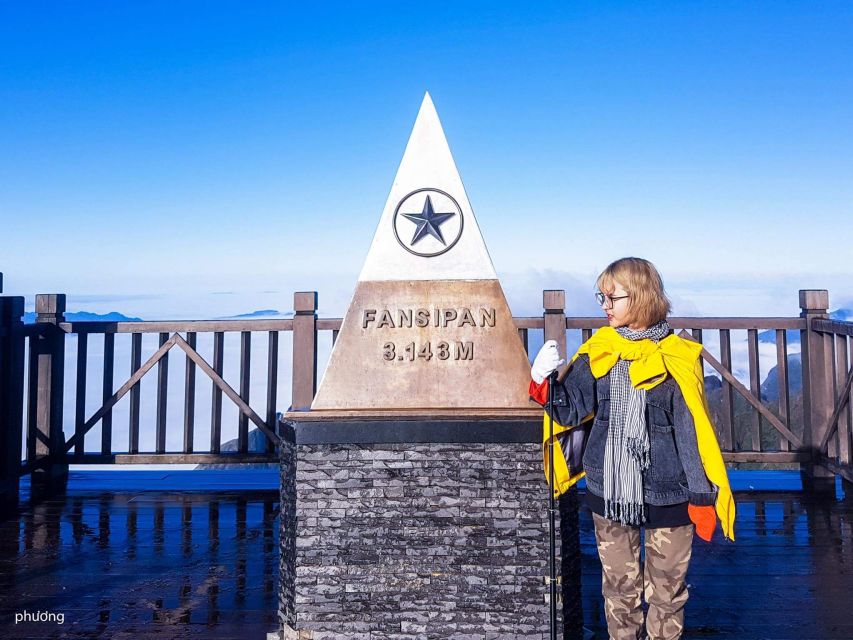
- Fansipan Peak by cable car: a fast way up, then the “finish” with the 600 steps
- Flexible onward travel to Ha Giang: choose a daytime or late option from Sapa
- Real meals included: lunch and dinner stops that keep you from hunting food on the go
How This Sapa-to-Fansipan Plan Works (Without Chaos)
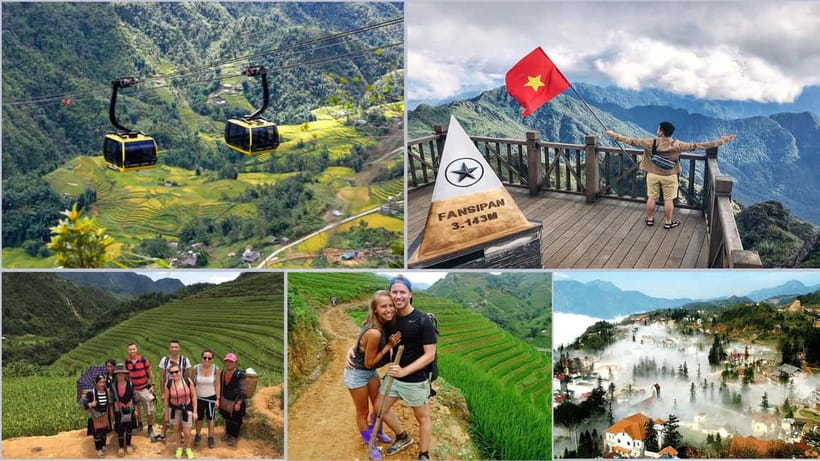
This is a tight, practical two-day route through Northern Vietnam’s mountain region. Instead of trying to self-plan buses, tickets, and meeting points every step of the way, you rely on a local support team to keep you moving.
On Day 1, you travel from Hanoi to Sapa early, eat lunch on arrival, then hike through the rice-terrace area toward Lao Chai and Ta Van. On Day 2, you transfer to the cable car area, go up to Fansipan, climb the steps to the top, then return for lunch and either go back to Hanoi or continue onward.
Two things make this format valuable for most travelers. First, you get the nature highlights on a real schedule instead of stacking random half-days. Second, the included guide support turns the trek from a walk into an understanding of local life.
You can also read our reviews of more tours and experiences in Hanoi.
Day 1: Hanoi to Sapa by early transport, then Lao Chai – Ta Van
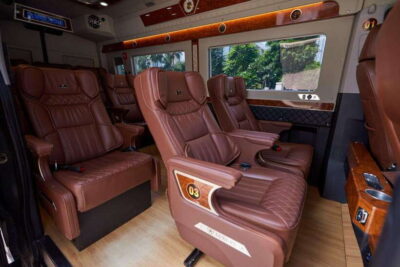
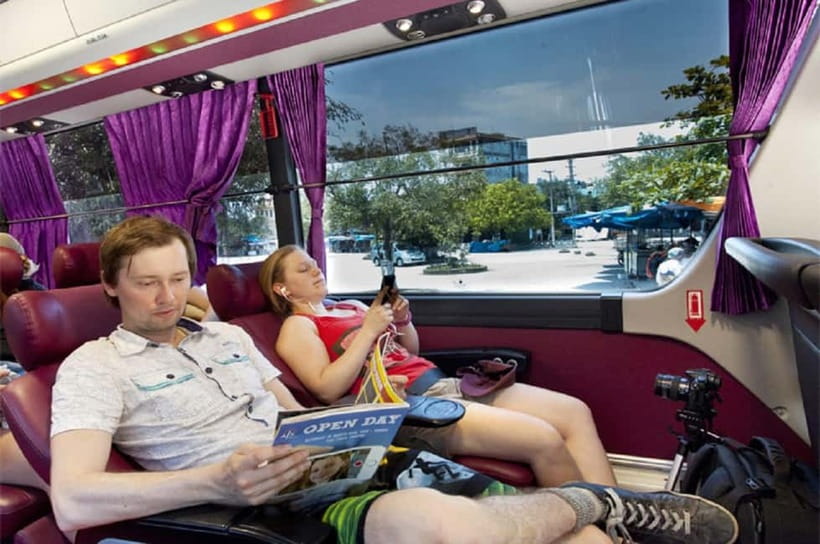
Your day starts with an early meeting at 204 Tran Quang Khai street around 6:15 am. From there, you head toward Sapa using a sleeper-style bus setup with scheduled breaks along the way. These short stops in places like Phu Tho Province and Lao Cai city are there for basic comfort needs and light breakfast or coffee.
When you arrive, you get greeted in Sapa and served lunch with local Vietnamese dishes. That matters more than you’d think. Many early-arrival plans leave you starving and improvising. Here, you’re fed before you start walking.
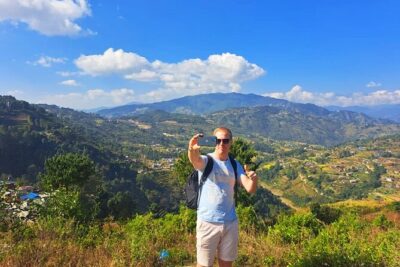
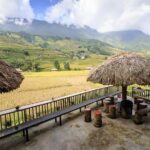
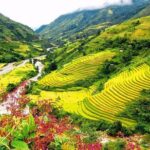
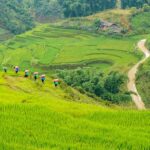
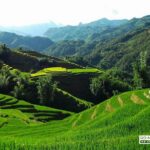
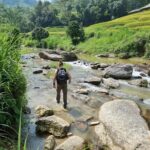
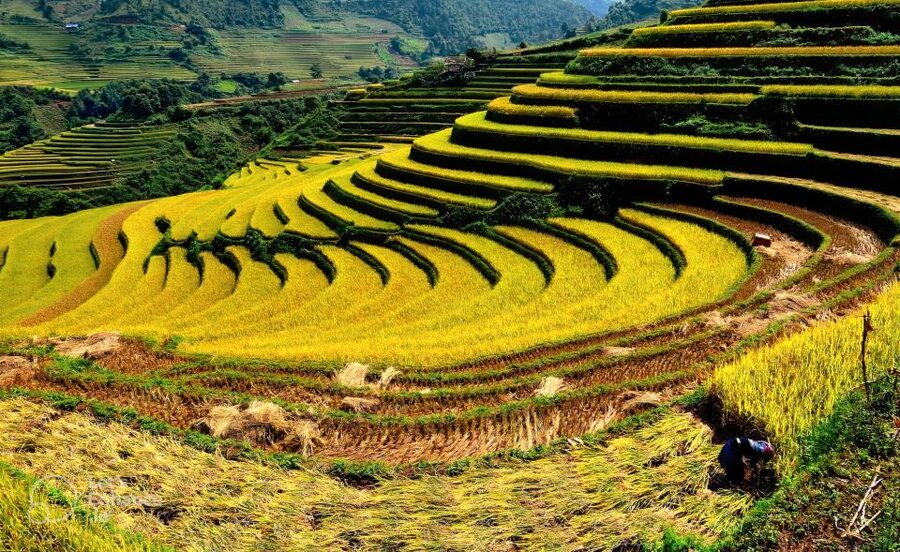
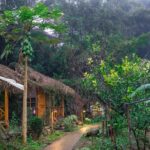
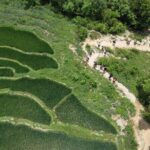
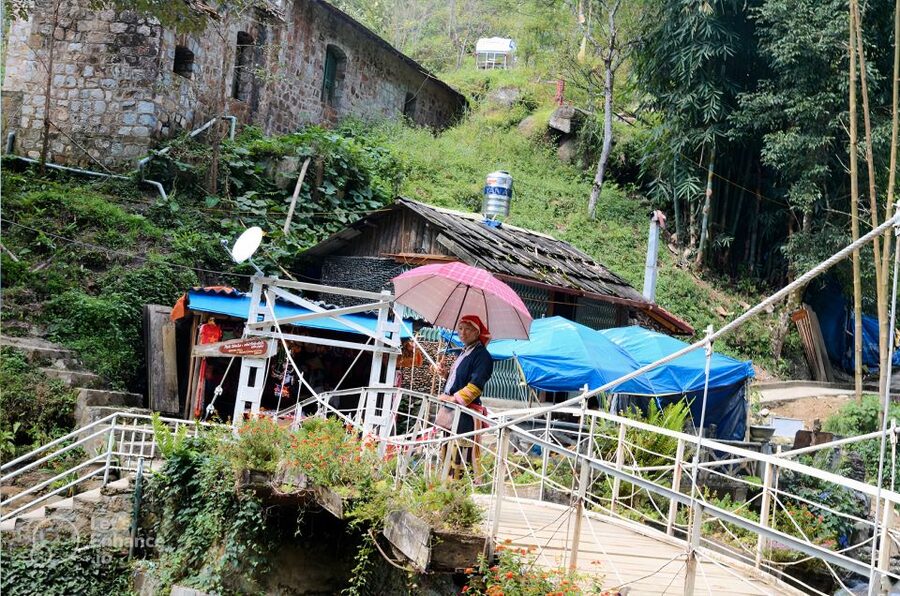
After lunch, the trek begins with the rhythm of Sapa’s highland valley: trails that follow the Muong Hoa Stream area and rice-terrace views as the scenery opens up. You’re walking toward the Black Hmong village of Lao Chai, which is surrounded by Hoang Lien Son Mountain.
You end the day by returning to your hotel by car for dinner. The pacing is set up so Day 2 still feels enjoyable instead of wiped-out.
The trek: rice terraces, mountain paths, and real village conversations
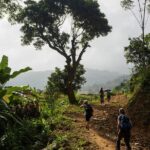
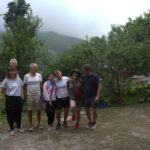
The Lao Chai – Ta Van part is where this trip earns its reputation. You’re not just passing scenery; you’re meeting people and learning how they live in the mountain area, with support from your guide.
What I like about this style of walking is that it gives you context while you’re in the middle of it. You’ll see daily-life details while you’re moving, so the explanations don’t feel like a lecture you overhear through a bus window. It’s the kind of cultural exchange that feels natural: ask, look, listen, then keep walking.
You’ll also want to treat the trek as active travel. Even if the route is manageable for most people, mountain paths can be uneven. Bring comfortable shoes, and don’t plan on wearing anything that hurts after 20 minutes.
If you’re hoping for pure “Instagram only” trekking, you’ll still get great views. But the real payoff here is the human side: how the villages are arranged, what life looks like in the ethnic communities, and how the guide frames what you’re seeing.
Day 2 at Fansipan: cable car up, pagoda stops, then 600 steps
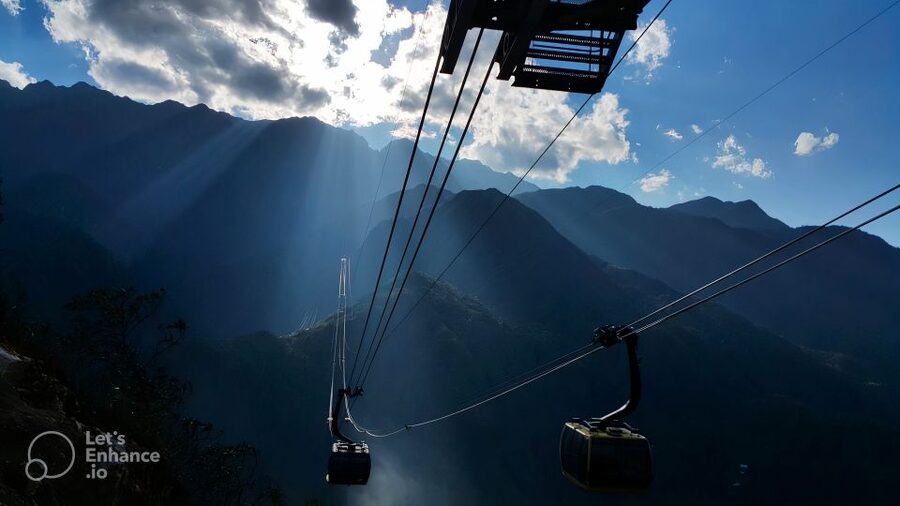
After breakfast, you’ll transfer to the Fansipan cable car station. Your driver or guide helps you handle the ticket purchase on-site (this is not included in the tour price). Then you ride the cable car up on your own for about 20 minutes.
At the top, the scenery is the point. Fansipan is known as the Roof of Indochina, and you’re climbing into the zone where the mountains feel huge and the air can feel sharper. You can also visit a pagoda area once you’re up there.
Then comes the part that turns the trip into a real “peak” moment: climbing about 600 steps to reach the top viewpoint. This is the section that most people remember. It gives you a sense of arrival that a purely scenic ride never does.
After the climb, you return to Sapa and have lunch back at the hotel. It’s a good reset before you head to Hanoi or onward.
One practical note: Sapa can be foggy at higher elevations, especially from December through March. If the view disappears into mist, don’t panic. Fog is part of the mountain rhythm, and the experience still works because the trip is built around the whole sequence: cable car ride, pagoda stop, and the climb.
Back to Hanoi or onward to Ha Giang: pick your next move
This tour gives you options, and that flexibility is a big part of its value.


Option A: Return to Hanoi by Limousine bus
If you go back to Hanoi, you have time to explore Sapa on your own before boarding a Limousine bus at 14:00. You’re dropped back around 8:30 pm to 8:45 pm at Tran Quang Khai street, which makes it easier to get back to your hotel area.
Why this option can be smart: if you want a clean end to the trip, you don’t risk being stuck mid-route. Plus, arriving late evening is still often easier than planning extra overnight stays.
Option B: Continue directly to Ha Giang from Sapa
If you want to chain regions, you can go from Sapa to Ha Giang after lunch. There are two bus departures:
- 14:30: Limousine bus (18 seats), pickup at May hotel, about 6 hours driving
- 19:30: Sleeper bus (40 seats), pickup at its meeting point, about 6 hours driving
You’ll pay an extra fee for these bus options, so confirm details with the travel consultant. This is also one of those choices where your comfort matters more than you expect. The limousine option sounds tighter and likely a more comfortable ride; the sleeper option can feel more efficient if you’re already tired.
Price and value: what’s included, what’s extra, and what it means for you
Let’s separate the tour’s value from the add-ons.
Included essentials:
- Round-trip Limousine ticket Hanoi–Sapa (optional)
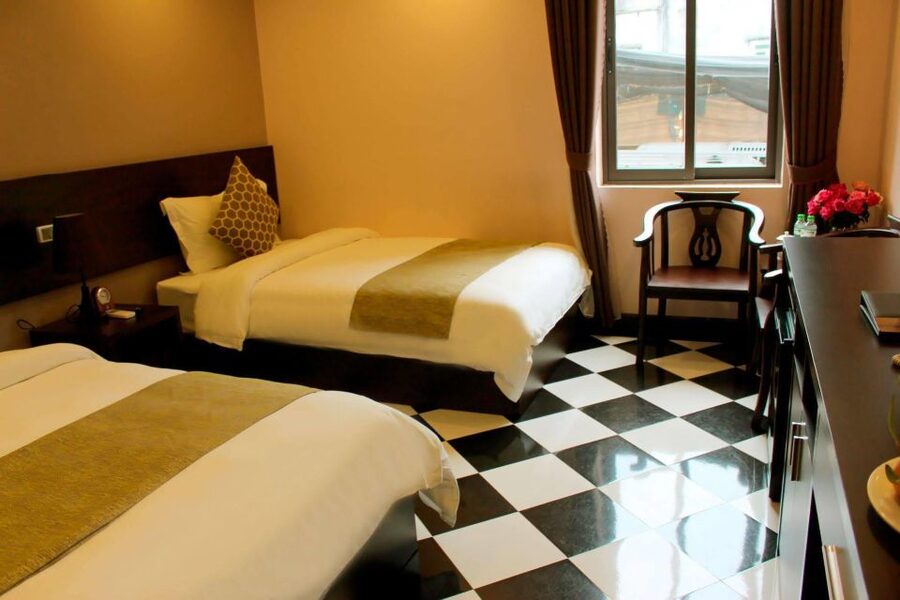
- 3-star hotel room (double/twin sharing)
- Meals: 2 lunches, 1 dinner, 1 breakfast
- Entrance ticket to Lao Chai – Ta Van
- Local guide
- Transfer to and from the Fansipan cable car station
- Sapa–Ha Giang bus only if you select that option
Not included:
- Fansipan cable car round-trip ticket: 850,000 VND per person
- Beverages, government tax, travel insurance
- Holiday surcharges on specific dates: 700,000 VND per person, paid directly with the guide
- If you want Ha Giang: the additional bus fare (sleeper or limousine)
Here’s how I think about value. The big money item you’ll personally pay is the cable car ticket, but the tour still covers the parts that usually eat time: transfers, entrance fees for the village trek area, and a guide. For many travelers, that’s the difference between a smooth two days and a frustrating scramble to coordinate tickets and meeting points.
Food is also included, and in a tight schedule, that matters. You’re not standing in line trying to figure out what opens when. Meals are also listed as well-served in a practical, organized way, and the feedback highlights food quality and service.
What to pack for cold, foggy Sapa and real steps
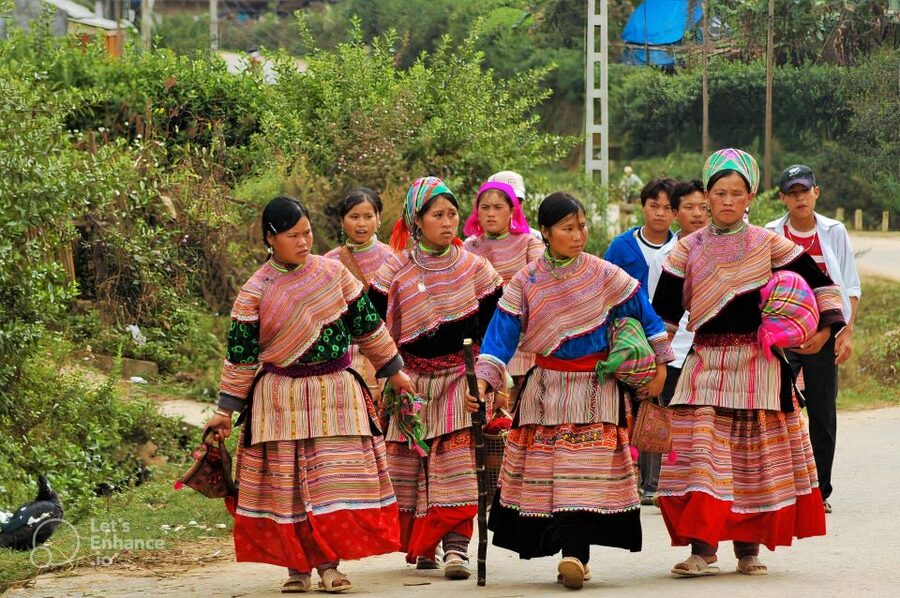
Sapa can surprise you. Even when you think you dressed for cool weather, the mountain altitude and fog can make everything feel colder.
Bring:
- Warm clothes, a scarf, and a hat
- Comfortable trekking shoes
- Sunglasses, sun cream, and insect repellent (helpful because conditions can change quickly)
- Any medication you need
When to expect colder weather: it’s normally cold from September through March, and altitude fog is common from December through March.
Also plan for cash. Banking can be unreliable in Sapa sometimes, so bring Vietnamese dong. The notes say US dollars, euros, and Australian dollars are accepted in Sapa, which is a useful backup if ATMs act up.
Comfort, pace, and who should choose this (or skip it)
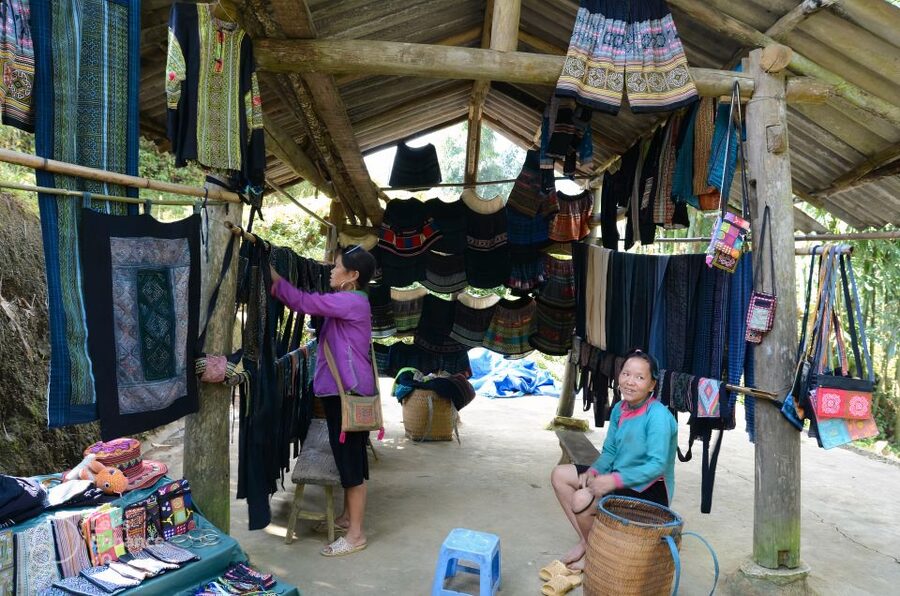
This tour is best for people who want a structured experience: a guide, included meals, and a clear rhythm between hikes and scenic moments. If you like active days but don’t want to manage every detail yourself, you’re in the right place.
It’s a solid pick if:
- You want Fansipan without complicated logistics
- You value cultural context during the Lao Chai–Ta Van walking time
- You want a chance to try a special Northern Vietnam transport experience, since the program references night train or night bus style travel as an option at 21:30 departing from the station/bus stop for Lao Cai/Sapa
It’s not a great fit if:
- You’re pregnant (the tour states it’s not suitable)
- You want a fully relaxed pace with minimal walking
If you’re unsure, consider that the hardest physical part is likely the step climb to the peak on Day 2, plus uneven walking during the village trek.
The standout: organization and a guide who makes the trek make sense
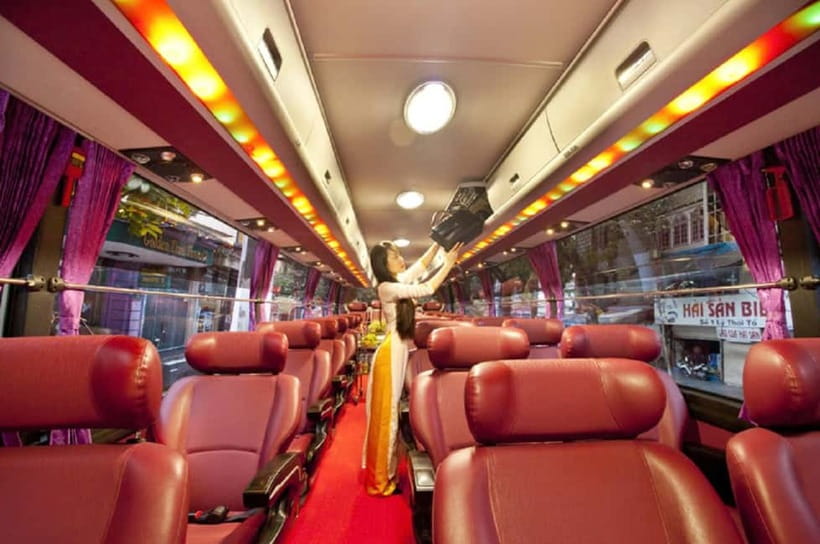
One theme stands out across the experience: it runs smoothly. Meetings and transfers are clear, meals are handled without drama, and the schedule feels respectful of your time.
The other big win is the guide. Song is specifically mentioned as wonderful, and you can feel the difference when a guide not only leads but also explains. For Lao Chai and Ta Van, that matters. The trek is more satisfying when you understand what you’re looking at and what to ask.
If you’re the type who likes to learn as you go, you’ll likely enjoy the way local life gets folded into the walking pace.
Should you book this 2-day Sapa–Fansipan–Ha Giang option?
Yes, if you want two days that actually cover the key Sapa highlights with minimal planning stress. You get organized transport, a guided village trek (Lao Chai–Ta Van), and a top-of-Fansipan experience that mixes cable car convenience with the satisfying 600-step finish.
Skip or think twice if you’re sensitive to cold and fog, hate stairs, or you don’t want any extra costs like the cable car ticket. Also, if you’re set on a very slow, self-directed trip, this structure may feel a bit tight.
My quick recommendation: book it if you’re trying to do this region justice in limited time. It’s one of the more practical ways to pair mountain culture and peak views, then keep moving toward Ha Giang if you want more of Northern Vietnam.
FAQ
Is the Fansipan cable car ticket included?
No. The Fansipan cable car round-trip ticket is listed as an extra cost of 850,000 VND per person, and you buy it on your own at the cable car station with help from your driver or guide.
What meals are included during the tour?
The tour includes 2 lunches, 1 dinner, and 1 breakfast.
Where do you meet in Hanoi?
The start meeting point is at 204 Tran Quang Khai street. The meeting time is set for around 6:15 am for the Hanoi-to-Sapa departure.
How long does it take to get from Sapa to Ha Giang?
The bus ride from Sapa to Ha Giang is about 6 hours driving. There are departures at 14:30 and 19:30, depending on whether you choose limousine or a sleeper bus.
What should I bring for Sapa’s weather?
Bring warm clothes, a scarf, and a hat. It is normally cold from September through March, and fog is possible from December through March.
Is this tour suitable for everyone?
It is not suitable for pregnant women. The plan also includes trekking and a 600-step climb at Fansipan, so it’s best for travelers comfortable with walking.