REVIEW · KATHMANDU
Everest Base Camp trek- 13 Days
Book on Viator →Operated by Outdoor Himalayan Treks P Ltd. · Bookable on Viator
Everest Base Camp starts with a jump in altitude. This trek pairs classic Khumbu villages with the sort of adventure detail you can’t fake, like flying into Lukla and walking past Sherpa settlements toward Everest’s doorstep.
I like that this plan is set up for support you can actually feel. You get an English-speaking licensed guide (with his expenses covered) plus a strong porter for every two people carrying up to 25 kilos, also with expenses covered.
One consideration: the trek sleeps in basic tea houses, and the toilet/bathroom is outside. Also, beverages and hot extras like charging, Wi‑Fi, and hot showers are not included, so you should budget for that.
In This Review
- Key highlights you’ll care about
- Everest Base Camp: why this trek is more than just altitude chasing
- Kathmandu to Lukla: the 30-minute flight that sets your tone
- Phakding to Namche: hanging bridges, Sherpa villages, and the gateway feel
- The acclimatization day in Namche: why this rest actually earns its place
- Tengboche: monastery views and the 3860m threshold
- Dingboche and Lobuche: acclimatization repeats because altitude doesn’t negotiate
- Gorak Shep, Everest Base Camp, and the backtrack you should plan for
- Kalapatthar sunrise: the day you move in the dark for payoff
- Back through Tengboche and Namche to Lukla: finishing strong
- Guide and team support: the human quality that makes rough patches less rough
- Price and value: what you’re paying for at $1,300
- What to know before you go: fitness, lodging comfort, and daily realities
- Should you book this Everest Base Camp trek?
- FAQ
- Where is the meeting point and start time?
- How long is the Everest Base Camp trek?
- What is included in the package price?
- What kind of lodging do you get during the trek?
- What are the main highlights along the way?
- What is not included?
- Do you need a moderate fitness level?
- Is the guide and porter support included?
- Is this a private tour?
Key highlights you’ll care about
- Lukla flight time is short, but the landing feels like the main event
- Two acclimatization days help you absorb altitude instead of rushing
- Tengboche and its 350+ year old monastery put culture on the same track as big views
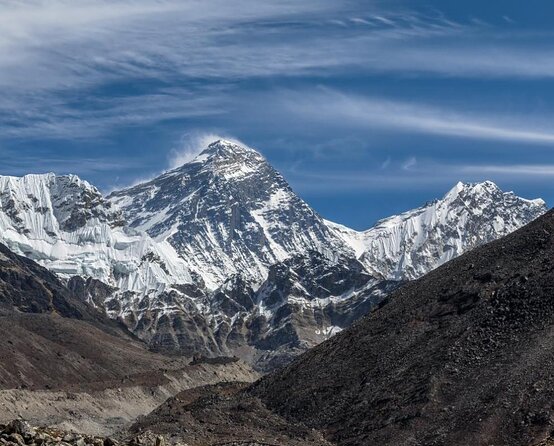
- Gorak Shep to Everest Base Camp and back means you actually reach the goal area
- Kalapatthar sunrise is built into the schedule for peak photo timing
- Permits are handled for Sagarmatha National Park and Khumbu village access
Everest Base Camp: why this trek is more than just altitude chasing
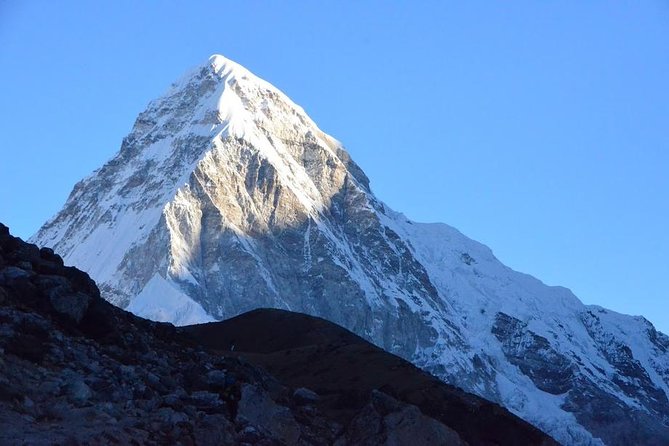
Everest Base Camp isn’t only about getting high. It’s about learning the Khumbu rhythm: mornings that start early, villages that feel lived-in, and days where you walk uphill but your body is still catching up.
What makes this version appealing is how much is covered for you up front. Flights between Kathmandu and Lukla, park and village permits, guide and porter support, and three meals a day from the tea house menu are all included. That turns the trip from a logistics project into a hike you can focus on.
You also get real structure without feeling overly rigid. The itinerary includes acclimatization days at Namche Bazar and later at Dingboche, which matters because the higher you go, the more your schedule needs to respect your breathing.
You can also read our reviews of more tours and experiences in Kathmandu.
Kathmandu to Lukla: the 30-minute flight that sets your tone
You start from Thamel, meeting at Outdoor Himalayan Treks on Thamel Marg. The start time is listed as 5:15 am, and you’ll also have hotel-to-airport-to-hotel transfers handled.
Then comes the Lukla flight. The trek is built around that because Lukla is famous for being an airport that feels intense as part of the experience. Even if you’ve traveled before, it’s the kind of moment that sticks—short flight, big emotion.
Phakding is the first walking base after you land at Lukla (2840m). You trek for about 4–5 hours to Phakding at 2610m, which is a smart opening. You’re not thrown straight into the highest terrain on day one, but you are moving your legs and getting used to trail pace.
Practical note: you’ll likely still feel cold and tired that first evening. That’s normal. Use it to settle into tea house life—especially because the included lodging is described as basic, with outside toilet and bathroom.
Phakding to Namche: hanging bridges, Sherpa villages, and the gateway feel
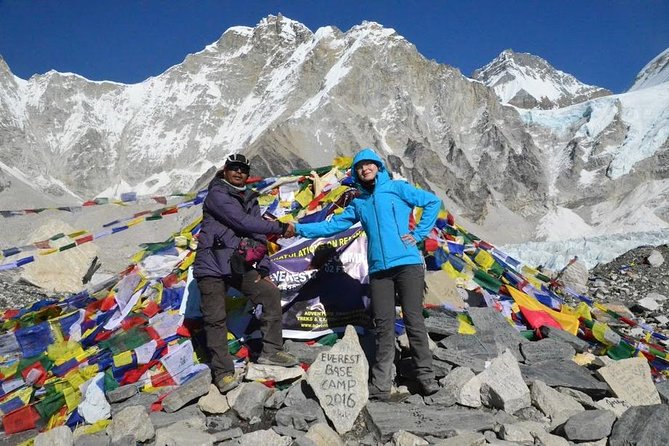
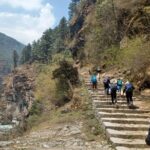
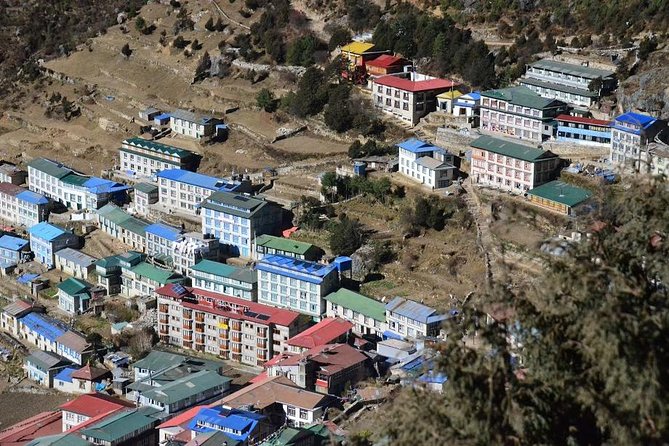
Day two climbs you from Phakding to Namche Bazar, reaching 3440m after 6–7 hours of trekking. This is the day where the Khumbu starts showing its identity—villages in the Sherpa tradition, trail crossings, and the “gateway” atmosphere Namche is known for.
You’ll also work through hanging bridges on the approach, which adds a little tension to the fun. Those crossings can make you pay attention to your footing, and that’s a good thing: you want your mind steady, not wandering, when the trail angles upward.
Namche Bazar is where you’ll start to feel the altitude “presence.” It’s also a logical place for people to pause and observe. The itinerary includes an acclimatization day here later, but even on the way in, Namche feels like a place that prepares you for the high country.
One extra detail worth noting from the trek’s highlights: Hotel Everest View is specifically called out as part of the experience around this zone. Even if you don’t spend hours there, knowing it’s part of the Everest-view area helps you understand why Namche is such a strategic stop.
The acclimatization day in Namche: why this rest actually earns its place
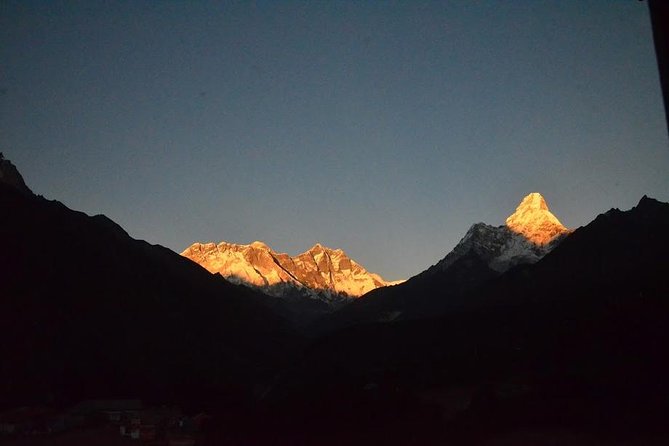
On day three, you get an acclimatization day in Namche. This is one of the best parts of the schedule because it respects altitude. You’re already at 3440m, and the next big jump is coming.
This day isn’t a random break. It’s there to reduce the chance of pushing your body too fast as you head higher toward Tengboche (3860m) the following day. Even if you feel good on day two, altitude can change how you feel the next morning.
In my view, this is the biggest “value” element of the itinerary. People don’t always realize that the best trek plans are the ones that slow down on purpose. That Namche rest day is one of the reasons the route feels more survivable and less like a forced march.
Tengboche: monastery views and the 3860m threshold
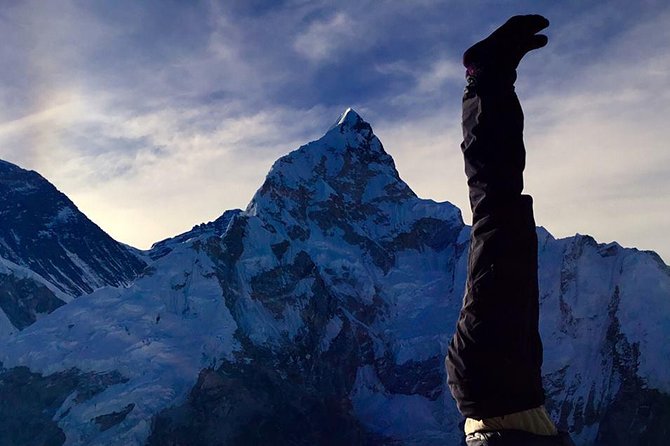
After acclimatization, the itinerary moves you from Namche to Tengboche. It’s about 5–6 hours, ending around 3860m.
Tengboche is a highlight for a reason: the trek’s overview calls out Tengboche Monastery, described as over 350 years old. That’s not just a sightseeing checkbox. Monasteries in the Khumbu help you understand what these mountains mean to local life—this region isn’t only about conquering Everest. It’s also about spiritual routines, community, and daily order.
At this altitude, mornings can feel harsher even when the trail is manageable. You’ll want to keep your effort steady and avoid sprinting uphill. A guided rhythm helps here, and this operator uses an experienced licensed English-speaking guide, with his expenses included, so you’re not stuck coordinating on your own.
Later in the trek, you’ll return through Tengboche on the way down. That means you get a second chance to absorb the area, not just pass through once.
Dingboche and Lobuche: acclimatization repeats because altitude doesn’t negotiate
After Tengboche, you trek toward Dingboche, then take another acclimatization day in Dingboche. The route then continues to Lobuche.
Even without getting overly technical, the logic is clear: each higher step needs a “buffer day.” The itinerary includes that buffer at Dingboche as well, which is a strong sign the operator is planning for real bodies, not ideal conditions.
Then you move from Dingboche toward Lobuche, climbing into more serious elevation. Lobuche is a staging point on the road to the Everest Base Camp area. By now, your trekking pattern matters: slow steady uphill, careful downhill, and enough time for your breathing to regulate.
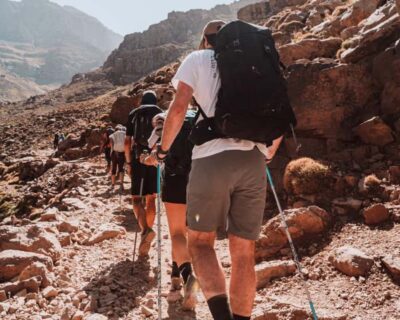
This is also where the role of your porter becomes practical in a big way. The plan includes a strong porter for every two people carrying up to 25 kilos. That doesn’t just lighten your load—it helps you maintain pace and reduce fatigue, especially on days that feel longer.
Gorak Shep, Everest Base Camp, and the backtrack you should plan for
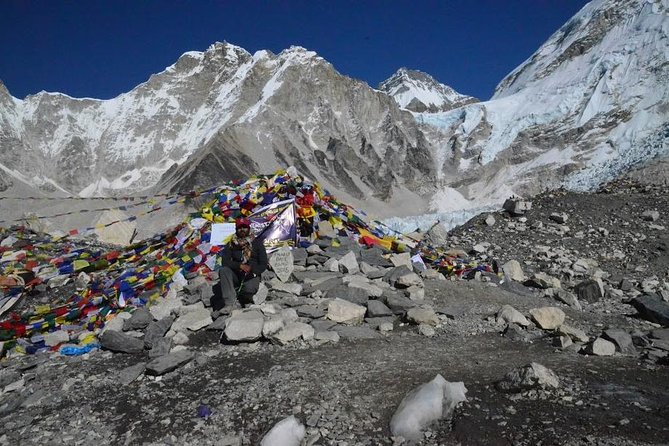
From Lobuche, you’ll head toward Gorak Shep and then onward to Everest Base Camp and back. This is one of the core “goal achievement” days, and it’s scheduled as a full out-and-back sequence, meaning you’ll feel it.
The itinerary places this action on day eight. You reach Gorak Shep, then go for Everest Base Camp and return. That backtracking piece is important. Even if the hike to the goal feels short on paper, it can still be demanding because you’re dealing with high altitude, cold air, and fatigue accumulating over multiple days.
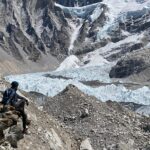
You’ll likely get a sense of the scale of the Everest region here—the way the environment changes around you as you near base camp and how the trail narrows in places. This is the day to listen to your guide about pacing rather than trying to outwalk your limits.
The included tea house stays keep your logistics simple, but remember: comfort isn’t the product here. It’s the route, the altitude, and the moment of standing in the Base Camp area.
Kalapatthar sunrise: the day you move in the dark for payoff
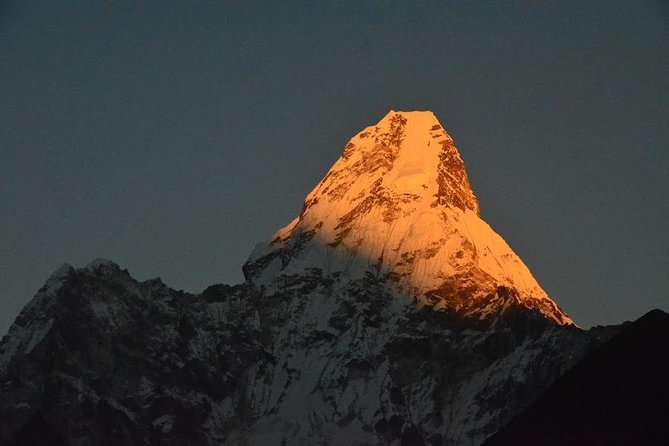
On day nine, you go from Gorak Shep to Kalapatthar for sunrise views, then down to Pheriche.
This is the classic high-Everest approach: you trade sleep for views. The trek lists sunrise at Kalapatthar directly, which tells you the itinerary assumes you’ll wake up early and handle cold conditions. If you’re the kind of person who hates early mornings, this part can feel like the price of admission.
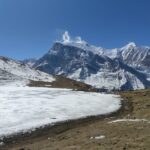
But it’s also one of the most emotionally rewarding days on the route. Kalapatthar is where people go to see Everest from a dramatic angle, and sunrise timing is a big reason it gets built into trek schedules in the first place.
Then you descend to Pheriche. That downhill is not just “easier.” It’s recovery. After the big push around sunrise, your legs need time to reset, and Pheriche gives you that breathing room.
Back through Tengboche and Namche to Lukla: finishing strong
Day ten continues from Pheriche back to Tengboche. Day eleven moves to Namche Bazar, and day twelve brings you back down to Lukla.
This return section matters because your body has learned the rhythm. You’re not going from sea level to altitude anymore—you’re already acclimated to the routine. That means you can focus on comfort and consistency rather than constant adaptation.
It also means you can re-see earlier highlights. Tengboche’s monastery area is one of the more meaningful cultural stops on the route. Passing through again can make it feel less like a stop and more like a place you understand.
Day twelve ends with the Lukla landing day. Day thirteen is the flight back to Kathmandu, plus transfer to your hotel. The itinerary includes a farewell dinner at an authentic Nepali restaurant with live cultural show. It’s a good way to shift gears from high-altitude exertion to real food and conversation.
Guide and team support: the human quality that makes rough patches less rough
In the feedback connected to this operator, the manager Ram (also listed as Ramani in one place) comes up again and again as quick to respond and helpful with shifting plans. Names like Krishna and Dipak are also mentioned in connection with trek support, and Dilly appears in one note alongside Ram.
That matters because EBC is one of those treks where weather can change how things feel. This itinerary also notes that the experience requires good weather, and if it’s canceled due to poor conditions, you’ll be offered a different date or a full refund.
In practical terms, you want a team that can handle the human side of sudden changes. Support like flexible route adjustments based on needs and conditions is exactly what helps when altitude, fatigue, or logistics push against your original expectations.
Price and value: what you’re paying for at $1,300
At $1,300 per person for about 13 days, this trek is priced as a supported package, not a basic budget DIY trek.
Here’s what that price is covering: Kathmandu–Lukla–Kathmandu flights, hotel-airport transfers, Sagarmatha National Park and Khumbu village permits, an experienced licensed English-speaking guide, and a strong porter for every two people carrying up to 25 kilos. You also get daily breakfast, lunch, and dinner (each meal includes a menu choice of one dish), plus all applicable taxes and service charges. Emergency assistance is included too.
Then there’s the “hidden value” angle: guide and porter expenses are included. In many tours, that’s the sort of detail people only notice later. Here, it’s built into the package.
What’s not included is equally important for budgeting. Beverages and bottled mineral water are not included. Charging fees, photography charges, Wi‑Fi, and hot showers are listed as extra. Tips for guide and porters are described as mandatory and are not included.
My advice: treat that $1,300 as the trekking backbone, then add a realistic daily buffer for drinks, hot extras, and the mandatory tipping. If you do that, the price stops feeling like a surprise.
What to know before you go: fitness, lodging comfort, and daily realities
The trek is described as suitable for people with moderate physical fitness. That doesn’t mean it’s easy. It means the route is built around achievable days if you keep a steady pace, respect altitude, and don’t treat it like a race.
Your lodging is basic tea houses with outside toilet and bathroom. That’s not a dealbreaker for most people doing EBC, but it helps to understand what you’re signing up for. If you need indoor plumbing or hot showers, plan for that to be an extra cost or a compromise.
Also remember that day pacing includes acclimatization days at Namche and Dingboche. Those rest days are part of the trek’s design. If you’re traveling with the mindset of squeezing extra “wins” into each day, you’ll probably be happier if you let the itinerary do its altitude work.
Should you book this Everest Base Camp trek?
If you want a guided, structured Everest Base Camp experience with flights, permits, and meals handled, this is a solid choice. The porter support and guide setup are especially valuable if you want to keep your energy for the trail instead of managing daily logistics.
Book it if you’re comfortable with basic tea house lodging and you’re okay spending extra for drinks and comfort add-ons. Also book it if you like the idea of a team that’s known for responding quickly and adapting when plans shift.
Skip this option if you require constant comfort, indoor bathrooms, or included hot showers. In high altitude, reality is the product, and this trek is honest about that.
FAQ
Where is the meeting point and start time?
The start is at Outdoor Himalayan Treks, Thamel Marg, Kathmandu, Nepal. The start time is listed as 5:15 am.
How long is the Everest Base Camp trek?
The duration is approximately 13 days.
What is included in the package price?
Included are hotel-airport-hotel transfers, Kathmandu-Lukla-Kathmandu flight tickets, Sagarmatha National Park entry permit, Khumbu village entry permit, an English-speaking licensed guide and porter support, emergency assistance, taxes/service charges/fees, and breakfast, lunch, and dinner each day. A farewell dinner at an authentic Nepali restaurant with live cultural show is included too.
What kind of lodging do you get during the trek?
The trek includes basic tea house accommodation with toilets and bathrooms outside, on a twin sharing basis.
What are the main highlights along the way?
Key highlights include Lukla flight experience, hanging bridges, Sherpa villages, Namche Bazar as a gateway, Hotel Everest View (noted as at maximum altitude), and Tengboche Monastery, described as over 350 years old.
What is not included?
Not included are beverages (cold/alcoholic drinks, bottled mineral water, and other drinks), extra meals/snacks/dessert, Wi‑Fi, battery charging fees, photography charges, hot shower, sightseeing/tours in Kathmandu, and expenses other than those listed as included.
Do you need a moderate fitness level?
Yes. The tour information says travelers should have a moderate physical fitness level.
Is the guide and porter support included?
Yes. You get an experienced English-speaking licensed guide (expenses included) and a strong porter for every two travelers carrying up to 25 kilos (including porter expenses). Insurance for guide and porters is also included.
Is this a private tour?
Yes. It is described as a private tour/activity where only your group will participate.