REVIEW · KATHMANDU
Annapurna Base Camp Trekking – 14 Days
Book on Viator →Operated by Annapurna Foothills Treks Expedition Pvt. Ltd. · Bookable on Viator
Altitude makes this trek a bit of a character test. What makes it special is how quickly you move from terraced valley life up into a glaciated bowl around Annapurna’s big walls—while still building in acclimatization so you don’t rush your body.
I especially like the attention to pacing: the itinerary’s step-by-step climbs and slower progress near higher elevations help you avoid the classic scramble. I also like the human support built into the package—an English-speaking, government-licensed Sherpa guide plus a porter shared by two trekkers, with extra energy snacks and fruit to keep you moving.
One consideration: this is a tea-house trek at real altitude. That means basic rooms, long downhill days after you reach the top, and the need to take altitude seriously even when the schedule feels manageable.
In This Review
- Key Highlights Worth Planning Around
- Why Annapurna Base Camp Feels Different Than a Typical Trek
- Kathmandu Start: Hotel Comfort and the Time to Get Your Bearings
- Flying Through the Lowlands: Kathmandu to Pokhara Then Toward the Trailhead
- Nayapul to Hile: A Gentle First Test for Your Legs
- Hile to Ghorepani (and Tadapani): Rhododendron Country and Higher Sleeping
- Chhomrung to Dovan: The Treknarrows and the Air Gets Thinner
- Machhapuchre Base Camp Day: 3,700m and a Clear Sense of Place
- Annapurna Base Camp at 4,130m: The Day the Route Pays You Back
- Bamboo to Jhinu Danda: Descend Carefully, Enjoy the Recovery
- Back Through Nayapul and Pokhara to Kathmandu
- Tea Houses, Rooms, and Food: What Included Actually Means
- Guide and Porter Support: The Real Secret Sauce
- Price and Value: Is $1,250 Fair for 14 Days of ABC?
- Altitude Safety: How to Make This Itinerary Work for You
- Best Seasons to Go: When ABC Works Like It Should
- What to Pack (So You Don’t Regret It at 3,700m)
- Should You Book This Annapurna Base Camp Trek?
Key Highlights Worth Planning Around
- Smart acclimatization rhythm with gradual gains and deliberate high points before Annapurna Base Camp
- Experienced Sherpa guidance (English speaking, government trained) and very hands-on porter support
- Tea-house style comfort with included full-board meals during the trek
- Permits and conservation fees handled including TIMS and the Annapurna Conservation Fee
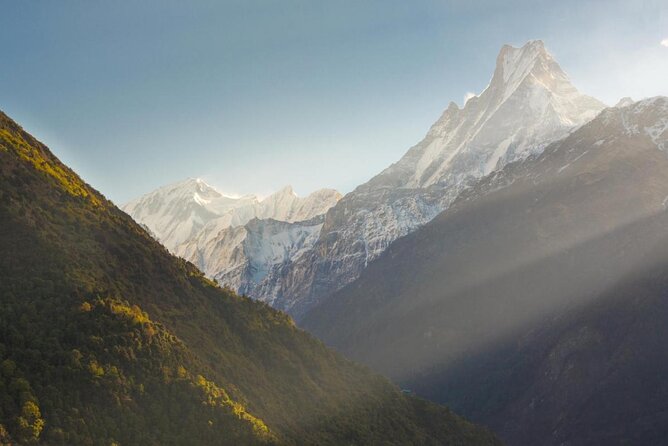
- Real “base camp day” payoff at about 4,130m with the surrounding peak amphitheater
Why Annapurna Base Camp Feels Different Than a Typical Trek
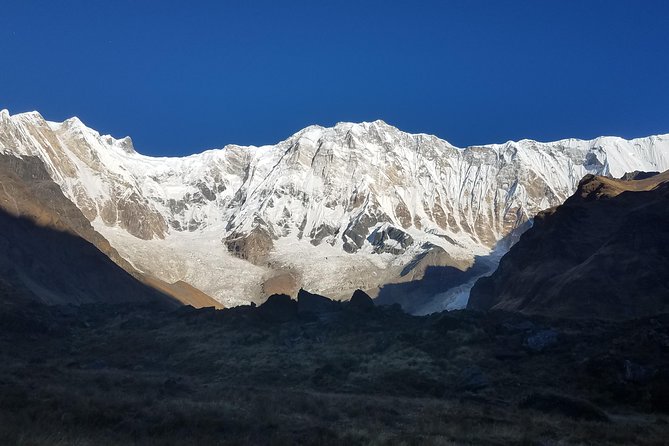
ABC isn’t just one big hike. It’s a sequence of mini-worlds. You start in lowland Nepal and climb through rhododendron and bamboo zones, then step into a colder, glaciated high basin where peaks like Annapurna I feel close enough to touch.
What you’ll like here is that the trek is structured to get you close to 7,000m and 8,000m territory without treating altitude like a box you can check. The route climbs up through the Modi Khola gorge, then opens into that high glacial wilderness. It’s the kind of scenery that changes your pace whether you plan to or not.
You can also read our reviews of more tours and experiences in Kathmandu.

Kathmandu Start: Hotel Comfort and the Time to Get Your Bearings
Day 1 is arrival in Kathmandu, with two nights in the city included. You’ll likely have time to rest, sort your gear, and get familiar with Thamel, the area your tour starts from (near public transportation).
The practical win: Kathmandu days tend to be when people over-pack or under-pack. Use this first day to confirm you’ve got a warm layer for evenings, a rain shell, and a water bottle you can refill.
If you’re the type to get anxious about logistics, this part helps. Ground transfers are included later, and your guide and team are part of the plan from the start.
Flying Through the Lowlands: Kathmandu to Pokhara Then Toward the Trailhead
On Day 2 you drive to Pokhara, around 900m/2,953ft. Day 3 begins another drive to Nayapul (around 1,010m/3,313ft), then you start trekking.
This “drive-to-trek” rhythm matters more than it sounds. You reduce wasted time and you don’t show up at the trailhead already exhausted from a chaotic day in transit. Pokhara also makes a good mental bridge: it’s a calmer staging point before the walking starts in earnest.
Nayapul to Hile: A Gentle First Test for Your Legs
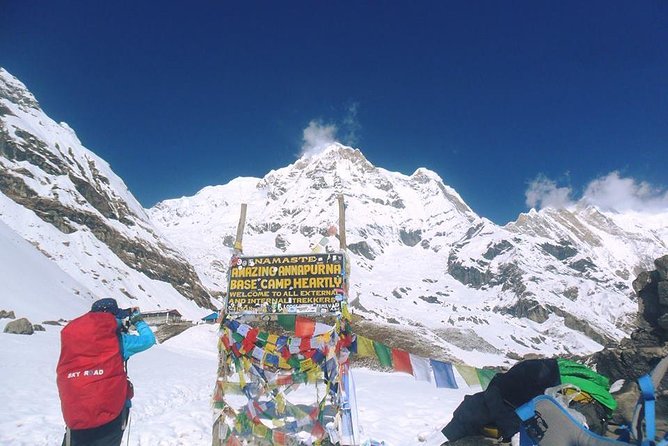
Day 3 trekking is Nayapul to Hile, about 1,400m/4,593ft (around 3 hours). The start is your chance to find your stride, test your boots, and practice slow breathing without thinking about the big mountains yet.
The best way to handle this day is with discipline. Walk like you’re saving energy for later, not like you’re racing to be first at lunch.
A minor drawback: if you treat it like an easy warm-up, the next days can still surprise you. Use Hile to build consistency, not confidence.
Hile to Ghorepani (and Tadapani): Rhododendron Country and Higher Sleeping
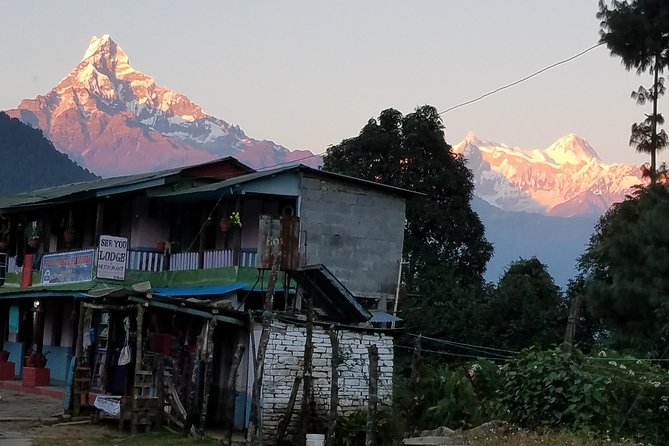
Day 4 brings a longer climb to Ghorepani, about 2,855m/9,365ft (6–7 hours). Day 5 continues to Tadapani, about 2,610m/8,561ft (around 5 hours).
This section is where the trek starts to feel more mountain-like. Ghorepani sits at a much higher altitude than your early days, and Tadapani keeps you moving through that mid-elevation zone where weather can shift quickly.
If you want a solid ABC experience, treat these as “work days,” not sightseeing days. Yes, the views are great. But your main goal is to keep your effort steady and your hydration consistent.
Chhomrung to Dovan: The Treknarrows and the Air Gets Thinner
Day 6 goes to Chhomrung, around 2,040m/6,692ft (about 4 hours). Day 7 continues to Dovan, about 2,550m/8,365ft (4–5 hours).
This is a meaningful swing: you’re going up into a more rugged zone, but you’re also managing fatigue after previous climbs. Chhomrung is often the kind of place where you feel the mountains are closing in, but the schedule still gives you progress in a controlled way.
Dovan adds the “high valley” vibe. Expect colder mornings and afternoons where you’ll feel wind at the wrong time if you’re under-layered.
Machhapuchre Base Camp Day: 3,700m and a Clear Sense of Place
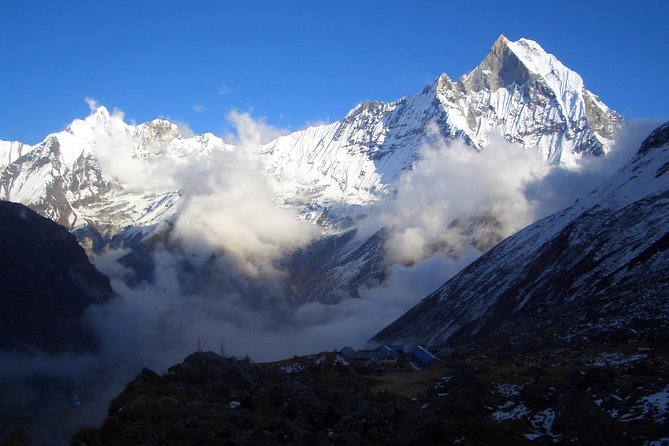
Day 8 heads to Machhapuchre Base Camp, around 3,700m/12,137ft (about 4–5 hours). This is one of the best days for understanding what kind of terrain you’re really in before Annapurna Base Camp.
It’s also a day where you should keep your pace calm. At these altitudes, pushing too hard can make the next days harder, even if you still technically reach your destination.
What you’ll appreciate most is that the trek doesn’t jump straight from earlier elevations to ABC without a meaningful high-point experience first.
Annapurna Base Camp at 4,130m: The Day the Route Pays You Back
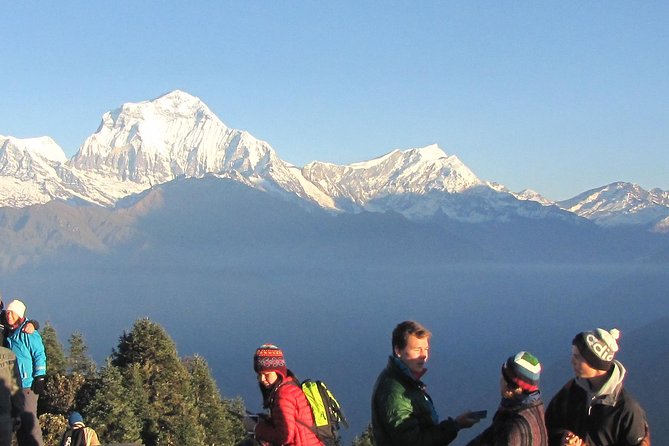
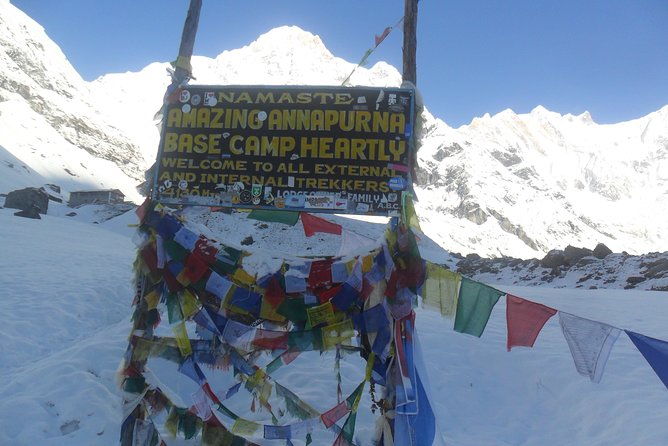
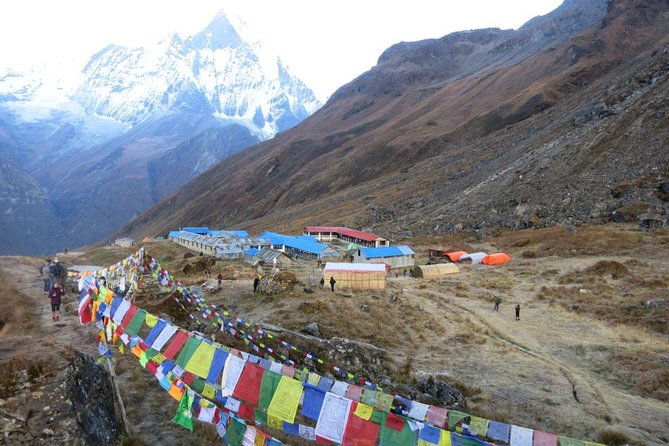
Day 9 is the big one: trek to Annapurna Base Camp, about 4,130m/13,547ft (around 2–3 hours). Shorter walking, but don’t confuse that with easy. You’ll feel altitude even if the trail time looks friendly.
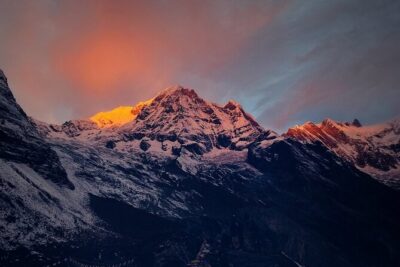
This is the bowl-of-peaks moment. You’re in a high glacial basin surrounded by major peaks, and Annapurna I’s mass dominates the scene. It’s the kind of place that makes you stop checking your watch.
Practical note: base camp mornings can be cold, and weather can change fast. Keep your layers ready and your mindset flexible. You’re not just there for pictures; you’re there to experience the scale with your whole body, lungs included.
Bamboo to Jhinu Danda: Descend Carefully, Enjoy the Recovery
Day 10 goes to Bamboo, around 2,340m/7,676ft (about 4–5 hours). Day 11 continues to Jhinu Danda, about 1,780m/5,839ft (around 5 hours).
This section is where your legs tell the truth. Even on a well-paced trek, downhill stretches can bruise knees and shins if your steps get sloppy. Take shorter steps, plant carefully, and don’t let the scenery steal your attention away from your footing.
Also, Jhinu Danda is known for a more relaxed ending feel. The day before your final return leg, it’s a great place to enjoy the lower-altitude relief and the chance to stretch out.
Back Through Nayapul and Pokhara to Kathmandu
Day 12 trek: Nayapul to Pokhara return, about 900m/2,953ft (5–6 hours). Day 13 drive back to Kathmandu, around 1,345m/4,412ft.
Day 12 can feel like a long one because you’re combining movement with the fact that the hardest altitude work is behind you. Use this as your “finish strong” day: walk steadily, keep yourself warm, and hydrate.
Day 13 gives you the emotional reset back in the city. You’re not trekking anymore, but you’ll still want an early night. Your body will appreciate it.
Tea Houses, Rooms, and Food: What Included Actually Means
This is a tea houses/lodge trek, and accommodation plus full-board meals during the trek are included. That means breakfasts, lunches, and dinners along the route, served in simple lodges with family-run vibes.
Room setup is usually two narrow beds in simple places. It’s not a resort. It’s workable comfort, and the benefit is you don’t have to plan or negotiate where you’ll sleep each night.
Food-wise, you’ll do best when you eat the basics consistently. Don’t expect gourmet. Do expect a steady supply of warm meals that make the next day possible.
Guide and Porter Support: The Real Secret Sauce
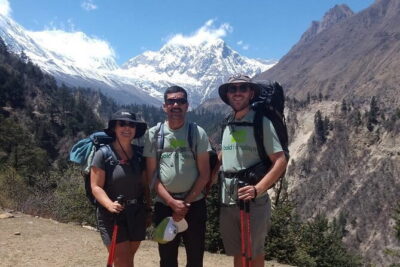
The package includes an English speaking Sherpa guide (government trained/license holder) plus a porter for every two trekkers. That matters on ABC because the job isn’t just carrying a bag. It’s pacing, encouragement, and making judgment calls when weather or health suggests adjustments.
From past experiences with this operator’s teams, you’ll likely get guides like Ngima, Mingma, and Dawa-style support—people who stay attentive and patient, including for amateur trekkers and even groups with teenagers. There’s also a strong pattern of porter support being practical and genuinely upbeat.
If you’re nervous about altitude, this kind of support is worth more than extra gear. Having someone who knows when to slow down can be the difference between a tough day and a manageable one.
Price and Value: Is $1,250 Fair for 14 Days of ABC?
At $1,250 per person for 14 days, the value comes from what’s bundled. You’re not only buying the trekking route. You’re buying logistics: air-conditioned transfers, Kathmandu and Pokhara accommodation, tea-house lodging for the full trek, an English guide, porter support, and permits (including the Annapurna Conservation Fee and TIMS).
You’re also getting energy supplies (Snickers, Mars, Bounty) and fresh fruits on the trek. It’s not a huge thing, but it adds up on long walk days when you want a quick sugar hit without hunting down snacks.
The real test is what you pay for yourself. City lunch and dinner aren’t included (plan on about $10–14 per meal in tourist restaurants), and drinks are extra. Tips for guide/porters/drivers are customary. Still, the big ticket items that can quietly inflate cost are handled here.
Bottom line: if you want ABC with fewer headaches and more support, this price looks reasonable for the scope.
Altitude Safety: How to Make This Itinerary Work for You
This trek includes acclimatization time for a reason. Annapurna Base Camp sits a little above 4,000m, and altitude problems aren’t something you can out-muscle.
What helps with this itinerary is its gradual approach: you gain elevation across the middle days, then you reach ABC with time already spent at high elevation. That reduces the shock compared to aggressive schedules.
You also have a safety posture that prioritizes health over sticking rigidly to a plan. Your guide may adjust the route if weather or conditions demand it. That flexibility is a good thing, not a failure.
Also: drink water. The guidance is at least 3 liters per day while trekking. In the Annapurna region, you can refill using Euro-guard filters, so bring your own bottle and use it consistently.
Best Seasons to Go: When ABC Works Like It Should
The best time is spring (February to late April) and autumn (late September to late November). These seasons give you the most reliable trekking conditions.
Winter can work too, especially for parts like Ghorepani, Poonhill, Ghandruk, ABC, and Kali Gandki, but expect colder conditions and more planning around weather.
If you’re choosing between seasons, pick the window that matches your comfort with cold mornings and changing skies. ABC is spectacular year-round, but your experience depends on conditions.
What to Pack (So You Don’t Regret It at 3,700m)
I’d plan your kit around two realities: cold nights and variable daytime weather. The higher you go, the more your comfort depends on layers and wind protection.
At minimum, bring:
- A warm insulation layer for evenings
- Rain/wind protection
- A water bottle you can refill (with filtering)
- Good walking shoes or boots that feel broken-in
- Simple trekking clothes you can wash or swap easily in tea-house life
Also, pace yourself with your energy snacks and fruit. When food is included, you still want to eat regularly to keep your body fueled.
Should You Book This Annapurna Base Camp Trek?
I’d book it if you want ABC with structure, not guesswork. The mix of included permits, transfers, tea-house lodging, and professional guide/porter support makes it a strong choice for first-time ABC trekkers, amateur hikers, couples, and even families with older teens.
I’d think twice if you’re the type who hates any risk of itinerary changes due to weather or health. This trek is designed for safety and pacing, but mountain conditions still win sometimes.
If you’re ready for a real altitude trek, and you want a plan that respects how your body works, this version of Annapurna Base Camp looks like a smart bet.