REVIEW · KATHMANDU
Experience the Thrill of a Lifetime:12-Days Manaslu Circuit trek
Book on Viator →Operated by North Nepal Treks · Bookable on Viator
The Manaslu Circuit feels like Nepal at a steadier pace, where your reward is earned. You get a mix of Gurung and Buddhist villages, long river walks, hot-spring relief, and that big high-mountain feeling as you head toward Larkya La and Dharmashala.
I love two things most: the trek’s less-crowded vibe and the way the route layers scenery (forests → terraces → high pasture → rocky pass). I also like that the company organizes real logistics, including trekking permits and tea-house lodging, so you can focus on the hike instead of the paperwork.
One consideration: this is not a “walk and snack” trip. You’ll be doing several 6–10 hour hiking days, and the cold air at higher elevations means you’ll want to be ready with the right gear and a smart pace.
In This Review
- Key highlights I’d circle in a heartbeat
- Why the Manaslu Circuit feels different from the famous routes
- Price and logistics: what $1,500 buys you (and what it doesn’t)
- Getting ready: fitness, altitude, and the Larkya La reality check
- Day-by-day hike: from Budhi Gandaki rivers to the pass basecamp
- Day 1: Soti Khola and the river-valley start
- Day 2: Through forests and Gurung villages to Machha Khola
- Day 3: Tatopani hot springs and the push toward Jagat
- Day 4: Philim’s monasteries, chortens, and farmland culture
- Day 5: Namrung and prayer flags with Manaslu in view
- Day 6: Samagaun and the cold-air shift into high country
- Day 7: Acclimatization in Samagaun with the Pungyen Gompa hike
- Day 8: Desert path to Samdo near the Tibetan border
- Day 9: The long climb to Dharmashala (Larkya base camp)
- Day 10: Larkya La Pass and icy lakes before Bimthang
- Day 11: Ponkar Glacier area, rhododendron forests, and Tije apple orchards
- Day 12: Jeep ride out to Besisahar, then Kathmandu or Pokhara
- Tea houses, meals, and how to handle daily comfort
- The human side: guides, communication, and staying safe on a remote trail
- Culture and wildlife you can look for without forcing it
- Should you book this 12-day Manaslu Circuit trek?
- FAQ
- FAQ
- How long is the Manaslu Circuit trek?
- How much does the trek cost per person?
- What trekking permits are included?
- What kind of lodging do we get during the trek?
- Are meals included?
- Is pickup offered?
- How high is Dharmashala on the trek?
- Is there an acclimatization day before the highest section?
- How do you get back to Kathmandu or Pokhara at the end?
- Is travel or rescue insurance included, and is cancellation free?
Key highlights I’d circle in a heartbeat
- All the permits handled (Manaslu Special, MCAP, and Annapurna ACAP)
- Tea house lodging every night during the trek
- A planned acclimatization hike to Pungyen Gompa before the highest push
- Samdo near the Tibetan border, with a Tibetan refugee camp in the village area
- Dharmashala at 4470 meters—the base-camp night before Larkya La
- North Nepal Treks coordination backed by guides named Mohan, Jeewan, Lalu, Raj Rai, and Zeewan in team reports
Why the Manaslu Circuit feels different from the famous routes
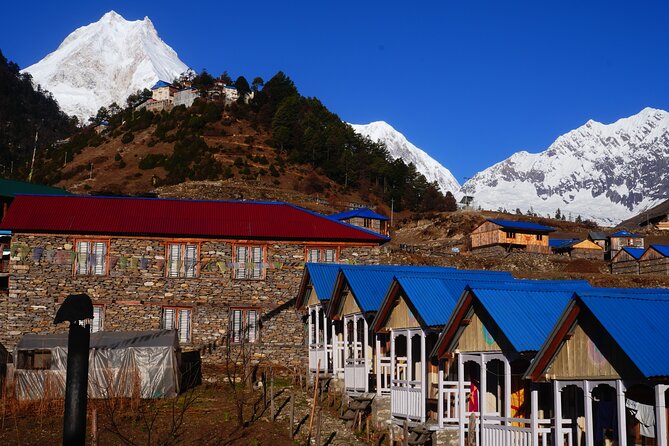
Manaslu has a reputation for being more serene than the busiest trek corridors, and that matters. On this route, you’re not constantly dodging tour groups. Instead, the trail keeps you in the rhythm of villagers, farmland, and high-country weather changes.
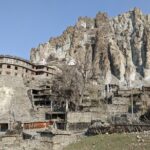
You also get a rare mix of cultures in a short span of days. Gurung communities show up in villages like Lapu Besi and places around Philim, while Buddhist monasteries, chortens, and prayer flags become part of the scenery as you climb. The Tibetan influence grows stronger as you pass through Tibetan-style areas like Lhogaun and eventually reach Samdo near the border.
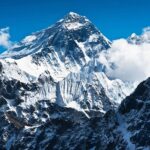
And yes, you’re in serious mountain country. The views around Manaslu and the surrounding peaks are a core reason people pick this trek at all. Just keep expectations grounded: you’ll enjoy the best views when weather cooperates, and you should plan your day around that reality.
You can also read our reviews of more tours and experiences in Kathmandu.
Price and logistics: what $1,500 buys you (and what it doesn’t)
The cost is listed at $1,500 per person, and the value comes from what’s already built in. Your trek price includes trekking permits (Manaslu Special, MCAP, and Annapurna ACAP), tea-house accommodations, and a registered experienced trekking guide. It also covers guide support basics—food, accommodation, salary, and insurances—so the human side of the trip is handled.
Meals are part of the package too: breakfast (11), lunch (12), and dinner (12). That’s huge, because food logistics are one of the hidden “gotchas” on remote hikes. You won’t be calculating where you’ll eat at the end of each hard day.
You’re also covered for transport components. There’s pickup offered, and you’ll have public transport to and from the starting side (through Sotikhola/“Setokhola”) and then back from Dharapani to Kathmandu or Pokhara. On the last day, you’ll take a 4WD jeep for a 5-hour ride from Dharapani to Besisahar.
What you should budget for on your own: personal expenses like laundry, bar bills, Wi‑Fi, extra porters, and even the small stuff that adds up such as bottled or boiled water and showers. Tips for guides and porters are also not included, and travel or rescue insurance isn’t included either.
Getting ready: fitness, altitude, and the Larkya La reality check
The trek calls for moderate physical fitness, but the daily hiking time makes the need for endurance real. You’ll see several days in the 6–8 hour range, and the most intense stretch includes a long day on the route to and over Larkya La.
Altitude isn’t just a number here. On the climb toward Samagaun, the air gets thinner and colder, and the vegetation shifts from rhododendron forests to pasture grasslands. That’s your cue that you’ll feel the elevation even before the highest points.
There’s also a smart buffer built into the schedule: Day 7 is an acclimatization day in Samagaun, including a hike toward Pungyen Gompa. That doesn’t remove risk, but it helps your body adjust before the Dharmashala and Larkya La stages.
Dharmashala is listed at 4470 meters, and the climb from Samdo to Dharmashala runs about 3–4 hours for roughly 11.7 km. After that, Day 10 includes the pass itself and a long descent, with mention of icy lakes. In plain terms: plan for cold, plan for slow, and keep your layers easy to manage.
Day-by-day hike: from Budhi Gandaki rivers to the pass basecamp
Day 1: Soti Khola and the river-valley start
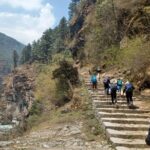
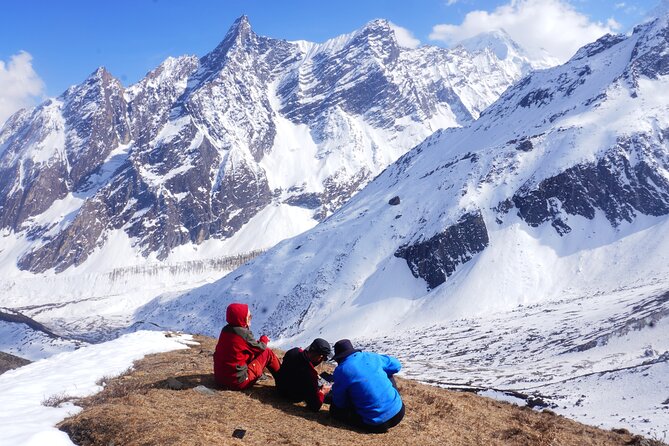
You begin with a drive along the Prithivi highway, then turn onto a branch road at Malekhu. From there, the day becomes a mix of roads and walking through colorful villages and farmlands until you reach Soti Khola following the Budhi Gandaki River bank.
The hike is about 8–9 hours, and it’s a good way to start because it’s long enough to set your rhythm, but it’s not yet the highest steepness. You’re learning the trail feel early: steady effort, careful footing, and how quickly your body warms up once you’re moving.
Day 2: Through forests and Gurung villages to Machha Khola
After breakfast in Sotikhola, you hike through more forests and village trails. The day includes a stop at Lapu Besi, described as a Gurung-inhabited village, before you continue on a zigzag path toward Machha Khola.
Expect around 6 hours of hiking. The pace here is useful for getting used to altitude changes and the way trail surfaces can shift from packed paths to rocky footing. It’s also a chance to notice how village life organizes around trekking routes—there are always places where locals are busy with daily tasks.
Day 3: Tatopani hot springs and the push toward Jagat
Day 3 starts with early hiking upstream and includes movement toward Khola Besi, then a stop at hot springs at Tatopani. After the warm-water break, you cross a suspension bridge and keep walking through forest sections. Later, you cross into Doban, reach Lauri, cross another bridge, and climb uphill before reaching Jagat.
You’ll hike about 7 hours. The suspension bridges keep appearing on this trek, and that’s both fun and a good reminder to take your time—don’t rush the crossings in wind or low visibility.
Day 4: Philim’s monasteries, chortens, and farmland culture
You’ll hike after breakfast and cross suspension bridges again before reaching Philim, a village where Gurung communities are described as the main presence. Philim is noted for traditional houses, monasteries, and chortens, plus prayer flags that you’ll keep seeing as the route becomes more Buddhist-influenced.
After Philim, you continue toward Deng, described as famous for agriculture. The day runs about 6 hours. This is a good day to slow down for photos, but also for observing daily rhythm—people here live with the mountain environment, not just next to it.
Day 5: Namrung and prayer flags with Manaslu in view
Day 5 is a steady mix: some flatter trail, then a climb up to Namrung through a green forest. The trek description highlights views of Manaslu, ridges, and valleys as you approach Namrung.
Namrung is described as a Buddhist village with monasteries, chortens, and prayer flags—so you get spiritual markers right where you’d expect big scenery. The hike is about 6 hours. Mentally, this is the day where you start feeling the trek transition into higher, more alpine conditions.
Day 6: Samagaun and the cold-air shift into high country
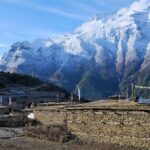
Today you trek along a winding path with views of the Gorkha Himal, Lajing Himal, Saula Himal, and Manaslu. As you ascend, the air becomes thinner and colder, and vegetation shifts from rhododendron forests to pasture grasslands.
You also pass through Lhogaun, described as a Tibetan-style village. The day ends at Samagaun after about 7 hours. This is a key day because it’s your first big confirmation that layers matter and that “slow and steady” is the only sane pace at altitude.
Day 7: Acclimatization in Samagaun with the Pungyen Gompa hike
Day 7 is intentionally lighter. You’ll spend time in Samagaun for acclimatization, then hike to Pungyen Gompa on the east side of the Nubri Valley.
This hike is around 2 hours, and you can bring lunch to eat at rest points. The route includes a river crossing that’s described as lasting about 2 hours, so don’t treat this day as a casual stroll. It’s still active, but it’s the kind of activity that helps your body adapt before the bigger push.
Day 8: Desert path to Samdo near the Tibetan border
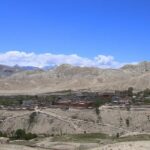
After a full day in Samagaun, you start climbing uphill through a mostly desert path to Samdo. The description says Samdo is about 4 km from the Tibetan border, and it also mentions a Tibetan refugee camp within the area.
This day is about 5 hours. The “mostly desert path” feel usually means fewer trees, more exposure, and a bigger effect from wind and sun. Pack for both warmth and cold, because mountain weather can flip fast.
Day 9: The long climb to Dharmashala (Larkya base camp)
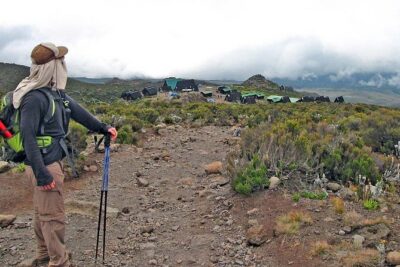
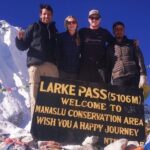
From Samdo to Dharmashala, also referred to as Larkya Phedi or Larkya base camp, you cover about 11.7 km (7.2 miles) in roughly 3–4 hours. Dharmashala sits at 4470 meters.
The route passes through Larke Bazar, described as a seasonal Tibetan market. This matters because it gives you an extra chance to rehydrate, refuel, and check your gear before the pass day.
Day 10: Larkya La Pass and icy lakes before Bimthang
Day 10 is the big one. You begin early, climb from Dharmashala to the pass, then descend to Bimthang. The day is described as a moderate-to-tough climb on winding rocky trail, and at the pass you’ll enjoy views of Ratna Chuli, Cheo Himal, and Manaslu.
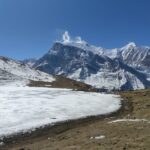
Then comes the rough part: the descent includes encountering icy lakes before reaching Bimthang. This day runs about 10 hours. If you’ve ever wondered why people train their calves for this kind of trek—this is why. Take breaks early, not late.
Day 11: Ponkar Glacier area, rhododendron forests, and Tije apple orchards
You start by walking across pasture land and descending toward the Budhi Khola valley. You cross rivers and pass through rhododendron forests. After some hours, you reach Tije, which is described as having an apple orchard and being famous for wine. You then trek about an hour more to reach Dharapani.
This day is about 6 hours. It’s also one of the most morale-friendly days because the scenery starts to feel less like pure high pass country and more like a living valley again.
Day 12: Jeep ride out to Besisahar, then Kathmandu or Pokhara
After breakfast, you take a 5-hour 4WD jeep drive from Dharapani to Besisahar. Then you transfer to Kathmandu or Pokhara.
The day is listed as about 8 hours total. It’s not “instant comfort,” but it does let you close the trek without another full hiking day. Your legs will still feel it, though—no pretending otherwise.
Tea houses, meals, and how to handle daily comfort
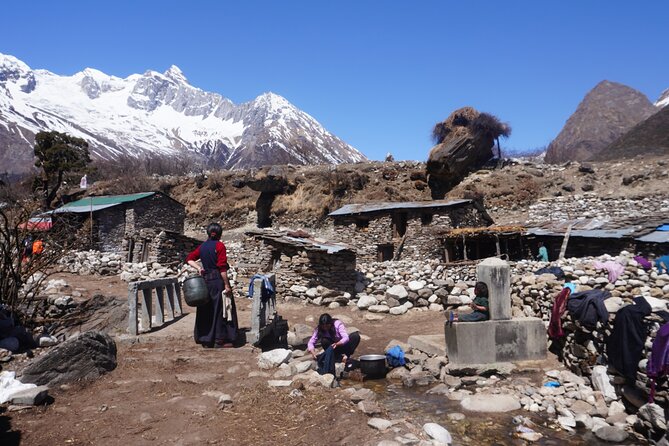
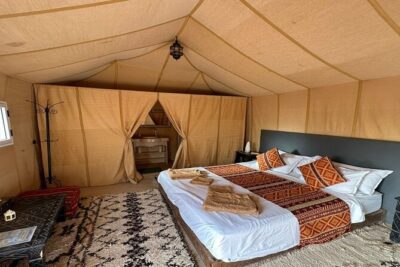
This trek uses tea house (lodge) accommodations during the days. That typically means private rooms are not guaranteed unless specified, but the big win is predictability: you know you’ll have a warm bed at the end of each day and you won’t be searching.
Meals are scheduled and included, so you’ll usually have breakfast before hiking and lunch and dinner after. The counts are built into the package: breakfast 11 days, lunch 12, dinner 12. That’s helpful when you’re adjusting to altitude, because skipping meals is the enemy.
Personal comfort items are on you. The tour info calls out that bottled or boiled water and shower-related costs aren’t included. Plan to carry a small stash of basics and accept that mountain hygiene often means “good enough” rather than spa-level.
The human side: guides, communication, and staying safe on a remote trail
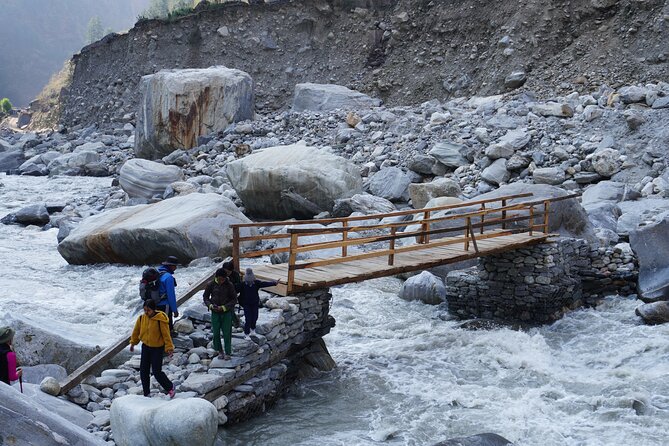
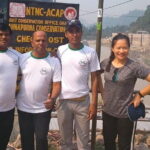
Safety isn’t just about having a good guide—it’s about having one who communicates clearly, adjusts pace when needed, and keeps things organized. The team behind this trek is represented by named guides such as Mohan, Jeewan, Lalu, Raj Rai, and Zeewan in operator reports.
What I like in the setup is that the guide role is treated like a full service job, not a volunteer task. The guide package includes food, accommodation, salary, and insurance. That usually translates to steadier decision-making in the mountains.
You’ll also see emphasis on flexibility and good communication in how the operator works. On a route where weather matters, that kind of coordination is worth its weight in warm socks.
Culture and wildlife you can look for without forcing it
The trekking route offers wildlife possibilities, including Himalayan Thar, snow leopard, and various bird species. I’d treat these as possibilities, not promises. Still, the Manaslu region’s biodiversity is real, and you may spot animals when you’re moving slowly through forest edges and less crowded valley sections.
Cultural stops are easier to count on. You’ll pass monasteries, chortens, and prayer flags in villages like Philim and Namrung. You’ll also visit or hike near Pungyen Gompa, and you’ll experience Tibetan influence stronger as you reach Lhogaun and Samdo.
The hot springs at Tatopani deserve a special mention. Even if you don’t go full soak, warm water after hiking days can reset your body.
Should you book this 12-day Manaslu Circuit trek?
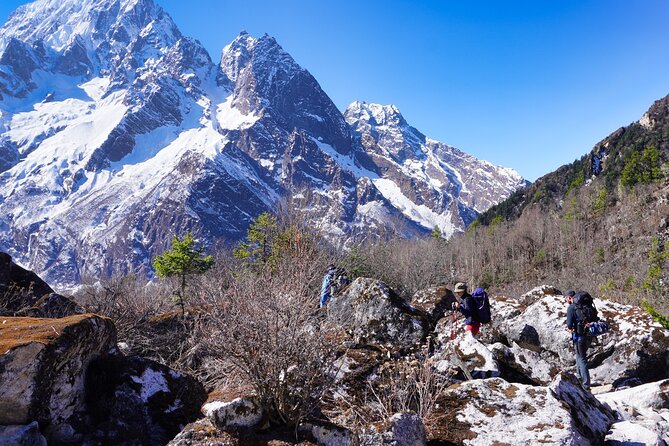
Book it if you want a serious Himalayan trek with fewer-crowd energy, real village culture, and a route that builds toward a high-mountain day instead of throwing you straight into it. It’s especially a good fit if you like tea house trekking and you want a team to handle permits, lodging, and guide support so you can travel lighter mentally.
Don’t book it if you’re looking for easy hiking every day. The pass day is long, the descent can include icy conditions, and you’ll need to be comfortable hiking for 6–10 hours and managing cold air at elevation.
If you’re the type who plans layers, respects acclimatization, and enjoys watching villages and mountains share the same narrow valleys, this trek makes a lot of sense.
FAQ
FAQ
How long is the Manaslu Circuit trek?
It’s listed as 12 days (approx.).
How much does the trek cost per person?
The price is $1,500.00 per person.
What trekking permits are included?
The package includes all required trekking permits, including Manaslu Special, MCAP, and Annapurna ACAP.
What kind of lodging do we get during the trek?
You stay in trekking lodge (tea house) accommodations during the trek.
Are meals included?
Yes. Lunch is included for 12 days, dinner for 12 days, and breakfast for 11 days.
Is pickup offered?
Pickup is offered, and the tour also includes a mobile ticket.
How high is Dharmashala on the trek?
Dharmashala is listed at 4470 meters above sea level.
Is there an acclimatization day before the highest section?
Yes. There is an acclimatization day in Samagaun, with a hike toward Pungyen Gompa.
How do you get back to Kathmandu or Pokhara at the end?
On the last day, there’s a 5-hour 4WD jeep ride from Dharapani to Besisahar, followed by transfer to Kathmandu or Pokhara.
Is travel or rescue insurance included, and is cancellation free?
Travel and rescue insurance is not included. Cancellation is free if you cancel up to 24 hours in advance for a full refund.