REVIEW · MACHU PICCHU
Salkantay trek to Machu Picchu – 5D/4N – Premium
Book on GetYourGuide →Operated by Grupo Conde Travel · Bookable on GetYourGuide
Salkantay feels raw compared to easy hikes. I love the Humantay Lake start and the chance to sleep at the SalkantayPampa basecamp instead of only staying in hotels. The main drawback to consider is planning risk: one verified booking reported guide changes and lost time handling Machu Picchu tickets once they arrived, so you’ll want to double-check your day-5 ticket timing and the guide handoffs.
This is a small group trek (max 15) with an English live guide, plus a chef and assistants. You’ll hike about 64 km / 39 miles over 5 days, with a mix of hotel and camp: 3 nights in campsites and 1 night in Machu Picchu Pueblo (Aguas Calientes).
The big value piece is that Machu Picchu access and the round-trip bus are included, plus you get a train ride back to Ollantaytambo. Still, plan your budget for meals not listed (first breakfast and last day lunch/dinner), and note that Huayna Picchu / Montaña entries are not included.
In This Review
- Key things to know before you go
- Why Salkantay feels like a real alternative to the Inka Trail
- Premium pricing: what $510 covers (and where you still spend extra)
- Small-group touring from Cusco: what “premium” feels like day-to-day
- Day 1: Cusco to Humantay Lake and the SalkantayPampa basecamp
- Day 2: Basecamp Salkantay Pampa to Chaullay
- Day 3: Chaullay to Lucmabamba and the long-hours mindset
- Day 4: Llactapata, the hydroelectric stretch, and Aguas Calientes
- Day 5: Machu Picchu citadel by bus, then the return to Cusco
- Meals, camping comfort, and what your sleeping bag really means
- Guide quality: what went right (and what can go wrong)
- What to pack for Salkantay: simple list, big payoff
- Who this trek fits (and who should skip it)
- Should you book this Salkantay trek to Machu Picchu?
- FAQ
- How long is the Salkantay trek and Machu Picchu experience?
- Where does the trek start and where does it end?
- What’s included for Machu Picchu access?
- Do I hike every day?
- Is this a small-group trek?
- What meals are included, and what should I plan for?
- Are there any key items I’m required to bring, and anything not allowed?
Key things to know before you go
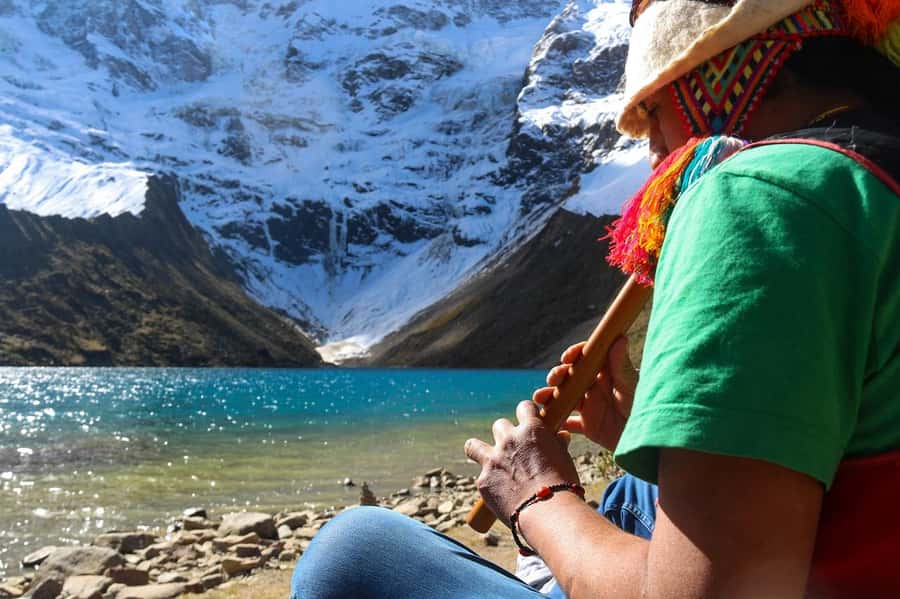
- Humantay Lake sets the tone: big views early, before the real trekking rhythm settles in.
- 3 nights camping is part of the deal: you get a sleeping bag, plus a dining tent and kitchen support.
- The hiking is no joke: day lengths are long (around 6–7 hours) and the trek is rated moderate to challenging.
- You’re covered for Machu Picchu logistics: entrance ticket plus round-trip bus from Aguas Calientes.
- Guide continuity can matter: one booking reported switching guides, so ask how guide changes are handled.
Why Salkantay feels like a real alternative to the Inka Trail
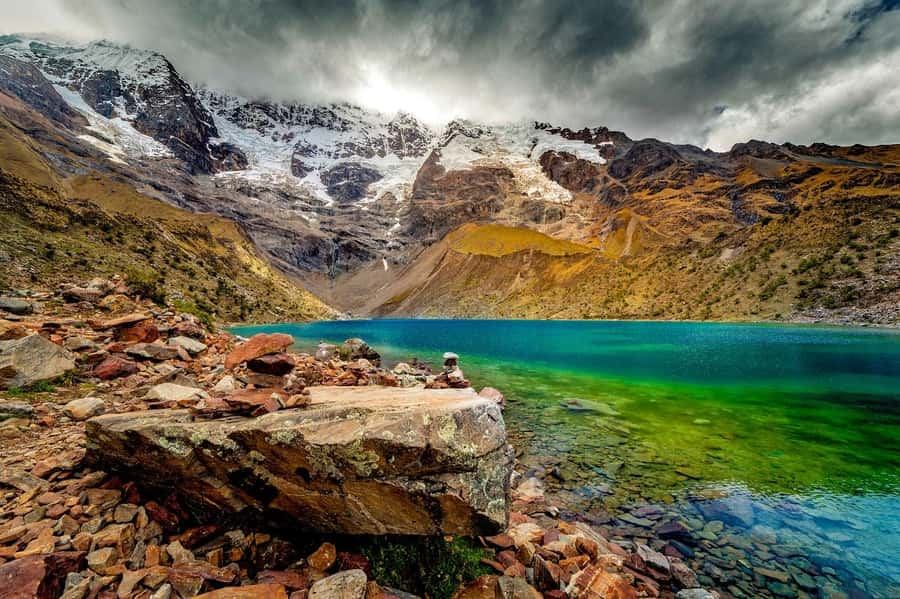
If you’ve been looking at the Inka Trail but want something less scripted, Salkantay is one of the best-known options. It keeps the classic Machu Picchu goal at the end, but the journey is different: more open high-country trekking, fewer paved sections, and the kind of mountain travel where you feel weather change in real time.
I like that this trek isn’t pretending to be luxurious. The itinerary is built around getting from Cusco out into the Salkantay route area, camping for multiple nights, then transitioning to Machu Picchu Pueblo. That mix is what makes it feel authentic—especially when your basecamp is SalkantayPampa, where you’re not constantly checking in and out of hotels.
One more thing: this is a day-by-day plan with real hiking distances (roughly 14–18 km most days). That means you get a steady progression rather than random “walk 2 hours, relax 5 hours” pacing. If you’re the type who likes physical progress and big payoffs, this fits.
Premium pricing: what $510 covers (and where you still spend extra)
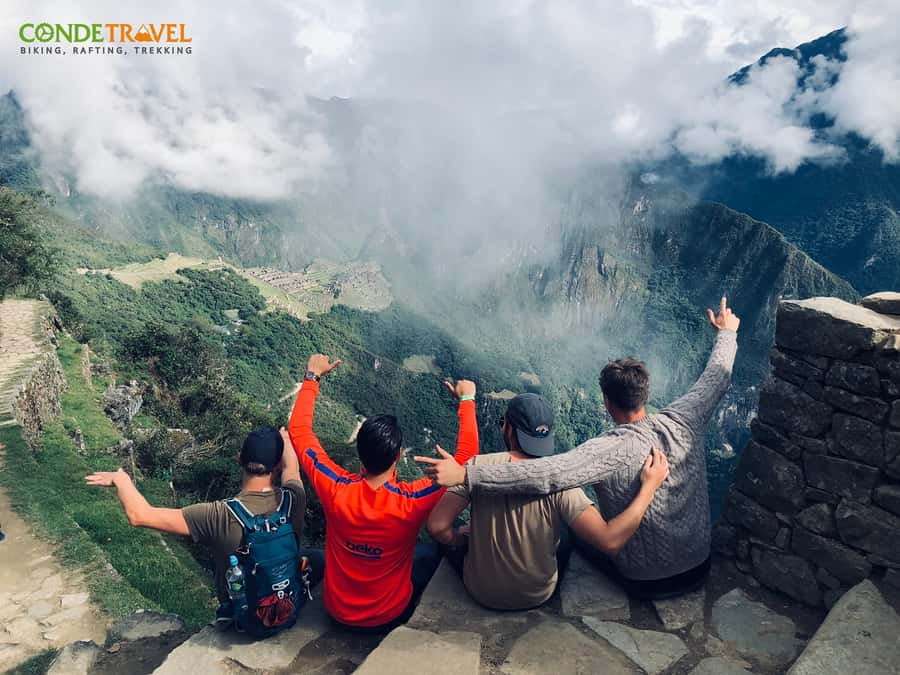
At $510 per person, this trek is priced like a “full package,” not just a guide. What stands out as value is that several expensive or annoying parts are included:
- Machu Picchu entrance ticket plus round-trip bus to the citadel
- Train back from Aguas Calientes to Ollantaytambo, then transport to Cusco
- Entrance ticket for the Mollepata–Salkantay route
- Food as mentioned in the itinerary (vegetarian options available)
- Camping support for 3 nights (including a sleeping bag)
For a trek like this, the cost often comes from logistics: getting permits, arranging transport, and handling Machu Picchu day. Here, you’re not piecing it together yourself, and that usually saves both money and headaches—assuming the on-the-ground execution matches the plan.
Where you should budget extra: the first breakfast and the last day lunch and dinner are not included. Also, if you want Huayna Picchu or Montaña Machu Picchu, you’ll need separate entries, since those aren’t part of this package.
Small-group touring from Cusco: what “premium” feels like day-to-day
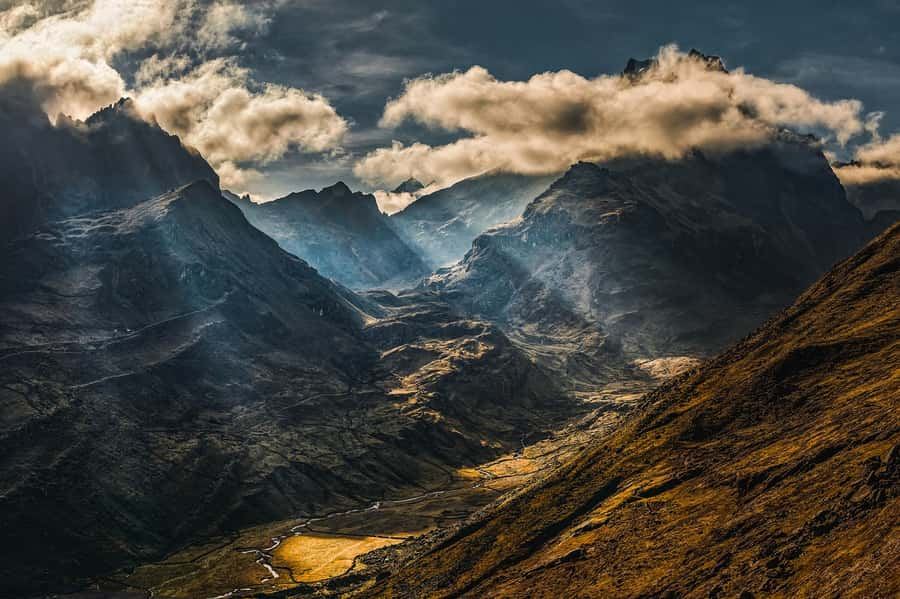
This trek runs with a live English guide and a small group limited to 15. You’ll also have chef and assistant support, which matters on multiday hikes. When meals, kitchen setup, and camp rhythm are handled, you spend your energy walking instead of figuring out logistics.
On pickup: you’re told to wait in the hotel lobby 10 minutes before the scheduled pickup time. The driver carries a sign with the company logo and their last name. That kind of detail sounds small until you’re in a city where taxis and street crowds can waste time.
And about equipment: you get a sleeping bag. That’s not the whole comfort story (mountains are cold, even when the sun is bright), but it’s a real cost saver compared with renting or buying gear last minute.
Day 1: Cusco to Humantay Lake and the SalkantayPampa basecamp
Day 1 is your “mountain warm-up” and orientation all at once. You start with the trek out of Cusco, then head to Humantay Lake and continue on to basecamp SalkantayPampa, around 16 km / 7 hours total.
Humantay Lake works as more than a photo stop. It’s your first feel of altitude and the high-mountain climate. You get a natural benchmark: if your breathing feels strained at the lake viewpoint, you know you’ll need to pace carefully for the days ahead.
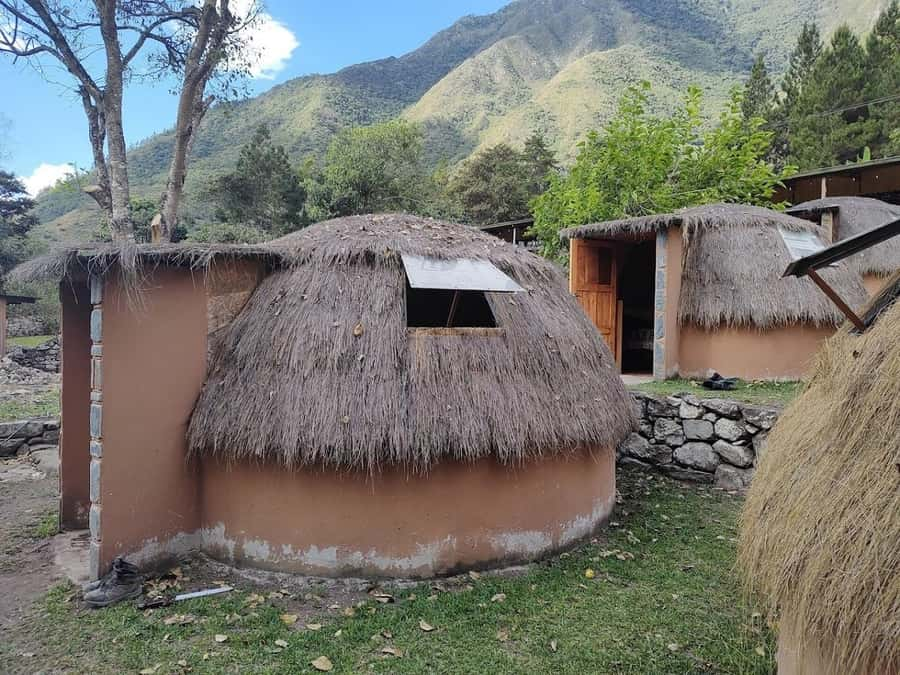
The basecamp part is important too. The trek doesn’t dump you into a hotel routine. It’s camping from the start, which means you’re learning the rhythm: when to expect meal breaks, how you’ll store gear, and how camp life changes your energy for the next morning.
How to make day 1 easier
- Move slower than you think you need to, especially uphill.
- Keep your camera and warm layers handy; day-one sun can shift quickly.
Day 2: Basecamp Salkantay Pampa to Chaullay
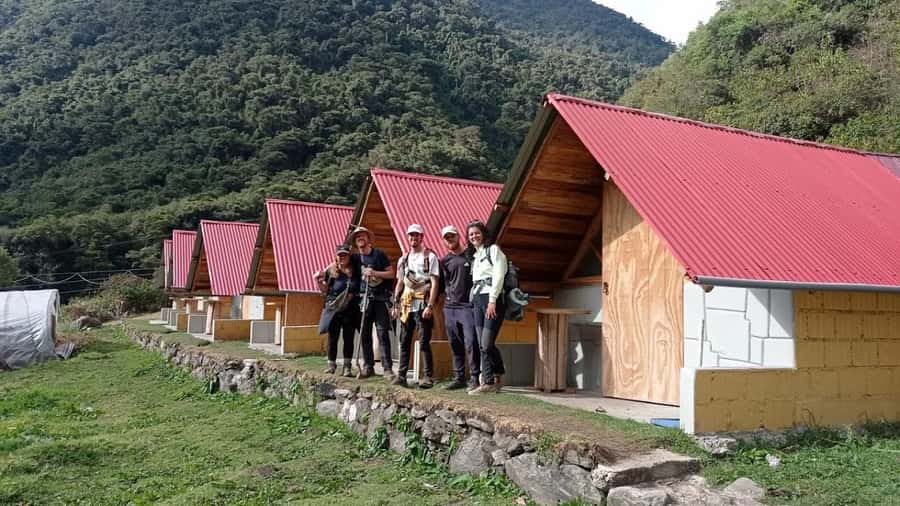
Day 2 runs about 18 km / 7 hours from Salkantay Pampa to Chaullay. This is where the trek becomes less about landmark moments and more about steady effort.
Chaullay is one of those stops that’s less famous than Machu Picchu, but that’s exactly why it matters. You’ll likely feel the difference between day-one excitement and day-two stamina. The best way to enjoy this day is to treat it like training you can see: your legs learn the pace, and your mind resets from “planning mode” into “walking mode.”
Since the itinerary keeps you hiking roughly similar time blocks each day, day 2 is a good indicator for whether your preparation is right. If you arrived with comfortable closed-toe shoes, layered clothing, and a daypack that doesn’t bounce, you’ll feel it. If you didn’t, you’ll feel it quickly here.
Day 3: Chaullay to Lucmabamba and the long-hours mindset
Day 3 is about 16 km / 6 hours, hiking from Chaullay to Lucmabamba. This day tends to feel smoother than day 2 because it’s slightly shorter, but it’s still part of the same “show up and keep moving” style of trek.
Lucmabamba is a checkpoint in the itinerary—one more step away from Cusco’s comfort and toward the Machu Picchu finishing stretch. By day 3, you also understand the camp system: how you’ll pack your day gear, when you’ll want to refill water, and how quickly you recover after dinner.
This is also a good day to pay attention to how your group works together. With a small group, your energy can ripple through the group. If you keep a steady pace and avoid unnecessary stopping, you’ll reduce the stress for everyone—including you.
Day 4: Llactapata, the hydroelectric stretch, and Aguas Calientes
Day 4 is one of the most interesting transitions. You hike about 14 km / 6 hours from Lucmabamba to Llactapata, then continue through Hydroelectric to Aguas Calientes (Machu Picchu Pueblo).
The key idea here: day 4 is where the trail narrative changes. You’re still walking, but the route is now steering you into the Machu Picchu access system—first via the Llactapata viewpoint area, then toward the hydroelectric route, and finally down into Aguas Calientes.
This day matters because it sets up your Machu Picchu morning. If you’re rushing or overexerting yourself, you’ll feel it when you’re preparing to go up by bus later. It helps to treat day 4 as “finish strong,” not “go for maximum speed.”
Also, Aguas Calientes is where your trek becomes half-urban. You’ll sleep in a hotel for 1 night here (included). After multiple nights camping, that hotel night can feel like a reset button.
Day 5: Machu Picchu citadel by bus, then the return to Cusco
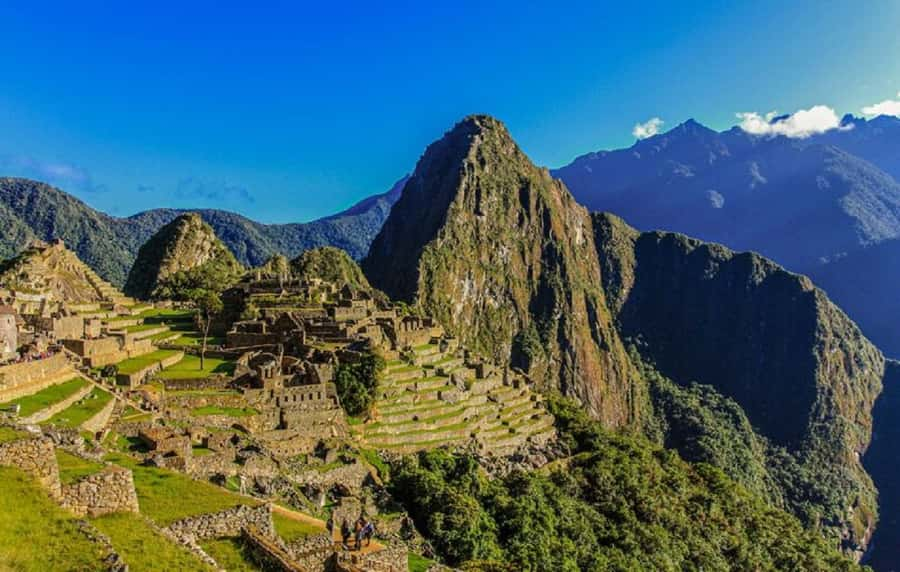
Your day 5 is built around Machu Picchu itself. You’ll go to Machu Picchu citadel, then return to Cusco at the end of the experience.
You’re covered with a round trip bus to the citadel, and your entrance ticket to Machu Picchu is included. That removes one of the biggest common headaches of visiting: figuring out which bus, which time slot, and what you need at the gate.
Then the travel machine kicks in. The plan includes a train back from Aguas Calientes to Ollantaytambo, plus transportation from Ollantaytambo to Cusco.
One important consideration: Huayna Picchu and Montaña Machu Picchu are not included. So if you want one of those extra viewpoints, you’ll need to plan it separately. And given that one verified booking reported lost time handling Machu Picchu tickets on site, it’s smart to confirm early how your entry is guaranteed and where you’ll be expected to join the line or pickup.
Meals, camping comfort, and what your sleeping bag really means
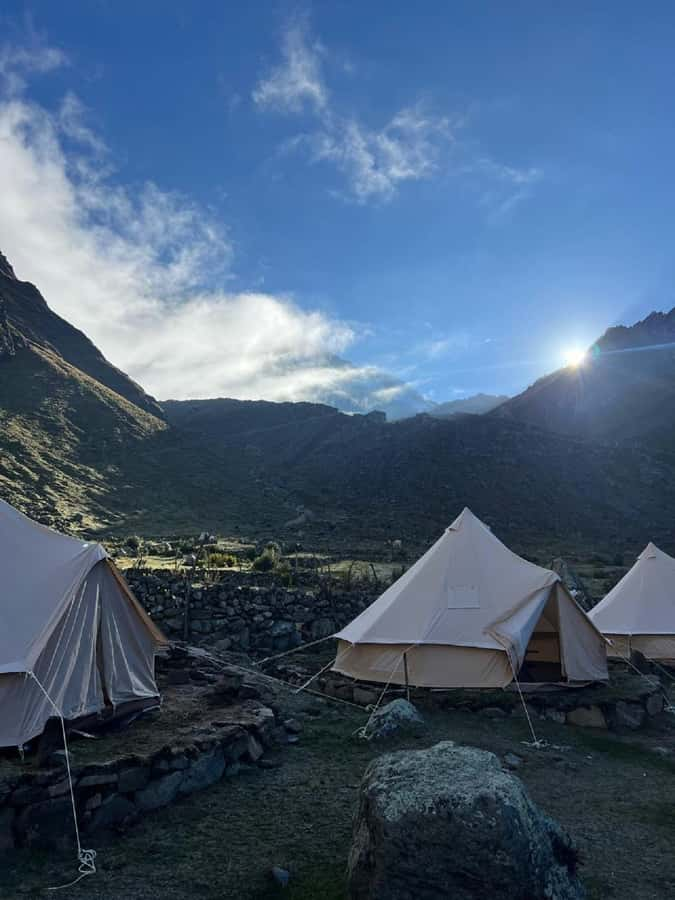
This trek includes food as listed in the itinerary, and vegetarian options are available. That’s not just a kindness; it helps you avoid the common trek problem where you end up eating last-minute, overpriced food while everyone else gets a proper meal schedule.
You also get camp support: a spacious dining tent and kitchen, plus staff to run it. That means you’re not standing around waiting hungry and cold. The tent setup also usually helps keep your group organized—people know where to go, and you can eat without turning the night into a planning session.
The sleeping bag is included, which is a big plus. Still, you’ll want to bring warm clothing. The itinerary doesn’t list exact temperature ranges, but the tour notes explicitly call for snow clothing. Translation: even if you’re hiking in layers during the day, you’ll likely need real warmth at night.
Guide quality: what went right (and what can go wrong)
Guide quality is the heart of a trekking experience. In one highly rated booking, the guide was Eduardo, and that person specifically praised his explanations about nature, traditions, and the people, saying they felt well cared for during the trek.
That’s the good news. A strong guide helps you understand what you’re seeing, not just where you’re walking. It also supports pacing and decision-making when weather or energy levels shift.
Now the caution. One verified booking had a rough experience with organization: they reported that the plan didn’t match what was promised, they were ill on day one, they said there was no emergency radio available, and they experienced different guides rather than the same one continuing throughout. They also described losing time in the Machu Picchu village while taking care of tickets.
I can’t assume that’s typical. But I do think it’s a fair reason to ask a few direct questions before you commit:
- Will the guide be the same person for the full trek?
- What’s the emergency plan if someone becomes ill on the trail?
- How exactly are Machu Picchu entrance tickets handled for your specific schedule?
If you get clear answers, you’ll feel much calmer on day 1.
What to pack for Salkantay: simple list, big payoff
The trek provides certain gear, but you’ll still want to show up ready. Here’s what the tour specifically asks you to bring:
- Passport
- Hat
- Change of clothes
- Camera
- Biodegradable sunscreen
- Comfortable clothes
- Snow clothing
- Cash
- Flashlight
- Daypack
- Charged smartphone
- Personal medication
- Closed-toe shoes
- Garbage bag
And some items that matter more than people expect:
- Closed-toe hiking shoes: non-negotiable for long days.
- A daypack: you’ll need easy access for layers and small essentials.
- A flashlight: useful when camp routines start after dark.
Also respect the rules:
- No oversize luggage, no alcohol or drugs.
- No open-toed shoes.
- No baby strollers.
- No crutches.
- No electric wheelchairs.
Who this trek fits (and who should skip it)
This Salkantay trek is rated moderate to challenging. It also has clear limits on who it’s suitable for:
Not suitable for:
- Children under 5
- Pregnant women
- People with back problems
- People with mobility impairments
- People with heart problems
- Wheelchair users
- People over 70
If you’re in the “moderate hike” camp and you’re used to walking 6–7 hours, you’ll likely be comfortable with the rhythm. If you have any health constraints, be honest with yourself and your doctor. The itinerary distances and long hiking days mean you can’t “power through” easily if your body struggles.
One more fit check: this is camping-heavy (3 nights). If you hate basic sleeping conditions and are expecting hotel comfort every night, you may find the camp nights harder than you planned.
Should you book this Salkantay trek to Machu Picchu?
I’d book this if you want a classic Salkantay route experience: small group, guided trekking, real camping at SalkantayPampa, and the major Machu Picchu logistics handled for you (entrance ticket plus round-trip bus, plus train back to Ollantaytambo).
I’d pause before booking if you’re highly sensitive to day-of logistics. There’s at least one verified report of guide changes, illness support concerns, and lost time at Machu Picchu ticket handling. That doesn’t mean it will happen to you, but it is enough to justify direct questions about emergency procedures and how Machu Picchu ticket pickup is coordinated for your exact dates.
If you want, tell me your fitness level (how many hours you hike on a typical week) and whether you want Huayna Picchu or Montaña. I can help you figure out whether this package matches your plan or if you should consider upgrades.
FAQ
How long is the Salkantay trek and Machu Picchu experience?
It runs 5 days and 4 nights, with about 64 km (39 miles) of hiking.
Where does the trek start and where does it end?
It starts in the Cusco Region and ends in Cusco after your Machu Picchu visit and return travel.
What’s included for Machu Picchu access?
Your Machu Picchu entrance ticket is included, and you also get a round trip bus to the Machu Picchu citadel. Huayna Picchu and Montaña Machu Picchu are not included.
Do I hike every day?
Yes. The itinerary includes several hiking days, with approximate distances of 16 km, 18 km, 16 km, and 14 km, plus your Machu Picchu day.
Is this a small-group trek?
Yes. It’s limited to a small group of up to 15 participants.
What meals are included, and what should I plan for?
Food is included as mentioned in the itinerary, with vegetarian options available. The first breakfast and the last day lunch and dinner are not included.
Are there any key items I’m required to bring, and anything not allowed?
You’re asked to bring items like your passport, hat, closed-toe shoes, sunscreen, a daypack, flashlight, and snow clothing. Oversize luggage, alcohol and drugs, open-toed shoes, strollers, crutches, and electric wheelchairs are not allowed.