REVIEW · POKHARA
Annapurna: 5 Days Poon Hill Circuit Trek from Pokhara
Book on Viator →Operated by Couch Adventure Nepal (CAN) · Bookable on Viator
Poon Hill delivers in five days. This trek is built for big Himalayan payoffs without going full hardcore: you’ll hike up to Poon Hill (3210 m), catch close-up views of the Annapurna area, and soak in a natural hot spring at Jhinu Danda. I also like the human side here—Gurung culture and guest-house stays make it feel personal, not just scenic. One thing to keep in mind: the trek includes trekking and transfers, but meals and drinks are not included, so you’ll need a bit of daily spending money.
The route starts with a practical Pokhara-to-trail connection: Pokhara to Nayapul, then on to Ulleri (1960 m). From there, you’ll move through classic rhododendron country and village paths, with tea-house style lodging along the way. If you want an organized, English-guided trek with permits handled, this setup makes life easier.
You should still think about effort and timing. At this elevation, mornings can be chilly, and a sunrise stop at Poon Hill usually means you’ll start early. It’s doable for most travelers, but pack smart and go easy on the first day.
In This Review
- Key Things I’d Watch Before You Go
- Pokhara Base: Why This Trek’s Starting Point Works
- Day One: Pokhara to Nayapul and Up to Ulleri (1960 m)
- Ghorepani and the Rhododendron Feel
- Poon Hill Viewpoint at 3210 m: The Big Payoff
- Jhinu Danda and the Natural Hot Spring Reset
- Gurung Culture: More Than Just Background Color
- The Guide and Service Level: Why People Rate This So High
- Price and Value: What You’re Actually Paying For
- Comfort, Food, and the Guest-House Reality
- What Would Make This Trek a Perfect Fit?
- Should You Book This Poon Hill Circuit Trek?
Key Things I’d Watch Before You Go
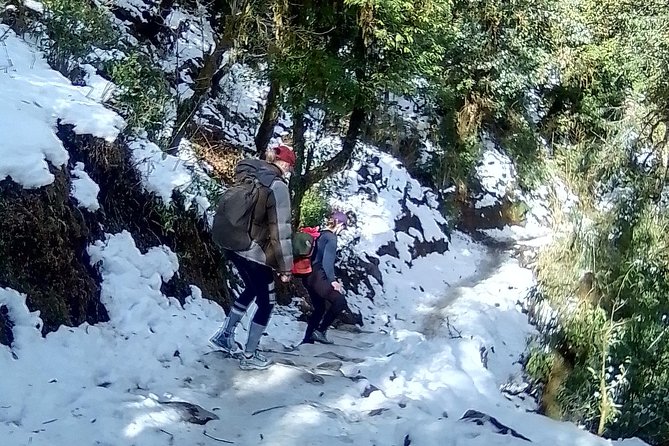
- Poon Hill to 3210 m: early-morning viewpoint that’s close to Annapurna scenery.
- Jhinu Danda natural hot springs: a real reward after days of walking.
- Rhododendron forest hiking: an atmospheric trail option you actually feel in your lungs.
- English-speaking guide and guest-house lodging: simple, organized, low-stress trekking rhythm.
- Private trip feel: only your group participates, with a private vehicle for the transfers.
- Permits handled: trekking permit and TIMS card are included, so you’re not scrambling.
Pokhara Base: Why This Trek’s Starting Point Works
Pokhara is set up for people who don’t want a complicated first day. Your trek begins with an 8:30 am start, and you get round-trip transfer by private vehicle from Pokhara. That matters more than it sounds. You arrive at the trail already oriented, with less time wasted on logistics.
It also helps you pace yourself. Instead of jumping into a long travel day, you get a clean transition: drive to Nayapul, then begin trekking up to Ulleri (1960 m). The Ulleri day is your acclimation ladder—enough climb to feel like you started, not enough to crush you.
If you’re the type who likes to know what’s coming, the structure is clear. And if you’re the type who likes flexibility, the private format means your guide can set a realistic pace for your group.
You can also read our reviews of more tours and experiences in Pokhara.
Day One: Pokhara to Nayapul and Up to Ulleri (1960 m)
The first leg is all about getting on the trail smoothly. The route begins Pokhara → Nayapul → Ulleri (1960 m). This is the kind of first day that rewards you later, because you’re not starting at zero after a chaotic morning.
What you’ll likely feel: the shift from lakeside ease to hill-country effort. Ulleri is high enough to start putting the Annapurna region into perspective, but it’s not an instant altitude shock. Think of it as the warm-up stage before the view days.
Where it’s valuable: you start trekking early in the rhythm of the trip. That makes it easier to enjoy the climb rather than treating every step like a chore.
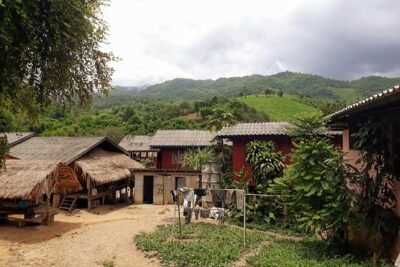
What to consider: guest houses are basic by Western hotel standards. You’re there for the trail, the people, and the morning views—not for luxury plumbing.
Ghorepani and the Rhododendron Feel
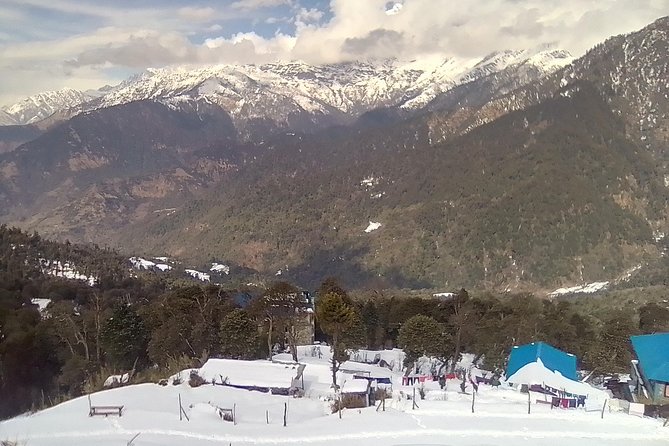
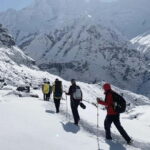
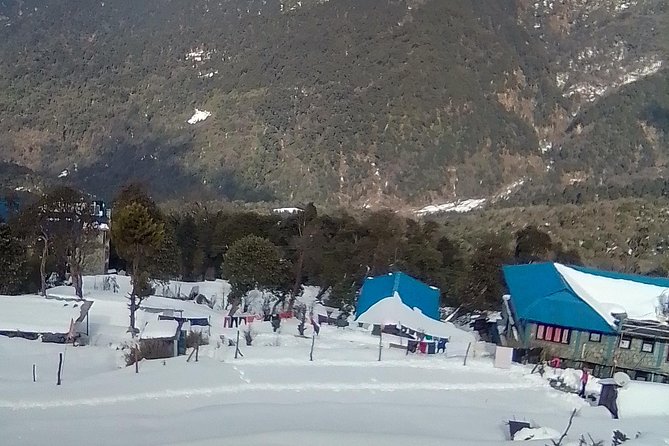
The trek is commonly known as a Ghorepani Poon Hill style route, and that matters because Ghorepani is part of the classic “base for sunrise” setup. You’ll be moving through the lower-to-mid hills, with rhododendron forests in the mix.
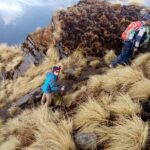
Rhododendron forests aren’t just pretty on paper. In practice, they change the hiking vibe. The shade helps on brighter days, and the vegetation makes the trail feel alive instead of repetitive. It’s also one of the ways the Poon Hill area earns its reputation: you don’t just hike in one mood.
Why I like this part of the trip: it’s the in-between day energy. The views are coming, but you’re also doing real walking through a lived-in landscape, passing through village life at a human scale.
One caution: because the trek is only about five days, you won’t have much time to spread out the climbs. Keep an even pace and let your guide manage the timing, especially if your group has mixed fitness levels.
Poon Hill Viewpoint at 3210 m: The Big Payoff
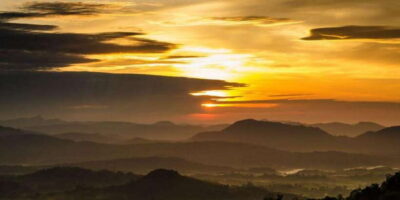
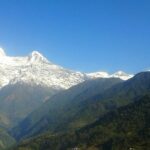
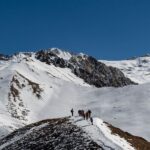
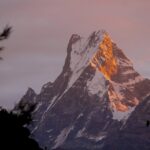
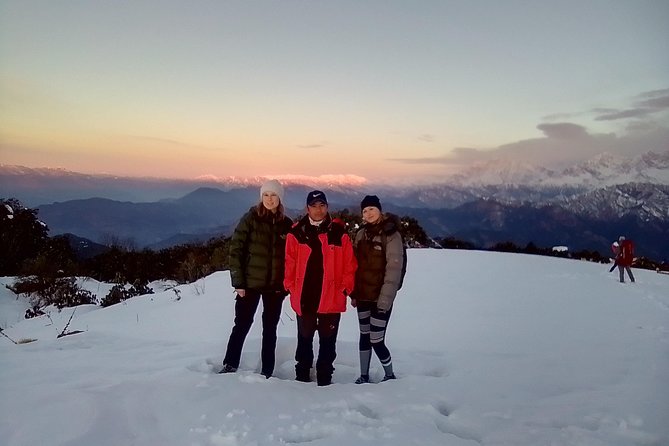
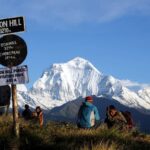
This is the headline for a reason. Poon Hill (3210 m) is your best viewpoint on the route, and it’s described as being close to the Annapurna area. In other words: you’re aiming your effort at a spot that gives you a strong “Himalayas are real” moment.
Timing is the key detail you can’t ignore. Sunrise-style viewpoints generally mean an early start. When you’re doing that, you don’t want to negotiate with your own energy. Plan for it. Warm layers help. A headlamp can also be useful if you’re heading out before it’s fully light—just use common sense with mountain weather.
What makes this stop worth it:
- It’s high enough to feel like you’ve earned the view.
- It’s a concentrated “moment,” which is ideal on a tight five-day schedule.
- It gives you a payoff you can remember without spending weeks deep in the mountains.
A small drawback: the route’s popularity can mean you’ll see other trekkers at the viewpoint. That’s not a dealbreaker, but if you prefer total solitude, manage your expectations.
Jhinu Danda and the Natural Hot Spring Reset
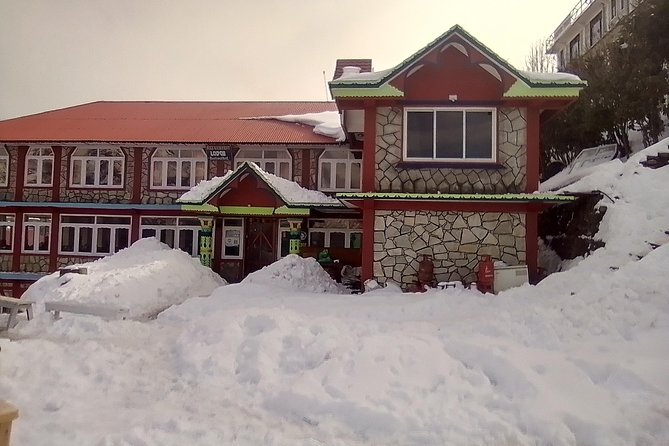
After walking, you’re going to want a reason to feel human again. That’s where Jhinu Danda comes in. The trek includes a natural hot spring stop here—part reward, part recovery.
This is one of those travel moments where timing matters. Hot springs are best when you’re tired enough to appreciate them, but not so dehydrated that your body needs more than a soak. Drink water during the day, and don’t treat the hot spring like a substitute for basic trekking care.
Why you’ll like it:
- It gives you a “destination” beyond viewpoints.
- The hot spring makes the last walking days feel more satisfying.
- It adds variety: view hiking one day, recovery soaking the next.
Consideration: the experience is natural, so conditions can vary. Bring a towel or plan for whatever guest houses provide. Also, keep your valuables safe; hot springs are not the place to be casual with phones and cash.
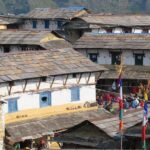
Gurung Culture: More Than Just Background Color
One line in the overview points to Gurung culture, and it’s exactly what makes a trek like this feel grounded. You’re not just walking through scenery—you’re interacting with village life. Even on a relatively short trek, those moments add up.
What that can look like in real life: you’ll be around locals in guest houses, on trail paths, and in small community settings. Your guide helps you make sense of what you’re seeing, and that turns “passing through” into “paying attention.”
I also like that this trek is arranged with an English-speaking trekking guide, because cultural context can be the difference between a photo and a memory that sticks.
Practical advice: be polite, be patient, and ask simple questions. Small conversations go a long way, especially when you’re a guest in someone’s daily rhythm.
The Guide and Service Level: Why People Rate This So High
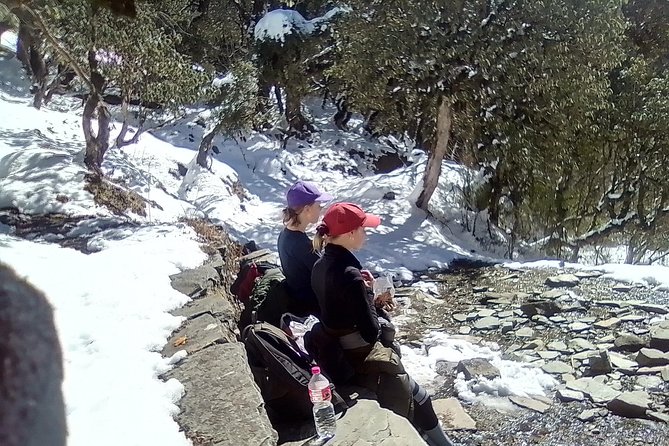
The strongest theme in the reviews is how smoothly things run and how well the group is taken care of.
One reviewer called out a guide who was kind, helpful, intelligent, and smart. Another review praised the full arrangement: transport, accommodation, and hospitality, with staff described as very helpful. A group of six highlighted the guide Krishna as amazing, and several reviews emphasized that services felt organized and smooth.
This matters for you because Poon Hill treks can feel overwhelming if you’re piecing it together yourself: permits, pacing, guest-house logistics, transfer timing, and basic trail decisions. When the guide and support handle the “gray area stuff,” you spend your energy walking, looking, and enjoying the day.
A private trip also changes the vibe. You’re not sharing your timing with strangers. If your group wants to move slower, or you have someone who needs breaks, the setup is designed for your group only.
Price and Value: What You’re Actually Paying For
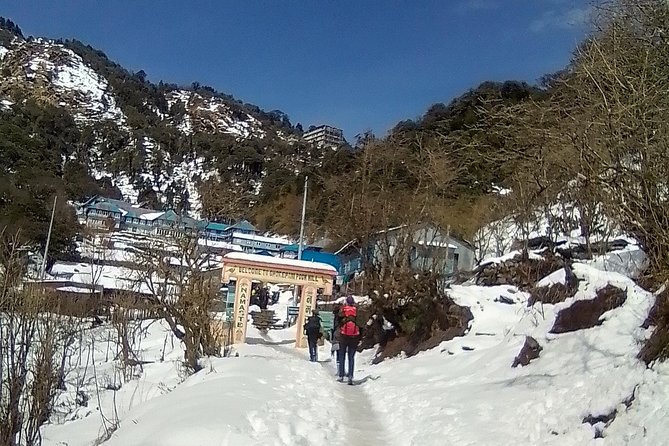
At $257.07 per person (for this 5-day experience), the price is tied to real, practical inclusions, not just a generic “package” label.
Included items that add value:
- English-speaking trekking guide
- Guest house accommodation
- Trekking permit and TIMS card
- Round-trip transfer by private vehicle
- The fact it’s a private trip for your group only
What’s not included (and you should budget for):
- All meals and drinks (available for purchase)
- Rescue costs in an emergency
- Gratitude is optional
So here’s the honest take: the cost makes sense if you want the permits and logistics handled and you’d rather pay than manage. If you’re a seasoned trekker who already has permits sorted and loves planning every detail, you might compare with cheaper self-arranged options. But for most people, this price buys peace of mind—and peace of mind is worth real money on a short trek.
Also, the trek is only about five days. Short treks rise in value when everything is organized tightly, because there’s less time for mistakes.
Comfort, Food, and the Guest-House Reality
Accommodation is included in guest houses. That usually means simple rooms, shared communal areas, and basic services—fine for trekkers, but not a hotel experience.
Meals and drinks aren’t included, but they’re available for purchase. That can actually be a good thing. After days of hiking, you might want flexibility: tea, soup, or something more filling depending on how your appetite behaves at altitude.
My practical tip: plan to eat early enough and not just when hunger hits hard. Trekking nutrition works better when you stay ahead of it.
If your group includes people who get picky about food choices, ask your guide how menu options look on your day. The provided info doesn’t guarantee specific menus, so you’ll want to stay flexible.
What Would Make This Trek a Perfect Fit?
This is a great match if you want:
- A Himalayan viewpoint trip with a strong “big moment” payoff at Poon Hill
- A shorter time commitment (about 5 days) from Pokhara
- Cultural interaction and a chance to enjoy Gurung culture
- A recovery feature with Jhinu Danda hot springs
- Guides and transfers handled in a way that reduces stress
It may be less ideal if you want gourmet food included, or you’re hoping for a fully private lodge experience every night with no basic trekking conditions.
Who I think especially enjoys it: couples, friends, and small groups who like scenery but also like feeling looked after. The reviews repeatedly mention care, smooth organization, and friendly guidance, including Krishna as a standout name.
Should You Book This Poon Hill Circuit Trek?
If you’re aiming for an organized, value-driven Annapurna foothills trek with a guide, permits, private transfers, and a real reward day at Jhinu Danda, I think it’s a smart booking choice.
Book it if you:
- Want the Poon Hill (3210 m) sunrise-type viewpoint experience
- Like the idea of rhododendron forest hiking and guest-house stays
- Appreciate cultural interaction with a guide you can actually talk to
- Prefer a private group setup instead of mixing schedules
Skip it (or at least shop alternatives) if you:
- Need meals and drinks included
- Are expecting hotel-level comfort
- Want emergency rescue coverage included in the package cost
Bottom line: this trek is built for people who want maximum Himalayan memories with minimum planning headaches. And that balance is exactly what makes Poon Hill treks so popular in the first place.