REVIEW · SAPA
Sapa Mountain Escape: 2-Day Trekking, Rice Terraces & Homestay
Book on Viator →Operated by Sapa Odyssey Tour · Bookable on Viator
Sapa’s mountains feel close on this short trek. This 2-day, 1-night hike connects mountain viewpoints, villages like Hang Da and Ta Van, and the kind of walking paths that pass through bamboo forests and terraced fields. The other big draw is the chance to stay with a Hmong family and see day-to-day life up close through cooking, routines, and local hospitality.
I also like how much you’ll rely on a strong local guide—people really remember Nhu for staying warm, explaining what you’re seeing, and adjusting the pace so your group can have quieter moments. One possible drawback: this is moderate trekking on mountain paths, so if you’re expecting a totally easy walk with minimal stairs and slopes, you may want to choose something gentler.
In This Review
- Key points to know before you go
- Why this 2-day Sapa trek hits a sweet spot
- Getting started: pickup at Sa Pa Stone Church and a real game plan
- Day 1: Ham Rong Mountain, Hang Da, and the bamboo-forest approach to Giang Ta Chai
- Stop at Ham Rong Mountain
- Hang Da Village: big rocks, village charm, and cultural context
- Hau Thao and the trek through bamboo forest
- Giang Ta Chai homestay: tea on arrival and village life
- Homestay night: the part you’ll remember most
- Day 2: coffee over terraces, Ta Van, and Lao Chai’s rice-field setting
- Ta Van Village: bamboo forest exit and ethnic group context
- Lao Chai: terraced rice fields and Black Hmong village life
- Price and value: what $80 actually buys you
- Guide Nhu: pacing, explanations, and that quieter feeling
- What to pack (and what to plan for) on a moderate Sapa trek
- Who should book this trek, and who might want a different option
- Should you book Sapa Odyssey Tour?
- FAQ
- FAQ
- What’s included in the Sapa Mountain Escape tour price?
- What’s not included?
- How long is the trekking experience?
- Where do I meet the guide?
- Is pickup from my hotel offered?
- Is this a group tour or private?
- What walking level should I expect?
- Can the tour accommodate vegan or other dietary needs?
- Are entrance tickets included?
- Is there a cancellation option if my plans change?
- Is mobile ticketing used?
Key points to know before you go
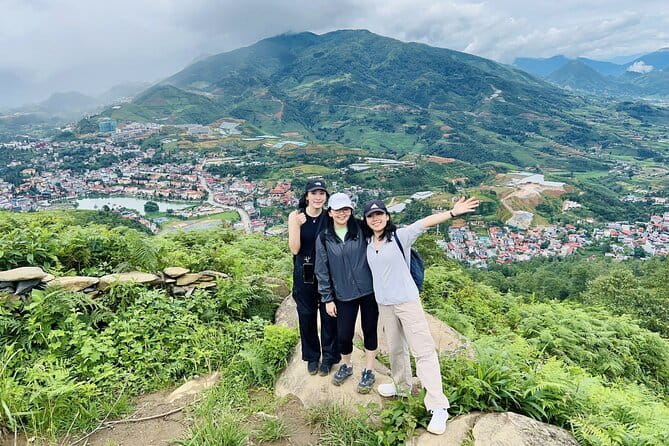
- Homestay night with a Hmong family gives you the real rhythm of village life, not just photo stops
- Nhu’s style focuses on local context and practical pacing, including avoiding heavy crowds when possible
- Day 1 mix of viewpoints and villages starts at Ham Rong Mountain and moves through Hang Da before the bamboo-forest trek
- Day 2 terraced rice fields and village visits to Ta Van and Lao Chai add variety without turning it into an all-day grind
- Meals, water, and entrance fees are included, so you won’t be constantly checking what costs extra
Why this 2-day Sapa trek hits a sweet spot
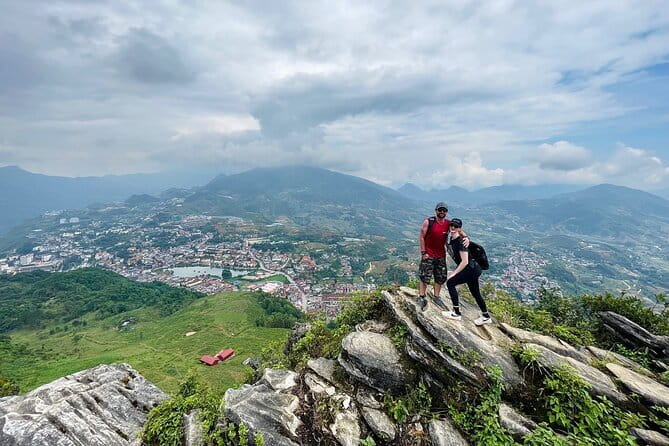
Sapa can be a “big trip” place. Roads, fog, steep paths, and sudden weather shifts can make long tours feel tiring fast. That’s exactly why I like this format: two days is long enough to get out of the town bustle and into villages, yet short enough to keep the experience relaxed.
You’re not just ticking boxes like viewpoint, market, viewpoint. You walk from Ham Rong Mountain down toward villages, then continue through bamboo forests and rice terraces. The tour also folds in homestay life, which is where this kind of trek becomes personal.
The other practical advantage is structure. You get a clear start from Sa Pa Stone Church, an itinerary that moves by time of day, and private transportation between segments. That means less guessing, more time to enjoy what’s in front of you.
You can also read our reviews of more tours and experiences in Sapa.
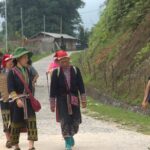
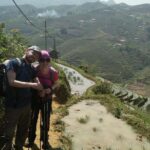
Getting started: pickup at Sa Pa Stone Church and a real game plan
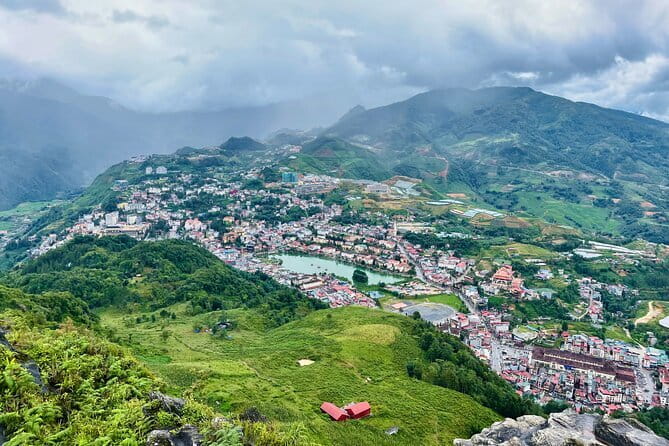
Your day starts around 9:00 AM with a guide pickup at your hotel or a meeting at Sapa Church (Sa Pa Stone Church area). You’ll get a briefing before the walking starts, which matters in Sapa because footing and direction change as you move between elevations.
This tour also runs as a private activity for your group. That tends to help the pacing. If you’re the kind of traveler who likes breaks, slower stretches, and less waiting around, a private setup usually feels calmer than shoehorning your group into a large crowd.
You’ll also see the “included” theme right away. Entrance fees on key stops are part of the package, and water is included. That reduces the number of little add-ons that can quietly turn a good deal into an expensive day.
Day 1: Ham Rong Mountain, Hang Da, and the bamboo-forest approach to Giang Ta Chai
Day 1 is about variety—views, village scenery, then walking that feels more like being in the hills than touring them.
Stop at Ham Rong Mountain
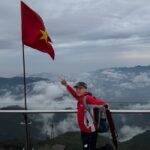
Ham Rong Mountain is your morning anchor. The plan sets aside about 3 hours, with admission included. Expect a viewpoint-heavy start from the Sapa town area, the kind of spot where you quickly understand why people come to the region even when the weather is moody.
This is also a good moment to get comfortable with the pace. You’ll be moving between heights and walking surfaces, so it’s smart to start with sturdy shoes and not underestimate how quickly your legs warm up once the trail tilts.
Hang Da Village: big rocks, village charm, and cultural context
Next comes Hang Da Village for about 1 hour (admission included). Hang Da is known for natural scenery and cultural heritage, and it has a distinctive look thanks to large rock formations around the village.
If you like photos, this is a reliable stop. If you prefer to learn, this is where a good guide earns their pay. With the right explanations, you’ll notice how people use the terrain, not just how it looks in a postcard.
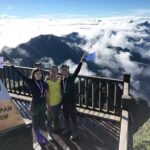
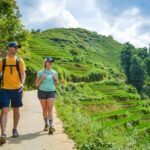
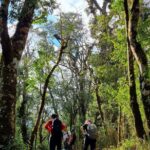

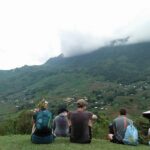
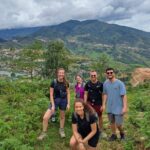
Hau Thao and the trek through bamboo forest
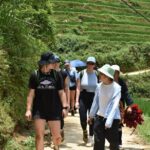
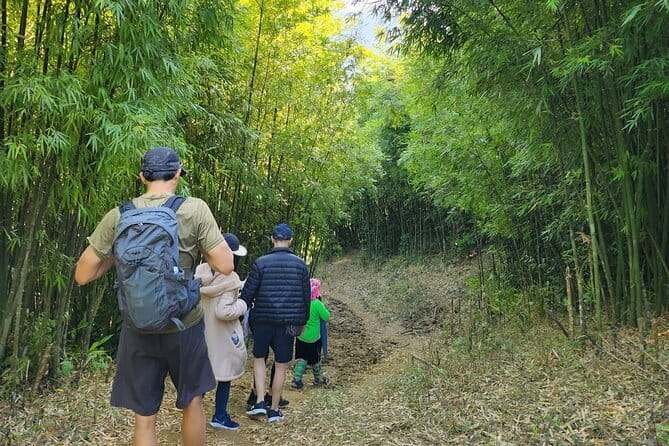
After lunch, the itinerary turns into walking mode. You’ll trek toward Hau Chu Ngai village and follow village paths and short trails through bamboo forests. The schedule also mentions a descent toward Giang Ta Chai village, and that segment is about 1 hour 30 minutes.
One practical note: this is where the “moderate fitness” requirement becomes real. Bamboo paths can be uneven, and descents can feel harder than they look. Plan for short bursts of effort, and keep a steady pace—your legs will thank you.
Giang Ta Chai homestay: tea on arrival and village life
You reach the Giang Ta Chai homestay around 3:30 to 4:00 PM. Hosts welcome you with warm tea, and you’ll check into your room and get a chance to rest before dinner.
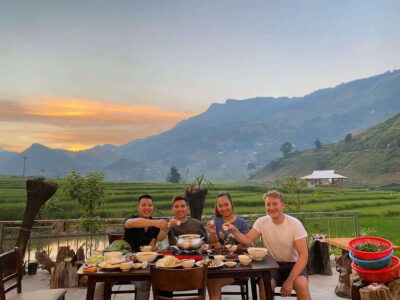
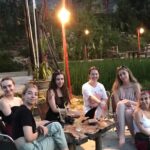
What makes a homestay night valuable isn’t just the bed. It’s how the day continues after tourists disappear. You’ll be fed (dinner is included) and you’ll get a front-row seat to daily habits like cooking and local routines. Even if you don’t speak the local language, your guide can help translate what you’re seeing so it feels meaningful instead of just “things to look at.”
Homestay night: the part you’ll remember most
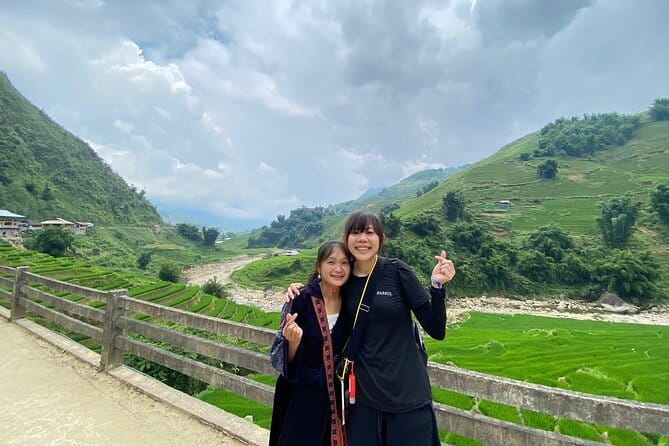
A homestay is a cultural exchange, not a hotel experience. So I set expectations early: you should be ready for simpler comforts and a schedule that follows the household rather than a global resort rhythm.
The good news is that this tour is designed around the homestay. Meals (breakfast and dinner) plus water and the homestay stay itself are included, and entrance fees on the itinerary stops are covered too. That means you’re not constantly doing mental math while you’re trying to enjoy the evening.
Also, this particular tour is pitched around staying with a Hmong family and learning about traditions across Sapa’s ethnic minority communities. You’ll likely learn through conversation and observation—how people live, how they prepare food, and how they move through the day.
From the reviews I took cues from, the guide factor is huge. Nhu is noted for being warm and thoughtful with history and culture, and for adjusting the itinerary so your group can spend time without constantly weaving through other groups. In a homestay context, that matters. When the pace is right, you arrive with enough energy to actually connect.
Day 2: coffee over terraces, Ta Van, and Lao Chai’s rice-field setting
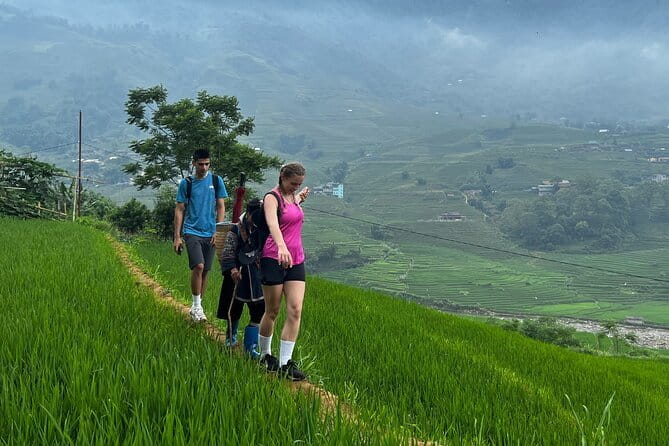
Day 2 starts with a slow morning. You wake in an unfamiliar setting, and the plan specifically calls out coffee while you look out over terraced fields. Breakfast is served at 8:00 AM, then you pack up and say goodbye to your hosts.
That rhythm is one of the smartest parts of a 2-day trek. Too many short hikes cram the most interesting moment into the last hour. Here, you get the view at a human time of day—when the light can be softer and the hills feel less chaotic.
Ta Van Village: bamboo forest exit and ethnic group context
Next you head to Ta Van Village, emerging from bamboo forest along the way. This stop is about 1 hour with admission included.
The guide explains cultural distinctions between the Black Hmong and Giay ethnic groups here. Even if your knowledge is basic, this kind of context helps you notice more than clothing. You start linking how communities live to how the area’s geography supports their routines.
Lao Chai: terraced rice fields and Black Hmong village life
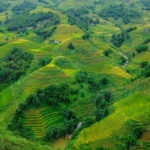
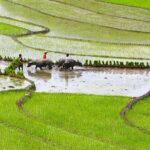
Then you continue to Lao Chai for about 2 hours. Admission is free on this segment as listed, and Lao Chai is known for terraced rice fields and a Black Hmong community presence.
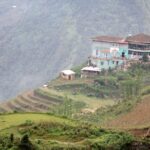
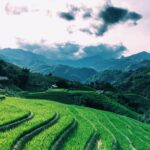
This is where the walking and the views work together. Terraces look gorgeous from afar, but on a route like this, you also get the sense of how much work goes into maintaining them. If your guide points out what you’re seeing—paths, fields, and house placement—you’ll leave with a sharper understanding of the village’s relationship to the terrain.
By the end, the trip returns you back to the meeting point area. The plan keeps this tidy, which is helpful if you want to continue your Sapa day afterward.
Price and value: what $80 actually buys you
At $80 per person for a 2-day / 1-night experience, the value depends on what you compare it to.
Here’s the key: this price includes the stuff that usually makes trek costs rise:
- Homestay stay and entrance fees
- Breakfast and dinner, plus two lunches and water
- Private transportation
- Pickup offered from the town area (hotel or Sapa Church meeting point)
Tips and personal travel insurance are not included, but that’s typical for this style of tour. Still, because so much is bundled, you should feel fewer surprise expenses compared with DIY plans where you end up paying separately for guide, homestay arrangements, and trail access.
One more value signal: it’s a private tour. Private doesn’t always mean more expensive in practice if the group size is small and costs stay aligned. You also get a better shot at a calmer route, which lines up with the feedback about Nhu adjusting the itinerary to avoid other groups as often as possible.
Guide Nhu: pacing, explanations, and that quieter feeling
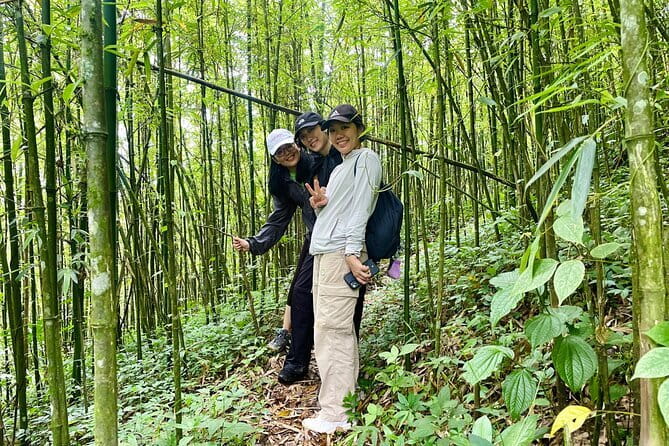
The biggest praise point across experiences like this is the guide. In this case, Nhu is specifically called out as warm, passionate, and able to explain history and traditions in a way that feels grounded rather than scripted.
Just as important, she adapts. One highlight from the experience notes is that Nhu quickly understood what you might want: fewer other tourists in your path and a sporty, flexible pace. When your guide can steer around congestion and adjust walking rhythm, you get something rare in a popular area—more space for your own thoughts.
If you’re the kind of traveler who wants photos, you’ll still get them. But if you prefer learning while walking, Nhu’s approach is the difference between seeing villages and understanding them.
What to pack (and what to plan for) on a moderate Sapa trek
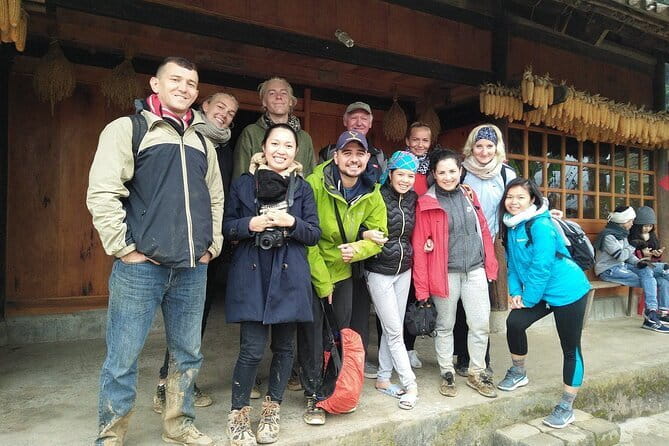
The tour is listed for travelers with moderate physical fitness. That doesn’t mean it’s extreme, but you should assume:
- uneven trails and changing elevations
- descents that feel tougher than expected
- cool mountain air that can shift quickly
Pack for comfort and real footing:
- closed-toe walking shoes with grip
- a light rain layer (Sapa weather can change fast)
- a small day pack for water and snacks (even though water is included)
- a layer for mornings and evenings
Also think about homestay life. Bring a basic set of personal items you’d want for an overnight stay. Even when the hosts are welcoming, it helps to plan for simpler accommodations than a city hotel.
If you have dietary needs, you’re covered. The tour lists vegan-friendly accommodations and can handle vegetarian, vegan, and gluten-free needs if you note it at booking.
Who should book this trek, and who might want a different option
This trek is a strong match if you:
- want a short, memorable Sapa itinerary without a full-week commitment
- care about village life and prefer learning from people over just looking at views
- like bamboo-forest and rice-terrace walking more than staying in town
- value a guide-led pace that can reduce crowded feeling
It may be less ideal if you:
- need a totally flat, low-effort walk
- dislike overnight homestays or prefer hotel-only comfort
- expect to control the schedule day-by-day with zero guided structure
For most people, it lands in a good middle ground: structured enough to feel easy to follow, yet personal enough to feel real.
Should you book Sapa Odyssey Tour?
If you want real Sapa—not just quick photo stops—this is a smart choice. The combination of Ham Rong Mountain, Hang Da Village, bamboo-forest trekking, and a homestay night gives you a complete arc in just two days. You also get the practical benefits of bundled meals, water, entrance fees, and private transportation.
The deciding question is your comfort with moderate walking and overnight homestay basics. If that fits your style, you’re likely to love how the days flow from morning viewpoints to terraced-field mornings and village visits on Day 2.
FAQ
FAQ
What’s included in the Sapa Mountain Escape tour price?
The tour includes breakfast, dinner, water, homestay stay with all entrance fees, private transportation, and two lunches.
What’s not included?
Tips and personal travel insurance and personal expenses are not included.
How long is the trekking experience?
It’s listed as 2 days, approximately 1 night.
Where do I meet the guide?
The start point is near Sa Pa Stone Church (Sapa Church area). The experience ends back at the meeting point.
Is pickup from my hotel offered?
Yes. You can be picked up at your hotel or meet at Sapa Church.
Is this a group tour or private?
This is private. Only your group participates.
What walking level should I expect?
It’s described as suitable for travelers with moderate physical fitness.
Can the tour accommodate vegan or other dietary needs?
Yes. It states vegan-friendly options and that dietary restrictions like vegetarian, vegan, and gluten-free can be accommodated if you indicate them at booking.
Are entrance tickets included?
Entrance fees are included for the listed stops where admission is marked as included.
Is there a cancellation option if my plans change?
You can cancel for a full refund if you cancel up to 24 hours in advance of the experience’s start time.
Is mobile ticketing used?
Yes, the experience includes a mobile ticket. Confirmation is received at booking.