REVIEW · CUSCO
Classic Choquequirao Trek – 5 Days / 4 Nights
Book on Viator →Operated by Salkantay Trekking · Bookable on Viator
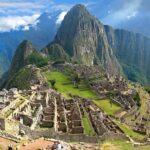
Choquequirao hits hard, even before dawn. This classic Andes trek drops you deep into the Apurímac Valley and brings you to Choquequirao, a site that feels bigger than Machu Picchu precisely because it’s so hard to reach.
I love how the route slowly turns from glacier-view drives into real hiking rhythm: descent, then climbing, then that long high-mileage day when the canyon keeps widening under you. I also love the “you hike, they handle the heavy stuff” setup, where muleteers and porters move your camping gear and you get hot meals, tea time, and steady support from a licensed bilingual guide like Guido or Roman (both praised for motivation and calm leadership).
One consideration: this is a physically serious trek. You’ll be managing altitude and long days, and you’ll still need to pack the basics that aren’t included, like a sleeping bag and trekking poles.
In This Review
- Key things that make this trek worth your time
- Pre-dawn Cusco to Cachora: Why the day starts before your brain does
- Day 1: Cachora viewpoints, then a long descent into Chiquisca
- Day 2: Marampata climbs, Playa Rosalinas gets serious
- Day 3: A whole day at Choquequirao Inca Citadel
- Day 4: Back down, river cooling, and a Chiquisca home visit
- Day 5: Capuliyoc, Saywite Monolith, and Cconoc hot springs
- How the logistics actually help you hike (small group, porters, and carried gear)
- Food on the trail: steady meals, plus options when you need them
- Camping comfort you’ll notice on the bad leg days
- Price and value: what $735 covers in real mountain terms
- Gear you still need: the two big items that aren’t included
- Who should book this trek (and who should think twice)
- Should you book the Classic Choquequirao Trek?
- FAQ
- How long is the Classic Choquequirao Trek?
- What time does the trek start in Cusco?
- How many people are in the group?
- What camping and meals are included?
- Do I need to bring a sleeping bag and trekking poles?
- Are vegetarian or vegan meals available?
- Do I need altitude acclimation before starting?
Key things that make this trek worth your time
- Pre-dawn departure to Cachora, with big glacier views of Salkantay and Humantay
- Wildlife spotting potential as you move through the valley, including a chance to see condors
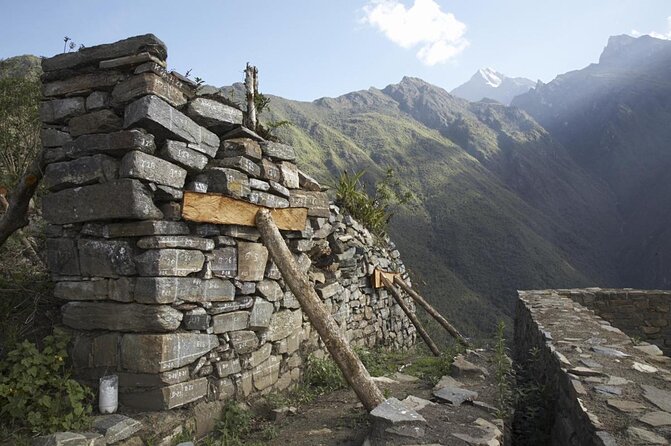
- A full guided Choquequirao day with terraces, plazas, temples, and the famous carved white llamas
- Camping that’s set up for you in quality tents, with an inflatable mattress and a portable travel toilet
- Safety and comms in the backcountry (walkie-talkies, emergency satellite phones, first aid, oxygen)
- Day-5 bonuses: Saywite monolith with 200+ carvings and the Cconoc hot springs
Pre-dawn Cusco to Cachora: Why the day starts before your brain does
Your trek begins with a hotel pickup in Cusco in the pre-dawn hours. The start time is listed as 4:00 a.m., and on the day’s flow you’ll be rolling out around 4:30 a.m., when you’re still half-asleep and the Andes are very much awake.
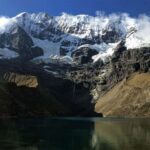
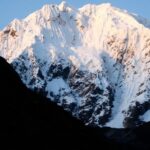
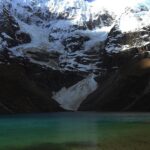
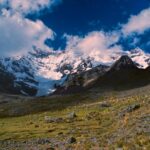
From Cusco you transfer privately to Cachora, where you can take in serious views of the Salkantay and Humantay glaciers. This isn’t a “let’s stretch our legs” warm-up. It’s a dramatic first look that sets the tone: you’re going down into one of Peru’s deep canyon systems, and you’ll feel it by Day 1.
You can also read our reviews of more tours and experiences in Cusco.
Day 1: Cachora viewpoints, then a long descent into Chiquisca
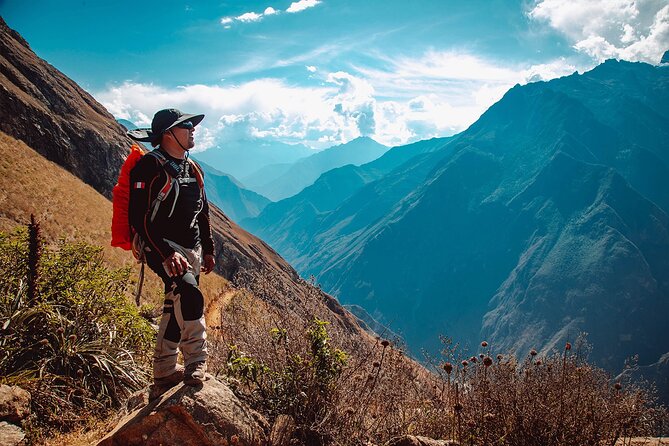
Day 1 works like a on-purpose shock to your senses. First, you reach Ruinas de Choquequirao (the morning stop) and Cachora, then you continue toward Capuliyoc, meeting the team of cooks and mule carriers along the way. That matters because your heavy items don’t ride in your hands; the porters handle the camping equipment and your transported personal belongings.
After breakfast you head to Capuliyoc, where you’ll link up with the team that’ll carry your load. Next comes Chiquisca. The hike begins with about a 3-hour descent to Chiquisca, a small village framed by fruit crops.
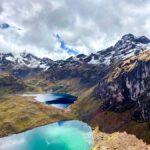
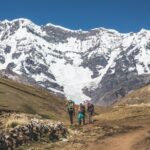
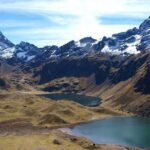
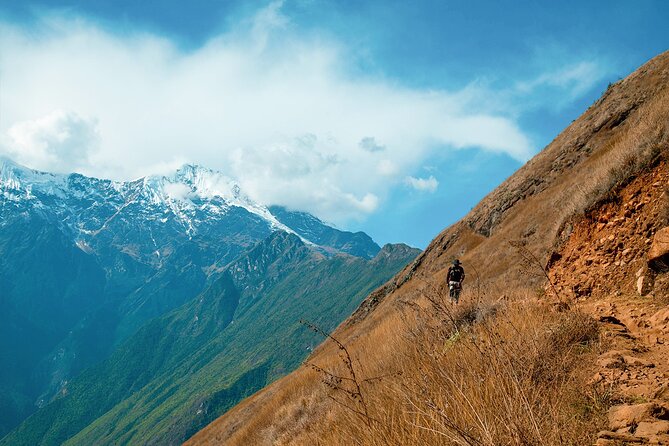
You’ll also get sweeping Apurímac Valley views and mountain backdrops like Padreyoc and Qoriwayrachina. If you’re lucky, you may spot condors circling above the valley. It’s the kind of moment you remember later, when your legs are tired and you need proof that the effort paid off.
In the afternoon you arrive at warm Chiquisca camp. Dinner follows, and you’re sleeping outside under skies you won’t get anywhere near Cusco.
Day 2: Marampata climbs, Playa Rosalinas gets serious
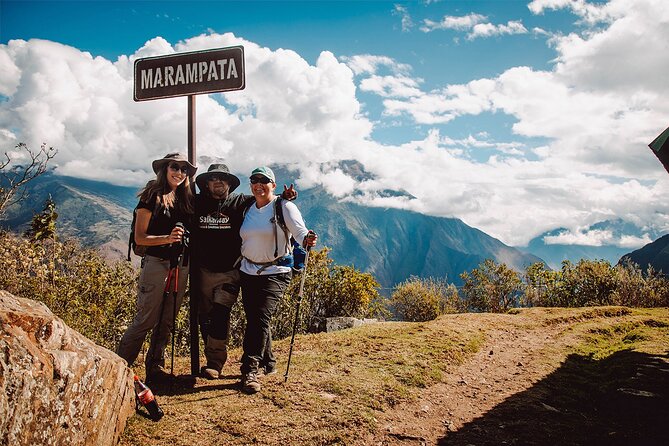
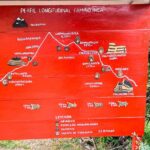
After breakfast, Day 2 starts with an ascent toward Marampata. Then you go downhill again to Playa Rosalina, the lowest point in the valley. The timing is tight enough that you’ll feel the changes in altitude and effort shift as the day progresses.
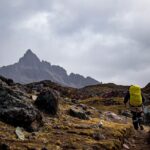
You’ll cross a footbridge, then the trek turns into the hardest section of the route. The description calls it challenging, and that’s accurate in the simple sense that this is when you’re dealing with the steep, technical feel of canyon terrain. You won’t just be walking—you’ll be negotiating.
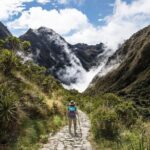
You take lunch in Santa Rosa, then continue for about 3 more hours zigzagging uphill to the Marampata camp. This zigzag uphill is one of those “don’t fight it—let it carry you” parts. It’s steady work, and it sets up the pay-off later.
Late in the day the canyon views sharpen. The sun paints the mountains and the Apurímac Valley in orange tones, then night brings a star-filled sky and dinner under tarp-and-tent sky.
Day 3: A whole day at Choquequirao Inca Citadel
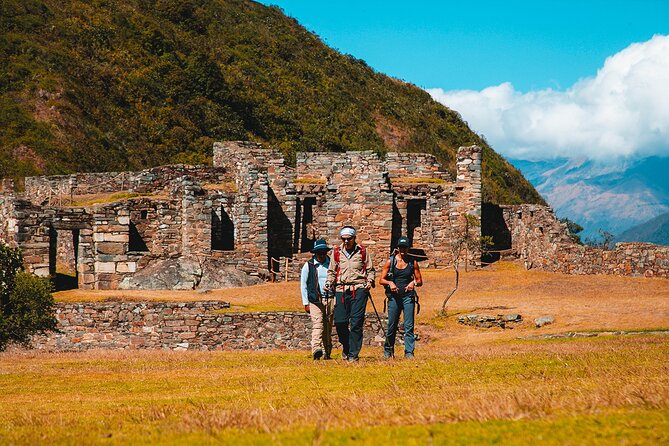
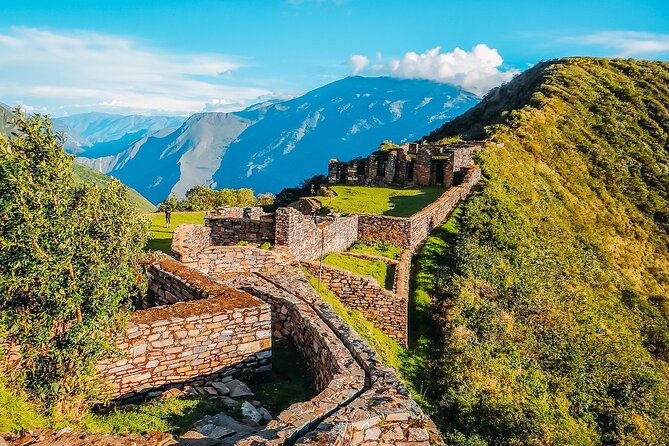
This is the day you came for. From Marampata, you head to the Sendero a Choquequirao, then you reach Choquequirao—listed at about 3,050 m / 10,007 ft—around an hour from camp.
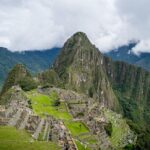
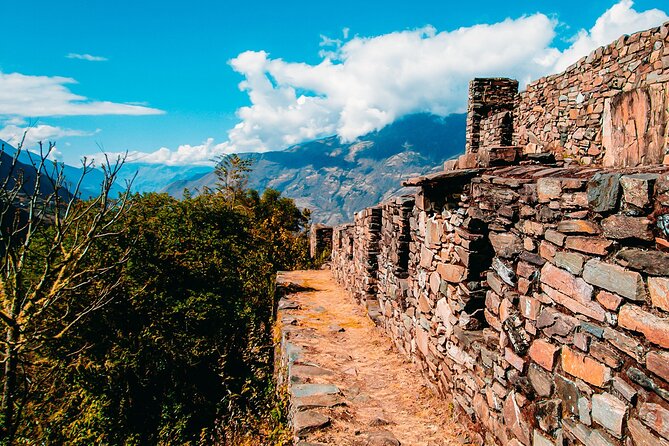
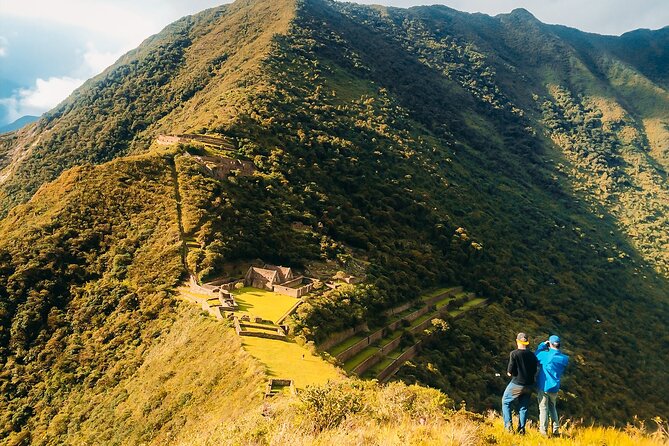
You’ll have the whole day to explore with your guide on a structured tour. Choquequirao sits hidden among mountains near the deepest canyon in South America, and it’s described as even larger than Machu Picchu. That’s not about word games. It’s about spacing—plazas, temples, and agricultural terraces stretching out in a way that feels grand because you’re not rushing through it.
Don’t miss the carved white llamas on the platforms. They’re a standout detail, and it’s also noted that only about 40% of the site is visible, which is a big part of why the place feels secretive and untamed even after you’re standing in the middle of it.
You’ll have a picnic lunch, then you return along the Sendero a Choquequirao back to Marampata for dinner and rest. Day 3 is long, but it’s long in the good way: you’re tired, and you’re also learning what you’re looking at.
Day 4: Back down, river cooling, and a Chiquisca home visit
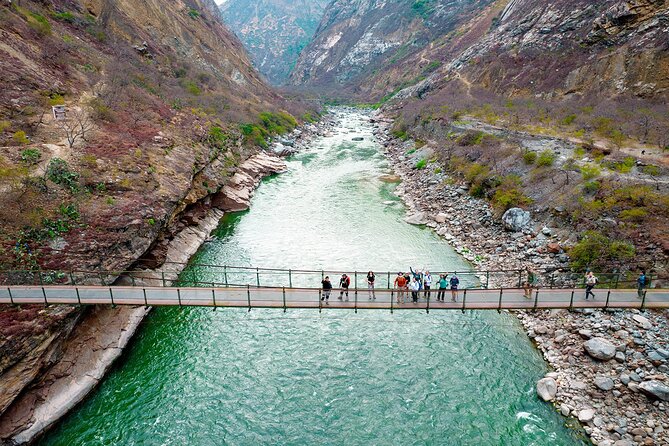
Day 4 is a return day, but it doesn’t feel like a retreat. You begin walking back from Choquequirao, with one last view of the canyon from Marampata. That “farewell view” is worth slowing down for. You’re going to spend the rest of the day rebuilding your trail rhythm in reverse.
Then you walk to Santa Rosa Alta through lush vegetation for about 2 hours, with lunch there. You’ve had dry mountain tones on previous days, so this shift in greenery is a real mood change. It also gives your eyes a break from the same canyon lines.
After Santa Rosa Alta you head to Playa Rosalinas. The plan includes time to cool off in the cold Apurímac River at the beach area, before you climb back up toward Chiquisca. The river stop is practical joy: it wakes up your legs and makes the whole day feel less punishing.
Once you reach Chiquisca, a local family welcomes you into their home. This is where the trek stops being only about endurance. You get to learn more about Andean customs and how people connect deeply with Pachamama. After dinner, you rest at the campsite.
Day 5: Capuliyoc, Saywite Monolith, and Cconoc hot springs
The final day starts early again to avoid the intense sun. You’ll hike for about 2 hours with the Apurímac River audible nearby—one of those small sensory cues that helps you keep your pace steady.
Next you hike roughly 4 hours to Capuliyoc, saying goodbye to the hiking team. This is the end of the walking portion, so the last stretch feels both emotional and almost oddly fast.
Then you switch gears with private transport to Saywite Monolith, a sacred site valued by the Incas and described as having more than 200 carved figures. It’s a different kind of “wow” than stone terraces. It’s about symbolism and scale in a single object.
From there you head to Baños Termales de Cconoc hot springs on the way back to Cusco. You’ll enjoy a relaxing soak for about an hour before lunch, then transfer back to Cusco. Arrival is listed around 6:00 p.m., and you’ll be dropped at your accommodation.
How the logistics actually help you hike (small group, porters, and carried gear)
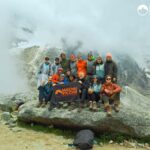
This trek is built as a “small group with real support” operation. It’s listed as a small-group tour for up to 10 people, and the maximum number is 12. That’s big enough for comfort, small enough for your guide to notice when someone’s flagging.
The most important practical feature is how your load works. You travel with a duffle bag for personal items up to 5 kg / 11 lb, carried by porters. Camping equipment gets carried too, along with your duffel and gear transfers. You’re hiking with less dead weight in your own hands, and that changes the whole experience.
You also get practical trail support: water, tea time, and daily snacks. Walkie-talkies and emergency satellite phones are included for safety and coordination in remote sections. First aid and oxygen supply are also part of the plan, plus a pre-departure briefing before you start.
Food on the trail: steady meals, plus options when you need them
You’re not doing this trek on bread and optimism. Meals are included across the days: breakfast 5 times, lunch 5 times, dinner 4 times. Tea time and daily snacks are also part of what you get while hiking.
The food setup is a big part of why guides can keep the group moving at a steady pace. After long descents and climbs, you need calories that feel like meals, not just fuel. And since the itinerary is timed with camps and meal breaks, you’re not constantly guessing when you’ll eat.
Dietary needs are addressed too. Vegetarian or vegan options are available if you tell the operator at booking. Also, in prior groups, guides were praised for being attentive to dietary restrictions (including gluten-free), which suggests the team takes food seriously rather than treating it as an afterthought.
Camping comfort you’ll notice on the bad leg days
You sleep in quality tents for 2 people for 3 nights, and the package includes inflatable mattresses plus things like a bag cover and rain poncho. You also get small hygiene items like a towel and soap.
There’s also a portable travel toilet included, which sounds basic until you’re living outdoors and realize how much it affects comfort and morale. On top of that, there’s customer service support listed as 24/7, plus emergency equipment and first aid/oxygen.
One review also mentioned that along the route there are refuges with the possibility of Wi-Fi and warm showers. Your trip plan is camping, so don’t plan your day around that. But it’s helpful to know you’re not totally cut off from comforts if you pass through places with those services.
Price and value: what $735 covers in real mountain terms
At $735 per person, you’re paying for more than “someone led me to Choquequirao.” This rate is packing together the heavy logistical work: a licensed bilingual guide, entrance to the Choquequirao archaeological site, all transportation and transfers, and the full camping system (tents, meals, porters, and the carried duffel).
It also includes emergency communication tools and safety supplies. Those aren’t fun line items, but they matter once you’re hours from paved roads and you’re hiking in changing conditions.
When you’re budgeting, think in trade-offs: if you try to DIY this route, you’ll likely end up paying for guides, permits, and carried equipment anyway. Here, you’re buying a working system where your energy goes into the trail, not into coordinating everything yourself.
Gear you still need: the two big items that aren’t included
The package includes camping equipment, but it does not include your sleeping bag or trekking poles. You’ll want to pack those before you arrive in Peru.
You also need your own personal hiking clothing and equipment. That’s where you win or lose comfort on long days. If you run cold easily, plan accordingly. If you sweat a lot, plan accordingly too.
And even with porters and mules doing the heavy lifting, you still need a strong physical base. The operator is clear that this hike is challenging, so don’t treat it as a casual “scenic walk.”
Who should book this trek (and who should think twice)
This trek fits best if you’re comfortable with long hiking days and high-altitude travel in a remote area. You’re advised to arrive in Cusco at least 2 days before to adjust to altitude. That acclimation step is not busywork. It’s how you protect the experience you came for.
It also makes sense for travelers who like structure: small group size, clear day-by-day pacing, guide-led history, and planned meals. If you hate surprises, this is your kind of adventure.
You should think twice if long, steep routes are not your normal. Also check your dates carefully. The experience is non-refundable and cannot be changed for any reason, so you’ll want a trip plan you’re confident you can keep.
Should you book the Classic Choquequirao Trek?
I’d book it if you want a real expedition feel without giving up comfort where it counts. The mix of Choquequirao’s guided ruins, canyon scenery along the Apurímac route, and the practical support (porters, tents, meals, safety gear) makes it a strong value for the effort level.
Book it if you’re excited to work for views, not just take photos. You’ll come home with blisters, tired legs, and a very specific memory of terraces and plazas hidden in mountains that don’t care about your schedule.
FAQ
How long is the Classic Choquequirao Trek?
It’s a 5-day trek with 4 nights.
What time does the trek start in Cusco?
Pickup starts around 4:00 a.m., and the day begins around 4:30 a.m.
How many people are in the group?
It’s a small-group tour for up to 10 people, with a maximum of 12 travelers.
What camping and meals are included?
You get camping accommodation and equipment for 3 nights, meals each day listed as breakfast 5 times, lunch 5 times, and dinner 4 times, plus water, tea time, and daily snacks on the trail.
Do I need to bring a sleeping bag and trekking poles?
Yes. Sleeping bag and trekking poles are not included.
Are vegetarian or vegan meals available?
Yes. Vegetarian or vegan options are available if you advise at the time of booking.
Do I need altitude acclimation before starting?
You’re recommended to arrive in Cusco at least 2 days before the trek to adjust to the altitude.