REVIEW · CUSCO
Salkantay Trek to Machu Picchu in 4 days
Book on Viator →Operated by Incredible Peru Tours · Bookable on Viator
Salkantay Pass is the heart of this sprint. In four days from Cusco, you hike from Challacancha (3,600 m) up toward Salkantay Pass (4,630 m), visit Humantay Lagoon, and then finish with an early guided visit to Machu Picchu. It’s a faster route than the classic multi-day treks, but it still packs real high-altitude work and big payoff views.
I love two things about how this trek is built. First, your meals are handled end-to-end with an all-inclusive plan (4 breakfasts, 4 lunches, 3 dinners), plus vegetarian, vegan, and special-diet options. Second, you’re set up for Machu Picchu with a professional guided tour plus free time, so you’re not rushing around on your own right away.
One caution: the program promises first-aid support and emergency oxygen, but there are serious reports that it wasn’t delivered as advertised on at least one departure. If you have health concerns (altitude, asthma, heart issues), I’d treat safety confirmation as a must-do step before you hand over your passport and cash.
In This Review
- Key things I’d watch (and actually remember)
- Cusco start at 5:00 am: the pace-setting move
- Day 1: Challacancha to Soraypampa, then Humantay Lagoon
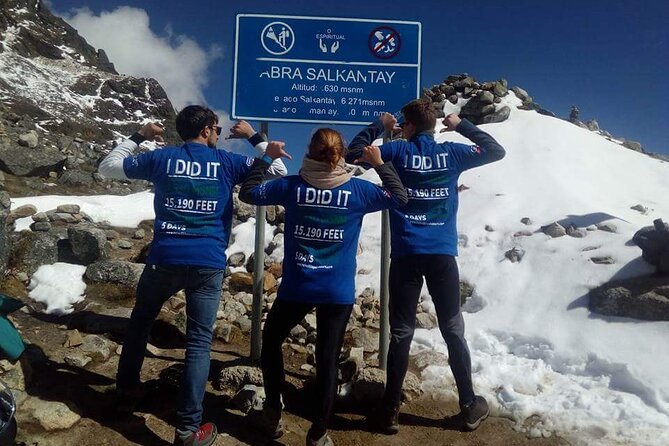
- Day 2: the big ascent to Salkantay Pass (4,630 m)
- Day 3: plantations, then Hydroelectrica to Aguas Calientes
- Day 4: 6:30 am Machu Picchu with a guided 2-hour plan
- Lodging and food: why the small comforts matter at altitude
- Price check: what $590 buys you (and what it doesn’t)
- Safety and altitude: the one part you must verify
- Who this 4-day Salkantay trek fits best
- Should you book Incredible Peru Tours for Salkantay in 4 days?
- FAQ
- What time does the trek start in Cusco?
- How long is the trip?
- What lodging is included during the nights on the trek?
- What meals are included and can you handle dietary needs?
- How much luggage will you carry yourself?
- What is the highest point on the trek?
- Is Machu Picchu guided, and how long is the guided portion?
- How do you return to Cusco after Machu Picchu?
Key things I’d watch (and actually remember)
- A true high point at Salkantay Pass (4,630 m) before you drop into cloud-forest terrain
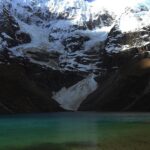
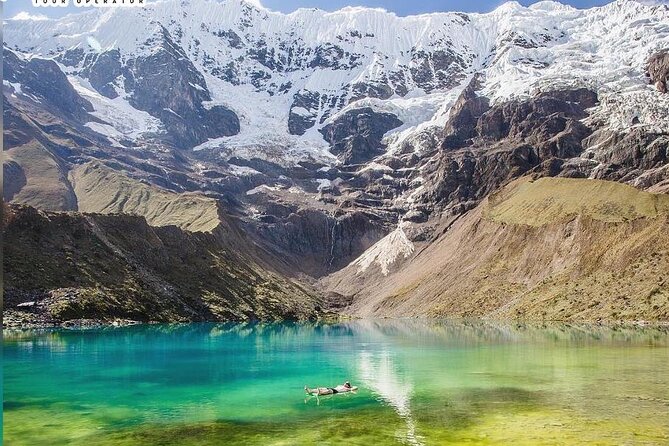
- Humantay Lagoon (4,200 m) with a short hike that’s long enough to feel earned
- Day 2 is the hardest: steep ascent in the morning, then descent into lush forest later
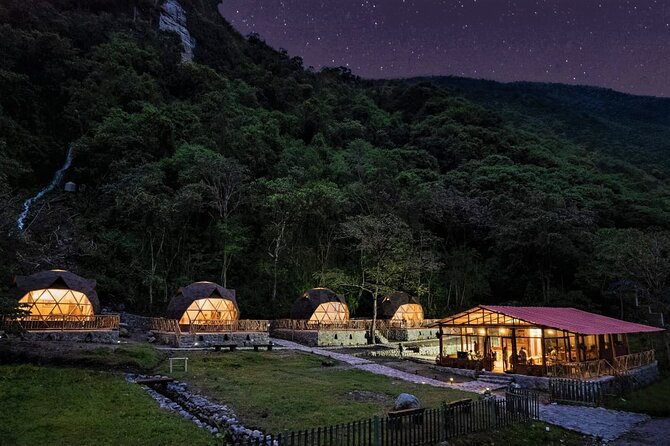
- Eco domes at Sahuayaco plus nightly tea-time snacks after a long hiking day
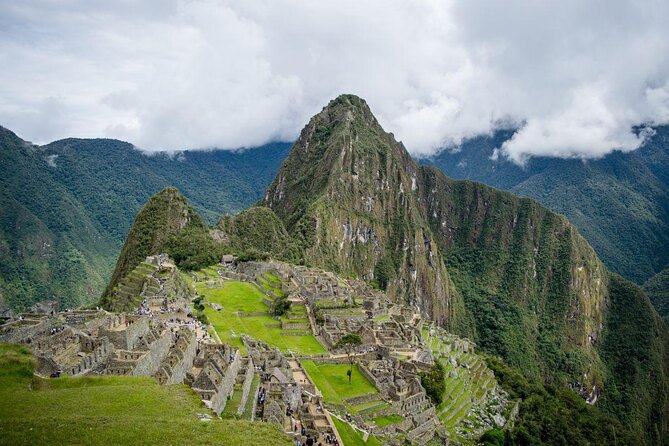
- Early Machu Picchu timing (around 6:30 am) with a ~2-hour guided walkthrough
- You carry little: up to 7 kg can be carried for you by mule, so you travel lighter
Cusco start at 5:00 am: the pace-setting move
This trek begins early in Cusco, with pickup from your hotel at 5:00 am. You’ll also want your passport on hand, since it’s required at control points along the route.
The “start early” choice isn’t just logistics. It helps you gain distance while the day is cooler and keeps the trek aligned with the next-day altitude and the final early entry to Machu Picchu. And with a max group size of 10, you’re not stuck in a giant herd.
You’ll travel from Cusco to Mollepata first, where you get a local breakfast. Then you move to Challacancha (the walking start), and that’s where the real rhythm clicks in: walking, brief stops, food, then keep moving.
You can also read our reviews of more tours and experiences in Cusco.
Day 1: Challacancha to Soraypampa, then Humantay Lagoon
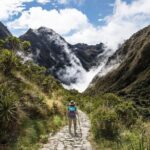
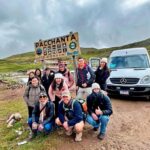
Day 1 starts with a short drive to Challacancha (3,600 m), then you meet your muleteer and get your gear sorted for transport. At 9:30 am, you begin your first hike on a stone path, with a cold water channel running nearby. This leg is about 10 km over ~3 hours, and it’s a good setup day because it gets you used to the altitude without throwing you straight into the biggest climb.
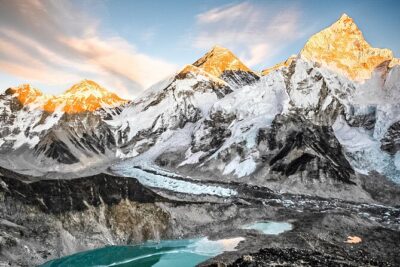
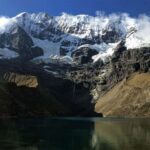
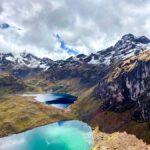
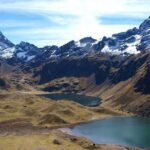
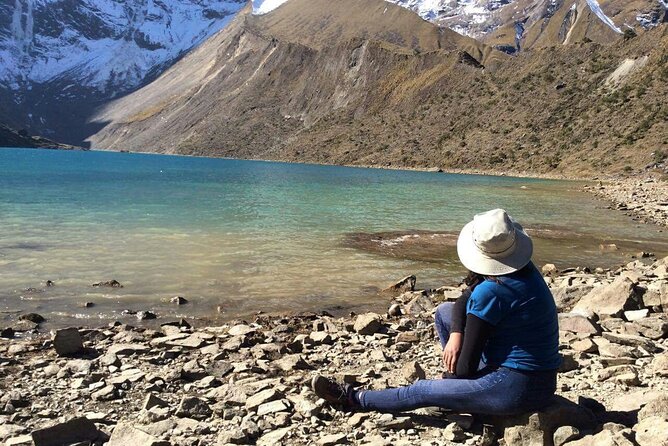
You reach Soraypampa for lunch, then later you hike up to Humantay Lagoon (4,200 m). Expect about 1.5 hours up and time to linger for photos once you get there. This stop is one of the easiest ways to understand why Salkantay is so famous: steep mountains, stark skies, and a lagoon that looks almost too clean to be real.
By late afternoon you’re back at camp in Soraypampa, arriving around 5:30 pm. You get tea-time snacks (coffee or hot tea with cookies and popcorn), plus sunset views, then dinner and a sky full of stars if the weather cooperates.
Day 2: the big ascent to Salkantay Pass (4,630 m)
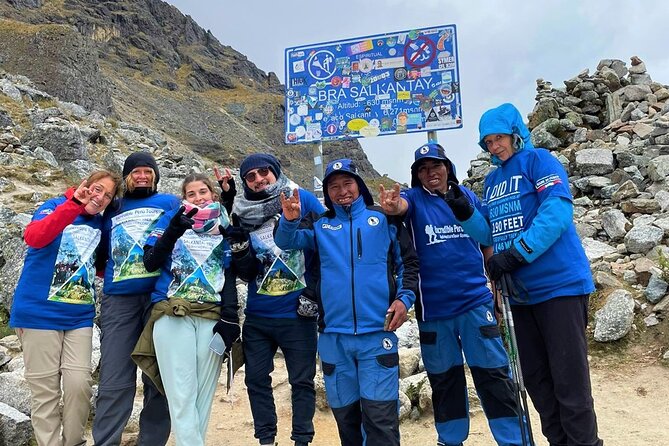
Day 2 is the hardest day, and the schedule makes that clear from the start. You wake up early (coca tea is part of the morning routine), then after breakfast you hike toward the day’s high point.
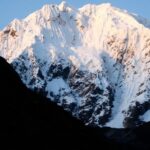
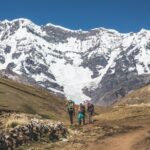
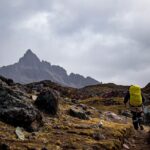
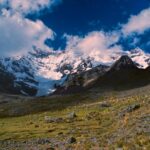
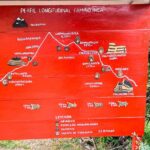
The toughest section is the ascent: about 7 km of uphill taking roughly 3 hours. You climb through the Salkantay Valley, pause around Pampa Salkantay (4,200 m) for panoramic views, then keep pushing toward the Salkantay Pass (4,630 m). This is where you slow down, control your breathing, and trust the guide’s pacing.
Once you reach the pass, you get time to rest and take in the mountain scenery—especially around the Salkantay area. Then the plan shifts into descent. By about 1:30 pm, you’re in Wayraqmachai for lunch, and later you drop into High Forest / cloud-forest conditions.
You arrive in Colpapampa around 4:30 pm, then transfer by vehicle for about 1 hour to Sahuayaco. That puts you at your lodge around 5:00 pm, where tea time (hot chocolate, coffee, cookies, popcorn) comes right after the day’s physical work, followed by dinner.
A nice detail here: the tour structure is built so the hardest climb isn’t followed by a chaotic mess. You hike, you eat, you rest. That matters when altitude fatigue is real.
Day 3: plantations, then Hydroelectrica to Aguas Calientes
Day 3 has a split personality: gentle local life in the morning, then a long green walk afterward. You wake up around 7:00 am and have breakfast at 8:00 am, then you do a low-key stroll around plantations—bananas, avocados, oranges, medicinal plants, and coffee. There’s a chance to visit a coffee farm where you can taste freshly prepared coffee made from freshly roasted and ground beans.
After that, you’re back at the lodge around 11:00 am to relax. This “breather” is smart because Day 4 depends on you being functional for Machu Picchu’s early rise.
Later, you move to the Hydroelectric Power Plant area (around 2:30 pm) and start the walk toward Aguas Calientes. The route follows train tracks and the Urubamba River area, with small climbs and flat stretches that can feel easier than the steep days before.
On the way, you stop at an archaeological feature called Intihuatana, described here as an Inca sundial carved into a large natural rock. The path also gives you viewpoints of Sacred Mountains like Huayna Picchu and Machu Picchu, plus cloud-forest greenery and orchids.
After about 3 hours of walking, you reach Aguas Calientes around 5:30 pm. Dinner is included, and your guide gives key prep info for the Machu Picchu morning so you’re not scrambling when it’s dark out.
Day 4: 6:30 am Machu Picchu with a guided 2-hour plan
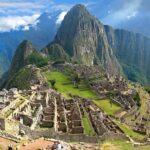
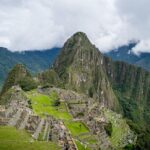
The day starts before sunrise. After breakfast, you leave your hotel around 5:30 am and take the bus up to Machu Picchu on a zig-zag road for about 30 minutes. You arrive around 6:30 am, which is a huge difference-maker for comfort and for how you experience the site.
You get a ~2-hour guided tour of the Inca Citadel with a professional English-speaking guide. This is where you learn what you’re looking at—temples, agricultural terraces, canals, water sources—and how the whole system worked for the Inca.
After the guided portion, you have free time to photograph, walk around, and explore on your own. There’s also the possibility of climbing Huayna Picchu if availability allows, and the entrance is included in the package when you can get it.
In the afternoon you ride the bus back down. Then you take the train from Aguas Calientes to Ollantaytambo, arriving late evening, and a final bus brings you back to Cusco (or to the Sacred Valley hotels if you arranged that).
This is one of those days where good timing beats good hype. Early entry gives you a calmer first look, and it helps you enjoy the place instead of rushing through it.
Lodging and food: why the small comforts matter at altitude
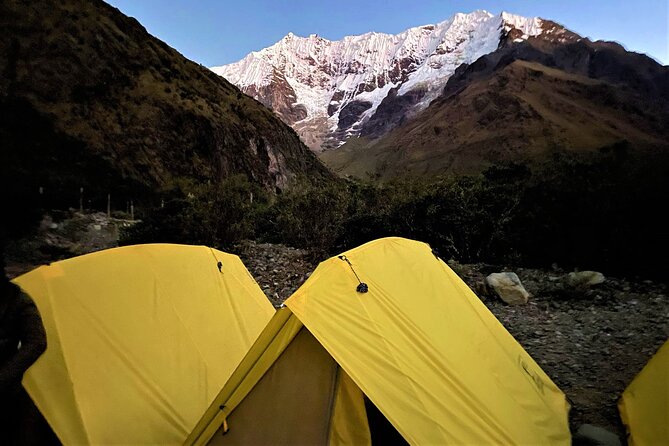
This route includes 3 nights of accommodation. Night one is in the Soraypampa area (Cabana Andina / eco-lodge Mamá Andrea). Night two is in Sahuayaco in a wood and glass dome lodge (Eco Lodge Majestic Sky Domes). Night three is a room with a private bathroom in Aguas Calientes.
Food is handled with real structure: 4 breakfasts, 4 lunches, and 3 dinners. That matters on a trek because altitude and effort can mess with appetites. You’re also not guessing where to eat or whether the schedule will leave you hungry.
Meals are prepared by your cook and kitchen assistant, with assistance from the muleteers and horses carrying kitchen equipment and food. And the tour says they can serve vegetarian, vegan, and special diets—so if your needs are specific, you’re not left hoping.
There are also small recurring perks: tea time at the camps, popcorn and cookies after long walking, and hot drinks when you’re tired. On paper it sounds minor. In practice it can be the thing that keeps you moving instead of shutting down.
Price check: what $590 buys you (and what it doesn’t)
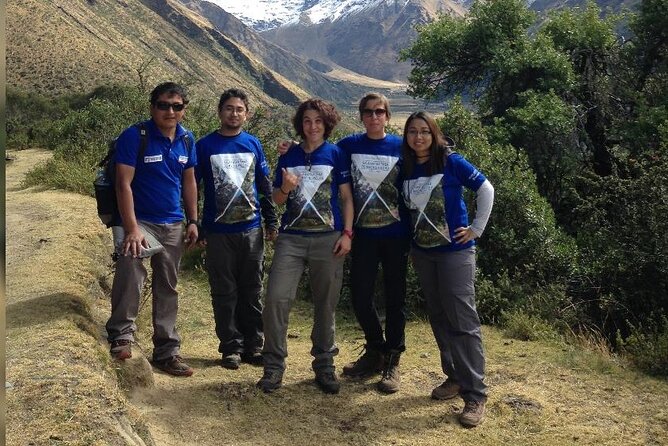
At $590 per person, you’re paying for more than “a guided hike.” The package covers pickup from your Cusco (and Sacred Valley) hotel area, private transport for key legs, entrance tickets for the Salkantay route and Humantay Lagoon, and tickets for the Machu Picchu Inca Citadel.
It also includes the guided tour at Machu Picchu, a full food plan, a cook and kitchen assistant, camping arrangements (dining tent, field tables, portable chairs, camp lamps), and first-aid materials plus emergency oxygen as advertised. On top of that, it covers hop-on bus tickets between Machu Picchu and Aguas Calientes, plus the train ticket returning to Ollantaytambo and the final transfer back to Cusco.
What you should budget separately: personal gear and clothing/shoes. You’ll also likely spend on extras like souvenirs, drinks not included with meals, and any optional upgrades that aren’t stated.
Where the value gets real is the time savings. This is a compact 4-day version that still includes the big highlight: Salkantay Pass plus a guided Machu Picchu morning. If you’re short on vacation days, that shortcut can be worth real money.
Safety and altitude: the one part you must verify
This is the section I’d treat with extra care. One departure reportedly had problems with health and safety delivery: a traveler got very sick, and the company allegedly didn’t provide the guide with the first aid kit or emergency oxygen balloon as promised. That person then paid about $200 out of pocket for a taxi to descend to lower elevation for recovery.
So here’s my practical advice: before travel, ask the operator directly what exactly is carried in the first-aid kit and where the emergency oxygen is during the trek. Get a clear answer in writing if possible.
Also, you’re going above 4,600 m on Day 2. Even fit walkers can feel altitude effects. If you’ve had prior altitude issues, you should talk to a clinician before you commit. And during the hike, take the slow approach seriously—this trek design won’t rescue you from ignoring symptoms.
A good guide and a calm group matter here. The program includes professional English-speaking guiding, and names mentioned for this route include Gilber, praised for staying informative, and Rene, noted for helping participants manage the challenge. Still, safety depends on supplies and response, not just good explanations.
Who this 4-day Salkantay trek fits best
This trek suits you if you want a serious experience in a short time. You get the Salkantay high point, the Humantay Lagoon photo stop, cloud-forest descent, and a structured Machu Picchu day that starts early.
It also fits you if you like a guided format. The plan is tight, the timing is deliberate, and you’ll have someone to explain what you’re seeing and keep the pace reasonable.
This is less ideal if you want a slow, casual trek with lots of downtime. Day 2 is physically demanding, and the itinerary keeps moving—hiking, then transfers, then lodge time, then the next day’s timing.
If you’re traveling as a group of friends or solo and you want a small crew (max 10), that part can feel more personal than big-bus treks. If you need heavy medical accommodations, you should do extra safety checking first.
Should you book Incredible Peru Tours for Salkantay in 4 days?
I’d book if you want a compact Salkantay route with real highlights and you’re comfortable managing your own altitude risk responsibly. The included package is strong: meals, lodging, key transport, tickets, and a guided Machu Picchu morning all handled for you. The small group size also helps you avoid the feeling of being swallowed by a crowd.
I would hesitate or ask tough questions if safety items are a dealbreaker for you. The existence of serious safety complaints means you should confirm the first aid kit contents and emergency oxygen logistics before you go.
If you’re ready to prepare well, take it slow on the climb, and verify safety supplies, this 4-day version can be an efficient way to reach Machu Picchu while still earning the view from Salkantay Pass.
FAQ
What time does the trek start in Cusco?
Pickup starts at 5:00 am from your hotel in Cusco (and also hotels in the Sacred Valley).
How long is the trip?
The trek is scheduled for 4 days (approx.).
What lodging is included during the nights on the trek?
You get 3 nights of accommodation: Soraypampa (Cabaña Andina / Eco-Lodge Mamá Andrea), Sahuayaco (Eco Lodge Majestic Sky Domes dome), and Aguas Calientes (a hotel room with a private bathroom).
What meals are included and can you handle dietary needs?
The tour includes 4 breakfasts, 4 lunches, and 3 dinners. Vegetarian, vegan, and special diet meals are served if you request them.
How much luggage will you carry yourself?
You can carry a small backpack and water, while the tour will carry up to 7 kg / 15 pounds of luggage for you.
What is the highest point on the trek?
The highest point is the Salkantay Pass at about 4,630 m.
Is Machu Picchu guided, and how long is the guided portion?
Yes. You get a guided tour of the Inca Citadel of Machu Picchu that lasts approximately 2 hours, plus additional free time afterward.
How do you return to Cusco after Machu Picchu?
You take the train from Aguas Calientes to Ollantaytambo, then a bus transfer brings you back to Cusco (or to a Sacred Valley hotel if requested).