REVIEW · KAMPALA
4-Day Gorilla & Chimpanzee Trekking Luxury Fly-in Tour in Uganda
Book on Viator →Operated by Safaris By Jon · Bookable on Viator
Gorillas and chimps in four days sounds unreal. This short luxury-style tour is built around chimpanzee trekking in Kibale and gorilla trekking in Bwindi, with a fly-in route that trims travel time and keeps the focus on the animals.
I particularly like the ranger-guided structure on both treks—clear briefing, tight guiding, and a real push to get you into the right forest areas. The other big win for me is the pacing: you get primates fast, then use your remaining time for an Ishasha safari drive that can reward you with the famous tree-climbing lions.
One thing to consider: this is still serious wilderness time. The gorilla trek can run 2 to 7 hours (depending on the animals), and the early starts mean you should pack for long days, not just a quick walk.
In This Review
- The Most Important Things You’ll Notice Right Away
- What the Fly-In Route Changes (And Why It Matters)
- Day 1: Entebbe to Kibale for Chimpanzee Trekking
- Day 2: Ishasha Safari Drive on the Way to Bwindi
- Day 3: Bwindi Gorilla Trekking Briefing, Etiquette, and Real Trek Time
- Day 4: Flying Back to Entebbe from Bwindi’s Airstrip
- Luxury vs. Value: What You’re Paying For at $4,680
- How to Prep: Fitness, Clothing, and Keeping Your Energy
- Who This Trip Fits Best (And Who Should Rethink It)
- Should You Book This Gorilla and Chimpanzee Fly-In Safari?
- FAQ
- Where does this tour start, and what time is it scheduled?
- How long is the safari?
- What animals are you trekking or searching for?
- Is it a private tour or shared?
- What fitness level do you need?
- What is the cancellation policy?
The Most Important Things You’ll Notice Right Away
- Fly-in timing that saves you a full day of road travel, landing near Kibale (Kasese airstrip) and later flying back to Entebbe.
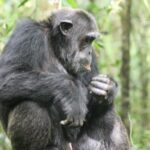
- Ranger-led chimpanzee trekking from park headquarters in Kibale Forest National Park, with a real search-and-follow rhythm.
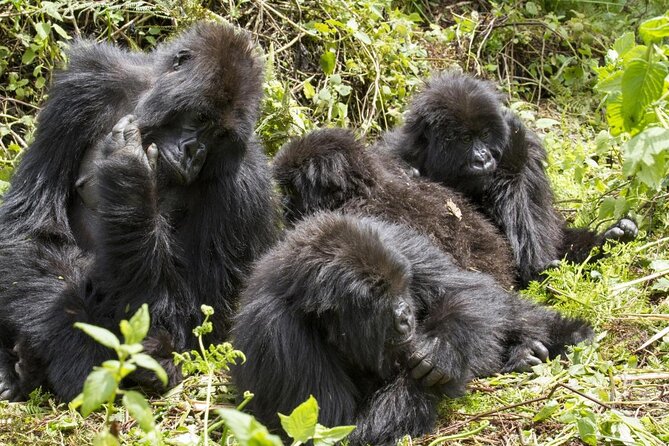
- A gorilla day with a 7:30 am briefing covering etiquette and safety before you’re split into small groups for your gorilla family.
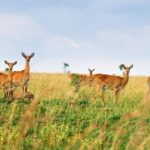
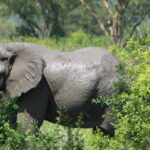
- Ishasha on Day 2 for tree-climbing lions, plus a chance at elephants, buffaloes, waterbucks, Uganda kobs, leopards, and hyenas along the way.
- Private group feel, since only your group participates—so your pace and questions matter more than with big shared tours.
What the Fly-In Route Changes (And Why It Matters)
Uganda can swallow time fast if your itinerary relies only on roads. This tour’s big idea is to cut travel friction by flying into Kasese near Kibale and then catching a flight back to Entebbe on the last day. For many people, that’s the difference between “seeing primates” and actually having enough time for good trekking windows.
That time-saving also helps your energy. Chimp and gorilla trekking both need focus—your body has to show up when the rangers point you toward where the animals were last seen. By the time you reach the forest gates, you’re not steamrolled by a long, stop-and-go journey.
The trade-off is that you’re more scheduled than a do-it-yourself trip. You’ll work around flights and airstrip timing, so if weather or flight changes happen, you’ll feel it more than someone driving slowly. Still, with a short 4-day plan, the fly-in approach is usually the smarter bargain in time and sanity.
You can also read our reviews of more tours and experiences in Kampala.
Day 1: Entebbe to Kibale for Chimpanzee Trekking
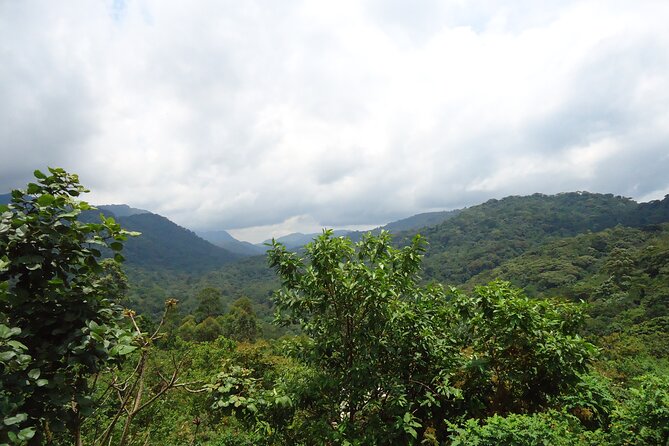
Your day starts in the Kampala area, then you’re transferred to Entebbe airport for a flight to Kasese airstrip. After landing, a driver meets you and takes you toward your stay in the Kibale region near Kibale Forest National Park. The plan gives you time to settle in and have lunch before the chimp experience.
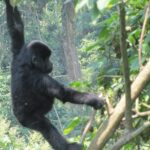
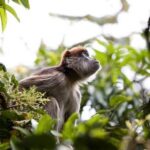
Once you’re at the park headquarters, you meet an experienced ranger guide and head into the forest looking for chimps. This part is not a drive-by viewing. You’re walking, stopping, scanning, and then moving again when the calls or movement give your guide the next clue. The trek is listed at about 3 hours, which usually hits that sweet spot where it feels like an actual adventure, not a short photo sprint.
After the chimp trek, you return to accommodation and get time to breathe and regroup—about a 20-minute window is included in the schedule for that transition. You’ll want that decompression time. Forest trekking rewards calm focus, not panic, and Day 2 and Day 3 are both physically demanding in their own ways.
What I like here is the structure. The chimp day is guided through park headquarters, with an experienced ranger making the calls. That means you’re less likely to end up wandering aimlessly in dense forest and more likely to have your best chance at real contact and observation.
Day 2: Ishasha Safari Drive on the Way to Bwindi
Breakfast, then a long but scenic transfer toward Bwindi Impenetrable National Park. The route is planned through the southern sector of Queen Elizabeth National Park, specifically Ishasha—the area most known for tree-climbing lions.
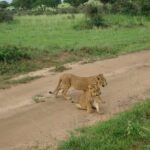
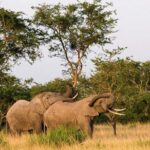
This is a smart use of travel time. Instead of treating the transfer as dead time, you get a safari drive where the guide watches for wildlife and positions you for chances at sightings. The schedule notes that you keep an eye out for elephants, buffaloes, waterbucks, Uganda kobs, leopards, and hyenas, alongside the headline possibility: lions lounging in fig trees.
Ishasha lion behavior is unusual. In many regions, lions usually stick to ground-level habits. Here, the listings emphasize that tree-dwelling rest behavior can be part of what makes the area stand out, so you’re not just driving past scenery—you’re chasing a specific wildlife “moment.”
The one consideration: Day 2 is longer travel-with-safari, not just an arrival day. If you get motion-sensitive or you dislike long days in a vehicle, plan your comfort strategy early (water, layers, and a way to keep your focus). That said, this kind of built-in safari time is one of the best ways to make a short itinerary feel full.
Day 3: Bwindi Gorilla Trekking Briefing, Etiquette, and Real Trek Time
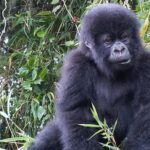
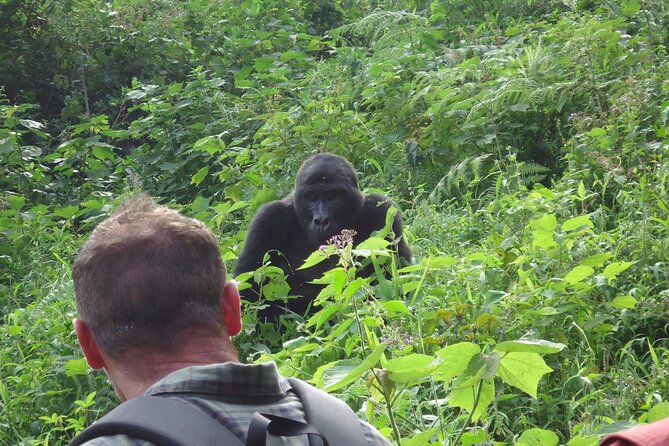
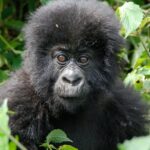
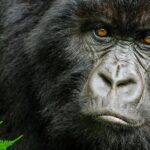
Gorilla trekking is the main event, and the schedule treats it that way. You gather at the Bwindi park headquarters at 7:30 am for a briefing with your ranger guides. The briefing covers gorilla trekking etiquette and safety protocols, which matters because your behavior directly affects both your safety and the animals’ comfort.
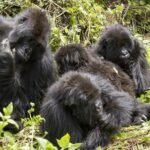
After the briefing, you’re divided into small groups and assigned a specific gorilla family. Then you trek. The time window here is wide—listed at 2 to 7 hours—because gorillas set the pace. Your goal is not “speed”; it’s staying close enough to track movements while keeping calm and respectful distance.
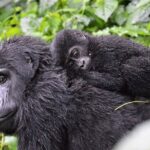
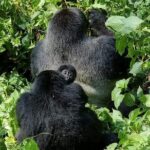
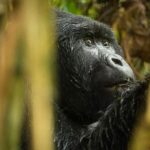
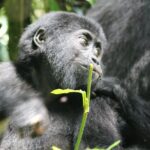
Once you reach your gorilla group, the plan says you’ll spend about one unforgettable hour with these gentle giants. That hour usually becomes a mix of awe and quiet attention. Then you head back to the headquarters and complete the day.
From a practical point of view, this is the day you should prepare for the most variability. Since trek duration can swing from a shorter walk to a longer slog, pack your patience the way you pack your socks. Bring something for comfort and quick warmth—Bwindi can feel cool and damp, even when the sky looks fine.
Also, because the process depends on the gorillas’ choices that day, no one can guarantee a specific trek length or exact route. What you can do is show up ready to follow your ranger’s lead. The briefing is there for a reason, and your best experience comes when you take it seriously.
Day 4: Flying Back to Entebbe from Bwindi’s Airstrip
After breakfast, the tour shifts from trekking mode to logistics mode—though the day is still built to reduce wasted time. You say goodbye to Bwindi’s forest region and head to the nearby airstrip in time to catch your flight to Entebbe International Airport.
Depending on your departure flight timing, you may wait at the airport or check in at a nearby Entebbe hotel for a day room. That flexibility helps. A lot of gorilla-and-chimp itineraries end with you feeling stuck waiting. Here, you at least have an option to freshen up or reset before your next leg.
This is also when you’ll realize how much you used your energy over the previous days. Even if you’re excited, Day 4 can feel long if you’re stuck watching the clock. I like that the tour plan doesn’t pretend this is nothing; it gives you a practical holding point in Entebbe rather than leaving you with endless uncertainty.
Luxury vs. Value: What You’re Paying For at $4,680
At $4,680 per person, this isn’t a budget trip. But the value case is clear if you consider what the tour is trying to do: it’s compressing Uganda’s two top primate experiences—Kibale chimps and Bwindi gorillas—into a 4-day timeframe, and it uses fly-in routing to make that possible.
In a longer itinerary, you could drive between regions and spread your travel fatigue out. In a short window, flying costs more, but it protects your time. That’s where a lot of travelers feel the “worth it” switch.
The pricing also aligns with comfort-forward service. You have pickup offered, a private setup where only your group participates, and guided trekking with ranger support. In past experiences with this operator, guides have been described as professional and safety-minded, with a strong focus on timing and smooth coordination.
Still, one practical note: the schedule shows some admission ticket lines as included and others as marked free, and gorilla permits are often treated differently from chimp permits in Uganda. Before you lock in your personal expectations, confirm exactly what gorilla trekking permit (and any related fees) are included in your package price. You don’t need to overthink it—you just want no surprises when the big day arrives.
How to Prep: Fitness, Clothing, and Keeping Your Energy
The tour expects moderate physical fitness. That doesn’t mean you need to be an athlete, but you do need stamina for walking in forest conditions and being out for hours on variable terrain. Gorilla trekking in Bwindi is especially the kind of effort where you’ll feel every step, especially if the route stretches long.
Here’s how I’d plan smart:
- Wear broken-in walking shoes with good grip. Forest conditions can mean mud, roots, and damp footing.
- Pack layers. Even when mornings start mild, forest air can turn cool once you’re moving and breathing steadily for hours.
- Bring rain protection. Forest trekking often means you’ll get splashes and mist, even if it doesn’t rain hard all day.
- Don’t treat the briefing as a formality. The etiquette and safety guidance is part of why trekking works well day after day.
Also, keep your morning realistic. The listed start time is 7:00 am. That means you should plan your sleep like it matters—because it does. Trekking days feel best when you’re not running on half-charged energy.
Who This Trip Fits Best (And Who Should Rethink It)
This tour is ideal if you want:
- Chimpanzee trekking in Kibale and gorilla trekking in Bwindi without taking two weeks.
- A guided, ranger-supported experience where you can focus on the animals rather than navigation.
- A private feel where your group’s questions and pacing carry more weight.
It may be a tougher fit if you:
- Struggle with early mornings and long vehicle days.
- Know you’re uncomfortable with long trek variability—since the gorilla hike can run 2 to 7 hours.
- Prefer unguided flexibility. This is a structured tour with flight timing and ranger assignments.
If you’re celebrating a milestone or you just want someone to handle the coordination, the operator’s reputation for responsiveness and careful planning comes through in how people describe past experiences with them. That kind of support matters when you’re traveling across time zones and want the trip to stay calm and organized.
Should You Book This Gorilla and Chimpanzee Fly-In Safari?
If your dream is to see Uganda’s two big primate stars in a short window, I’d seriously consider booking this. The combination of Kibale chimps, Bwindi gorillas, and the Ishasha lion chance—all wrapped in a fly-in format—makes good sense for travelers who want impact without spending your entire trip in transit.
Before you pay, do one simple checklist: confirm what’s included for the big permit day, ask how they handle timing on flight days, and make sure you’re comfortable with the trek variability. If you’re ready for a serious day in the forest and you want your schedule to feel tight in a good way, this is a strong match.
FAQ
Where does this tour start, and what time is it scheduled?
The tour is based in Kampala, Uganda, and pickup is offered. The listed start time is 7:00 am.
How long is the safari?
It’s a 4-day tour (approx.).
What animals are you trekking or searching for?
You’ll do chimpanzee trekking in Kibale Forest National Park and gorilla trekking in Bwindi Impenetrable Forest National Park. On the way to Bwindi, you also do a safari route through Ishasha where tree-climbing lions are a key possibility.
Is it a private tour or shared?
It’s private—only your group participates.
What fitness level do you need?
The tour notes that travelers should have a moderate physical fitness level.
What is the cancellation policy?
You can cancel up to 3 days in advance for a full refund. If you cancel less than 3 full days before the experience’s start time, the amount you paid will not be refunded.