REVIEW · SANTIAGO CHILE
Full-Day Trek to Cerro El Pintor from Santiago
Book on GetYourGuide →Operated by Explorelosandes · Bookable on GetYourGuide
Altitude tests your lungs, and rewards your eyes. This full-day trek to Cerro El Pintor at 4,000m puts you above the Chilean Andes with huge panoramic views, guided by a bilingual expert who talks geology and local life as you climb. The whole day is built around one goal: get you high safely, then bring you back to Santiago with sore legs and a grin.
I love the patient, step-by-step coaching I saw reflected in how guides like Gerald and Francisco lead hikers, especially those meeting altitude for the first time. One thing to consider: this is a challenging high-altitude hike, and depending on season you may face rocky ground and snowfields—so you’ll want a steady pace and realistic expectations.
In This Review
- Key things to love about the Cerro El Pintor full-day trek
- Cerro El Pintor from Santiago: the real appeal of hiking at 4,000m
- Morning pickup and the drive into Andes country
- The trek itself: how the route handles altitude, rocks, and snow
- Summit time: views across the Andes, including Cerro El Plomo
- Descent and return to Santiago: tired legs, shorter memories
- What’s included (and what you’ll want to pack yourself)
- Price and group setup: how $215 stacks up for a 4,000m day
- Altitude reality check: who should (and shouldn’t) book
- Cable car question: save 400m if it’s running
- Should you book this Cerro El Pintor trek from Santiago?
- FAQ
- How long is the Cerro El Pintor trek?
- What’s the price per person?
- What’s included in the tour price?
- What languages will the guide speak?
- Is this trek wheelchair accessible?
- Is altitude a concern for beginners?
Key things to love about the Cerro El Pintor full-day trek
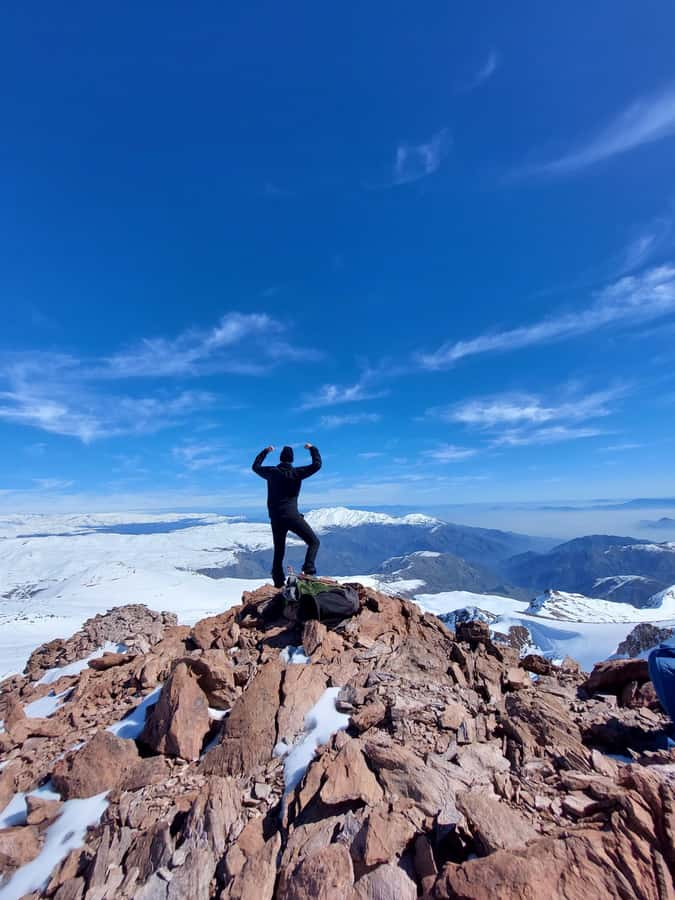
- 4,000m summit goal near Santiago: serious altitude, big payoff at the top.
- Andes panoramas you can actually use for photos: clear, wide views over the range.
- Bilingual guiding (English/Spanish): you get help with pace and context, not just directions.
- Gear included: trekking poles, and crampons if needed (season-dependent).
- Park entry fees + lunch handled for you: fewer chores on a day that already asks a lot of your body.
Cerro El Pintor from Santiago: the real appeal of hiking at 4,000m
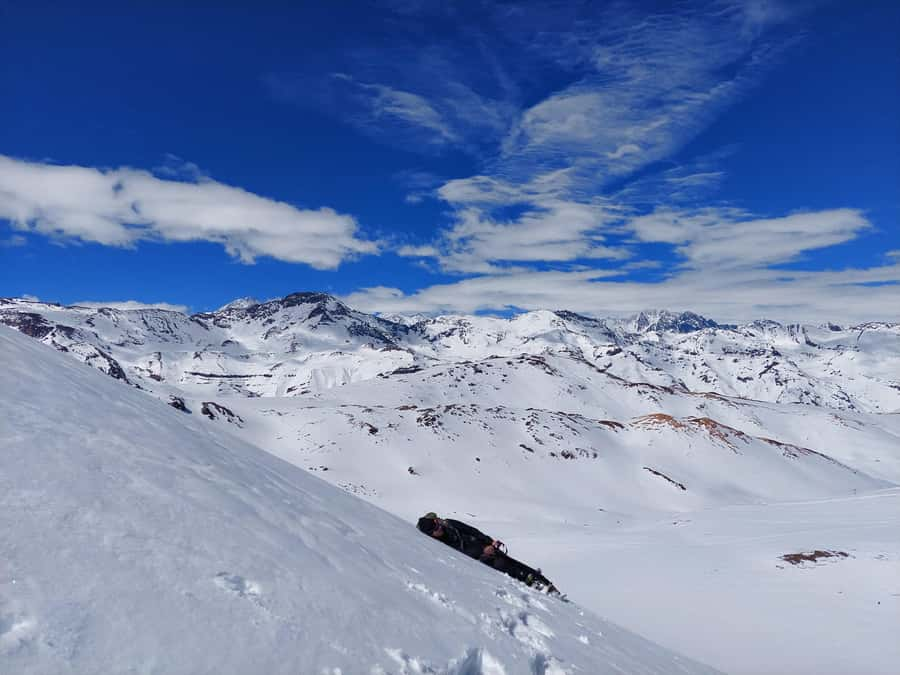
Cerro El Pintor is the kind of hike that feels like it ends where the city stops. You start in Santiago’s world, then you drive up into the Andes and spend your day walking in thin, crisp air. At around 4,000 meters, the altitude isn’t a background detail—it changes how you move, how you breathe, and how satisfying the summit feels.
The day also has a classic Chilean-hike bonus: on a clear day, you’re not just looking at one mountain. You get broad Andes views, and the route includes sightlines toward Cerro El Plomo. That matters because the best summit moments aren’t just “I reached the top.” They’re “I can see the bigger map of the range from up here.”
If you like practical adventure—strong scenery, real effort, good guiding—this fits. It’s not a casual stroll, but it’s designed to be achievable with the right pace.
Morning pickup and the drive into Andes country
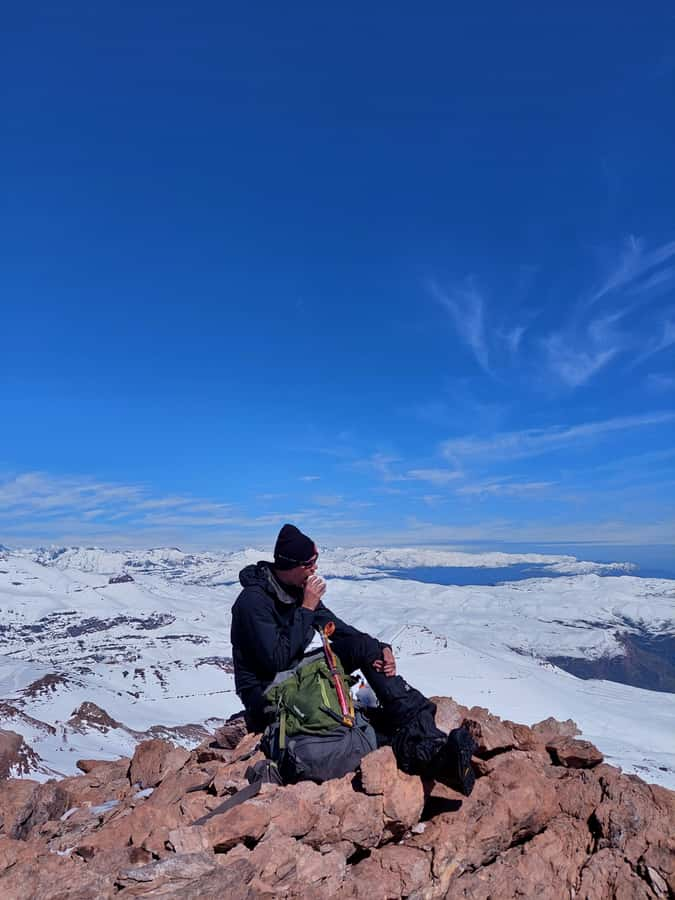
Your day starts with pickup from your hotel in Santiago, then you head out by vehicle toward the trailhead. The ride through the Andes is part of the experience: it helps you settle in before the hike starts and gives you a preview of the terrain you’ll be stepping onto.
Once you arrive at the starting area, the hike begins. The schedule lists the main hiking time at about two hours, which is a good indicator that this is paced for a summit experience rather than a long-distance endurance outing. You’ll still feel the climbing, though—altitude and steep sections can slow you down even if the timeline looks short on paper.
One nice touch here is that the guide is set up to make the drive and the walk more meaningful. You’re not just going from point A to point B; you’re learning what you’re seeing—local flora and fauna, plus geological features of the area.
The trek itself: how the route handles altitude, rocks, and snow
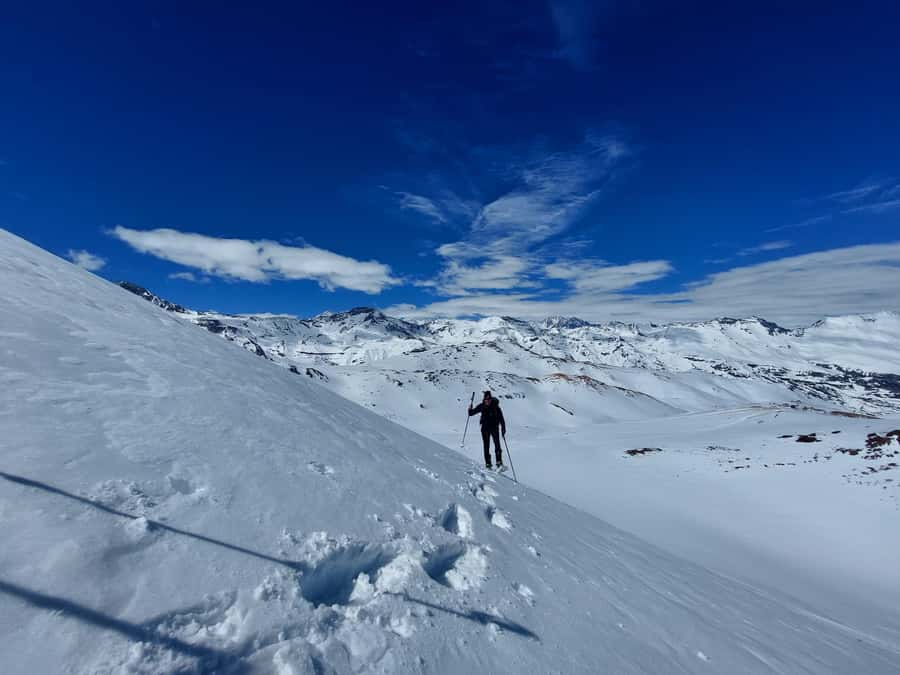
The hike to Cerro El Pintor is described as challenging but rewarding. That wording is honest. Even if you’re fit, higher elevation makes the body work harder for the same effort. You’ll likely feel breathlessness and a slower rhythm—normal stuff at this altitude level.
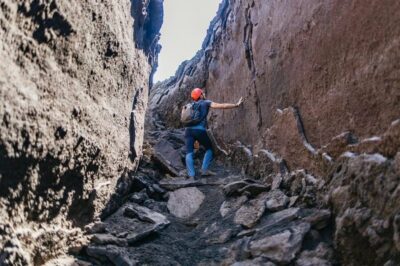
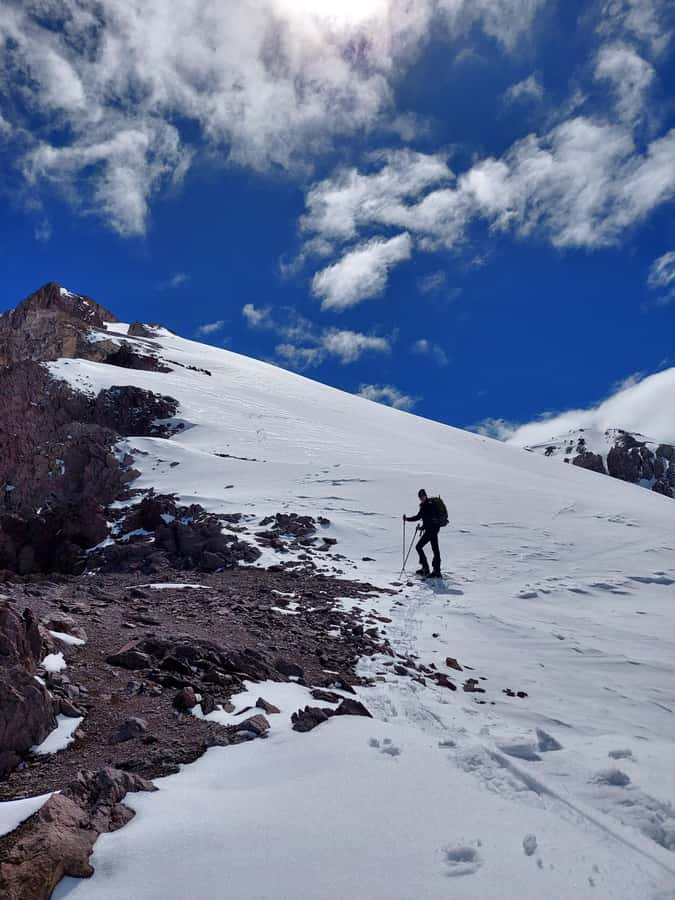
The terrain is varied. Depending on season, expect rocky paths and possibly snowfields. That’s why trekking poles are included, and why crampons may be provided if conditions call for them. If you’ve never used traction gear at elevation, don’t worry—you’re not expected to figure it out alone. The guide’s job is to keep the group moving efficiently and safely.
Here’s what I’d pay attention to if I were planning this as my first serious high-altitude trek: pace control. In the feedback from guides, Gerald is noted for taking hikers step by step, and Francisco is noted for checking in to make sure altitude isn’t overwhelming someone’s comfort level. That’s exactly what you want. If you feel rushed, ask for a slower rhythm early, not after you’re already struggling.
Also, don’t underestimate the value of warm-up time. Even when your body feels ready, altitude can surprise you. Plan to move gently uphill, conserve energy, and treat the first part of the climb like it’s a warm-up for the summit effort.
Summit time: views across the Andes, including Cerro El Plomo
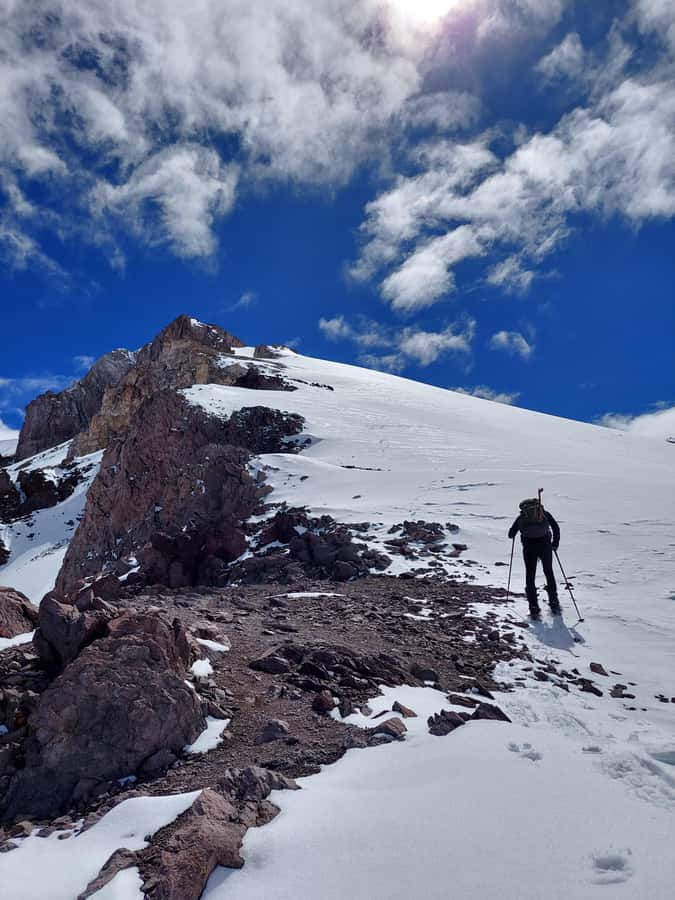
Reaching a 4,000m summit isn’t only about bragging rights. It’s about perspective. Once you’re up there, the Andes open up in a way you don’t get from lower trails around Santiago. The view is the point: broad panoramas, mountain layers stretching out, and the kind of skyline that makes you want to stay longer than your legs allow.
This trek specifically includes views that can include Cerro El Plomo. That’s a great detail because it gives you a recognizable reference in the range, so the scenery feels less random and more mapped. And you’ll have time at the top for memorable photos—after all that work, you’ll want proof that you were really that high.
The summit stop is also your best moment to reset. Altitude can make you lightheaded if you push too hard, so you’ll want to take small breaks, sip water, and stay focused on staying comfortable rather than sprinting from one photo angle to the next.
Descent and return to Santiago: tired legs, shorter memories
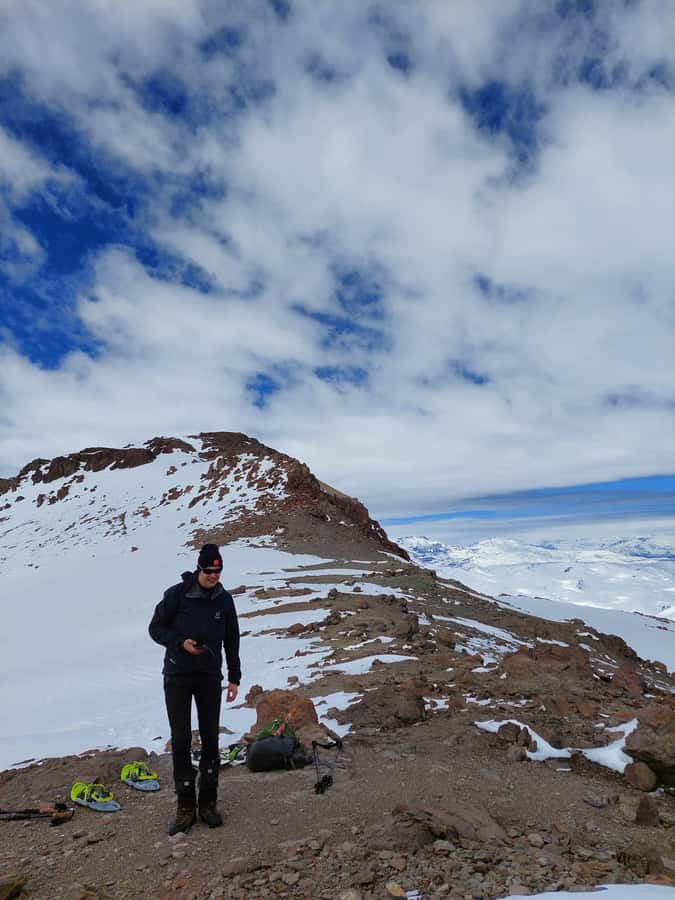
After the summit and photos, the plan is to descend back to the starting point, then drive back to Santiago for drop-off at your hotel. The descent sounds easy on paper, but at altitude it can still tax your legs and knees, especially if the ground is rocky or icy.
This is another reason a guide helps. A good guide keeps the group together and manages the pace so nobody gets stranded or pushed too hard while tired. If snowfields are present, traction and foot placement matter a lot, and that’s where poles and included gear pay off.
Once you’re back near Santiago, you’ll likely feel a mix of relief and satisfaction. A high-altitude day can feel mentally louder than physically harder, and the return drive is when that “I did it” feeling usually lands.
What’s included (and what you’ll want to pack yourself)
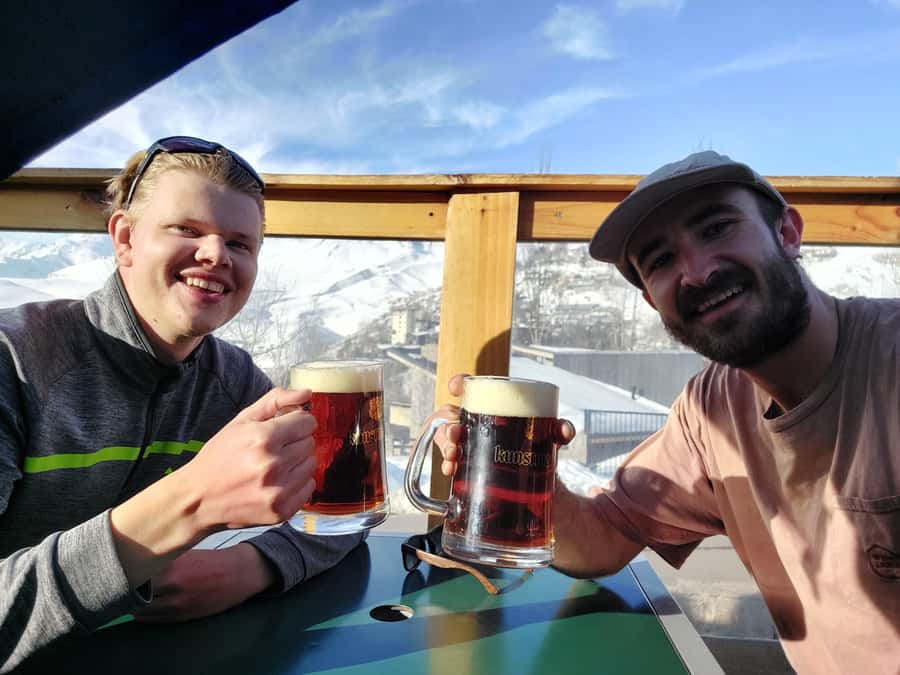
This is one of those day trips where the included items actually matter, because they remove real friction from a high-altitude experience.
What’s included:
- Round-trip transportation from and to your hotel in Santiago
- Professional bilingual guide (English and Spanish)
- Packed lunch and snacks
- Trekking equipment, including poles, and crampons if needed
- Entry fees to the national park
Not included:
- Additional meals not specified
- Personal expenses like souvenirs
- Travel insurance
From a value standpoint, the packed lunch plus snacks are clutch. On a long mountain day, grabbing food can turn into wasted time and decision fatigue. Having it handled lets you focus on hydration, warmth, and pacing.
What I’d suggest you bring (common sense, but important at altitude):
- Warm layers for wind and temperature swings
- A hat and gloves if the forecast looks even slightly cold
- Water (the guide has lunch and snacks, but you’ll still want to drink consistently during the climb)
- Good footwear for rocky or snowy sections
If you’re prone to altitude headaches or you’re new to high elevation, tell your guide at the start. Pace adjustments early are easier than trying to recover after you’ve overdone it.
Price and group setup: how $215 stacks up for a 4,000m day
At $215 per person, this tour isn’t the cheapest thing you could do from Santiago. But when you break down what you’re paying for, it looks more fair.
You’re not just paying for a guide. You’re paying for:
- Transportation round trip from your hotel
- A professional bilingual guide for the full experience
- Trekking gear (poles, and possibly crampons)
- Food (packed lunch and snacks)
- National park entry fees
Those pieces add up fast if you were trying to DIY it. And at altitude, DIY often costs more than money—it costs time, safety margin, and confidence.
One more detail to know: the experience requires a minimum of 2 participants to run. If there aren’t enough people, an additional cost is applied. That’s normal for private-group-style trekking logistics, so it’s worth checking what “private group” means for your exact booking situation.
Finally, compare this price to the cost of a solo solution. If you’re traveling in a couple, this tends to feel like a sensible structure: you get personalized pacing help without paying for a full private guide alone.
Altitude reality check: who should (and shouldn’t) book
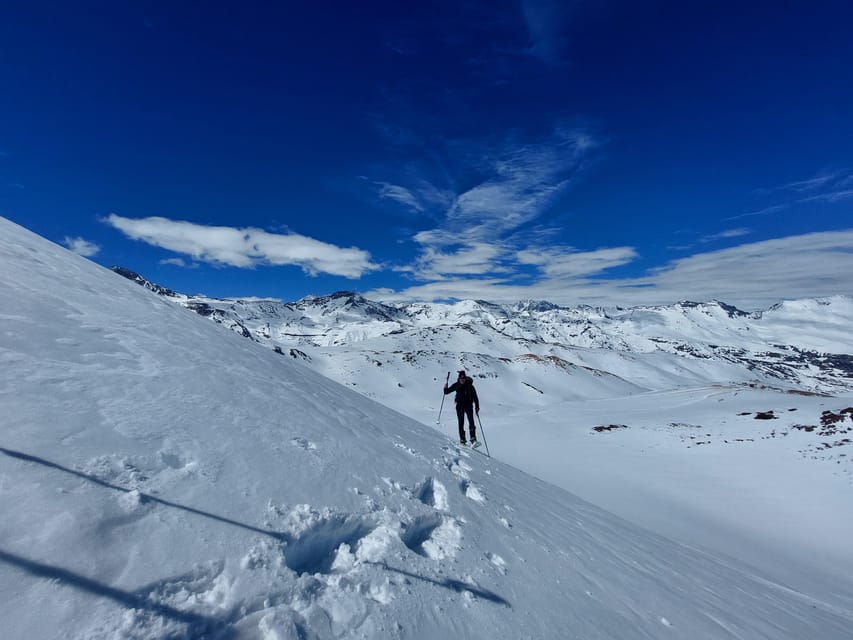
This trek is a strong fit for you if:
- You want a serious high-altitude summit without a multi-day expedition
- You’re okay with a challenging day and slower movement due to altitude
- You want guidance that helps you manage pace and comfort
It’s also a good choice if you’re nervous about your first high-altitude trek. The feedback highlights guides who are patient and attentive to first-timers, with Francisco specifically checking in on whether altitude is causing issues and adjusting pace accordingly.
You might want to think twice (or at least speak to the operator before booking) if:
- You hate cold or you’re not comfortable walking on uneven, possibly snow-covered terrain
- You’re expecting a gentle hike, because this is designed as a tough day with a summit reward
- You have medical concerns related to altitude and haven’t discussed them with a professional
If you have flexibility, you can also ask your guide for other hike ideas in the area. One example from the guides’ advice: Francisco recommended Parque Yerba Loca as a good option when someone had limited time, paired with a picnic style stop. That’s a nice reminder: your guide can help you shape your overall outdoor plan, not just run you to one summit.
Cable car question: save 400m if it’s running
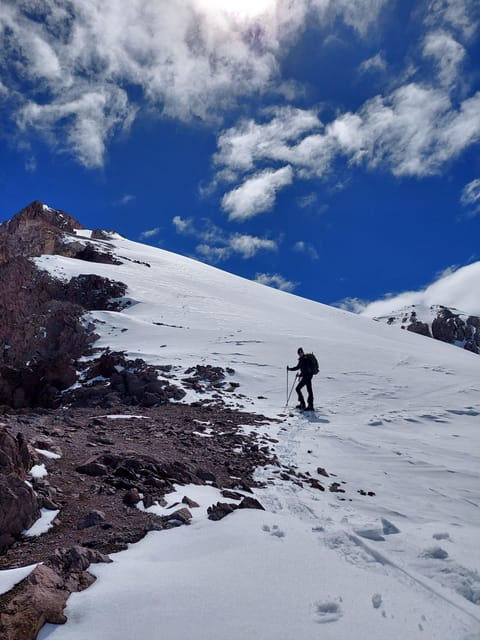
There’s a cable car option that can cut the climb by about 400 meters, but it depends on whether it’s operating on your hiking day. One guide experience noted the cable car wasn’t open that day, so the full climb was on the menu.
If this matters to you, check ahead of time. If you can save those meters and still enjoy the walk, that can be a smart move. If not, don’t assume it will be available—plan as if the trek includes the full effort.
Should you book this Cerro El Pintor trek from Santiago?
Book it if you want a high-quality, single-day summit experience with real support. The combination of 4,000m altitude, bilingual guiding, included gear, and meals makes this feel like good value compared to trying to assemble the same day on your own.
Skip or reconsider if you’re looking for an easy outdoor activity or if you’re not ready for rocky ground and possible snowfields. Also, if altitude is a known issue for you, talk with your guide and consider whether a safer alternative fits your comfort level.
If you do book, show up ready to take it slow. The best days up here aren’t the fastest ones—they’re the ones where you listen to your body and let the guide help set a pace that keeps altitude from turning the hike into a struggle.
FAQ
How long is the Cerro El Pintor trek?
The total experience is listed as 1 day. The hike time is shown as about 2 hours during the day.
What’s the price per person?
The price is $215 per person.
What’s included in the tour price?
It includes round-trip transportation from and to your hotel in Santiago, a professional bilingual guide, a packed lunch and snacks, trekking equipment (poles and crampons if needed), and entry fees to the national park.
What languages will the guide speak?
The guide is listed as English and Spanish.
Is this trek wheelchair accessible?
The experience is listed as wheelchair accessible. If you have specific needs, it’s smart to ask for clarification before booking.
Is altitude a concern for beginners?
It’s described as challenging but achievable for a high-altitude trek. The guides are noted for being patient, including support for people doing their first high-altitude experience and checking in on how the altitude is affecting you.