REVIEW · KATHMANDU
Short Everest Base Camp Trek – 10 Days
Book on Viator →Operated by Breeze Adventure Pvt Ltd · Bookable on Viator
Everest in only 10 days is the big hook here. This Short Everest Base Camp trek strings together a scenic flight into Lukla, teahouse nights, and Sherpa culture on a route designed to hit the highlights quickly, including Everest Base Camp at 5,364m and the early climb for the Kalapathar viewpoint.
Two things I really like: the pacing hits the main sights fast without turning it into a suffer-fest marathon, and you get real on-the-ground help with the parts that can slow people down, like collecting permits and staying organized on the trail. One consideration: you’re still playing with altitude and mountain weather, so Lukla flight delays and a tough early-morning day are part of the reality.
In This Review
- Key things that make this trek worth it
- Short Everest Base Camp: what you’re really buying
- Price and logistics: where the cost makes sense
- From Kathmandu to Lukla: the flight that sets the tone
- Day 1 reality check
- Day 1: Lukla to Phakding
- Day 2: Phakding to Namche Bazaar
- Day 2 reality check
- Day 3: Namche to Tengboche Gompa
- Day 3 reality check
- Day 4: Tengboche to Dingboche
- Day 4 reality check
- Day 5: Dingboche to Lobuche
- Day 5 reality check
- Day 6: Gorakshep and the walk to Everest Base Camp
- Day 6 reality check
- Day 7: Kalapathar sunrise, then down to Pheriche
- Day 7 reality check
- Day 8: Pheriche to Namche via Debuche and Pangboche
- Day 8 reality check
- Day 9: Namche to Lukla via the Hilary suspension bridge
- Day 9 reality check
- Day 10: Flying back to Kathmandu
- Teahouses, meals, and staying warm without overthinking it
- Who this trek suits best
- Should you book Short Everest Base Camp in 10 days?
- FAQ
- How long is the Short Everest Base Camp trek?
- What is the starting location for the trek?
- Are flights included?
- Is pickup offered?
- What permits are involved?
- What are the key high points on the route?
- What kind of accommodations should you expect?
- Are meals included?
- What is not included during the trek?
- Is cancellation possible?
- Is there a limit on group size?
Key things that make this trek worth it
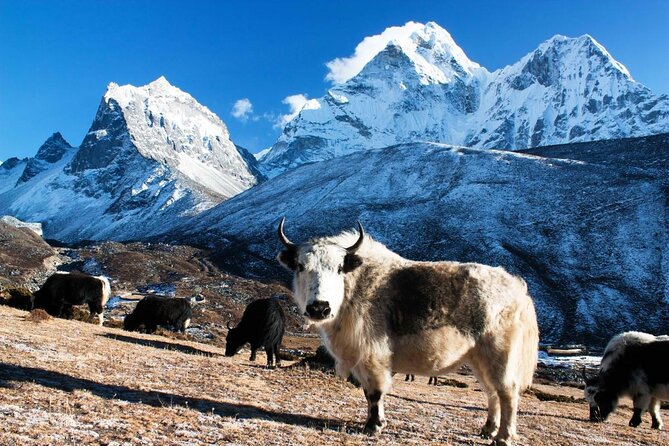
- Lukla landing energy: a short, scenic flight that delivers big drama on touchdown
- Permit support on the trail: your guide helps you collect the Sagarmatha National Park trekking permit at checkpoints
- Sherpa culture stops, not just photo stops: monasteries like Tengboche Gompa add meaning to the scenery
- Teahouse comfort where it counts: overnight stays at Gorakshep and along the way keep things practical
- Kalapathar sunrise timing: starting around 4am gives you the best shot at classic Everest views
- Small group size: capped at 15 people, so the day-to-day feels manageable
Short Everest Base Camp: what you’re really buying
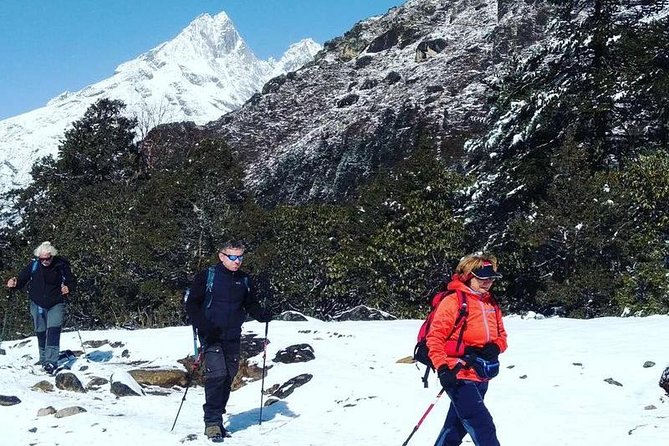
This is the “do the Everest thing, but with a realistic schedule” version of the classic trek. The whole plan is built around making Everest Base Camp feel like an achievable goal in about 10 days, not a months-long project.
For the money, the value comes from the package shape. Your trip includes flights to and from Lukla, government-authorized experienced guides, and trekking equipment like a sleeping bag and warm layers. It also includes a first aid kit, service charge, government taxes, and meals (listed as breakfast for 10 days, plus 9 lunches and 9 dinners). If you’ve ever tried to cobble together Everest logistics yourself, you know how quickly it gets messy.
The itinerary also gives you more than just a walk to a single endpoint. You’ll pass through Sherpa-influenced villages, cross the Dudh Kosi suspension bridges, visit a major monastery area at Tengboche, and get the payoff viewpoint at Kalapathar.
You can also read our reviews of more tours and experiences in Kathmandu.



Price and logistics: where the cost makes sense
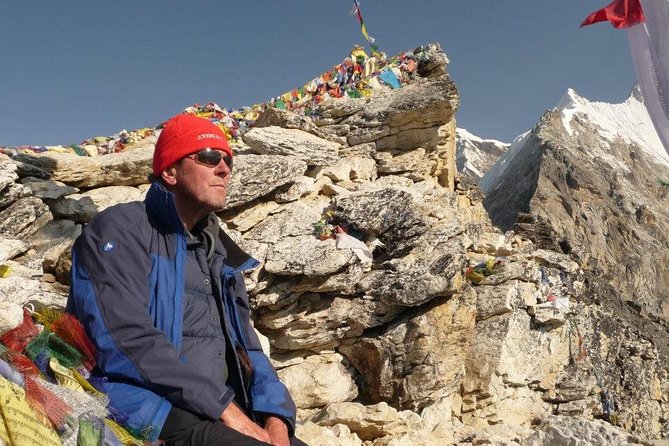
At $1,680 per person, this trek isn’t cheap, but it also isn’t just a “walk and good luck” deal. A huge chunk of real trekking cost in this region is tied to transport (especially flights to Lukla), guiding, permits, and managing meals and lodging.
Here’s what you should focus on when judging value:
- Flights are included: you’re not paying extra for the Kathmandu–Lukla and return legs.
- Guiding and organization are included: the company provides government-authorized experienced guides and helps with permit collection.
- Equipment is included: sleeping bag and warm layers are provided, which reduces your gear-rage at the last minute.
- Meals are built into the plan: breakfast every day is listed, plus most lunches and dinners.
What’s not included matters too. You’ll pay for things like shower and electronic charging fees at guest houses during the trek. Alcohol and coffee/tea/chocolates aren’t included, and tips for guide and porter are not included. That’s normal for the region, but it’s still something to budget for so you don’t get surprised.
From Kathmandu to Lukla: the flight that sets the tone
Your trek starts with a domestic flight from Kathmandu to Lukla. It’s short, very scenic, and famous for the landing. The plan recommends choosing the left raw seat for better views as you approach the Khumbu region.
Why it matters: Lukla doesn’t just save time. That flight acts like a mental switch. One minute you’re thinking about hotels and maps, the next minute you’re watching mountains come at you fast, and your brain finally understands where you are.
After landing, you begin trekking toward Phakding. The trail starts with stone-paved stairs descending from the airport area. Today is mostly a descent through trails lined with rhododendron trees, which can be extra pretty in spring when rhododendrons bloom.
Day 1 reality check
This is a gentle start in altitude terms, but it’s still downhill steps. If your knees don’t love stairs, take your time and use steady footing.
Day 1: Lukla to Phakding
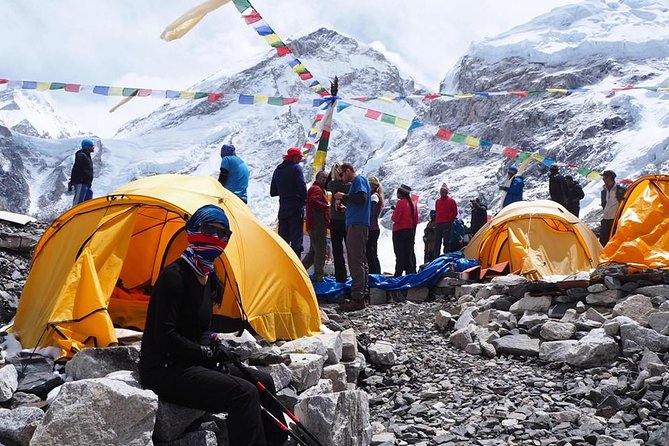
Lukla to Phakding is about transition. You’ll feel the drop in elevation as you walk, and the trail gradually moves from airport stonework into more natural path. The shade from rhododendron trees can make the first day feel easier, especially if the weather turns bright.
You’ll also get your first taste of the “rhythm” of a lodge trek: short breaks, frequent photos, and realizing you’ll spend a lot of time walking slowly.




Day 2: Phakding to Namche Bazaar
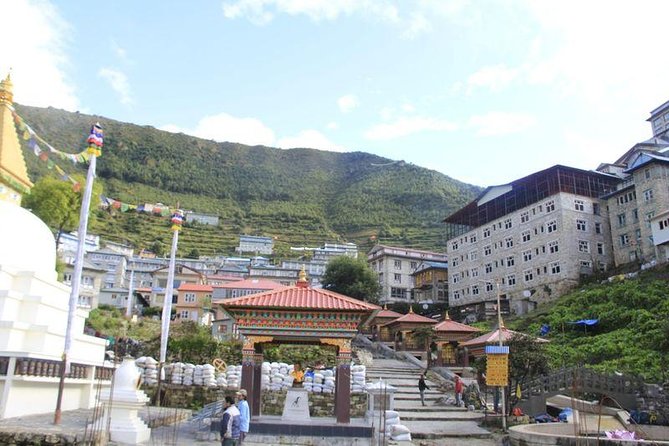
This is your suspension bridge day. After breakfast around 7 to 8am, you trek from Phakding toward Namche Bazaar, crossing the Dudh Kosi river multiple times via high suspension bridges.
That’s one of the practical reasons this trek is popular: the bridges are memorable, but they also help pace you mentally. You’re moving steadily, and each crossing becomes a natural checkpoint.
You’ll also collect your Sagarmatha National Park trekking permit on the way. Your guide helps you handle this at checkpoints. That’s a big deal. Permits can turn into an annoying scavenger hunt on your own. Having it managed means you spend your energy walking instead of arguing with paper.
You pass through small villages like Tok-Tok, Monjo, and Jorsale (a common stop point for trekkers). Namche Bazaar is where the trek starts feeling like a hub.
Day 2 reality check
Plan to take your time on the bridges. If you feel even slightly off-balance, stop, breathe, and keep your steps deliberate.
Day 3: Namche to Tengboche Gompa
After breakfast in Namche, you trek on terrain that starts with a bit of climbing and then opens into views. You’ll see Mt. Thamserku in the area, plus stupas along the way.
The best part of Day 3 is the gradual “oh wow” build-up. After some flat walking and a drop toward a river, you’ll get more of the Everest panorama. The route is set up so you see Everest and other big peaks in moments rather than one single look.
You’ll also visit Tengboche Gompa area, a major stop for Sherpa culture. You may see people asking for donations near the monastery area, which is common around cultural sites.
Day 3 reality check
Expect alternating descents and ascents. Even if the distances aren’t huge, the altitude makes every small change in grade feel more physical.
Day 4: Tengboche to Dingboche
Day 4 starts after morning breakfast at Tengboche. You descend to Pangboche, then get a stretch of flatter walking with strong Himalayan views and plenty of trekkers around.
You pass through small villages including Somare and Orsho, and lunch is planned at Somare. Then you continue toward Dingboche, crossing toward the Lobuche river area before reaching the village.
Dingboche is described as a lovely village with agriculture at altitude, including potato and barley cultivation. That detail is more than scenery. It helps you understand how people adapt to high-country life, not just how tourists walk through it.
Day 4 reality check
If you’re feeling good, it’s tempting to speed up. Don’t. Your success on Everest treks is usually about consistency, not hero moves.
Day 5: Dingboche to Lobuche
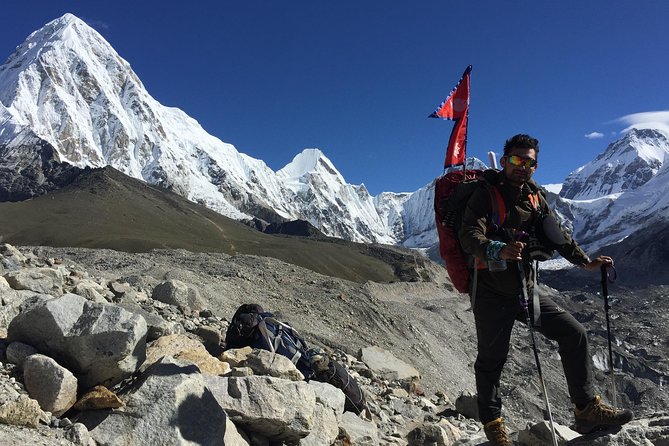
This day starts uphill and then climbs toward a ridge and big views. The route emphasizes careful pacing because you’re now above 4,000 meters.
You’ll pass yak pastures around Thukla (listed at 4,620m), then the trail climbs steeply toward the terminal moraine of the Khumbu glacier. From there it takes about two hours to reach Lobuche.
The route explicitly warns about altitude sickness signs, and advises you to walk slow, drink plenty of water, and get down to lower altitudes if symptoms show up. That’s solid practical guidance, and it’s worth taking seriously even if you feel fine.
Day 5 reality check
Hydration is not optional here. Slow breathing and steady steps beat sprinting every time.
Day 6: Gorakshep and the walk to Everest Base Camp
Finally, the “today’s the day” moment. You start from Lobuche after breakfast and trek toward Gorakshep, where teahouses are available for overnight.
After checking in and having lunch, you start the walk toward Everest Base Camp. The terrain at the beginning is described as easier, but you’ll still want to move slowly. At base camp, Everest Base Camp sits at 5,364 meters (17,598 feet), and reaching it is the classic bucket-list payoff.
This is where the air changes. You’re surrounded by climbers and teams preparing for their ascent. Even if you’re not climbing yourself, you’ll feel why people come all this way.
Day 6 reality check
Base camp is high and often cold. Bring a mindset for short outdoor bursts: long enough to enjoy it, then back to warmth fast.
Day 7: Kalapathar sunrise, then down to Pheriche
Day 7 is the big viewpoint day. You trek to Kalapathar, described as the best viewpoint of Mt. Everest, with a 360-degree view of the Everest massif.
The plan calls for an early start, nearly around 4am. The climb is difficult and described as an uphill trek on an icy trail. The sunrise view is framed as the best one, and it’s exactly the kind of timing you can’t fake with a lazy morning.
After spending time taking photos and enjoying the panorama, you return to Gorakshep, pick up your luggage, and continue down toward Pheriche.
Pheriche is described as beautiful, with rocky hills surrounding the village. Teahouses and guest houses are available there.
Day 7 reality check
If you’re even a little stiff, this is where you’ll notice it. Slow steps, secure footing, and extra warmth beat bravado.
Day 8: Pheriche to Namche via Debuche and Pangboche
Today is your long return day, and it’s also one of the smartest parts of the trek. The route heads from Pheriche back with stops that break up the walking.
You trek toward Debuche, a small settlement with teahouses. Then you continue toward Pangboche, where most trekkers have lunch. From Pangboche, there’s an uphill section, then Tengboche again—followed by a continuous downhill and river crossing, plus another ascent before things flatten out toward Namche.
The key idea: this route repetition gives your body a chance to recover while still keeping movement steady. You don’t just backtrack blindly. You walk segments that feel different on the way down.
Day 8 reality check
Because it’s a long day, your best advantage is consistent pacing. Don’t save energy by rushing later and risking sloppy steps.
Day 9: Namche to Lukla via the Hilary suspension bridge
Day 9 is about descending back to Lukla. The trail is described as long but easier in terms of effort.
One detail I’m glad the plan stresses: don’t run on the way down. There are trekkers who run during return sections, and the trek guidance points out that accidents often happen on the way back. That’s real. Your legs might feel tired, but you’re also dealing with fatigue, uneven footing, and altitude aftereffects.
You’ll descend from Namche after the Hilary suspension bridge, continuing gradually along with other trekkers. Lunch is planned at Tok-Tok. After long walking, you reach Lukla.
At Lukla, you get the small-town reward: shops, bakeries, and the chance to buy gifts for friends and family.
Day 9 reality check
Keep your steps short. Use trekking poles if you have them. Your future knees will thank you.
Day 10: Flying back to Kathmandu
On the final day, if weather is good, you fly back to Kathmandu via the scheduled flight. If weather is bad, delays can happen. That’s the mountain version of “the schedule is optimistic.”
Once back in Kathmandu, it’s a mental reset. You trade altitude breath for city traffic and real beds.
Teahouses, meals, and staying warm without overthinking it
The trek is built around teahouses for overnight stays, including at Gorakshep and in villages like Pheriche and along the route. You’ll also have meals included as listed for the trek days, with breakfast provided daily and lunch/dinner during most walking days.
A few practical points:
- Charging and showers may cost extra at guest houses during the trek, and those fees are not included.
- Your packing burden is reduced because sleeping bag and warm layers are provided by the tour.
- The air gets thin quickly, so plan to wear layers more than you plan to style your outfit.
If you’re the type who likes to be prepared, bring a focus on warmth and dryness: gloves, a hat, and extra socks tend to be lifesavers at altitude. Even with provided gear, your own comfort items can make nights easier.
Who this trek suits best
This one is a good fit if you want Everest Base Camp without spending weeks in the Khumbu. It also fits people with moderate physical fitness who can handle steep, icy, high-altitude days like Kalapathar.
If you’re regular hiking shape and you’ve been above 5,000 meters before, you’ll likely feel more at ease with the altitude rhythm. If you’re a first-timer, the structured pacing plus guide support can be a real advantage.
Small group size (maximum 15 people) also matters. You get the benefits of group structure without the chaos of massive numbers on the trail.
Should you book Short Everest Base Camp in 10 days?
I’d book this trek if your top goal is seeing Everest up close fast, and you want an organized setup that handles permits, flights, and day-to-day logistics. The combination of Lukla flight experience, Sherpa monastery culture at Tengboche, and the Kalapathar sunrise day gives you multiple “reasons to get up early,” not just one.
I wouldn’t book if you’re hoping for a totally easy walk. This route includes high elevations, a hard early climb, and the real possibility of flight delays tied to mountain weather.
FAQ
How long is the Short Everest Base Camp trek?
The trek is approximately 10 days.
What is the starting location for the trek?
The experience starts in Kathmandu, Nepal.
Are flights included?
Yes. Transportation includes flights to and from Lukla.
Is pickup offered?
Yes, pickup is offered.
What permits are involved?
You’ll need a Sagarmatha National Park trekking permit, which your guide helps you collect at checkpoints on the trail.
What are the key high points on the route?
Everest Base Camp is listed at 5,364 meters. Kalapathar is the main viewpoint climb, starting around 4am.
What kind of accommodations should you expect?
Overnight stays are in teahouses during the trek, including at places like Gorakshep and in villages along the route.
Are meals included?
Yes. Breakfast is listed for 10 days, and lunch and dinner are listed for 9 days each.
What is not included during the trek?
Shower and electronic charging fees at guest houses, tips for guide and porter, and alcohol plus some drinks and snacks are not included.
Is cancellation possible?
Free cancellation is available up to 24 hours in advance for a full refund.
Is there a limit on group size?
Yes. The tour has a maximum of 15 travelers.