REVIEW · MHAMID
5-day trek – In the Draa Valley
Book on Viator →Operated by L'oiseau du désert · Bookable on Viator
Walk where animals once traced the dunes. This 5-day trek in Morocco’s Draa Valley from M’Hamid pairs serious walking with a closer look at the desert’s changing face, from vast ergs to a surprisingly green side.
What I like most is how the trip stays practical and human: you’ll be walking roughly 13 to 17 km each day, then settling in for camp meals, fireside evenings, and even moments like bread baking shared by the nomad team. I also love the people-to-land connection, especially with guides such as Bakkar and Mohammed, plus the camel drivers and cook who keep camp running smoothly. The main consideration is fitness and comfort: the days are long, and you should be ready for limited creature comforts, including the chance of little to no power/charging in camp.
In This Review
- Key things that make this trek work
- Entering M’Hamid at 8:00 and starting on the right foot
- Your walking days: 13 to 17 km, desert pace, real rhythm
- The Draa Valley: ergs up close, plus that green desert surprise
- Camp life with L’oiseau du désert: meals, firesides, and practical comfort
- A likely day-by-day flow (without the fluff)
- What to bring (based on what’s included and what’s not)
- Price and value: $581.62 for a 5-day working camp experience
- Who this trek suits best
- Should you book this trek?
- FAQ
- Where is the trek start and end point?
- What time does the trek start?
- Is pickup available?
- How long is the trek?
- Is this a private tour?
- What’s included in the price?
- What is not included?
- What physical fitness level do I need?
- What is the cancellation cutoff for a full refund?
- Will I get confirmation right away?
Key things that make this trek work
- Real nomad-style days with walking, camp routine, and shared chores like bread baking
- Big daily mileage (often 13–17 km), so pacing matters from the start
- Guides by name like Bakkar and Mohammed, known for kindness and sharing their lifestyle
- Desert disconnection is part of the deal, including a no-charging feel
- Alternating fertile and arid Draa Valley views, including a green side of the desert
- Private group experience so the rhythm stays personal rather than rushed
Entering M’Hamid at 8:00 and starting on the right foot
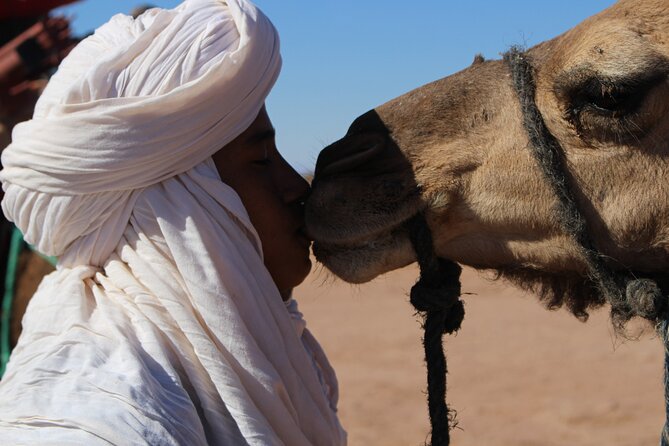
This trek begins in M’Hamid, Morocco, with a start time of 8:00 am. That early start is not just a scheduling detail. In the desert, the morning cool-down is your friend. You’ll want to be ready before the day heats up, and a clear 8:00 start helps you avoid wasting your energy in the first hours.
You’ll end back at the same meeting point, so you’re not spending your last day in transit. That matters, because the desert can leave you tired and salty, and having a clean loop makes the whole experience feel more complete.
Pickup is offered, but private transportation is not included. So if you’re coming from Marrakech or another hub, plan your own approach to getting to M’Hamid (unless the pickup option is part of your booking). The good news: the meeting area is listed as near public transportation, which can simplify last-mile logistics.
You can also read our reviews of more tours and experiences in MHamid.

Your walking days: 13 to 17 km, desert pace, real rhythm
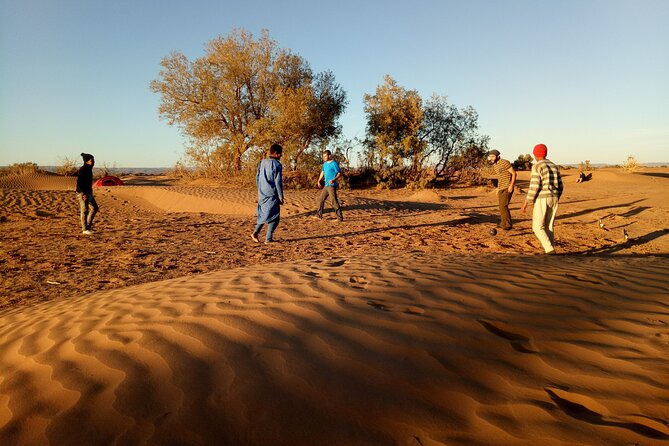
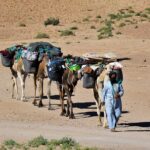
From the reviews, the walking range is often 13 to 17 km per day. That’s enough distance to change how you move. You won’t just be taking photos and strolling. You’ll be working your legs, finding a steady pace, and learning how the group pace feels when sand and wind affect each step.
Here’s how to think about the effort: in the desert, the ground is deceptive. Even when it looks flat, you can burn energy faster due to shifting sand underfoot. If you’re moderately fit, you should be fine, but you’ll benefit from smart pacing and hydration.
Also, expect that your day breaks into a repeating pattern:
- walk for stretches as the terrain opens and closes
- take practical breaks and reset your footing
- camp at night with the team handling the basics of food and sleeping arrangements
That rhythm is where the trek earns its reputation for feeling like a real reset. One review specifically calls out the lack of smartphone and laptop access and no power outlet feeling. Even if it’s not every minute of every day, you should mentally prepare for a serious digital break.
The Draa Valley: ergs up close, plus that green desert surprise
A big promise of this trek is that you follow in the footsteps of desert animals and see the desert’s story in places many people skip. You’ll spend time in impressive ergs, and you’ll also move through a part of the long Draa Valley that alternates between fertile and arid.
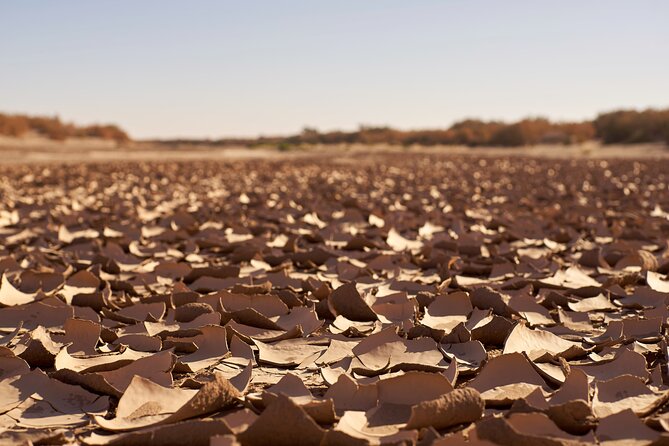
Why that matters: the Sahara isn’t one single look. As you travel through different pockets of the valley, you can start noticing how plants and life adapt to what’s around them. The description calls out a green face of the desert and plants that have become acclimatized there. When that clicks, the trek becomes more than walking. It becomes observation training.
Also, there’s something special about moving at human speed. When you’re covering miles on foot, you’re not just passing scenery. You’re reading the ground. You’re noticing where animals likely cross, where growth appears, and how the terrain changes underfoot.
Camp life with L’oiseau du désert: meals, firesides, and practical comfort
The experience provider is L’oiseau du désert, and the overall tone from reviews is consistent: organization is solid, and the camp side is handled with care. The included list says you get eating and sleeping equipment, but it also clearly says a sleeping bag is not included. So you’ll need to bring your own sleeping bag, or at least plan to buy or rent one separately.
If you’ve never slept in the desert, here’s the practical reality: nights can feel cold compared with daytime, and your sleeping comfort can make or break your enjoyment. A sleeping bag is not a luxury. It’s your recovery tool.
Now, the best part is how camp is more than just a place to crash. Multiple reviews mention succulent meals, fireside evenings, and traditions shared by the nomad team. One review highlights bread baking as a memorable moment, and another talks about fireside social time with laughter and singing and dancing. Even if your day’s details vary with conditions, you should expect that the camp evenings bring people together, not just a quiet bedtime routine.
And you’ll see supporting roles in action: camel drivers and a cook are mentioned in the reviews. That matters because it’s a reminder that this isn’t a DIY adventure. You’re joining a working desert rhythm with people who do this day after day.
A likely day-by-day flow (without the fluff)
The trek is described as an introduction to nomadic life, and the reviews give you a clear sense of pace and daily structure. Since specific stop names aren’t provided, I’ll map the experience by what you’ll actually feel and do each day.
Day 1: Start in M’Hamid and ease into the ergs
You begin at 8:00 am in M’Hamid and head out under your guides and support team. Day 1 is often where your body adapts to desert walking. You’ll likely see the first big stretches of erg terrain and start noticing how the ground affects your stride. If you go too hard early, you’ll feel it tomorrow, so keep your pace controlled.
Day 2: Following animal paths and spotting the valley’s changes
The trek theme includes following footsteps of desert animals, and that translates into a route chosen for what it reveals. You’ll probably feel a mix of open stretches and natural points where the terrain guides movement. This is also where the Draa Valley’s alternating feel starts to stand out, setting up the green-to-arid contrast that the trek promises.
Day 3: The green side shows itself
The desert’s green face is specifically called out in the description, along with plants acclimatized there. Day 3 is a good bet for when those details start feeling less like a marketing line and more like a lived reality. You’re still walking hard, but you’re also learning to notice what survives and how.
Day 4: Deeper into the quiet, with camp traditions taking center stage
By day 4, you’ll likely feel the digital disconnection more strongly. You’ll be tired in a good way, and camp time becomes the highlight: meals, fireside conversations, and the nomad hospitality that reviews emphasize. If bread baking or shared preparations happen during your dates, this is the kind of day when those moments tend to land.
Day 5: Walk to the finish and return to M’Hamid
The activity ends back at the meeting point. So your final day focuses on finishing the crossing without extra transit stress. When you’re done, you’ll have that end-of-trek clarity: you’ve walked far enough to earn it, and you’re back in a place where you can reset.
What to bring (based on what’s included and what’s not)
The included list covers eating and sleeping equipment, plus all fees and taxes. But you’re on your own for a sleeping bag, and private transportation is not included.
So here’s what you should plan around:
- Bring your sleeping bag (not included). Desert nights can be a surprise.
- Bring the right footwear for daily 13–17 km walks.
- Pack for a true digital break. If there’s no power/charging available for much of the time, you’ll want a plan for essential devices and battery backup.
- Bring layers. Even if daytime is comfortable, nighttime can change quickly.
Because pickup is offered but private transportation is not included, also think about your own arrival and departure timing to match the 8:00 am start.
Price and value: $581.62 for a 5-day working camp experience
At $581.62 per person for about 5 days, the price isn’t “cheap,” but it also doesn’t look like you’re paying for a polished bus tour. You’re paying for guided trekking in a remote area, a private setup for your group, and a team that handles camp basics.
That value comes through in three places:
- Equipment coverage for eating and sleeping (your sleeping bag still isn’t included, but the rest of the camp setup is)
- Fees and taxes included, which helps avoid surprise add-ons
- Human staffing: guides plus support like camel drivers and a cook, which is real logistical work in the desert
You also get a strong reputation signal: the experience is recommended by 100% with a 5/5 rating across 14 reviews. When that kind of satisfaction repeats for a trekking product, it usually means the operational side works: pacing, organization, and camp life land the way people hoped.
The main “value mismatch” risk is for anyone expecting minimal effort. This is not a short stroll. It’s walking days that can hit 13–17 km. If you want a desert vibe without physical work, you might feel this one is too demanding.
Who this trek suits best
This trek is a good match if you:
- can handle moderate physical fitness demands
- want a desert experience that feels like nomad life basics, not just a scenic hike
- like learning from people in the field, including guides such as Bakkar and Mohammed
- enjoy evenings that are social and simple, with firesides and shared moments
It’s also a strong fit for couples and small groups because it’s listed as private, meaning it’s just your group. If you travel with friends and you want a shared pace without the pressure of strangers joining in, that’s a big advantage.
Should you book this trek?
I’d book it if you’re excited by the idea of walking through the Draa Valley’s changing desert, spending nights under the stars, and trading phone time for real camp time. The mix of practical organization, named guides, and the desert-disconnection vibe comes through clearly in the feedback.
Skip it if you need guaranteed comfort for sleeping (since your sleeping bag is not included) or if the idea of 13–17 km daily walking sounds stressful rather than energizing.
If you match those two signals, this trek is the kind of experience that leaves you feeling like you actually understood the desert, not just photographed it.
FAQ
Where is the trek start and end point?
The trek starts in M’Hamid, Morocco and ends back at the same meeting point.
What time does the trek start?
The start time is listed as 8:00 am.
Is pickup available?
Pickup is offered. Private transportation is not included, so check how your pickup is arranged as part of your booking.
How long is the trek?
It’s listed as a 5-day trek (approx.).
Is this a private tour?
Yes. It’s listed as a private tour/activity, and only your group participates.
What’s included in the price?
The price includes eating and sleeping equipment, plus all fees and taxes.
What is not included?
A sleeping bag is not included, and private transportation is not included.
What physical fitness level do I need?
You should have a moderate physical fitness level.
What is the cancellation cutoff for a full refund?
You can cancel up to 6 days in advance of the experience for a full refund.
Will I get confirmation right away?
You receive confirmation at the time of booking unless you book within 2 days of travel, in which case confirmation is received within 48 hours subject to availability.