Everest Base Camp sounds huge, then you realize it’s also steps and timing. This 14-day trek is interesting because it mixes big-mountain days with smart acclimatization stops in Sherpa villages, plus the support that gets you from Kathmandu to Lukla and into the Khumbu without guessing your logistics.
I especially like two things. First, you get a licensed trekking guide and porter support (1 porter for 2 people), which matters more than people expect when you’re working at altitude. Second, meals during the trek, tea/coffee, permits, and lodge stays are built into the trip so you can plan your energy instead of your budget.
One possible drawback: the Lukla flight can be weather-sensitive, and hot showers are not included. So come ready for mountain simplicity and the reality that your schedule sometimes has to bend.
In This Review
- Key highlights at a glance
- Is $1,800 for Everest Base Camp good value?
- Day 1 in Kathmandu: airport pickup and a welcome dinner that helps you settle in
- Day 2: Lukla flight to Phakding (2,652m) and a gentle start along Dudhkoshi
- Day 3: Monjo gate to Namche Bazaar and your first real Namche feel
- Day 4: Namche acclimatization with the Sherpa Museum and Everest View Lodge
- Days 5–6: Phortse to Dingboche for wildlife, big viewpoints, and longer trekking days
- Day 7: Dingboche acclimatization with a light hike toward Chhukung
- Day 8: Dingboche to Lobuche (over 4,000m) through rhododendron, pine, and oak
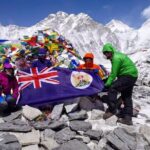
- Day 9: Lobuche to Gorakshep, then Everest Base Camp—an early, long day
- Day 10: Kala Patthar sunrise (5,545m) and the return toward Pheriche/Pangboche
- Day 11: Pheriche/Pangboche to Namche via Hillary Suspension Bridge and Tengboche monastery
- Day 12: Namche to Lukla—downhill walking and a finish line feeling
- Day 13: fly Lukla to Kathmandu and take one night to reset
- Day 14: transfer to the international airport for your departure
- Should you book this Everest Base Camp trek plan?
- FAQ
- What is the duration of this Everest Base Camp trek?
- Where does the trip start and include any transfers?
- Is the Kathmandu to Lukla flight included?
- Are trekking permits included?
- Do I get a guide and porter support?
- What kind of lodging is included on the trek?
- What meals are included during the trek?
- Are hot showers included?
- Is emergency helicopter help included?
- Is free cancellation available?
Key highlights at a glance
- Lukla flights + private Kathmandu transfers: less waiting on the ground, more time on the trail
- Acclimatization days in Namche and Dingboche: more breathing room for your body
- Kala Patthar (5,545m) sunrise option: the trip’s big photogenic payoff
- Sherpa culture stops: Sherpa Museum, Khumjung, Hillary school, and Tengboche monastery
- Licensed guide and porter ratio: support that actually helps you walk smarter
- Emergency helicopter arrangement via insurance: not included, but planned for if needed
Is $1,800 for Everest Base Camp good value?
For $1,800 per person, you’re not just paying for scenery. You’re paying for the hard parts that normally cost time and stress: the round-trip domestic flights between Kathmandu and Lukla, the core permits (Sagarmatha National Park and local permits), a government-licensed guide, porter support, and lodge accommodations during the trek. You also get two nights in Kathmandu with breakfast, plus airport/hotel transfers by private vehicle.
What makes this feel like good value is that it’s set up as a full operating system. You’ll still need fitness and common sense on steep days, but you won’t be figuring out who carries what, how permits work, or where your next night’s bed comes from.
What you should budget separately: hot shower access isn’t included, cold drinks and phone/camera charging aren’t included, and tips for guide/porters/drivers are also not included. Also, emergency helicopter rescue is mentioned as arranged through your travel insurance company—so make sure your insurance wording really covers mountain trekking and evacuation.
You can also read our reviews of more tours and experiences in Kathmandu.
Day 1 in Kathmandu: airport pickup and a welcome dinner that helps you settle in
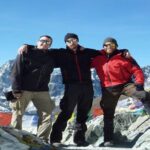
Your first day is built around getting you grounded. A delegate from Everest Trekking Routes meets you at the airport and transfers you to your hotel, then you’ve got time to rest or stop by the office. In the evening, there’s a welcome dinner with Nepalese food—an easy way to get oriented to local flavors without feeling like you’re winging it.
This matters because Kathmandu is where your trip either starts smooth or starts stressful. Flight fatigue is real, and the day is your chance to rest, check your gear, and confirm the plan with your guide before altitude takes over the conversation.
Day 2: Lukla flight to Phakding (2,652m) and a gentle start along Dudhkoshi
The trek kicks off after a short Lukla flight (about 30 minutes). You’ll meet local mountain porters and start walking through Chourikharka, then follow the Dudhkoshi River corridor toward Phakding at 2,652m.
The smart idea here is timing. This day is usually about finding your pace: comfortable breathing, steady steps, and getting your legs used to the rhythm. You’ll also sleep in a lodge, so you’ll start building the “wake up early, walk, repeat” routine that keeps the rest of the trip manageable.
Day 3: Monjo gate to Namche Bazaar and your first real Namche feel
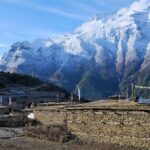
Today you trek toward Namche Bazaar, the main hub of the Khumbu region. You’ll pass through Sagarmatha National Park and the Trekkers Information Management System Main Gate, then follow the Dudhkoshi River and cross the highest bridge near the bottom approach to Namche. The goal is both movement and mind-set: you’re getting closer to Everest country, but you’re still in a zone where you can stay steady and enjoy the walk.
As you approach Namche, the trail changes from “getting there” to “this is it.” The area is touristic in the way Kathmandu and Pokhara are—shops, guesthouses, and busy foot traffic—so you’ll have a real sense of what the Everest trail community looks like.
Day 4: Namche acclimatization with the Sherpa Museum and Everest View Lodge
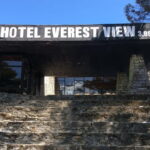
Day 4 is an acclimatization and culture day, which is exactly the kind of balance you want at this stage. After breakfast, you visit the Sherpa Museum, then do a hike to the Everest viewpoint area for tea or coffee at Everest View Lodge.
If weather is perfect, you may see Mt. Everest, Lhotse, Island Peak, and Amadablam, plus other high peaks. Even when the mountain views are shy, the point of the day is still valuable: you’re training your body while also learning about the people who live with these mountains every day.
After that, you go to Khumjung Village and visit Admon Hillary High School for lunch, then return to Namche for the night.
Days 5–6: Phortse to Dingboche for wildlife, big viewpoints, and longer trekking days
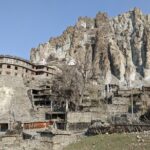
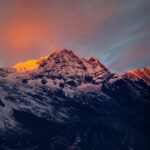
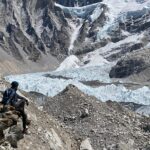
Your destination becomes Dingboche, a massive viewpoint area with a strong sense of high-altitude life. The route is often described as especially beautiful between Phortse and Dingboche, and you’ll also pass lunch stops around Upper Pangboche or Somare.
These days can bring wildlife sightings—blue sheep, deer, Himalayan thar—and you’ll notice domestic yaks browsing nearby. The mix of animals and high-valley walking makes the trail feel less like a corridor and more like a living place.
A practical note: the weather can turn fast at this elevation, and you’ll want to keep layers ready. Lodges are your friend, but you’ll still need to manage warmth and pace so you don’t end up “pushing hard” when your body is asking for patience.
Day 7: Dingboche acclimatization with a light hike toward Chhukung
Day 7 is another acclimatization checkpoint. You’ll do a light hike—either to a small viewpoint or toward Chhukung—plus time around Dingboche Sherpa villages. This is where the trip’s logic shows: you’re not just chasing altitude; you’re giving your body time to adjust.
The program also emphasizes warm clothing and drinking lots of water. That’s not a cute suggestion; it’s the difference between feeling okay and feeling wrecked on the next “higher stakes” day. You also have an important buffer here: if you reach your destination comfortably, there’s mention of staying an extra night at the lodge, which can help you keep a safe pace on what’s ahead.
Day 8: Dingboche to Lobuche (over 4,000m) through rhododendron, pine, and oak
Now you’re moving toward Lobuche, which is listed as over 4,000 meters. You trek carefully, gradually toward Thukla first, then continue on to Lobuche. There’s a bigger effort here—more fatigue, more attention needed with footing and breathing.
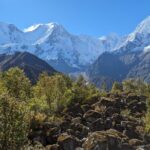
The trek line includes forests of rhododendron, pine, and oak earlier on the day, which is a nice contrast to the later, rockier terrain. You’ll also be surrounded by serious peak presence (Ama Dablam, Lobuche Peak, and other named summits appear in the description), and that’s part of why this day feels intense even before you hit Base Camp.
Expect an overnight lodge stay and a strong urge to sleep early.
Day 9: Lobuche to Gorakshep, then Everest Base Camp—an early, long day
This is the “leave early, walk all day” day. It takes more than 2 hours to reach Gorakshep from Lobuche, and the instruction is clear: start early morning, take hot drinks like tea or coffee, and leave your bigger bag behind so you can move lighter.
Then you do breakfast, take light food, and head to Everest Base Camp. The day is described as hard and long, around 8–10 hours total. After Base Camp, you return to Gorakshep and stay overnight at a lodge.
What makes this day feel like a real achievement isn’t just the destination—it’s the logistics discipline. Light pack, early start, and pacing with altitude in mind help you enjoy the walk rather than fight it.
Day 10: Kala Patthar sunrise (5,545m) and the return toward Pheriche/Pangboche
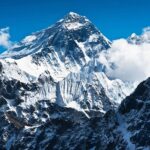
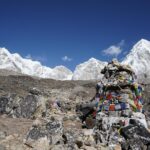
Early morning you hike to Kala Patthar, 5,545m. This is listed as the big sunrise and panoramic views day, with Everest and the broader Himalayan range in view when conditions cooperate. It’s one of those mornings where you’ll want to be ready with layers, gloves, and a steady head.
After you return for breakfast, the plan continues trekking toward Pheriche or Pangboche for the night. This shift matters: after the intense Base Camp day, you get a chance to breathe, regroup, and enjoy the descent rhythm without pretending your body isn’t adjusting to altitude.
Day 11: Pheriche/Pangboche to Namche via Hillary Suspension Bridge and Tengboche monastery
You leave Pheriche for Namche Bazaar after breakfast, starting early. The route goes toward the Hillary Suspension Bridge, then continues through local villages, and eventually reaches the old Buddhist Tengboche monastery area.
This day is described as an easy downhill walk taking about 7–8 hours, with more time for yaks and porters on the trail. It’s a good day for conversation, slow sightseeing, and noticing how the villages change as you go lower—less high-alpine austerity, more daily rhythm and church/monastery life.
Then you continue to Namche for an overnight lodge stay.
Day 12: Namche to Lukla—downhill walking and a finish line feeling
After breakfast you head from Namche toward Lukla. The day is easier in elevation terms—easy downhill—but the tradeoff is traffic: more yaks, more porters, and more foot traffic as people converge on the final flight window.
Before Lukla, you stop for light lunch. Once you arrive in Lukla, the trek ends and you warm up as a team to say goodbye to the porters waiting for the flight coordination.
This day can feel emotional even when you’re tired. You’ve been working toward this for a long time, and it’s the first time since early in the trek that your goal feels like paperwork and schedules instead of steps.
Day 13: fly Lukla to Kathmandu and take one night to reset
Your program drives you to the local airport of Lukla for the flight back to Kathmandu valley. It’s noted that flights can be hard to secure and there may be waiting because other people are trying to catch the same window—so you’ll want your timing organized and your patience switched on.
Once in Kathmandu, you explore and shop for souvenirs for family, then spend one night in Kathmandu valley. This is a practical reset day: laundry if needed, rehydrate, and make sure your legs get time that isn’t just “walking more.”
Day 14: transfer to the international airport for your departure
Your last day is straightforward: you’re dropped at the international airport by vehicle and you’re sent off. This is also the day to check your final packing, charging, and anything you may have left with your lodge systems along the way.
By this point, you’re not just returning home—you’re returning with a new sense of scale. Even when the views are cloudy, the trek itself changes how you experience distance.
Should you book this Everest Base Camp trek plan?
I’d book it if you want an Everest Base Camp trip that’s organized in the ways that actually protect your day-to-day comfort: domestic flights included, permits covered, licensed guide support, porter ratio built in, and lodge accommodations handled during the trek. If you’re looking for a “walk and breathe” approach—Namche and Dingboche acclimatization included—this fit makes sense.
I’d think twice if you hate uncertainty around flight timing, or if you require hotel-style comfort like hot showers and easy charging. Also, take the fitness requirement seriously: this is described as moderate and challenging, with high passes trekking style routes and long days around Base Camp.
If you do book, bring your most patient attitude for mountain logistics, and your most disciplined layers-and-water routine for altitude days.
FAQ
What is the duration of this Everest Base Camp trek?
The trek runs for about 14 days.
Where does the trip start and include any transfers?
It starts in Kathmandu, Nepal, with airport-to-hotel pickup and a final airport drop-off. Transfers in Kathmandu are by private car/van/bus.
Is the Kathmandu to Lukla flight included?
Yes. Both-way domestic air tickets for Kathmandu to Lukla and Lukla to Kathmandu are included.
Are trekking permits included?
Yes. Trekking permits include Sagarmatha National Park permits and local permits.
Do I get a guide and porter support?
Yes. You get a government licensed trekking guide and porters, with the note that it’s 1 porter for 2 people.
What kind of lodging is included on the trek?
You stay in lodge/tea houses during the trek, as included in the itinerary plan.
What meals are included during the trek?
Standard meals during the trek are included, along with cup of tea or coffee.
Are hot showers included?
No. Hot shower is listed as not included.
Is emergency helicopter help included?
An arrangement for emergency helicopter service is included in the sense that it will be paid for by your travel insurance company, but helicopter rescue itself is listed as not included.
Is free cancellation available?
Yes. You can cancel up to 24 hours in advance for a full refund. If you cancel less than 24 hours before the start time, it isn’t refunded.