REVIEW · MARRAKECH
3 Days Berber Villages Trek – Authentic Atlas Mountain Experience
Book on Viator →Operated by Morocco Tours Toubkal Trek · Bookable on Viator
A good mountain trek starts with a simple plan. This one links Imlil village hiking with real Berber guesthouse life and big mountain pass views you earn step by step. The setup also makes the days feel manageable: guided walking, meals covered, and a mule for extra luggage.
One thing to think about first: you’re doing multiple mountain climbs and passes, so you’ll want decent walking shoes and a willingness to move at a local pace, not a flat-ground stroll.
What I especially like is that you get private round-trip transportation from your Marrakech hotel and an English-speaking guide who can help you read the route and the rhythms of the villages. That combo matters when you’re heading into steep terrain where getting lost would be a bigger deal than it sounds.
In This Review
- Key highlights at a glance
- From Marrakech to Imlil: the smart way to start an Atlas trek
- Day 1: Tizi n’Tamaterte to Tizi Oussem, where the views feel earned
- Day 2: Ighouliden waterfalls and Tizi Mzik pass, then time to reset
- Day 3: Tizi n’Lbour pass to Ait Souka, ending back in Imlil
- Guides, mules, and meals: the “makes or breaks” details
- The $187.99 value: what you’re really paying for
- Timing, effort, and what the route says about your fitness
- What to pack for Atlas village trails (without overthinking it)
- Who this 3-day Berber villages trek is best for
- Should you book this 3-day Berber Villages Trek?
- FAQ
- What is the duration of the trek?
- Where does the trek start and finish?
- What is included in the price?
- Are meals included?
- Is pickup from Marrakech included?
- Is this tour private?
- Do I need to pay for admission tickets at stops?
- Do I need to tip the guide or driver?
- Can I cancel and get a full refund?
- Are service animals allowed?
- Is there a way to reduce how much I carry?
Key highlights at a glance
- Hotel pickup from Marrakech makes the start easy, not stressful
- Pass-to-village hiking with panoramic views at Tizi n’Tamaterte, Tizi Mzik, and Tizi n’Lbour
- Traditional Berber guesthouse stays with dinner and local hospitality
- All meals plus bottled water included during the trek days
- Mule support for luggage so you can hike with less weight
- A private group format so your schedule stays tighter and more personal
From Marrakech to Imlil: the smart way to start an Atlas trek
Your day begins in Marrakech with pickup from your accommodation around 8:00am. Then you ride up to Imlil, the starting point. This matters more than you might think. In the Atlas, access times can be inconsistent, and starting early gives you daylight for the steep parts and a smoother transition into village paths.
Once you arrive, you meet your local English-speaking guide and the muleteer, then you start hiking. The tour runs as a private group—only your group participates. That typically means fewer waiting games and more flexibility if your group moves a bit slower or faster.
From the start, the vibe is clear: this isn’t a quick photo circuit. It’s a trek that mixes walking with daily village life. That’s a big part of why this route is so popular for people who want mountains and culture in the same days.
You can also read our reviews of more tours and experiences in Marrakech.

Day 1: Tizi n’Tamaterte to Tizi Oussem, where the views feel earned
Day 1 is about getting your legs working and seeing the Atlas from a high angle.
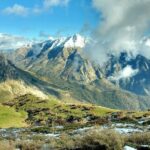
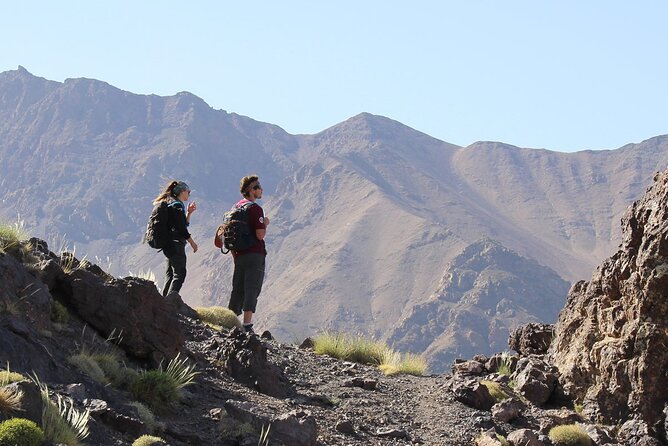
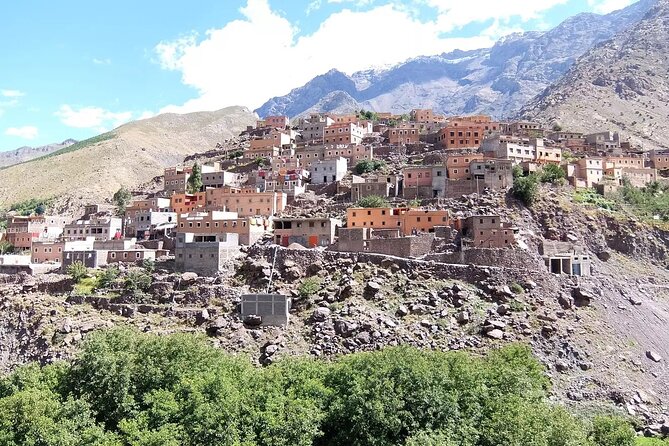
You hike up toward the Tizi n’Tamaterte pass. From there, you get wide panoramic views across the surrounding mountains—exactly the kind of perspective that makes you understand why people build villages where they do. When your thighs start complaining, your brain usually stops and says, yep, that’s the reason.
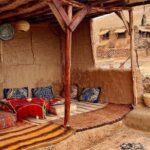
Then it’s downhill to Tizi Oussem, where you stay the night in a traditional guesthouse. You’ll have a delicious Berber dinner, and this is one of the best parts of the trip. Guesthouse dinners in the Atlas aren’t usually fancy, but they’re often generous and comforting after a long walk. The food is also repeatedly praised as delicious and abundant when the tour is well run.
A practical note: after a day like this, you’ll want to pace yourself on the last push toward the guesthouse. Descents can be harder on your feet than climbs, especially if you’re still fresh but your shoes aren’t broken in.
Day 2: Ighouliden waterfalls and Tizi Mzik pass, then time to reset
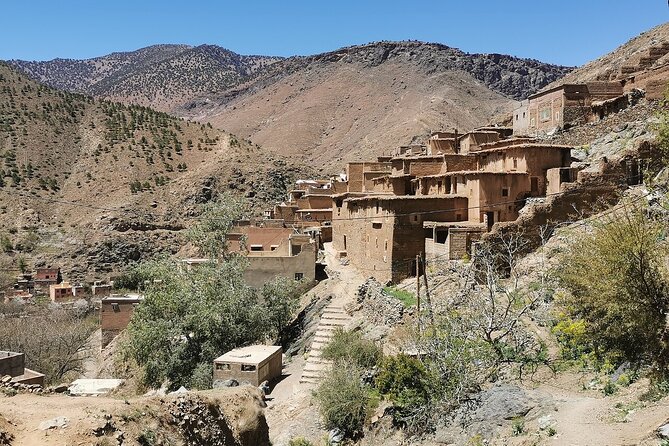
Day 2 adds two major experiences: waterfalls and another high pass.
After breakfast, you head to the Ighouliden waterfalls. Even when it’s not a dramatic movie-scene waterfall, it’s a welcome change of pace. Water brings cool air, sound, and a different kind of scenery you don’t get on ridge trails. It’s also a mental reset day, the kind where you can feel the trek shift from effort to wonder.
From there, you continue hiking up to Tizi Mzik pass for more incredible views. This is the second big elevation moment, so it’s a good day to keep your breathing steady rather than chasing speed. A calm pace helps you enjoy the views instead of just surviving them.
Then you descend back toward Tizi Oussem for lunch and some downtime. The tour doesn’t treat the afternoon like a forced march. You can explore the village or just relax at the guesthouse.
This downtime is underrated value. After two long walking segments, you’ll likely appreciate the chance to sit, drink mint tea, and let your muscles cool down. It also gives you time to ask questions about daily life—Berber farming, household routines, and how guesthouse hosting works.
Day 3: Tizi n’Lbour pass to Ait Souka, ending back in Imlil
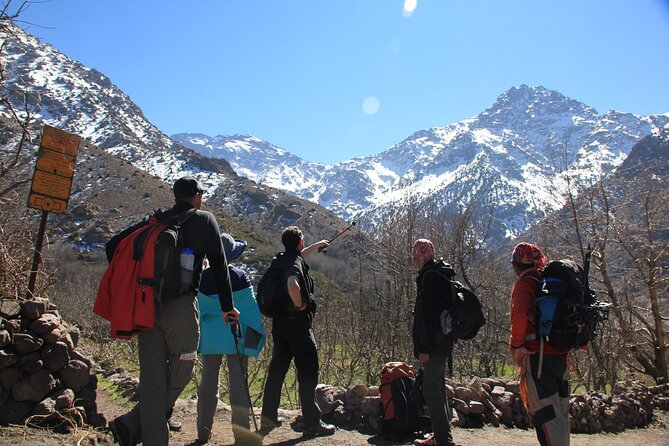
Day 3 is your final hiking day, with one last high viewpoint.
After breakfast, you begin your final climb toward Tizi n’Lbour pass. By this point, you’ll know how your body responds to altitude-like effort (even if you’re not at extreme heights). You’ll likely appreciate the rhythm your guide sets—small stops when you need them, steady walking when you’re okay.
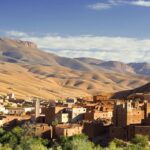
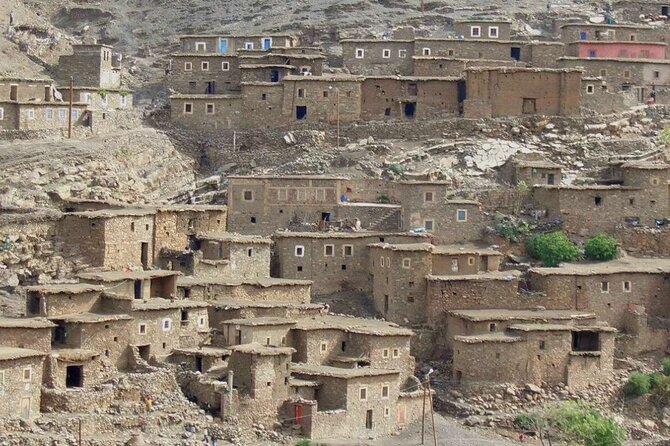
Then you descend into the village of Ait Souka. This is where the trek shifts from big mountain views back to daily village scenes. The path brings you from open ridges into more intimate spaces, and you’ll pass the kinds of sights you usually miss if you only visit cities.
Lunch is in Imlil, and then you meet your driver for the return to Marrakech in the late afternoon. That finish timing is helpful because you’re not stuck in limbo all day. You’ll get back with enough daylight left to eat well and plan a relaxed evening.
One more plus: the walk time on Day 3 is listed as shorter than Day 2, which often feels like a mercy after two prior days.
Guides, mules, and meals: the “makes or breaks” details
The route’s success depends on more than scenery. It depends on how smoothly the day runs.
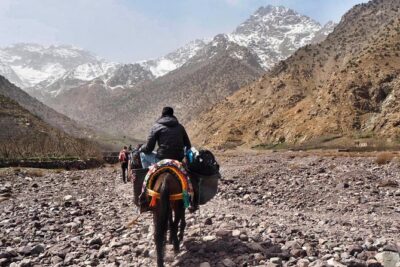
You’ll have a local English-speaking guide plus a mule to carry your luggage if necessary. That means you’re not hauling everything on your back for three days. For many people, that single change turns the trek from exhausting to doable—especially on the steep bits where every extra kilo turns into a lot of effort.
Meals are also handled well: breakfast (2), lunch (3), and dinner (2) are included, along with bottled water during the trek. You’re not constantly solving the food question mid-hike. That’s real value in the Atlas, where you might otherwise be stuck paying more or eating less predictable meals at roadside stops.
Guide quality comes through in the names that show up with the best experiences. For example, some groups are led by guides such as Mohammed, Ibrahim, Rachid, or Larabi. There’s also mention of a cook, Houssain, and the meals credited to the team. On another well-run trip, Abdou is specifically noted for quick communication and understanding what people want. The takeaway for you is simple: when the guide speaks English clearly and manages pacing, the trek feels smoother and more human.
The $187.99 value: what you’re really paying for
At $187.99 per person for a roughly 3-day trek, the price can look either like a deal or a mystery—until you see what’s inside the package.
This tour includes:
- private round-trip transportation from your Marrakech hotel
- an English-speaking guide
- all meals (breakfasts, lunches, dinners) and bottled water
- traditional guesthouse accommodation
- a mule for luggage if necessary
When transportation, lodging, and most meals are bundled, you stop paying the “hidden totals” that often hit you on independent trips. You also avoid the hassle of coordinating guides, food, and where to sleep. In the Atlas, that coordination is where time and money often vanish.
It’s also listed as admission ticket free for the scheduled stops. That’s helpful because you won’t be scrambling to figure out if you need to pay entry fees for viewpoints or villages along the route.
If you’re traveling with friends, the tour also notes group discounts. Ask ahead—this can make an already reasonable trek even better.
Timing, effort, and what the route says about your fitness
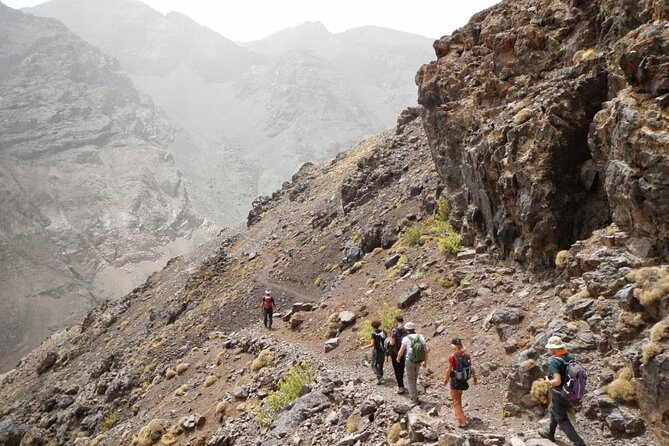
The walking isn’t just “up and down.” It’s a sequence of climbs to passes, then descents into villages.
Day 1 is paced at about 4 hours of hiking after the Marrakech-to-Imlil transfer. Day 2 is longer at about 6 hours, and Day 3 is listed at about 4 hours. That middle day is the one to treat with extra respect.
Also, passes in the Atlas don’t always feel like a straight line climb. Expect rocky steps, uneven footing, and sections where your legs burn even if you’re not moving fast. This is why good footwear matters more than anything else you bring.
The tour says most people can participate, which is reassuring. Still, you’ll get the best experience if you already walk comfortably for an hour at a time.
What to pack for Atlas village trails (without overthinking it)
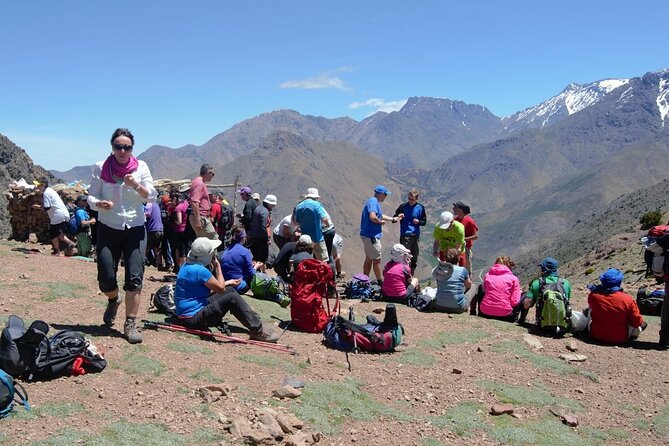
I don’t want you to turn this into a gear test. Just pack smart.
You’ll want:
- good hiking shoes with grip for rocky, uneven ground
- a daypack for water and snacks if you prefer extra calories
- a light layer for cooler pass mornings and evenings
- a simple rain option, since mountain weather can change fast
You can travel with less worry about luggage because of the mule support. That said, keep essentials on you. Your hands will thank you if you can manage your own water and comfort items during climbs.
Also plan for guesthouse living. You’ll be sleeping in traditional Berber houses, so bring patience and flexibility. The experience is about living close to the way people actually host in these villages—not about expecting hotel-style routines.
Who this 3-day Berber villages trek is best for
This trek fits best if you want:
- mountain passes and valley villages in just 3 days
- a tour that handles meals and lodging so your only job is to walk and enjoy
- a guide who can explain what you’re seeing and help you keep a steady pace
It’s also a strong choice for groups who like structure. The format is private, so you’re not stuck with a mixed group pace that doesn’t match yours.
If you want pure adventure with total DIY freedom, you might prefer a self-guided plan. But if you’d rather spend energy on views and conversation, this one is built for that.
Should you book this 3-day Berber Villages Trek?
Book it if you want a practical balance of big mountain views and real Berber village life, with your logistics handled: pickup from Marrakech, guiding, guesthouse nights, and meals covered.
Think twice if you’re expecting easy walking or zero climbs. This route includes multiple passes, so it’s not a stroll. If you’re comfortable walking for several hours and you bring solid footwear, you’ll likely find the days rewarding instead of brutal.
Also consider booking with confidence if your plans might shift. The tour offers free cancellation up to 24 hours before the start time.
If you want a 3-day Atlas experience that’s organized enough to feel stress-free but still feels like you’re in the mountains for the right reasons, this trek is a strong pick.
FAQ
What is the duration of the trek?
The trek is listed as 3 days (approx.).
Where does the trek start and finish?
The trek starts and finishes in Imlil, with the Marrakech drive at the beginning and end.
What is included in the price?
The package includes private round-trip transportation from your Marrakech hotel, a local English-speaking guide, all meals and bottled water during the trek, traditional Berber houses for accommodation, and lunch and dinner during the days of trekking, plus a mule to carry luggage if necessary.
Are meals included?
Yes. Breakfast is included (2), lunch is included (3), and dinner is included (2), along with bottled water during the trek.
Is pickup from Marrakech included?
Yes. Your driver picks you up from your accommodation in Marrakech at around 8 am.
Is this tour private?
Yes. Only your group will participate.
Do I need to pay for admission tickets at stops?
Admission tickets are listed as free.
Do I need to tip the guide or driver?
Tips and gratuities for the guide and driver are not included.
Can I cancel and get a full refund?
Yes. You can cancel up to 24 hours in advance of the experience for a full refund.
Are service animals allowed?
Yes, service animals are allowed.
Is there a way to reduce how much I carry?
Yes. A mule is available to carry your luggage if necessary.