REVIEW · KATHMANDU
Nepal Round Tour with Annapurna Trek 14 Days
Book on Viator →Operated by Sabbatical Explore Nepal (Social Tourism Nepal) · Bookable on Viator
A Himalayan trek plus real culture in one plan. This private 14-day tour balances seven days in the Annapurnas with time to see the Kathmandu Valley and Pokhara, so you get mountains and meaning. I also like that it’s customizable, which matters when you want your pace to match your body and interests. One consideration: Annapurna trekking is weather- and altitude-sensitive, so you’ll need moderate fitness and you should plan for schedule changes if conditions turn.
The overall setup is practical. You start with Kathmandu hotel comfort (3-star), switch to trek-focused lodging when you head into the mountains, and use included support like a city tour guide and a trekking guide. I’ve seen how helpful the planning can be, too—one traveler specifically credited Shiva for arranging transportation, guides, and even a porter. Still, it’s not a gear-provided deal, so you’ll want to show up ready to trek.
In This Review
- Key Highlights You’ll Feel Quickly
- Kathmandu First: Orientation, Spiritual Stops, and Real Neighborhood Life
- Pokhara Transfer by Domestic Flight: Less Travel, More Trek Time
- The Annapurna Trek (About 7 Days): Mountain Views, Village Life, and Guesthouse Living
- Trek Days Are Built Around Support: Guides, Meals, and the Missing Gear List
- Kathmandu Valley Return: Heritage Sites, Community Craft, and Buddhist/ Hindu Footsteps
- Value for $1,227.78: What’s Included vs. What You’ll Still Pay For
- Small Group, Big Control: Customization That Doesn’t Mean Chaos
- Fitness and Weather Reality Check for Annapurna
- Should You Book This 14-Day Annapurna + Nepal Highlights Tour?
- FAQ
- How long is the Nepal Round Tour with Annapurna Trek?
- Where does the tour start?
- Is the tour private, and what is the group size limit?
- What parts of the trip include trekking and what kind of accommodation is used?
- What meals are included?
- What is not included in the tour price?
Key Highlights You’ll Feel Quickly
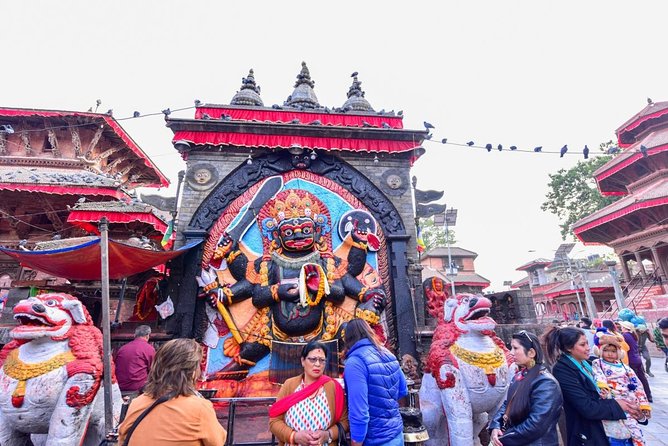
- Private planning with customization so your Kathmandu and trekking priorities can match your style
- Permits and national park fees included, which saves time and paperwork
- 7 days trekking in the Annapurna region with mountain guesthouse accommodation
- Domestic flight support to reduce overland travel time between Kathmandu and Pokhara
- Meal coverage during trek days (breakfast, lunch, dinner) so you don’t have to budget daily food on the route
- Small max group size (up to 15), keeping the experience easier to manage
Kathmandu First: Orientation, Spiritual Stops, and Real Neighborhood Life
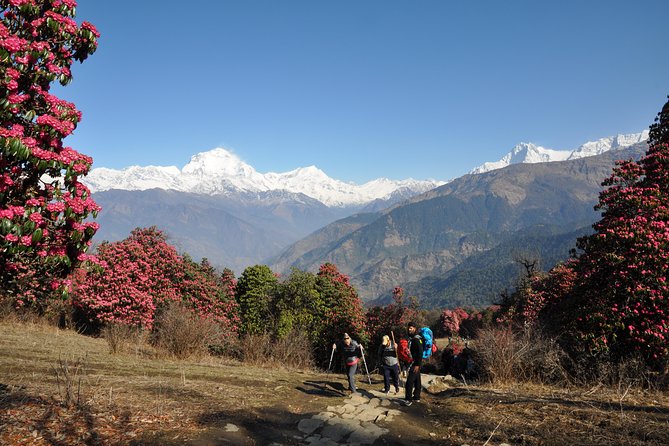
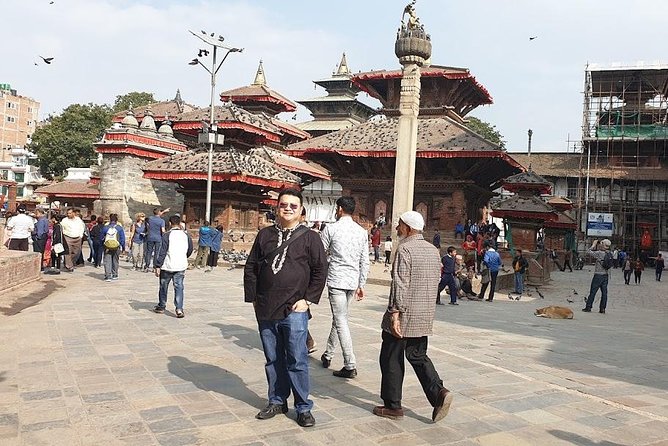
Kathmandu sets the tone right away. Even before you get anywhere near trailhead views, you’re getting the cultural “why” behind Nepal—temples, rituals, and everyday rhythms. This tour includes a city tour guide, and that matters because you’ll move faster and waste less time trying to figure out what connects to what.
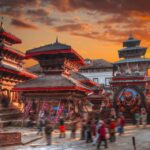
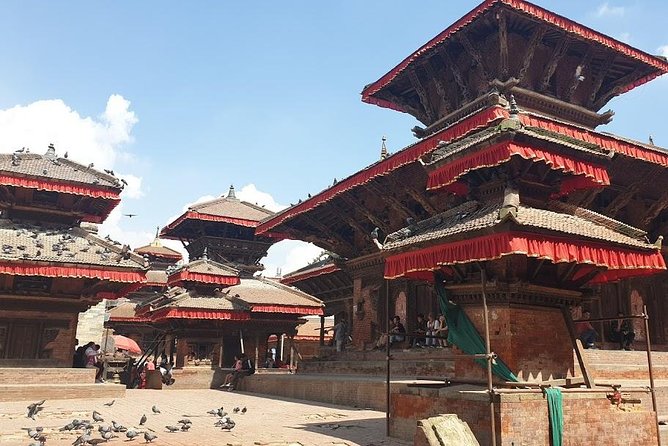
In experiences like this, people often end up seeing major spiritual landmarks and heritage areas in the Kathmandu Valley—sites such as Pashupatinath and the cremation center area, Buddhist stops like Boudha Stupa, and heritage squares linked to Patan and Bhaktapur culture. You also get a guided look at craft and community life, such as pottery work and the kind of hands-on local interaction that’s harder to find when you self-tour.
What I like for you here: Kathmandu is where your senses wake up. You’re not just checking boxes—you’re learning how faith, daily movement, and history show up in the same streets. A guide also helps you understand what you’re looking at, not just where to stand for a photo.
Possible drawback: Kathmandu can feel intense. Traffic, crowds near popular sites, and heat or air quality can wear you down. If you’re coming off a long flight, you’ll want to keep your first day light and save your energy for the trek. A good guide can help you pace it.
You can also read our reviews of more tours and experiences in Kathmandu.
Pokhara Transfer by Domestic Flight: Less Travel, More Trek Time
Pokhara is your stepping-stone. The tour includes domestic flight support to save time between Kathmandu and Pokhara, which is a big deal when you’ve only got 14 days total. Overland travel can eat an entire day (or more), and that’s time you’d rather spend acclimating or enjoying the quieter moments before the trek.
You also get 3-star hotel accommodation in Pokhara, which is a comfortable reset after Kathmandu’s more chaotic feel. That’s not just about comfort—it’s about recovery. Your body is about to spend days walking, so clean beds and reliable meals help you show up to the mountains in better shape.
What makes this valuable: getting to Pokhara efficiently helps you stay on the trek schedule. And if weather shifts, extra buffer time is useful.
Possible drawback: domestic flights can be weather-dependent. Even with a flight included, the day you transit may still shift if conditions require it. That’s normal in Nepal; just don’t plan any tight “must be somewhere by noon” activities on your own.
The Annapurna Trek (About 7 Days): Mountain Views, Village Life, and Guesthouse Living
This is the core of the trip: around seven days trekking in the Annapurna region. The tour includes trekking permits and national park fees, plus mountain guesthouse accommodation. On a trek like this, permits matter because they keep you legal and connected to the trail system. Guesthouse lodging is part of the rhythm here—you’ll sleep near the communities that support the trekking routes.
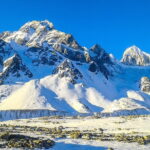
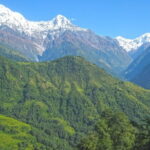
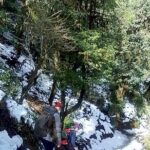
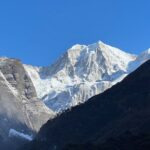
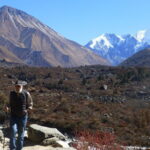
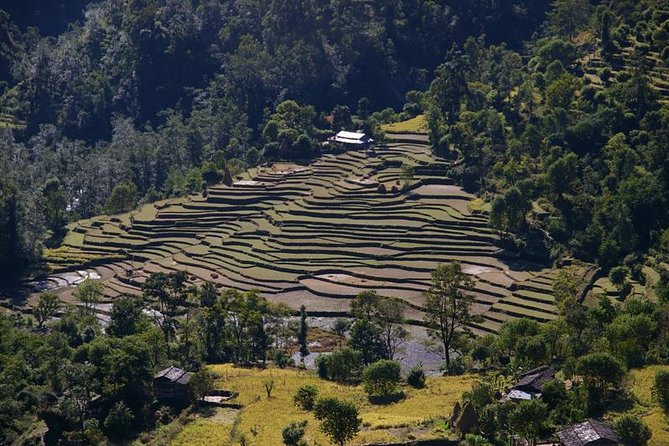
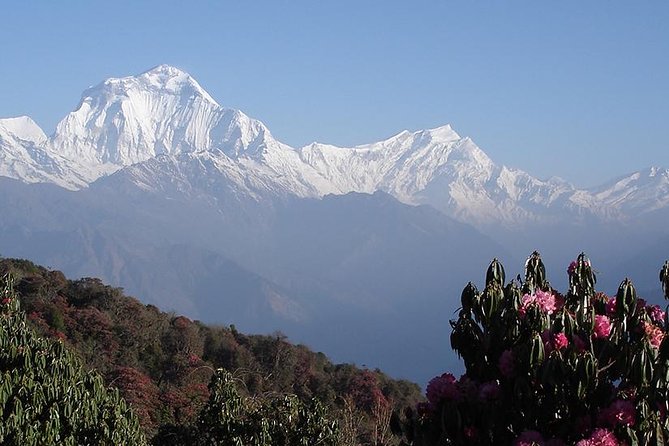
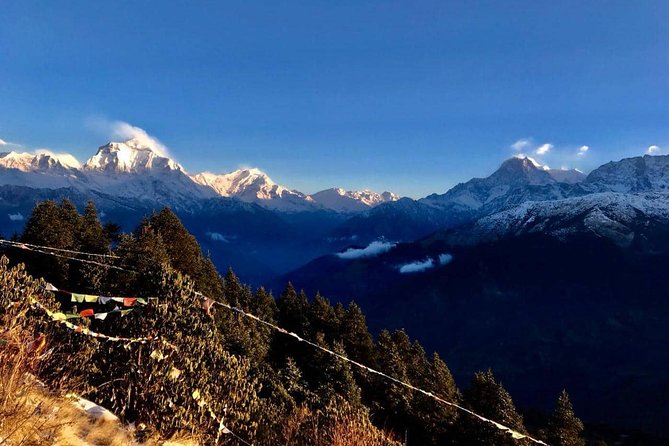
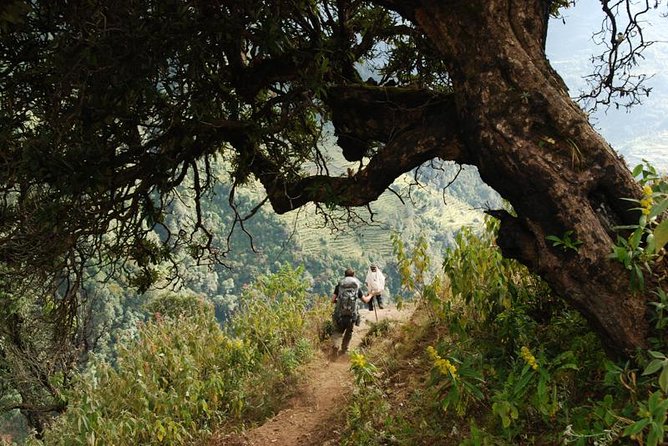
The trekking experience described in these plans focuses on quiet village life and world-class mountain scenery. You’ll be walking in a region known for steep cultural transitions—one moment you’re surrounded by terraced hillsides and local trails, the next you’re looking up at big Himalayan walls. It’s not just scenic; it’s also psychologically grounding. Slow walking gives your brain time to catch up.
One detail that stands out from real experiences: some treks include the Khopra Danda area as part of the Annapurna trekking plan. If your route includes that area, expect more focus on viewpoints and panoramic Himalayan views—great for photos, but also a reminder that you’ll be working for them.
What to expect on the trail:
- You’ll follow a structured plan with a trekking guide.
- Your lodging will be mountain guesthouses rather than hotels.
- Your days will be built around walking time plus meals, rest, and acclimatization needs.
Possible drawback: altitude and weather can change how you feel from one day to the next. Even if you’re “moderately fit,” the biggest challenge is often not fitness—it’s consistency, pace, and fatigue management. If you rush climbs early, you’ll feel it later.
Trek Days Are Built Around Support: Guides, Meals, and the Missing Gear List
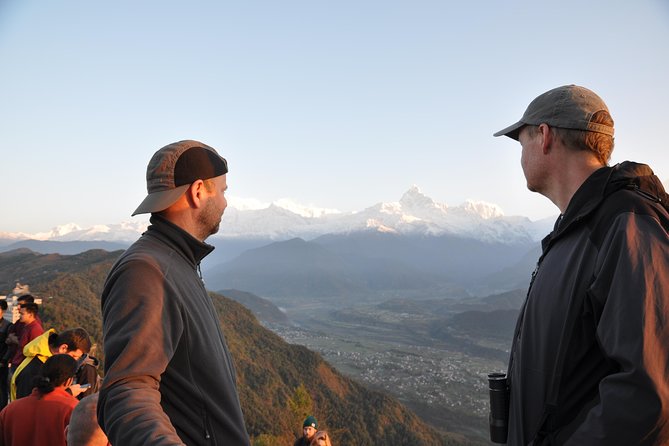
During trekking days, you get breakfast, lunch, and dinner included. That sounds simple, but it’s practical on an Annapurna trek. Food availability at elevation can vary, and when meals are arranged, you don’t spend each day negotiating what’s open and what’s safe to eat. It also lets your guide and route plan better around energy needs.
You also get a trekking guide included, and in real participant accounts, the support staff can include a porter. You’ll feel this difference when your pack weight becomes the deciding factor of how much you enjoy the hike. Even when you’re a strong walker, trekking with less carried burden usually makes the day more fun, not just more survivable.
Now, the not-so-fun part: trekking gears are not included. That’s not a small detail. The wrong shoes, a missing rain layer, or a lack of warm clothing can ruin your experience faster than poor views ever could. You’ll want to bring trekking-appropriate footwear, rain protection, and layers that work when temperatures drop at higher elevations.
My practical advice for you:
- Pack for cold mornings and unexpected rain, not just daytime warmth.
- Expect basic guesthouse amenities. Plan to recharge smartly.
- Bring what you need to stay comfortable for days, not hours.
Kathmandu Valley Return: Heritage Sites, Community Craft, and Buddhist/ Hindu Footsteps
After trekking, Kathmandu becomes part celebration, part decompression. You’ll likely revisit Kathmandu with time for cultural sights. City tour guiding is included, which helps you keep the storytelling straight—why certain sites matter, how the architecture connects to beliefs, and what to notice beyond the obvious.
In experiences like this, people mention stops tied to both Hindu and Buddhist traditions, including Pashupati-related areas, Boudha Stupa, and heritage stops in places like Patan Durbar Square and Bhaktapur. There’s also often time for craft and local interaction, such as pottery visits and meeting the people behind the work.
If you enjoy spiritual travel (not just sightseeing), this part is where Nepal feels most personal. Rituals aren’t a performance; they’re life happening around you. And because you’re returning after the trek, you’ll experience those sites differently—less like a list and more like a reset.
Possible drawback: you may still feel trek fatigue. If you’re the type who wants to sprint through days, slow down here. After mountains, your body deserves “normal pace” days.
Value for $1,227.78: What’s Included vs. What You’ll Still Pay For
Let’s talk money in plain terms.
At $1,227.78 per person for a 14-day private Nepal round tour, you’re paying for a bundle: hotels (3-star in Kathmandu and Pokhara), trekking guesthouse accommodation, a trekking guide plus a city tour guide, and key logistics like private transportation. You’re also paying for the permits and national park fees that would otherwise take time to arrange.
Food coverage is part of the value too. Breakfast is included throughout, and during trekking days you get breakfast, lunch, and dinner. That reduces day-to-day hassle and budgeting. You also get at least the Pokhara-to-Kathmandu flight ticket included, and the tour is designed around domestic flights to cut down travel time between the Kathmandu and Pokhara sections.
What’s not included is important: trekking gears, travel insurance, and tips to guides and driver. Those costs are on you, and they can add up. Travel insurance is one of those “you don’t think about it until you need it” items—especially for high-altitude trekking.
My balanced take on value:
This package feels like good value if you want planning handled, guided support, and permit coverage—without spending your time managing bookings and paperwork. If you already have trekking gear and are comfortable organizing logistics, you might compare cheaper DIY options. But the included guidance and permits are the big “cost saver” pieces.
Small Group, Big Control: Customization That Doesn’t Mean Chaos
This tour is private, and it also lists a maximum of 15 travelers. In practice, that usually means a quieter feel than mass group tourism. You’re more likely to get attention from your guides and more flexibility in how you pace sightseeing vs. trekking.
Customization is also explicitly part of the plan. That’s useful because “Annapurna trek” doesn’t mean one single walking style for everyone. Some people want shorter, calmer days. Others want more viewpoint energy. If your guide can adjust the plan around your preferences, you get a better fit for your body and interests.
There’s also evidence from participant experiences that planning coordination can be personal and responsive. One traveler credited Shiva as their trip planner and emphasized how transportation, accommodations, trekking guide, and porter arrangements were handled smoothly.
Possible drawback: customization can’t erase reality. Weather and trail conditions still govern what’s safe and feasible. Think of customization as “adjusting within constraints,” not rewriting geography.
Fitness and Weather Reality Check for Annapurna
The tour asks for moderate physical fitness. That doesn’t mean you need to be a mountain athlete—it means you should be comfortable walking for long periods and managing uneven terrain without falling apart.
Also, the experience requires good weather. If weather doesn’t cooperate, you’ll be offered a different date or a full refund. That’s rare in a lot of tour products, and it’s a meaningful safety net. Still, build your own flexibility into your schedule, because high-country travel doesn’t always run like a city bus.
What you can do to improve your odds:
- Train before you go: walking with a pack helps.
- Keep a slower pace than you think you need.
- Don’t treat altitude like a race.
Should You Book This 14-Day Annapurna + Nepal Highlights Tour?
If you want one trip that covers mountains plus major Nepal cultural stops, this is a strong fit. It’s especially good if you like the idea of having permits, guides, and trek-day meals handled so you can focus on walking, looking, and soaking up local life without constant logistics stress.
You should strongly consider booking if:
- You want a guided trek in the Annapurna region with permits included.
- You care about Kathmandu Valley heritage and not just the trail.
- You’d rather use domestic flights to protect your energy.
- You value a plan that can be customized to your pace.
You might rethink it if:
- You don’t yet have trekking gear and don’t want to buy or rent it.
- You’re looking for a fully low-impact vacation. Annapurna trekking is walking work.
- You hate schedule uncertainty. Weather can affect timing, especially around the trek.
If you’re okay with that reality and you want a well-supported Nepal experience, this package looks like a solid way to get both the Himalaya and the culture—without turning your trip into an Excel sheet.
FAQ
How long is the Nepal Round Tour with Annapurna Trek?
The tour is listed as 14 days approximately.
Where does the tour start?
The tour is based in Kathmandu, Nepal.
Is the tour private, and what is the group size limit?
It is a private tour, with a maximum of 15 travelers.
What parts of the trip include trekking and what kind of accommodation is used?
You’ll trek for about seven days in the Annapurna region, staying in mountain guesthouses during trekking.
What meals are included?
Breakfast is included, and during trekking days you also receive lunch and dinner.
What is not included in the tour price?
Trekking gears, travel insurance, and tips to guides and driver are not included.