REVIEW · LOMBOK
Rinjani Trekking 1 day Trek To the rim via senaru 2,642m
Book on Viator →Operated by Green Rinjani Trekking · Bookable on Viator
There’s nothing like Rinjani at dawn. This 1-day trek has you aiming for big light on the crater rim, with sweeping views over Segara Anak and an early start timed for morning conditions. What also makes it interesting is the Green Rinjani approach, where your hike supports reforestation by planting a tree on Mount Rinjani.
Two things I really like about this experience are the people and the pacing support. Guides such as Dhana and John come through as helpful on the trail, and they’re the kind of partners who explain what you’re seeing while keeping you moving. I also like that breakfast and lunch are included, which matters on a day trek where timing and energy can get tricky.
The main thing to consider is fitness and weather. The trek is listed for experience trekkers or people in good condition, and it depends on good weather, with an alternate date or full refund if conditions force a change.
In This Review
- Key highlights to know before you go
- A 1-day Mount Rinjani rim trek that actually fits real schedules
- Green Rinjani’s tree planting: the eco angle isn’t just marketing
- From Senaru to the rim: what the timing says about the hike
- The 06:00 crater rim moment and why Segara Anak pulls you in
- Guides, porters, and the small things that make the day smoother
- Food and fuel: breakfast, lunch, and why it matters more than you think
- Transportation and the value of not wrestling logistics
- Price and value: is $120 a fair deal for a 1-day Rinjani trek?
- Weather rules: why your day depends on conditions
- Who this trek suits best (and who might want a different plan)
- Before you go: practical packing and mindset for a rim sunrise trek
- Should you book this 1-day Senaru to rim trek with Green Rinjani?
- FAQ
- What time will we reach the crater rim?
- What’s included in the price?
- Is it a private tour?
- Do I need prior trekking experience?
- Is the trek dependent on weather?
- What does cancellation look like?
Key highlights to know before you go
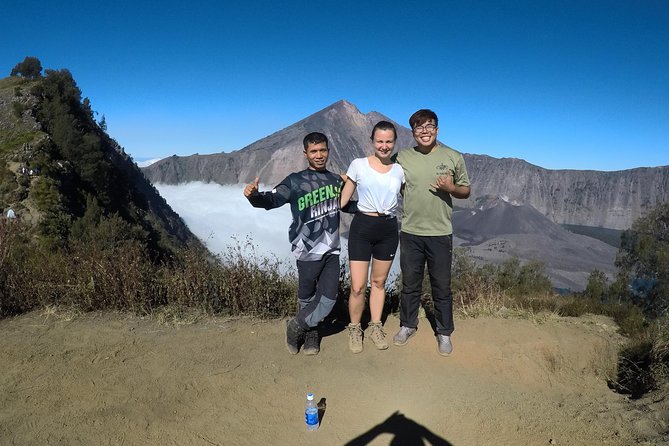
- Eco tree planting with Green Rinjani: your trek ties into a reforestation effort on Mount Rinjani.
- Senaru crater rim timing: you’re aiming to reach the rim around 06:00, right for morning views.
- 2,642m viewpoint: the rim sits around 2,642 meters, so your body will feel the altitude.
- Guide help that stays practical: names that come up include Dhana and John, often praised for support and communication.
- Food included: breakfast and lunch are part of the package, handled by the team and porters.
- Comfort at the rim (on some departures): some groups note a tent setup at the crater rim, which can make early hours more manageable.
A 1-day Mount Rinjani rim trek that actually fits real schedules
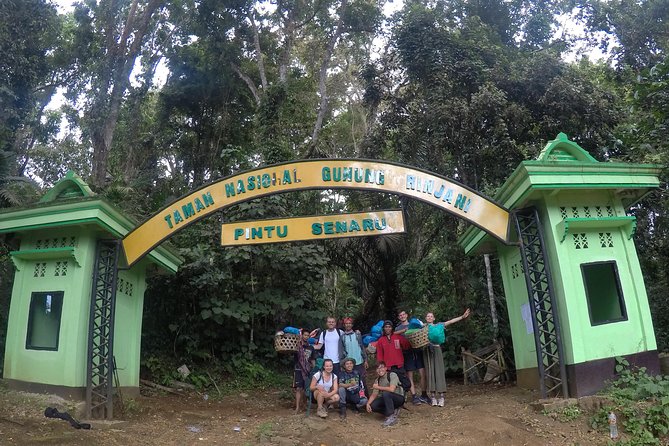
If you only have a short window in Lombok, a 1-day Mount Rinjani trek is one of the fastest ways to get to a proper high-mountain moment. This one is built around reaching the Senaru crater rim at roughly 06:00, which is the whole point: you’re there for the way the mountain looks when the light finally cuts through.
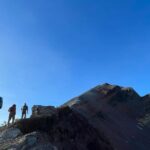
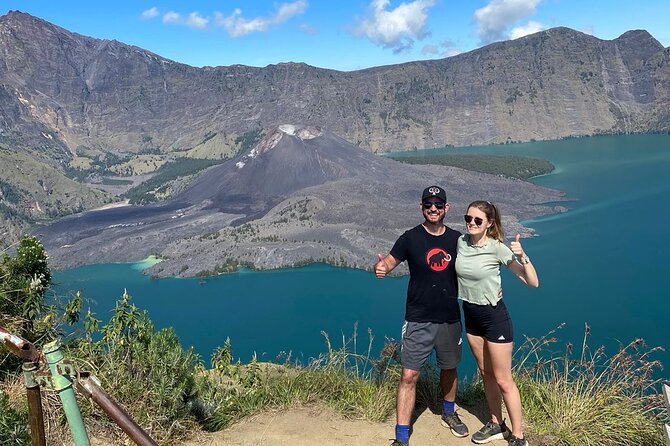
The route centers on Senaru and the rim viewpoint (around 2,642m). From there, the view over Segara Anak is the star, and it’s the kind of sight that gives your day trek a clear payoff even if you’re not spending multiple days in the backcountry.
And yes, this is an active day. You’re not strolling through scenic countryside; you’re doing a climb, and you’ll want to bring a realistic mindset—more hike than Instagram walk.
You can also read our reviews of more tours and experiences in Lombok.
Green Rinjani’s tree planting: the eco angle isn’t just marketing
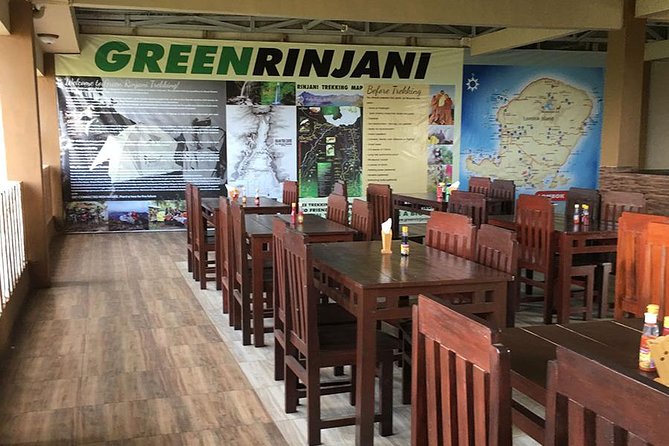
Green Rinjani frames their trips as eco-friendly, with a specific action: you join a trekking program that includes planting a tree on Mount Rinjani. That matters because it turns your ticket into more than a view and a photo. You’re participating in something intended for reforestation, which is especially relevant in an area that depends on long-term environmental care.
It also tends to shape how the trip feels on the ground. The company positions itself as locally owned and operated, and the emphasis is on using trained guides and porters, plus good equipment and eco-minded practices. You can’t measure ecological impact on a single hike, but it’s a useful signal that they’re thinking beyond just moving people from A to B.
If eco tourism is part of your travel criteria, this is one of those options where the mission has a tangible component.
From Senaru to the rim: what the timing says about the hike
This trek is scheduled to get you to the Senaru crater rim at around 06:00, so plan for an early start day. You’ll need to be ready to move efficiently, especially if you want to enjoy the view rather than just survive the climb.
The tour is described as suitable for experience trekkers or people in good condition. That isn’t meant to scare you off—it’s a heads-up. At this altitude and on this type of terrain, you’ll feel your pace matter. Slow is fine. Being consistently steady is better than forcing speed and burning out early.
You’re also doing this in a tight window. That changes how you should prepare. Bring water, move with intention, and avoid the temptation to stop every few minutes for photos if you’ll lose momentum. The rim is the goal, and getting there in time is what makes the sunrise plan work.
The 06:00 crater rim moment and why Segara Anak pulls you in
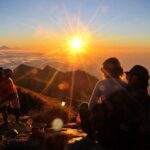
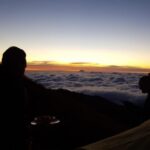
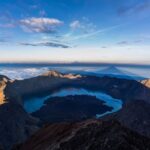
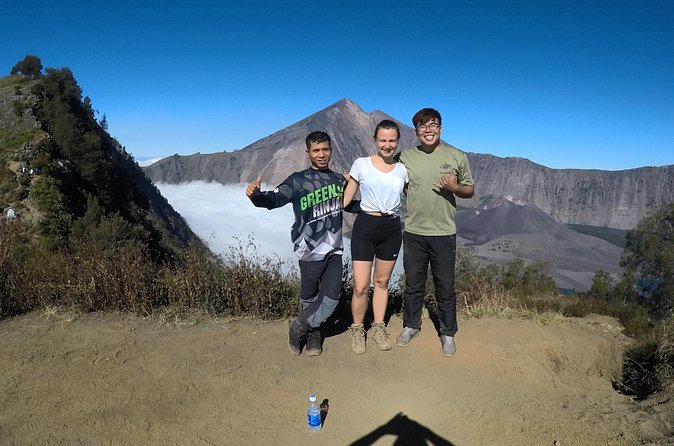
When you reach the crater rim near 06:00, that’s when the views become the reason the whole thing exists. Rinjani at sunrise has a way of making the mountain feel bigger than it does in daylight, and the rim location helps you see the drama of the crater.
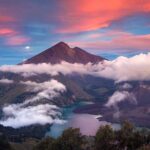
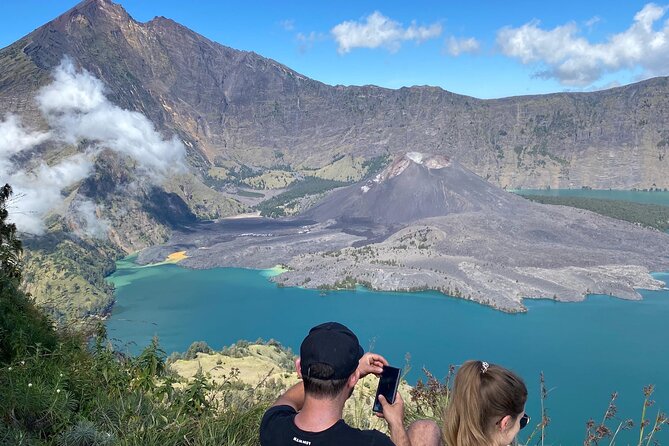
The highlight is Segara Anak, the lake visible from the rim. Even if you’ve seen crater lakes in photos, standing far up above it changes the scale. You’re also at a high point (about 2,642m), which can add crisp air and a sense of exposure—great for views, but it also means you’ll want layers.
One practical tip: treat the rim time like a small weather window. If clouds open, you’ll see it quickly. If the sky is stubborn, you’ll still get the crater geometry and the early-morning atmosphere. Either way, arriving at the planned time is the difference between a good view and a missed one.
Guides, porters, and the small things that make the day smoother
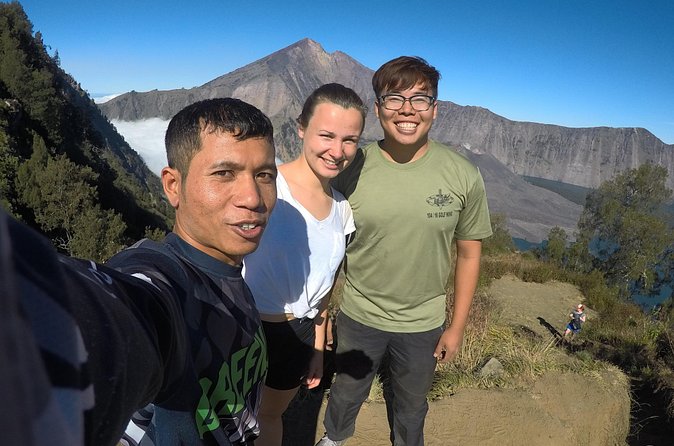
What often makes a volcano hike feel manageable is less about luck and more about how the team runs it. This is where the guide quality becomes a real value driver.
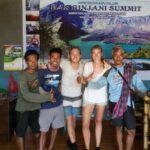
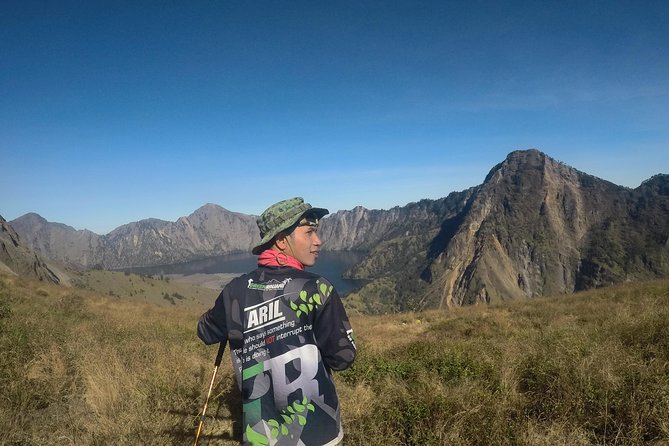
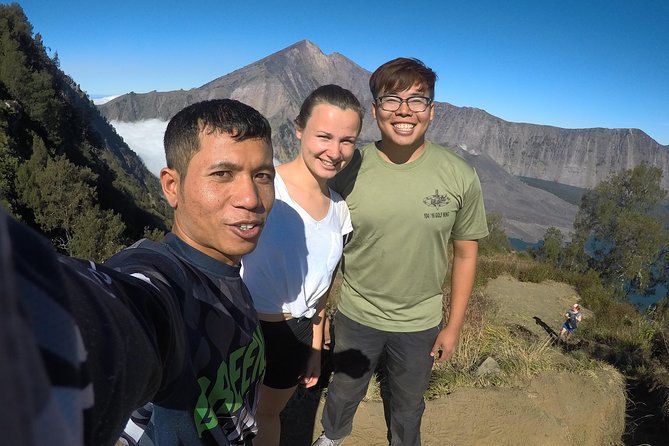
Names that show up include Dhana and John, both praised for being supportive and for explaining things while you’re on the move. That matters because the mountain can feel like hard work without context. When someone helps you interpret what you’re looking at, the hike turns into learning plus views, not just fatigue.
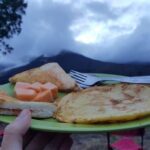
Porters also make a difference in day treks like this. The trip includes food, and porters are part of how that happens. Some groups specifically mention porters cooking a strong breakfast and handling the meal rhythm so the day doesn’t collapse into snack chaos.
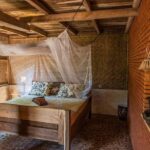
You’ll also want to pay attention to equipment quality. One highlight noted by some groups is a comfortable tent setup at the crater rim on certain departures. If that’s part of your group’s plan, it can be a lifesaver for dealing with early hours. Even if your exact timing differs, having decent gear and a team that knows how to set up makes the difference between rough and merely challenging.
Food and fuel: breakfast, lunch, and why it matters more than you think
For a 1-day trek, food isn’t a bonus. It’s part of your performance.
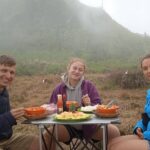
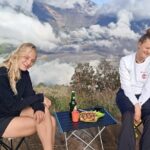
This experience includes breakfast and lunch, which is huge because you don’t have to carry everything yourself or guess whether you’ll find a meal later. Having breakfast before you start moving helps you avoid that shaky, low-energy feeling that can hit mid-climb.
It’s also worth noting that some groups describe porters preparing breakfast and lunch in a very satisfying way. That’s exactly what you want: fuel that’s more practical than gourmet, and enough to keep your legs working through the morning.
Practical move for you: eat what’s offered and don’t overthink it. If your stomach is sensitive at altitude, take smaller bites more slowly and drink steadily.
Transportation and the value of not wrestling logistics
This tour includes private transportation and offers pickup. That’s not glamorous, but it’s one of the easiest ways to protect your day.
When the goal is reaching the rim at a specific time, transport delays become your enemy. Having pickup and drop-off handled removes a lot of uncertainty, especially if you’re staying somewhere outside the immediate trail access zone.
It’s also described as near public transportation, which is a nice backup detail. But the main point is: you’re buying time and coordination as much as you’re buying the hike.
And the experience is set up as private, meaning it’s only your group. That can make the pace feel more natural, especially if you’re traveling with friends or family and you want fewer interruptions.
Price and value: is $120 a fair deal for a 1-day Rinjani trek?
At $120 for a 1-day trek, the price sits in the category where you’re paying for coordination, a guide team, and the difficulty of accessing high terrain in a protected environment.
Here’s what you’re getting that justifies the cost:
- Breakfast and lunch (so you’re not improvising food on a tight schedule)
- Private transportation and pickup (so you’re not managing time on your own)
- Guides and porters, plus trekking equipment support as part of how the trip is run
- A company with an eco program that includes tree planting
Where you should do your own math is what you’d otherwise pay to self-organize. In practice, trying to arrange guides, transport, and a safe plan for a short window can cost more than people expect—especially if you’re not local.
So is $120 cheap? Not exactly. But for a 1-day Mount Rinjani rim experience with food and transport built in, it’s a value-forward price—particularly if you want your day to feel organized instead of chaotic.
Weather rules: why your day depends on conditions
Rinjani trekking is weather-sensitive, and this experience is explicitly described as requiring good weather. If conditions aren’t suitable, the plan may be canceled and you’ll be offered a different date or a full refund.
This is not a fine-print detail. Sunrise and crater views only work when the sky behaves. Also, trails and early-morning visibility can shift quickly depending on clouds and wind.
Your best approach: book with flexibility in mind. If you’re trying to schedule this as your last day on Lombok, you’re taking on more risk. If you can, leave a little buffer time so a weather shift doesn’t derail your whole itinerary.
Who this trek suits best (and who might want a different plan)
This trek is described as appropriate for experience trekkers or people in good physical condition. That means it’s ideal if you:
- handle early mornings well
- hike regularly or have strong stamina
- can keep a steady pace uphill without constant breaks
It’s probably not ideal if you:
- get winded easily on climbs
- have limited hiking experience
- want an easy, leisurely walk
If you’re traveling as a family, you’ll want to be honest with your kids’ stamina and comfort with long uphill stretches. Some guides in the broader Rinjani ecosystem are used to adapting to different paces, but the core requirement remains: you need to be in good condition for the rim goal and the timing.
Before you go: practical packing and mindset for a rim sunrise trek
The tour data doesn’t list gear specifics, but you can prepare smartly for the conditions implied by a rim sunrise trek:
- Dress in layers. Early mornings up high can feel cold fast.
- Plan for a steady hike, not a sprint.
- Bring enough water and snacks for your personal needs, even though you’ll have breakfast and lunch included.
- Wear shoes with solid grip. Volcanic terrain can be uneven.
Mindset counts here. The most rewarding part of this trek is reaching the crater rim with time to look around. That means pacing for the long view, not just surviving the climb.
Should you book this 1-day Senaru to rim trek with Green Rinjani?
I’d book it if you want three things in one shot: a real Mount Rinjani view in a tight time window, support from guides and porters who know how to keep the day running, and an eco program tied to tree planting.
I’d think twice if you’re not confident in your fitness for a climb to a 2,642m rim and you don’t have flexibility for weather-driven date changes. Sunrise plans are brilliant, but they’re also conditional.
If your travel style is hands-on and you like your nature time active rather than passive, this one-day Rinjani rim trek makes a lot of sense.
FAQ
What time will we reach the crater rim?
You’re scheduled to reach the Senaru crater rim at around 06:00, which is timed for sunrise and morning views.
What’s included in the price?
The tour includes breakfast, lunch, and private transportation (with pickup offered).
Is it a private tour?
Yes. It’s described as a private tour/activity, so only your group participates.
Do I need prior trekking experience?
The trek is noted as applicable for experience trekkers or people who are in good condition and fit. It also says travelers should have a strong physical fitness level.
Is the trek dependent on weather?
Yes. The experience requires good weather. If it’s canceled due to poor weather, you’ll be offered a different date or a full refund.
What does cancellation look like?
Cancellation is free up to 24 hours in advance for a full refund. If you cancel less than 24 hours before the start time, the amount paid isn’t refunded.