REVIEW · POKHARA
5 Day Mardi Himal Base Camp Trek in Pokhara
Book on Viator →Operated by CAN Travels · Bookable on Viator
Five days, big mountain payback. This Mardi Himal Base Camp trek in Nepal’s Annapurna region is a tight schedule that still covers forest hiking and steep ridge-style moments, with eye-catching views of Machhapuchhre (Fishtail) and the wider Annapurna range.
What I like most is the English-speaking trekking guide and the way logistics are handled for you: pickup in Pokhara’s lakeside area, permits sorted, and guest-house stays arranged. Another win is how the route moves from rhododendron forests up toward higher camps, so the scenery keeps changing as the trek climbs.
One thing to think about before you book: you’ll pay extra for food and drinks (tea-house style), which is the most common budget surprise on short treks like this.
In This Review
- Key highlights worth planning around
- Why Mardi Himal Base Camp in five days is a smart choice from Pokhara
- Route map in real life: Kande to Australian Camp, then camp by camp
- Day 1: Kande to Australian Camp via forested hillside
- Day 2: Pitam Deurali to Low Camp
- Day 3: Low Camp to Middle Camp to High Camp
- Day 4: High Camp early to Mardi Himal Base Camp
- Day 5: Siding Village down to Lumre, then jeep back to Pokhara
- The real experience: rhododendron forests, shifting views, and villages along the way
- Guides and support with CAN Travels: what you should expect
- Price and logistics: is $230 worth it?
- What the day feels like: timing, guest houses, and the early start rhythm
- Trek difficulty and fitness level: moderate means what, exactly?
- Cultural contact that doesn’t feel forced
- Should you book this 5-day Mardi Himal Base Camp trek with CAN Travels?
- FAQ
- How long is the Mardi Himal Base Camp trek?
- Where is the trek located?
- Does this tour include hotel pickup and drop-off?
- Is there an English-speaking guide?
- Are trekking permits included?
- What kind of accommodation do I get on the trek?
- What is the start time?
- How do I travel to and from the trail areas?
- Is food included in the price?
- Can I get a full refund if I cancel?
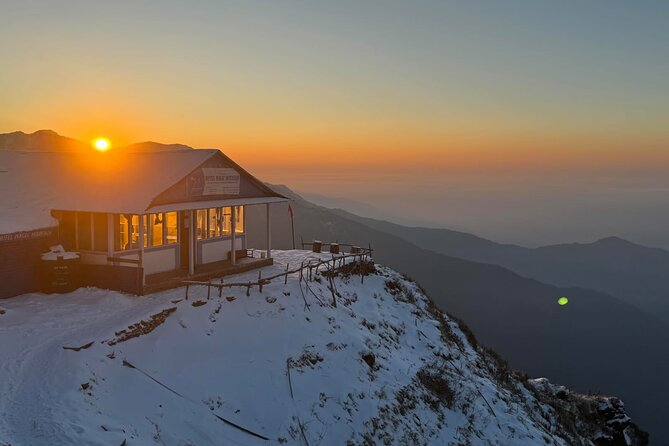
Key highlights worth planning around
- Pokhara lakeside pickup and drop-off keeps day one from feeling like a travel day inside a travel day
- Permits and official documents included means fewer forms to chase before you start hiking
- Rhododendron-and-oak camp hiking gives you a real sense of changing altitude and terrain
- Early starts toward base camp help you reach Mardi Himal Base Camp with the best chance for clear views
- Guest houses on the trek let you travel light and avoid searching for places to sleep
- Private tour setup means your group stays together on the trail
Why Mardi Himal Base Camp in five days is a smart choice from Pokhara
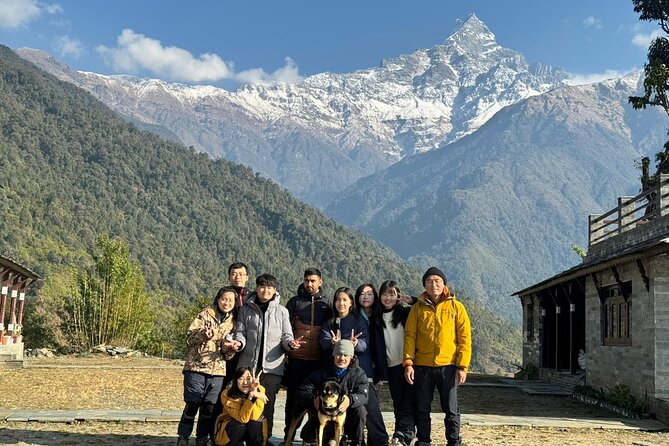
If you want Annapurna views without committing to a long, multi-week trek, Mardi Himal Base Camp is a strong fit. The plan is built around moving fairly quickly through distinct hiking zones: you start with trail access from Kande, then work through a series of camps (Low, High, and Middle), and finally push up to Mardi Himal Base Camp before descending to Lumre.
From a value standpoint, this matters. You’re paying for a guided route that’s already stitched together—transport to the trailhead, permits handled, and guest-house accommodation lined up. That turns the trip from a scavenger hunt into an actual trekking plan.
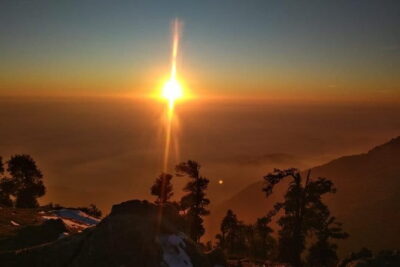
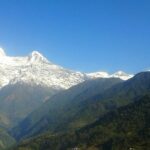
And the views are a big reason people do it. The Annapurna region is famous for peaks that feel close even when you’re not “at” them. On this trek you’re set up to see Machhapuchhre (Fishtail) plus broader scenes that include Annapurna South and Hiunchuli, especially as you climb out of the forest.
You can also read our reviews of more tours and experiences in Pokhara.
Route map in real life: Kande to Australian Camp, then camp by camp
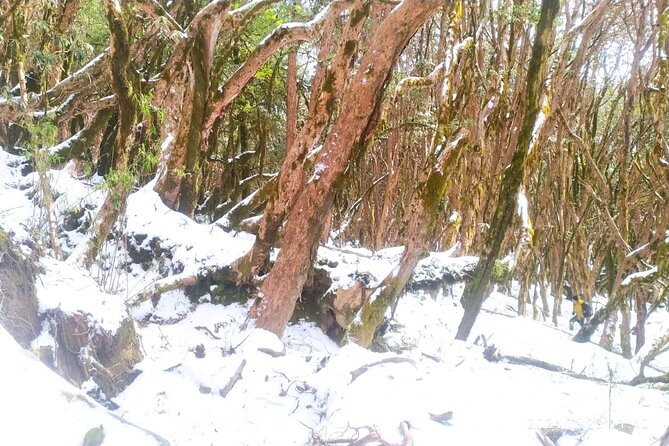
This trek runs like a sequence of climbs and regroup moments, which is great if you want structure.
Day 1: Kande to Australian Camp via forested hillside
Day one begins with a drive from Pokhara to Kande, then the trail starts right after. You hike along lush hillsides and through forest. The itinerary specifically notes reaching Australian Camp, which is the first real step into the trekking rhythm.
Practical take: day one is long enough to wake up your legs, but it’s paced so you’re not dropped into an immediate “wall” climb. It’s a good intro day before the camp-to-camp work starts.
Day 2: Pitam Deurali to Low Camp
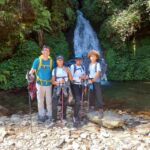
The second day has you moving from Pitam Deurali toward Low Camp, and it’s described as heading into dense forest with rhododendrons and other wildflowers. That detail isn’t just pretty wording—it affects your trek. Forest hiking usually means more shade, more stable footing (compared to bare ridges), and a cooler feel if the weather is warm.
Timing-wise, the day is about 6 hours, which you should treat as an honest hiking day, not a casual stroll.
Day 3: Low Camp to Middle Camp to High Camp
Day three climbs again. From Low Camp, you ascend toward High Camp, passing Middle Camp along the way. This section is described through oak and rhododendron forest, plus a tighter window where you reach Middle Camp in about 1 to 2 hours.
Practical take: this is the day where trekking starts to feel like trekking. The trail keeps going upward, and even if you’re stopping for tea breaks, you’ll feel it in the legs. Bring trekking poles if you use them. The itinerary also includes a private guide and a support setup, so you’re not navigating the route solo.
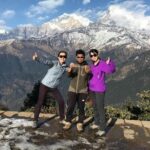
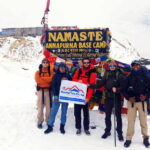
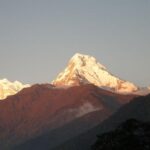
Day 4: High Camp early to Mardi Himal Base Camp
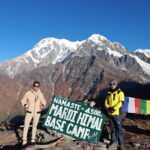
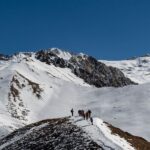
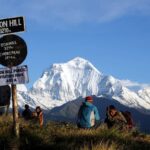
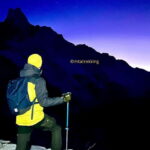
This is the show day. The plan calls for leaving High Camp early, then following a narrow, steep trail up to Mardi Himal Base Camp. Once you reach the base camp, you get that classic reward moment: big views with the Annapurna peaks in frame.
Practical take: the “narrow and steep” wording matters. This isn’t just about endurance. Your confidence on steep footing matters too—watch your steps, keep a steady pace, and don’t rush the ascent just because the view is tempting.
Day 5: Siding Village down to Lumre, then jeep back to Pokhara
The final day is descent plus transport. From Siding Village, you descend to Lumre, and the trek ends there. Then you ride a local jeep back to Pokhara.
That last-day setup is comfortable for most people because it prevents the classic problem of turning the final day into one more full hiking grind. You still hike, but you also know there’s a vehicle waiting at the finish.
The real experience: rhododendron forests, shifting views, and villages along the way
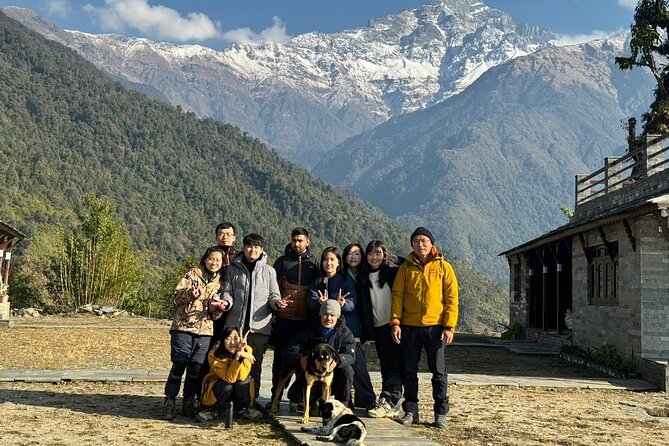
The Mardi Himal trek earns its reputation because it’s not one-note. You’re hiking through multiple “modes” of Nepal in a short time.
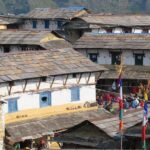
Early on, the trekking route is described as lush with rhododendron forests, and the flowers show up as you climb. Later, the trail takes on more exposed-feeling stretches as you move toward higher camps. You can also expect cultural contact along the way, including passing through Gurung and Magar villages and experiencing local hospitality and homemade meals.
What that means for you: this trek isn’t just about collecting peak photos. It’s about watching the trail change, seeing how village life fits into the trekking economy, and getting a sense of how people live where the mountains dominate daily life.
Also, the itinerary’s camp structure keeps you from feeling lost. With stops at Low, Middle, and High Camps, you’re not stuck trying to guess where you’ll end up each night.
Guides and support with CAN Travels: what you should expect
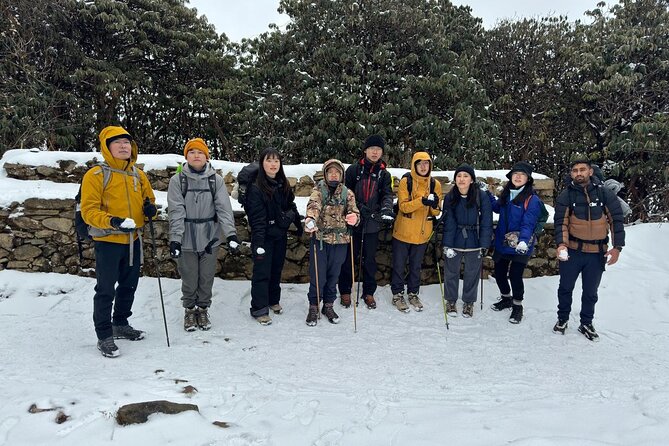
This trek is run as a private tour, which can make a difference if you don’t want to share your pacing with other groups. You also get an English-speaking trekking guide plus an emergency normal first aid kit carried by the guide.
From the way CAN Travels’ guides are described, the key is consistency: guides like Amrit, Biru, and Bikram show up in client feedback for being friendly, organized, and focused on getting you the best experience possible. That’s exactly what you want on a short trek—someone who can keep the day moving and still adjust to how your group is feeling.
Practical take: the itinerary includes private tour wording, but your experience will still depend on weather and your hiking pace. A solid guide helps you handle both without turning the day into a stressful scramble.
Price and logistics: is $230 worth it?

At $230 per person, the value here comes from what’s included. Your package covers:
- Hotel pickup and drop-off within the lakeside area in Pokhara
- Trekking permit and official documents
- Guest-house accommodation during the trek
- Pokhara to Kande transfer by sharing bus or jeep
- Lumre to Pokhara transfer by sharing bus or jeep
- A private tour with an English-speaking guide
- Emergency first aid kit with the guide
What’s not included is the part people feel most during the trek: food and drinks, available to purchase at about US$ 25 per person. That’s where budgeting comes in. On a multi-day trek, meals are daily, and short treks make that “extra” feel even more immediate.
My practical advice: treat the $230 as your base cost, then plan an additional buffer for tea-house meals. And remember gratuities are optional. If you liked the guide and the support, a tip is a normal way to show appreciation, but it’s not required by the package.
What the day feels like: timing, guest houses, and the early start rhythm

Your meeting point includes a start time listed as 12:15 am. That likely means an early pickup and drive out of Pokhara so you can begin trekking the same day. In other words: expect a long first day, even if the hiking itself starts after you reach Kande.
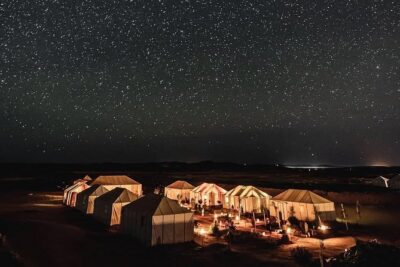
On trek nights, you stay in guest houses. That usually means simple rooms, basic comforts, and hot drinks whenever the tea-house is open. It also means you don’t need to carry sleeping gear. For many travelers, that’s a big quality-of-life win.
The transport pieces are also worth noting. You’re using sharing bus or jeep for transfers (Pokhara ↔ Kande and Lumre ↔ Pokhara). That keeps costs down, but it also means your schedule might be influenced by the shared route timing.
Trek difficulty and fitness level: moderate means what, exactly?
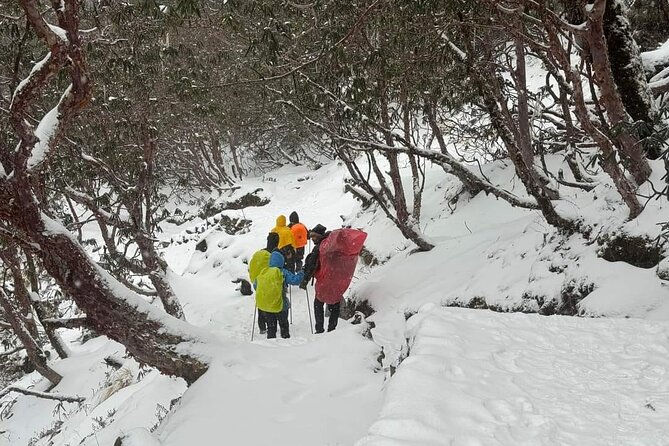
The trek is described as suitable for travelers with moderate physical fitness. That lines up with the itinerary’s structure: multiple days of trekking, several camp-to-camp ascents, and one day (base camp day) with a narrow, steep trail.
So how should you judge whether it fits you?
- If you can handle several hours of uphill walking on consecutive days, you’ll likely be fine.
- If you struggle on steep grades or uneven footing, you’ll need to slow down and use any support tools you have (trekking poles help).
- If you want a mostly flat walk, this isn’t that kind of trek.
Also, going higher in the Annapurna region is still weather-sensitive. You’ll get the best results when you dress for changing temperatures and keep water and snacks easy to access.
Cultural contact that doesn’t feel forced
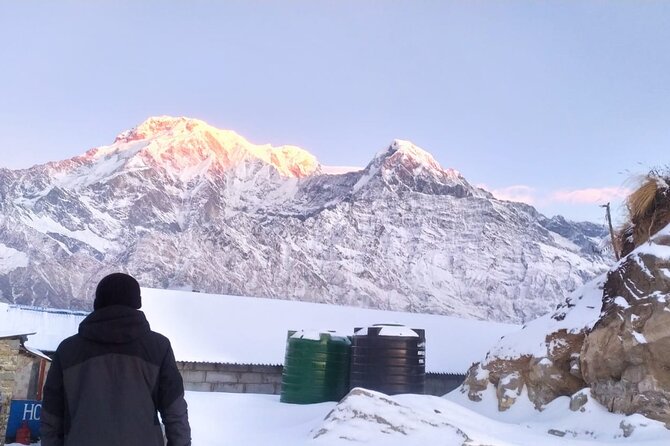
The overview notes that you’ll pass through Gurung and Magar villages, with chances to interact with locals and enjoy homemade meals. That’s one of the reasons I like this trek format. Even when you’re moving camp to camp, you’re not hiking through empty space.
Instead, you’re traveling through a living route—places where people understand trekkers, provide tea-house meals, and manage village life at the edge of the mountains.
This part is also practical. Cultural pauses give you more than photos. They can help you reset, hydrate, and learn what’s worth asking before you move on.
Should you book this 5-day Mardi Himal Base Camp trek with CAN Travels?
I’d book this trek if you want:
- Mardi Himal Base Camp without a long commitment
- A guided, organized plan with permits, guest houses, and transfers handled
- A route that mixes rhododendron forest hiking with higher, steeper moments
- Private tour comfort and the support of an English-speaking guide
I’d think twice if:
- You hate early mornings and long first-day travel energy (the start time is very early)
- You want meals fully included in the price (food and drinks are extra)
- You’re looking for an easy, low-slope hike rather than a true trekking route
If you do book, pack smart: comfortable layered clothes for changing conditions, a steady pace mindset for the steep base camp day, and a realistic budget for tea-house meals. Then you’ll get the short-trek payoff Mardi Himal is known for—peak views plus a proper taste of Nepal in just five days.
FAQ
How long is the Mardi Himal Base Camp trek?
The trek is listed as 5 days approximately.
Where is the trek located?
It’s in the Annapurna region near Pokhara, Nepal.
Does this tour include hotel pickup and drop-off?
Yes. Pickup and drop-off are included within the lakeside area of Pokhara.
Is there an English-speaking guide?
Yes. The tour includes an English-speaking trekking guide.
Are trekking permits included?
Yes. The trekking permit and all official documents are included.
What kind of accommodation do I get on the trek?
You stay in guest houses during the trek.
What is the start time?
The meeting point lists a start time of 12:15 am.
How do I travel to and from the trail areas?
Pokhara to Kande is by sharing bus or jeep, and Lumre to Pokhara is also by sharing bus or jeep.
Is food included in the price?
Food and drinks are not included. They are available to purchase, about US$ 25 per person.
Can I get a full refund if I cancel?
Yes. Cancellation is free, and you can cancel up to 24 hours in advance for a full refund. If you cancel less than 24 hours before the start time, the amount you paid will not be refunded.