REVIEW · GERO
Frozen fall trekking
Book on Viator →Operated by 216WORKS guide service office · Bookable on Viator
A frozen waterfall can make winter feel unreal. This snowshoe trek in Japan’s Hida-Osaka area turns the hike into shinrin-yoku, or forest bathing, and ends at a showstopper of blue ice. I love how the guide matches your route to your pace and experience, and I also love that the small group size keeps it personal. One thing to plan for: it’s built for people with a strong winter-walking fitness level, and your height/weight must fit the gear constraints.
The day is set up around a simple idea: walk deeper into the snow-capped forest, then stop long enough to actually look when that frozen waterfall appears. Expect cold, quiet air, fresh snow, and a big payoff at the end of the trail. Still, if weather turns rough, you may switch to another hike or adjust the plan, so go in ready to be flexible.
In This Review
- Key Things I’d Watch for Before You Go
- Hida-Osaka’s Frozen Waterfall: Why This Area Works in Winter
- Getting There: Where You Meet and How the Day Runs
- The Walking Plan: Snow-Capped Forest to Frozen Waterfall
- Start: Easy meetup and route matching
- Along the trail: forest bathing in real snow
- The turnaround point: time at the waterfall
- The Frozen Waterfall Moment: What to Expect When the Ice Appears
- Why the Guide-Selected Trek Changes Everything
- Gear, Equipment, and the Height/Weight Rules
- Lunch: What’s Available When You’re Off the Trail
- Price and Value: What You’re Really Paying for at $180.64
- Weather Reality Check: Good Conditions Make This Tour Shine
- Who Should Book This Frozen Waterfall Trek (and Who Might Skip It)
- Should You Book the Frozen Fall Trek to the Blue Ice Waterfall?
- FAQ
- Where do I meet the guide?
- How long is the Frozen fall trekking experience?
- How much does the tour cost?
- What’s included, and what isn’t?
- Is this a private tour?
- Are there height and weight requirements?
- What kind of lunch options are available?
Key Things I’d Watch for Before You Go
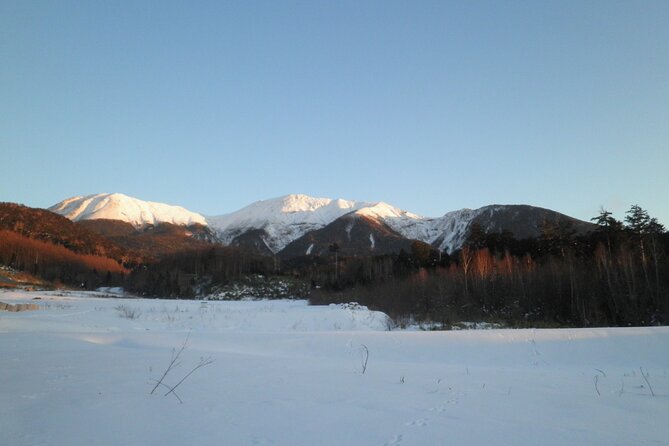
- A private-group feel (max 7 travelers): You’re not just shuffled along.
- Route picked for your skill level: Your guide chooses a trek that fits you.
- Forest bathing, not just exercise: You’ll slow down and take in the trees.
- A frozen waterfall made for photos: A tower of blue ice is the moment.
- Equipment included: You’re not figuring out winter gear on the fly.
- Real winter constraints: Height and weight rules apply, and fitness matters.
Hida-Osaka’s Frozen Waterfall: Why This Area Works in Winter
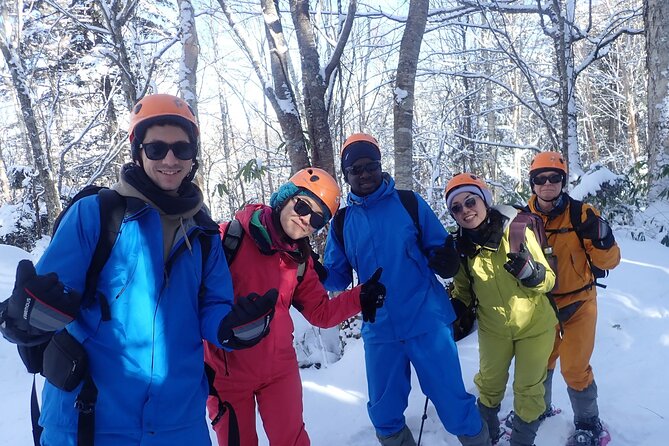
Gero and the broader Hida-Osaka region sit inside mountains and forest. In winter, that setting matters because you’re not hiking through a clearing or a city park. You’re walking under a dense, snow-capped canopy, where sound changes, light softens, and the air feels crisp in a way you don’t get in warmer seasons.
This tour leans hard into the Japanese practice of shinrin-yoku, often translated as forest bathing. The goal isn’t to “power through” the trail. It’s to slow your body down and let the forest do the work: quieter footsteps, a steadier breathing rhythm, and time spent noticing snow texture, tree shapes, and the way the frozen scene changes as you get closer.
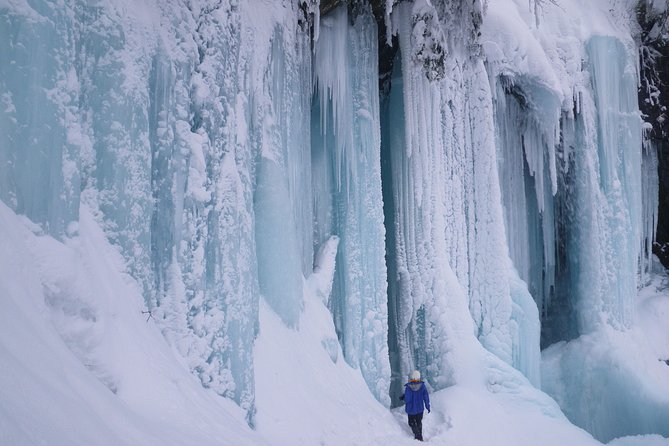
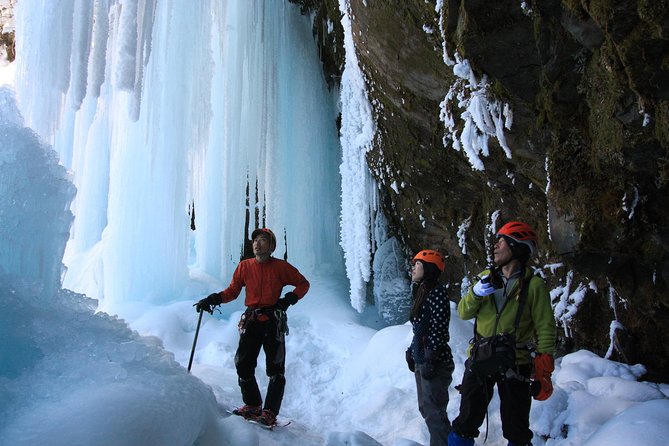
And yes, the end point is dramatic. You’re heading toward the frozen waterfall described as the most-admired in Hida-Osaka. Multiple guides and groups emphasize the same thing: the ice can look otherworldly, especially when it shows up as a tower of blue ice. That’s the kind of moment you remember later.
Getting There: Where You Meet and How the Day Runs
You meet your guide at Hida-Osaka Station for an easy start. From there, you’ll be guided to the route that matches your group and conditions. The activity also begins/ends back at the meeting point listed at the Waterfalls of Osaka Tour Secretariat in Gero (38-8 Osakachō Ochiai, Gero, Gifu 509-3111, Japan).
Timing is about an 8-hour day. That sounds long on paper, but in winter hiking, time expands: there’s travel, a slower pace in deep snow, breaks for instruction and viewpoints, and then enough sitting/standing at the waterfall so you can actually take it in.
In practical terms: I’d treat this as your main event day in the area. If you try to stack it with other activities, you’ll feel rushed. If you’re staying near Takayama or Gero, it’s also workable: the region is reachable from Takayama and Gero in about 40–50 minutes by train, bus, or car.
The Walking Plan: Snow-Capped Forest to Frozen Waterfall
The core structure is straightforward: walk through a dense winter forest, then reach a frozen waterfall. The details are what make it feel special.
Start: Easy meetup and route matching
Your guide picks a trek based on your skill level and needs. That matters more than it sounds. In deep winter conditions, the “right” route isn’t only about difficulty—it’s also about how long you’ll spend on certain surfaces and how often you’ll stop to regroup.
Along the trail: forest bathing in real snow
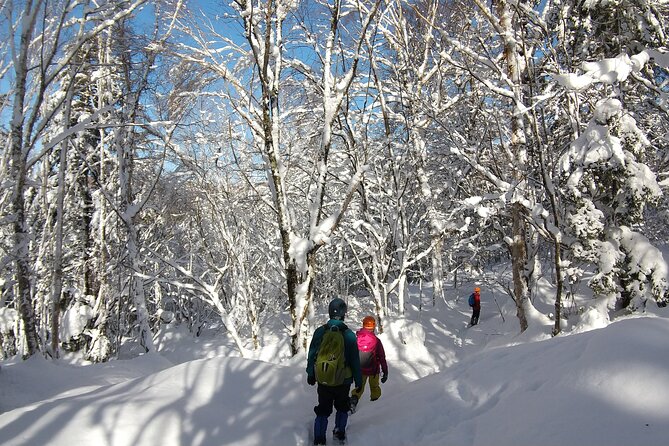
As you head deeper into the snow-covered woods, the tour leans into shinrin-yoku. You’ll likely get moments where you walk slower and look around rather than treat the hike like a checklist. In a place like this, that’s where the experience clicks: the forest feels close, the air feels clean, and the snow makes everything quieter.
One bonus here is that the tour’s not sold as a short walk to a quick viewpoint. It’s described as a trek that gives you real time near the frozen waterfall, so you’re not just “there and gone.”
The turnaround point: time at the waterfall
The frozen waterfall moment is the headline: giant blue ice appears in front of you, creating a tower-like view rather than a small trickle. The guide who knows the local area takes you there in all its beauty.
And in winter, the scenery isn’t just visually intense. It’s physically intense too: cold weather, bright snow reflection, and the need to move carefully. You’ll want to be ready for slow, steady walking even if the route is rated easy-to-moderate.
The Frozen Waterfall Moment: What to Expect When the Ice Appears
The frozen waterfall in Hida-Osaka is the part you’ll remember. It’s described as the most-admired waterfall in the area, and the tour emphasizes how you can soak in the scene once it shows up.
Here’s what I’d personally plan for at that stop:
- Time to look up and around. The “tower of blue ice” description tells you it’s not just flat scenery; it’s vertical and striking.
- Cold pause. Even if you’re warm enough from walking, the moment you stop, temperatures hit differently. This is why tour pacing tends to include breaks.
- Photo conditions. Bright snow can be blinding, so you’ll probably want sunglasses even on cloudy days. Your phone camera will do better if you wait for steadier light rather than trying to shoot while moving.
One review-style theme that shows up clearly: people call this the highlight of their trip, including those who went in around -12°C and still loved the trek. That doesn’t mean it’s comfortable—just that it’s memorable when conditions line up and you’re dressed for winter.
Why the Guide-Selected Trek Changes Everything
This is one of those tours where “private” isn’t just marketing language. The setup is limited to just your group, and the tour caps at a maximum of 7 travelers. In practice, that means:
- You’re more likely to get pacing that fits you.
- You can ask questions and get real explanations rather than quick instructions.
- You don’t feel like you’re on a production line.
The guide also handles the important winter variable: conditions. The tour notes it operates within gear specifications and requires good weather. It even says that if poor weather cancels the plan, you’ll be offered a different date or a full refund. Other situations can trigger a different hike recommendation, depending on conditions.
Guide names that come up from experience in the field include Reiko and Osamu, plus Jun in one account. When the guide speaks strong English and also connects with kids, that’s a sign the day is designed to be understandable and supportive, not just technical.
Gear, Equipment, and the Height/Weight Rules
The tour includes equipment and is guided by a professional guide. What matters for you is not only that equipment is provided, but that the tour has hard constraints so the hike stays safe and workable.
You must be:
- Taller than 140 cm (4’7”)
- Shorter than 190 cm (6’2”)
- Weigh less than 90 kg (198 lbs)
- Also have a strong physical fitness level
Those limits aren’t meant to be picky. They usually exist because winter hiking equipment (like footwear fit and snow gear) must match the person. If you’re near the edges of these ranges, I’d treat the requirements as part of the experience quality, not a hurdle.
Also, because this is snowshoe-style trekking in deep snow conditions (people specifically mention snow shoes in accounts), you should plan for:
- Slower movement than in summer hiking
- Extra effort on climbs or uneven snow
- Cold hands and face if you don’t protect yourself
If you want an easy winter walk, this is probably not the best match. If you want an active winter outing with a big payoff, it fits well.
Lunch: What’s Available When You’re Off the Trail
Lunch is not included. That’s important for planning because you’ll be outside for about 8 hours, and winter appetite can surprise you.
There is an optional option: bread and hot soup lunch. If you’re sensitive to cold or you burn energy quickly, it’s worth considering the hot soup option so you get something warm without needing to hunt for food nearby.
Practical move: even if you choose not to buy the optional lunch, plan to carry something small for energy and warmth, like a snack that won’t freeze into a rock. The tour itself doesn’t promise that, so don’t count on extra meals.
Price and Value: What You’re Really Paying for at $180.64
At $180.64 per person, this isn’t a budget add-on. But winter hikes usually aren’t, because you’re paying for more than walking time:
- A professional guide
- Equipment
- Winter logistics around deep snow conditions
- A route that’s customized to your skill level
- A small group size (max 7) that supports pacing and attention
- Time spent at the frozen waterfall, which is the core value point
So where the value lands is this: you’re not just buying a scenic stop. You’re buying the chance to get to a specific winter target safely and comfortably, with someone who knows the area and can adjust based on what the snow and ice are doing.
If you’re the type who prefers experiences where someone plans the route and handles the winter variables, this price starts to look fair. If you’d rather do winter walking independently, you’d need to consider the cost and hassle of getting proper gear and knowing where to go.
Weather Reality Check: Good Conditions Make This Tour Shine
This experience requires good weather. If it’s canceled due to poor weather, you’ll be offered a different date or a full refund.
In winter, you should also expect that conditions can shift the plan. One account notes that when weather made the originally booked frozen waterfall hike change, the agency recommended another hike and the switch worked out well. That’s a good sign: you’re not stuck with only one idea; you’re guided toward the best workable alternative.
So I’d treat this as a plan that works best when you’re flexible:
- Pick your date when snow is most likely to be present.
- Keep your schedule open enough to handle a small change.
- Bring the attitude that the forest will be different each day.
Who Should Book This Frozen Waterfall Trek (and Who Might Skip It)
This tour is a strong fit if you:
- Want a winter experience that’s more than sightseeing
- Like guided time in nature, including shinrin-yoku-style slow walking
- Enjoy snowshoe-style trekking (or want to try it with support)
- Are comfortable committing to a full half-day to full-day winter activity (about 8 hours)
- Prefer a smaller group, with route adjustment to your fitness and experience
It also works for families in some cases. One group account describes a family from Australia with kids aged 13, 12, 10, and 8 having a great time. That doesn’t mean every family with younger kids will find it easy, especially with the height/weight requirements and strong fitness expectation. But it does show the experience can be friendly when conditions and abilities align.
I’d skip it if:
- You want a short, casual walk with minimal cold exposure
- You don’t meet the height/weight constraints
- You’re not comfortable with winter walking effort and careful footing
Should You Book the Frozen Fall Trek to the Blue Ice Waterfall?
If you want the best kind of winter memory—the kind with real cold, quiet forest, and a payoff you can’t fake—this tour makes sense. The biggest strengths are the small-group feel, the guide’s route matching, and the fact that you spend time at the frozen waterfall rather than treating it like a quick stop.
Book it if you’re excited about winter walking and you’re ready to dress for deep cold. Pass if you’re hoping for a gentle stroll or if you’d feel frustrated by winter weather changing details.
If you can meet the height/weight rules and you’re physically game, this is one of the more “Japan in winter” options in the Gero and Hida-Osaka orbit.
FAQ
Where do I meet the guide?
You meet your guide at Hida-Osaka Station. The tour also starts and ends back at the meeting point listed as the Waterfalls of Osaka Tour Secretariat in Gero.
How long is the Frozen fall trekking experience?
It runs for about 8 hours.
How much does the tour cost?
The price is $180.64 per person.
What’s included, and what isn’t?
Included: a professional guide and equipment. Not included: lunch (though bread and hot soup lunch are available optionally).
Is this a private tour?
It’s limited to just your group with a maximum of 7 travelers.
Are there height and weight requirements?
Yes. You must be between 140 cm and 190 cm tall and weigh less than 90 kg.
What kind of lunch options are available?
Lunch is not included by default. An optional bread and hot soup lunch is available.
If you tell me your travel month and whether you’ll be coming from Takayama or staying in Gero, I can help you pick the best day and plan a smooth timing around this 8-hour trek.