REVIEW · KATHMANDU
Ghorepani Poon Hill Sunrise Trek
Book on Viator →Operated by View Nepal Treks and Expedition · Bookable on Viator
Cold dawns, big views, and a simple plan. This Ghorepani Poon Hill Sunrise Trek shines for sunrise at Poon Hill and for the wide 360° mountain views from the ridge walk. One thing to plan for: you’ll start very early, and the temperature swings can feel serious once you climb into the cooler zones.
I like that this is a moderate, story-filled walk that mixes scenery with culture—Gurung and Poon-Magar villages, plus time in rhododendron-pine-oak-fir forests under tall Himalayan walls. You’ll also get a professional, English-speaking guide, and the vibe sounds human and practical, with guides like Sonam, Kumar Adhikari, Narayan, Pemba Sherpa, Ram, and Bikash showing up in the company’s orbit for patient explanations and good day-to-day care.
You’re paying for more than miles. At $799 per person, the value comes from logistics (transfers, permits, guide, and meals on the trek) plus the kind of planning that helps you not waste energy figuring things out. Still, it’s not a walk for people who want zero discomfort—tea-house trekking means basic rooms, cold mornings, and the occasional muddy trail moment.
In This Review
- Key highlights you’ll feel on the trail
- Poon Hill sunrise: the whole point, planned for you
- The route’s real trick: altitude changes you can feel
- Kathmandu and Pokhara: the setup that protects your energy
- Day-by-day: what you’ll actually do (and what to watch for)
- Day 1: Arrive in Kathmandu, then settle in
- Day 2: Kathmandu to Pokhara—travel with less friction
- Day 3: Nayapul to Tirkhedhunga
- Day 4: Tirkhedhunga to Ghorepani (the climb day)
- Day 5: Poon Hill at sunrise, then down toward Ghandruk
- Day 6: Trek to Nayapul, then back to Pokhara
- Day 7: Return to Kathmandu, free afternoon
- Day 8: International departure
- Tea houses, meals, and why the lodge part matters
- Permits and transport: what you’re paying for with $799
- Guides: the difference between hiking and learning
- Weather and timing: how to think about sunrise odds
- Who should book this trek—and who should reconsider
- Should you book this Ghorepani Poon Hill Sunrise Trek?
- FAQ
- How long is the Ghorepani Poon Hill Sunrise Trek?
- Where does the trek start and end?
- What time does the experience start?
- Is this a private tour?
- Do I get an English-speaking guide?
- What kind of accommodation is included?
- What meals are included during the trek?
- What permits are covered?
- What isn’t included in the price?
- Can I cancel for a refund?
Key highlights you’ll feel on the trail
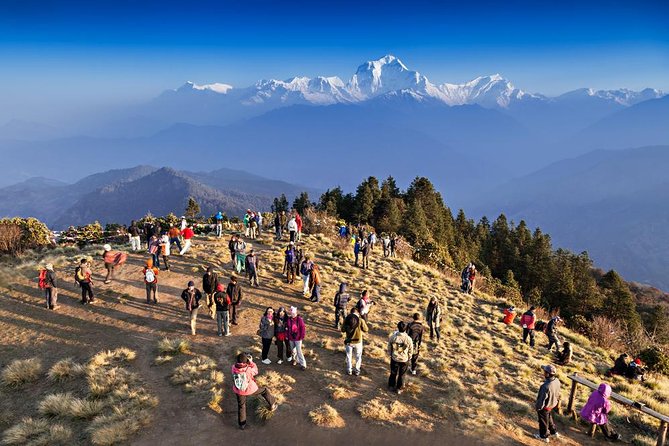
- Poon Hill sunrise timing: a real pre-dawn hike for one of Nepal’s easiest-to-do big-view moments
- 360° ridge views: a wide-angle feeling that’s different from postcard “just one mountain” shots
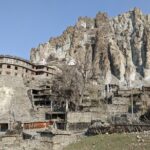
- Village walking with Gurung and Poon-Magar culture: you don’t just pass through—this trek threads through communities
- Rhododendron to alpine feel: you’ll notice the temperature change as you gain altitude
- Trans-Himalayan caravan route views: you get context for the older trade routes across Nepal and Tibet
- Guide support that people remember by name: Sonam, Kumar Adhikari, Narayan, Pemba Sherpa, Ram, and Bikash show up as examples of the guides used
Poon Hill sunrise: the whole point, planned for you
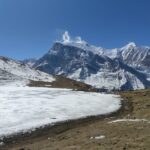
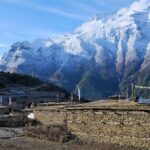
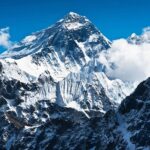
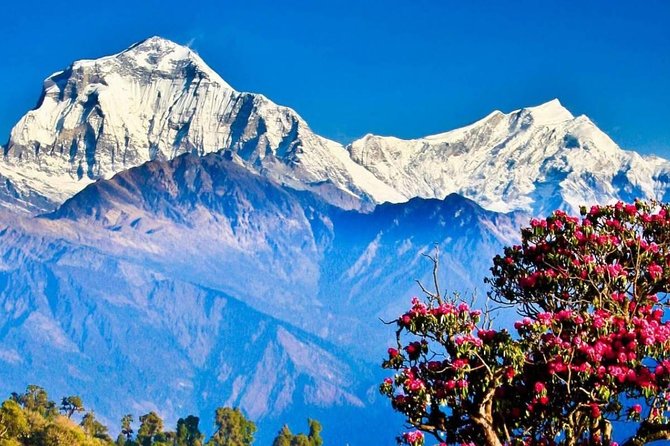
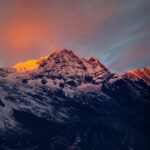
Poon Hill is the kind of goal that makes the early wake-up feel worth it. The trek is built around getting you into position for sunrise views over the chain of the highest mountains—the show happens as the light spreads across the Annapurna region.
What matters is not just the view, but the rhythm. You’re hiking before most people are fully awake, which means less waiting around in town and more time focused on the sky. The experience starts early (the listed start time is 6:15 am), so expect a fast morning routine, especially on day 5 when the Poon Hill hike happens.
Now, about expectations: sunrise is weather-dependent. When skies cooperate, it’s dramatic and wide. If clouds hang around, you may still get a strong mountain backdrop, but the “wow” factor depends on visibility. This is where having a structured, guide-led plan helps—you’re not improvising in the dark with unclear timing.
You can also read our reviews of more tours and experiences in Kathmandu.

The route’s real trick: altitude changes you can feel
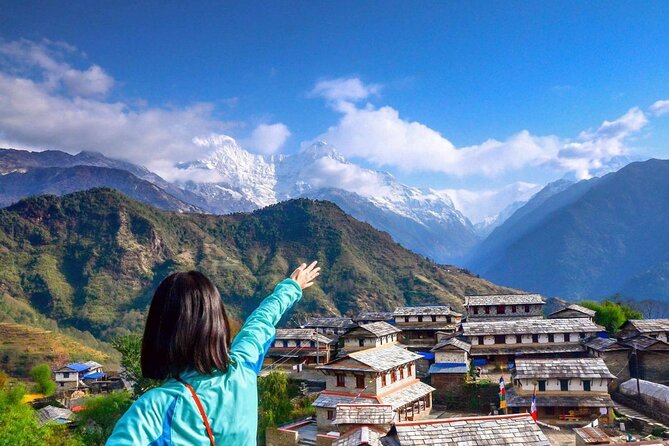
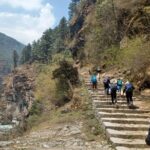
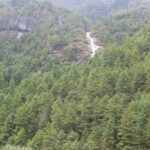
The Ghorepani Poon Hill trekking style is short enough for many people, but it still delivers a true sense of Nepal’s altitude drama. You go from low semi-tropical areas (with terrace farming and paddy farmland) toward cooler zones as you climb into areas under tall trees like rhododendron, pine, magnolia, oak, and fir.
That shift is why this trek works as more than a “walk to a viewpoint.” The terrain and temperature tell the story of the Annapurna region. Even if you’ve hiked before, you’ll feel the air change, and you’ll notice how the forest and vegetation line up with the elevation.
There’s also a cultural layer. You’re visiting traditional Gurung / Poon-Magar villages and you get views tied to an older Trans-Himalayan Caravan route linking Nepal and Tibet. When you hear the context from your guide, the walking feels less like moving through space and more like moving through time.
Kathmandu and Pokhara: the setup that protects your energy
This trip is paced to avoid the classic problem of arriving in Nepal and trying to start a trek the next day with zero recovery. You arrive in Kathmandu and transfer to a tourist-standard hotel. Then you move to Pokhara, which is the launchpad for most treks in this region.
For the Kathmandu-to-Pokhara leg, the plan is clearly defined: about 30 minutes by flight and roughly 6 hours by road. That matters because it reduces the time you spend stuck in long, tiring transport. Once in Pokhara, you sleep at a tourist-standard hotel on bed and breakfast, so you’re not going straight from arrival stress into mountain huts.
In Kathmandu, you also get a welcome or farewell dinner at an authentic Nepalese restaurant with cultural programs. It’s included, and it’s one of those small “trip glue” moments—something to look forward to after travel days and something that makes the whole thing feel organized rather than chaotic.
Day-by-day: what you’ll actually do (and what to watch for)
Day 1: Arrive in Kathmandu, then settle in
You arrive, get transferred to your Kathmandu hotel, and have the night to recover and get basics handled. This is the day to confirm your packing, double-check trekking gear, and set up your mindset for an early start later.
Day 2: Kathmandu to Pokhara—travel with less friction
Pokhara is next, and you get both speed and comfort in the plan: flight time plus a long road segment, plus organized transfers. The big advantage is that you’re not trying to coordinate your own way. Your headspace stays on the trek.
Day 3: Nayapul to Tirkhedhunga
You drive to Nayapul (1,100m) and start trekking toward Tirkhedhunga (1,450m). This is a good “warm-up” day: enough walking to get your body used to hiking, without turning day 1 of the trek into a wall.
Trek style here is tea-house based, and this company includes food (breakfast, lunch, dinner) from day 3 through day 6, so you’re not constantly deciding what to eat along the way.
Day 4: Tirkhedhunga to Ghorepani (the climb day)
Day 4 is the hike to Ghorepani (2,874m), listed at about 5 hours. This is where the altitude change becomes more noticeable. The temperatures shift fast in this region, so plan for layers and don’t wait until you’re cold to put them on.
This is also the day where the forests and mountain views start to feel closer. If you like that “I’m actually in the mountains now” moment, it typically shows up around this stage of the route.
Day 5: Poon Hill at sunrise, then down toward Ghandruk
This is the highlight day: morning hike to Poon Hill for the sunrise, then trekking onward to Tadapani (2,721m) and an overnight stay at Ghandruk village (1,750m), with a total listed walking time of about 8 hours.
That overnight at a much lower elevation is part of the plan: you see and climb for views, then you settle into a village setting for the night. Ghandruk is known for traditional village life in this region, and staying there tends to make the trek feel more grounded and real.
Day 6: Trek to Nayapul, then back to Pokhara
You trek to Nayapul and then return to Pokhara. If you were tired, this is where the mind catches up. The walking continues, but you get the “finish line” feeling of a travel transition day.
Day 7: Return to Kathmandu, free afternoon
You drive or fly back to Kathmandu in the afternoon, and you get free time to enjoy the city at your own pace.
Day 8: International departure
Departure day. It’s the day you pack up the last time, and you can finally look at photos without thinking about the next step of the trek.
Tea houses, meals, and why the lodge part matters
Tea houses (and lodge-style stays) are the real deal on this kind of trek: simple, functional, and designed for hikers. This tour includes tea-house/lodge accommodation and provides breakfast, lunch, and dinner for trekking days 3–6.
That meal structure is a big practical win. When food is planned, you can hike with less stress. You’re not stuck hunting for meals with limited choices or short daylight.
Your Kathmandu and Pokhara hotels are tourist-standard with bed and breakfast, and the package doesn’t cover meals in those cities. That’s normal, and it gives you flexibility to eat where you want instead of being forced into one restaurant.
One small consideration: tea houses are basic. Think warm layers for evenings and early mornings, and expect the rooms to be more about function than comfort.
Permits and transport: what you’re paying for with $799
The $799 price tag includes a lot of the bureaucracy and logistics that can otherwise become annoying on your own:
- ACAP (Annapurna Conservation Area Project) permit
- TIMS (Trekking Information Management Systems)
- A professional English-speaking government-licensed guide
- Guide equipment support, daily wages, and medical insurance coverage for the trekking staff
- Transportation details: deluxe tourist bus before/after the trip, and private car for Pokhara–Nayapul–Pokhara
This is one of those situations where the “value” isn’t the hiking miles. It’s the fact that permits and transport are handled, and you’re not spending your limited vacation time chasing paperwork.
You’ll also get a welcome or farewell dinner in Kathmandu with cultural programs, which adds a human element to the logistics-heavy package.
Excluded items are straightforward: Nepal visa, international airfare, personal travel/medical insurance, and personal expenses like tips, soft drinks, and hard/soft beverages. It also notes you should plan for your own medical kit and avoid assuming emergency evacuation by helicopter is covered.
Guides: the difference between hiking and learning
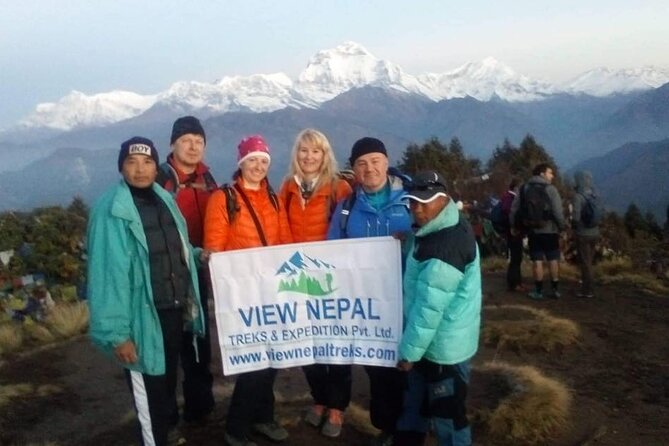
This trek is short enough that your guide can shape the whole experience. One major reason I’d pick a guided route here is not navigation—it’s context.
On this route, you’ll hear about:
- the Trans-Himalayan Caravan route connections,
- local village life in Gurung / Poon-Magar communities, and
- what you’re seeing as the temperature and forest type change.
The guide quality seems to be a strong point of the operation. Names that come up in the guide lineup include Sonam, Kumar Adhikari, Narayan, Pemba Sherpa, Ram, and Bikash. The recurring theme is patient English, active day-to-day support, and guides who tailor the pace and route so you don’t feel rushed.
If you want the trek to feel like a story you can follow, a good guide turns every morning viewpoint into something you understand, not just something you photograph.
Weather and timing: how to think about sunrise odds
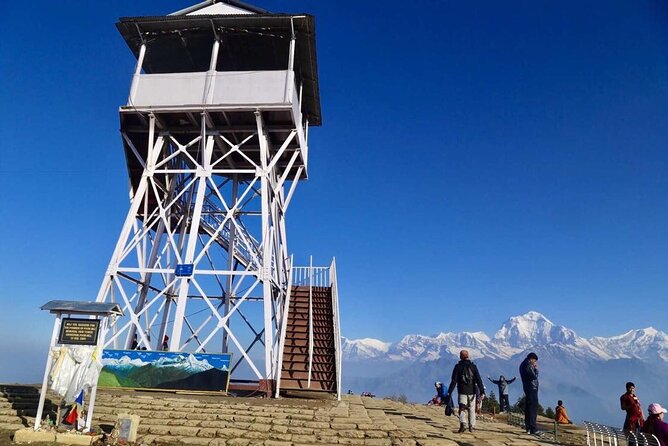
Sunrise at Poon Hill depends on the sky. You can prepare without stressing out:
- Expect cold early starts and warmer afternoons as the trail gains and loses elevation.
- Bring layers that work when conditions change fast.
- Understand that cloud cover can happen even when everything else goes right.
One practical approach: don’t treat the mountain show as a single moment only. Even on days when sunrise isn’t crystal clear, the ridges and forests still deliver an excellent walking day. The trek is built so you have multiple view moments, not just one.
Who should book this trek—and who should reconsider
This is a solid match if you:
- want a moderate trekking plan with a clear target (Poon Hill),
- enjoy tea-house hiking without committing to a long, heavy expedition,
- like cultural stops in traditional villages like Ghandruk, and
- prefer having transport and permits handled by a professional team.
You might reconsider if you:
- hate early mornings (the schedule is built around sunrise timing),
- want fully private, luxury lodges at the end of every walking day (tea houses are basic by nature),
- require complex medical support during the trek (the package notes clients are responsible for early return costs if personal or medical issues force changes).
Should you book this Ghorepani Poon Hill Sunrise Trek?
If you want the best mix of big Himalayan views, manageable walking time, and organized support, this trek is a strong choice. The deal gets better when you value what’s included: guide, permits, trekking meals, and transport. At $799, you’re paying for time saved and stress avoided, not just the right to walk uphill.
Book it if sunrise is your priority and you’re happy with a structured day-by-day plan that starts early and ends in village atmosphere. If you’re the type who treats trekking as a solo adventure you plan end-to-end, you might compare costs—but for most people, this setup is the simpler path to getting it right.
FAQ
How long is the Ghorepani Poon Hill Sunrise Trek?
It’s listed as 8 days (approx.).
Where does the trek start and end?
The experience starts at View Nepal Treks & Expedition P. Ltd., Thamel Marg 24, Kathmandu 44600, Nepal, and ends back at the meeting point.
What time does the experience start?
The start time is 6:15 am.
Is this a private tour?
Yes. It’s listed as a private tour/activity, and only your group participates.
Do I get an English-speaking guide?
Yes. The tour includes an English-speaking government-licensed guide.
What kind of accommodation is included?
In Kathmandu and Pokhara, you get tourist standard hotels on bed and breakfast. During the trek, you stay in tea house/lodge accommodation.
What meals are included during the trek?
The package includes food (B-L-D) for the trek from day 3 to day 6. Meals in Kathmandu and Pokhara are not included.
What permits are covered?
The trek includes ACAP (Annapurna Conservation Area Project) permit and TIMS (Trekking Information Management Systems).
What isn’t included in the price?
It doesn’t include Nepal visa, international airfare, personal travel/medical insurance, and personal expenses like tips, soft drinks, and a personal medical kit. Emergency evacuation by any means is also not included.
Can I cancel for a refund?
Yes. You can cancel up to 24 hours in advance for a full refund. If you cancel less than 24 hours before the start time, the amount you paid isn’t refunded.