REVIEW · UBUD
Sidemen Trekking Through Rice Terraces and Villages
Book on Viator →Operated by Sidemen Guide Trekking and Scooter Tour · Bookable on Viator
Sidemen’s rice terraces feel like a living classroom. This walk starts at the traditional market and village center, then moves through rice paddies and irrigation channels toward views of Mount Agung, with temples and everyday farming life along the way. I love how you actually follow the logic of the Subak of Ogang irrigation system, not just pose near pretty fields, and I love that a local guide like Wayan can connect what you see to how rice gets grown. One possible drawback: depending on the season, some paddies may already be harvested, so the greens you expect might not be everywhere.
Practically, it’s an easy way to get outdoors early without a long plan. Bottled water and a trekking guide are included, and hotel pickup/drop-off is optional. It’s also private, so you won’t be sandwiched with strangers—just your group, starting from SIDEMEN RICE TERRACE GCJP+77P at 7:00 am.
In This Review
- Key Highlights You’ll Feel on This Sidemen Trek
- What You’re Really Doing on This Walk (Not Just Looking at Fields)
- Meeting at SIDEMEN RICE TERRACE: Timing, Location, and Getting There Easy
- The Trek Route: From Market Center to Rice Terraces and Irrigation Channels
- Subak of Ogang: The Irrigation System You Can Actually See
- Temples and Everyday Work: What You’ll Notice Beyond the Rice
- Guide Quality Matters: Wayan’s Local Perspective
- How Long It Takes and What Pace to Expect
- Price and Value: Is $9.80 Really Worth It?
- When This Tour Might Fall Short (and How to Adjust)
- Who Should Book This Sidemen Trek?
- Should You Book This Sidemen Trek?
- FAQ
- What time does the trek start?
- Where do we meet, and where does it end?
- How long is the trekking experience?
- Is hotel pickup and drop-off included?
- Do I need a printed ticket?
- What’s included in the price?
- Is this tour private?
- Is the trek suitable for most people and families?
- Can I cancel for a full refund?
Key Highlights You’ll Feel on This Sidemen Trek
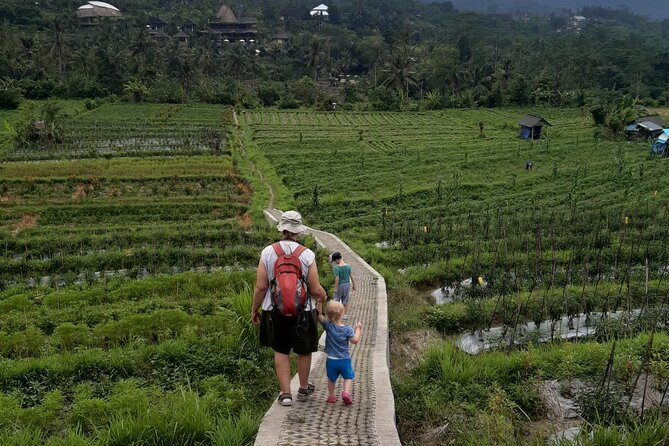
- Subak irrigation in real life: You walk past the channels and systems that manage water for rice.
- Rice-to-temple-to-village route: You see how religious sites sit right inside working farmland.
- A shared wooden bridge: You cross a bridge used by locals and motorbikes, so go slow and stay aware.
- Guides who know plants and process: Wayan-style explanations focus on how rice farming works step by step.
- Value that stays practical: For $9.80, you’re paying for a guided walk plus water, not a big production.
What You’re Really Doing on This Walk (Not Just Looking at Fields)
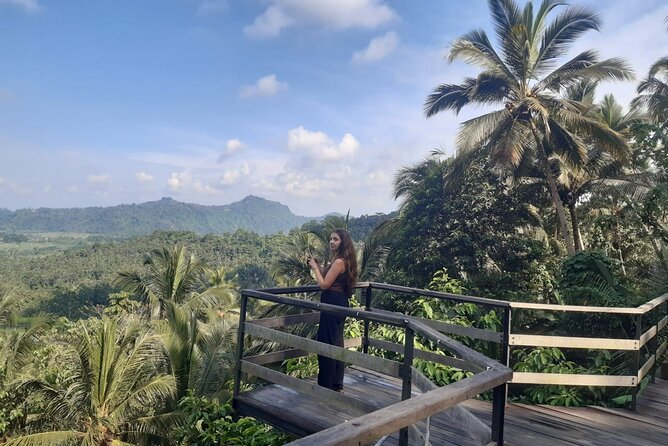
This tour is built around one simple idea: rice terraces are not just scenery. They’re a working system of water, labor, and timing, and you get to move through it on foot. Starting from the market area means you begin where daily life already happens, then you shift into the paddies as the morning unfolds.
What makes the experience feel worthwhile is the flow. You’re not only taking photos of green steps in the distance. You’re walking alongside irrigation channels, following how water is managed, then passing temples that mark the spiritual side of village life. By the time you reach the viewpoints toward Mount Agung, the terraces make more sense because you’ve been tracing the route the water takes.
The “value” side is also real. You get a guide, bottled water, and (if you want it) hotel pickup. Tips are the only obvious extra. For most people, that’s exactly what they want from a short morning trek: useful context, a gentle adventure, and time to keep exploring after breakfast.
You can also read our reviews of more tours and experiences in Ubud.

Meeting at SIDEMEN RICE TERRACE: Timing, Location, and Getting There Easy
The meeting point is SIDEMEN RICE TERRACE GCJP+77P, on Jl. Sidemen – Sangkan Gn. (Sangkan Gn., Kec. Sidemen, Karangasem, Bali). The start time is 7:00 am, and the tour ends back at the same place.
If you’re staying in the broader Ubud area, optional hotel pickup can reduce hassle, especially when you’re arriving in Bali with a tight schedule. If you’re comfortable using local transport, the tour is described as near public transportation, so you might not need pickup.
Plan for an early start. Sidemen mornings are cooler, and that matters when you’re walking on damp paths and crossing a wooden bridge shared by locals and motorbikes. Arriving a few minutes early helps you settle your shoes, check your route, and get ready for a calm start.
The Trek Route: From Market Center to Rice Terraces and Irrigation Channels
Your walk begins in the traditional market and village center area, then it heads into the rice paddies. The route keeps pulling you forward in small, natural stages: paddies, then irrigation channels, then another bend that reveals more fields and working farm edges.
A key detail is how much the path follows the farm infrastructure. You’ll see irrigation channels that guide water to the terraces, and you’ll cross a wooden bridge that locals share with motorbikes. That bridge is the kind of spot that turns a photo-stop walk into a real village moment. It’s also where you should slow down—don’t treat it like a theme-park crossing.
Along the way, temples appear in the working landscape. These aren’t just distant shrines. They connect to daily routines, and you’ll be moving past them as part of the trek rather than doing a separate temple visit.
Expect scenic viewpoints as you head toward Mount Agung. The exact vista will depend on the season and day’s weather, but the direction of travel helps the terraces feel like part of a larger mountain-and-water system, not isolated “steps” on a hillside.
Subak of Ogang: The Irrigation System You Can Actually See
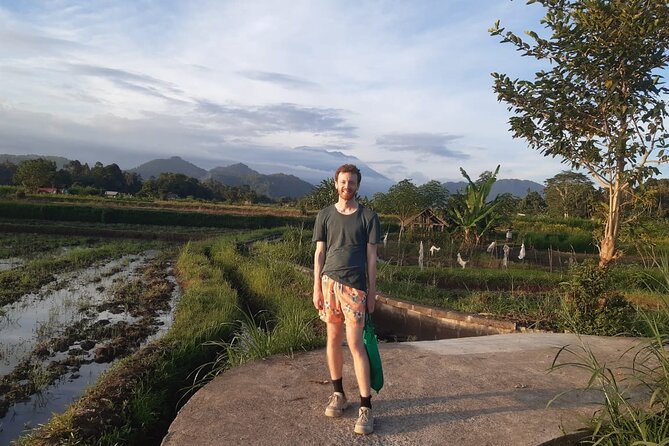
The standout theme here is the traditional Subak irrigation system. Subak isn’t an abstract concept; it’s what shapes where water goes and when. This tour specifically mentions you’ll pass through the Subak of Ogang, which is one of the reasons the trek feels educational without being heavy.
Walking the channels helps you understand why the terraces look the way they do. Water doesn’t magically appear at each level. It’s managed through a network—routes, timing, and shared responsibility that farmers follow so everyone’s plots get the right water at the right time.
This is also where a good guide makes a difference. The best explanations are the practical ones: how rice farming works day to day, how villagers coordinate around water, and what the fields look like at different stages. If you want that kind of context, look for a guide like Wayan, who is noted for explaining rice culture and the farming process in a friendly way.
Temples and Everyday Work: What You’ll Notice Beyond the Rice
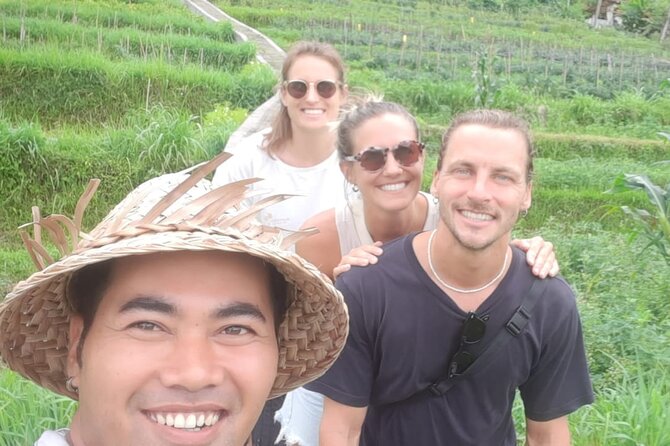
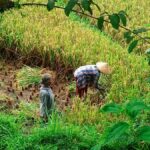
Rice terraces are the headline, but the trek gets more interesting when you pay attention to the in-between moments. You’ll pass temples, and you’ll also see farmers working—plowing, planting, or harvesting depending on the day and season.
One small caution that’s worth taking seriously: if the rice has already been harvested in some areas, you may not see the exact green, full fields you imagined. That doesn’t ruin the tour, but it changes the visual emphasis from thick paddies to farm cycles and the irrigation system that still continues behind the scenes. If your goal is purely lush photos, check your expectations and be ready for a more “process-focused” walk.
In rainy weather, the same practical reality shows up on the ground. Mornings can get muddy on paths near paddies, and that’s not a reason to cancel—it’s a reason to dress smart. A local guide can help you navigate tricky spots, which matters if you’re walking with kids or if you’re not used to wet farm terrain.



Guide Quality Matters: Wayan’s Local Perspective
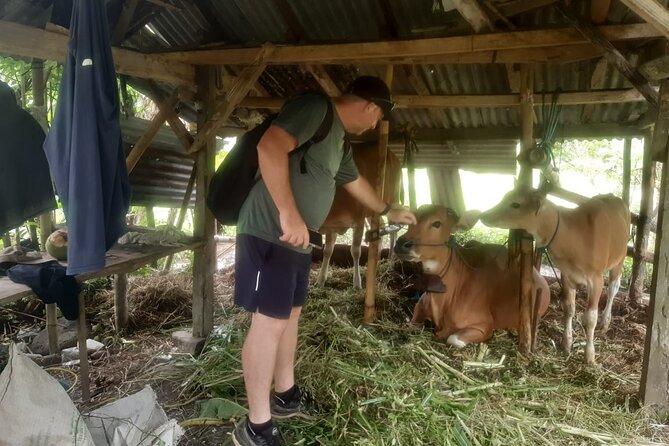
This is the kind of tour where your guide can turn a short trek into something memorable. Wayan comes up repeatedly for a clear reason: he’s local, and he’s comfortable explaining what you’re seeing in plain, practical terms.
From the kind of questions people ask on these walks, you can expect topics like how rice grows, what plants are in the area, and how the whole rhythm of farming works. Wayan’s style is described as friendly and knowledgeable about local scenery, plants, and nature. You’re not just guided along a path—you’re guided through understanding what the path represents.
There’s also a family-side element in how the experience is delivered. If you’d like local food, you might have the option to stop for a meal at the guide’s family warung for lunch later (timing depends on the day’s flow). Even if you skip extra food, the point is the same: you’re walking with someone who lives near the fields, so the morning feels connected to real life rather than scripted stops.
How Long It Takes and What Pace to Expect
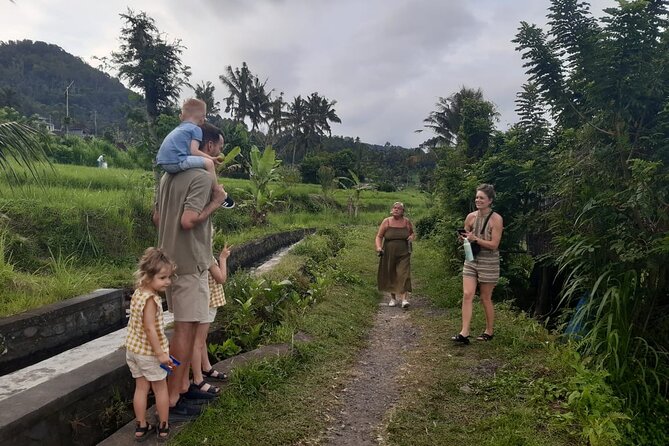
The duration is listed as about 1 hour, but real-world time can stretch depending on your pace, photo stops, and how much explanation you want. Some people describe it closer to a couple of hours. Either way, this is a short morning activity that fits well between breakfast and the rest of your day.
If you want a smooth experience:
- Wear shoes that handle damp ground well.
- Bring a light layer if mornings feel cool.
- Expect muddy patches after rain.
- Take your time on the wooden bridge since it’s shared with motorbikes.
Because it’s a private tour for your group, you can usually keep a comfortable rhythm. That matters if you’re traveling with a toddler or if you’re not sure how you’ll handle a longer walk. The tour is described as suitable for most travelers, so the overall effort is meant to be manageable, but it’s still a trek through farm terrain.
Price and Value: Is $9.80 Really Worth It?
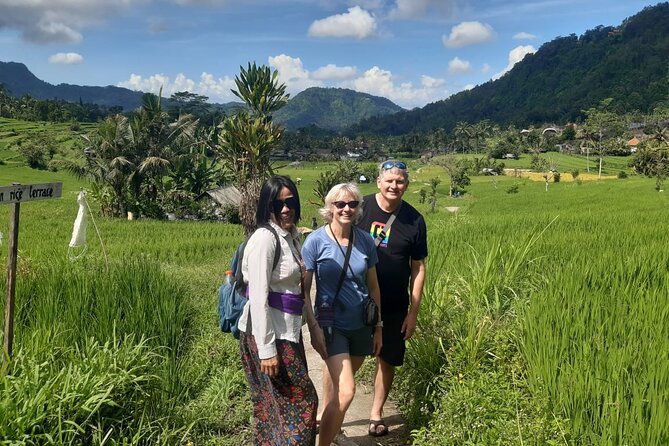
At $9.80 per person, this is one of the more affordable guided walks you’ll find in Bali’s rice-region circuit. The key question is where that money goes. Here, it’s fairly straightforward: you’re paying for a guide, bottled water, and the structure of a guided route that covers rice terraces, irrigation systems, temples, and village daily life.
Optional hotel pickup and drop-off can add convenience if you don’t want to figure out getting to Sidemen. Tips aren’t included, so you should plan to leave some extra cash if you feel the guide truly added value.
For me, the best “value test” is this: do you get explanations that make the fields meaningful? With a guide like Wayan and a route tied to Subak of Ogang, you do. You don’t just see terraces; you understand how the water system shapes the whole place. If you want that kind of context, the price feels fair. If you only want a quick photo loop with minimal talking, you might feel it’s more guided than you expected.
When This Tour Might Fall Short (and How to Adjust)
There’s one honest risk with rice-terrace treks in Bali: the fields change fast. Rice may already be harvested in some paddies, which can reduce the “wow, every field is green” effect. That’s not the tour doing anything wrong—it’s just farming schedules.
You can reduce disappointment by:
- Going in with a broader goal than green photos.
- Asking your guide what stage the rice is in that morning.
- Accepting that the irrigation system and farm rhythms may be the main story, not peak-lush terraces everywhere.
Weather is another factor. If it’s raining or just finished raining, paths can be muddy. That’s usually manageable with the right shoes, and local guides are used to it. One more practical thing: because the bridge is shared with motorbikes, you’ll want to cross carefully and not rush. A private group makes this easier since you can follow the guide’s timing.
Who Should Book This Sidemen Trek?
This walk is a strong match for people who:
- Want a short, early-morning nature-and-culture experience.
- Like learning how things work, not just seeing results.
- Prefer guided walks where you can ask questions and get clear answers.
- Are traveling with kids or simply want a manageable pace, especially if your guide helps with tricky spots.
It’s also a good choice if you’re using Sidemen as a quieter alternative to staying only in central Ubud. The setting is more about rice farming and daily village routines than big-ticket attractions.
If your only goal is maximum lushness at every step, you might want to time your visit for the rice-growing season. But if you’re open-minded and interested in how the terraces function, you’ll still get a meaningful morning.
Should You Book This Sidemen Trek?
Yes, if you want a guided walk that explains the Subak irrigation system and shows village life alongside the rice terraces. The combination of market-to-fields walking, temples in the working landscape, and the chance for a local guide’s plant and farming explanations makes it feel more than just a pretty hike.
Skip or rethink if your dream photo is guaranteed-to-be-green terraces everywhere and you’re not flexible with farm timing. Also consider the early start. But if you’re ready for a calm morning walk with practical context, this is one of the better value ways to understand Sidemen.
FAQ
What time does the trek start?
The tour starts at 7:00 am.
Where do we meet, and where does it end?
You meet at SIDEMEN RICE TERRACE GCJP+77P, Jl. Sidemen – Sangkan Gn., Sangkan Gn., Kec. Sidemen, Kabupaten Karangasem, Bali 80864. The activity ends back at the same meeting point.
How long is the trekking experience?
It’s listed as about 1 hour. Your actual time can vary with pace and stops.
Is hotel pickup and drop-off included?
Hotel pickup and drop-off are optional. If you want it, you can arrange it as part of booking.
Do I need a printed ticket?
No. You’ll have a mobile ticket.
What’s included in the price?
Included items are bottled water and a trekking guide. Hotel pickup and drop-off are optional. Tips are not included.
Is this tour private?
Yes. Only your group participates.
Is the trek suitable for most people and families?
The experience notes that most travelers can participate. It’s also described as family friendly, and your guide can help with trickier parts of the walk.
Can I cancel for a full refund?
Yes. Free cancellation is available. You can cancel up to 24 hours in advance for a full refund. If you cancel less than 24 hours before the start time, the amount paid isn’t refunded.