REVIEW · KATHMANDU
Annapurna Circuit Trek
Book on Viator →Operated by Adventure Bound · Bookable on Viator
14 days, one huge mountain story. This guided Annapurna Circuit trek is built for people who want the route without the stress, with a guide handling safety and logistics (past trekkers highlight guides like Rabin, Santosh, and Chakra for keeping things running smoothly). You’ll also like how the trek moves through big variety fast, from lower foothills up into pass country and back down toward warmer valleys.
The trade-off is weather. On the high stretch near the pass, you can face brutal cold, with reports of nights dropping to around -20°C and wind picking up to about 20 km/h. If you pack like it’s a city winter, you’ll have a bad time.
In This Review
- Key things I’d watch (and enjoy) about this trek
- Why the Annapurna Circuit feels like a full route, not a chain of hikes
- Price and what you really get for $1,175
- Your altitude game plan: acclimatization and cold-weather reality
- Day-by-day: from Jagat to Chame and Pisang’s thicker air
- Day 2: Jagat to Dharapani (1,960m)
- Day 3: Dharapani to Chame (2,710m)
- Day 4: Chame to Pisang (3,300m)
- Manang: where your body catches up to the plan
- Day 5: Pisang to Manang (3,540m)
- Day 6: acclimatization day in Manang
- The high point approach: Yak Kharka, Thorong Phedi, then the pass
- Day 7: Manang to Yak Kharka (4,120m)
- Day 8: Yak Kharka to Thorong Phedi (4,450m)
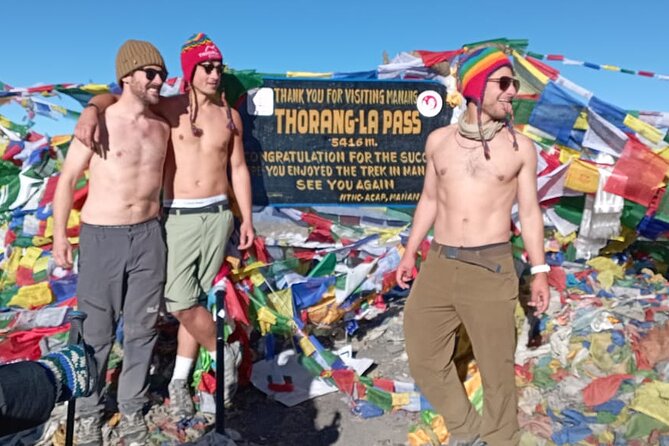
- Day 9: Thorong Phedi to Muktinath via Thorong La (5,416m)
- Muktinath to Jomsom to Tatopani: shifting gears toward warmth
- Day 10: Muktinath to Jomsom (2,743m)
- Day 11: Jomsom to Tatopani (1,290m) by drive; hot springs
- Ghorepani and Poon Hill: the last big viewpoint play
- Day 12: Tatopani to Ghorepani (2,750m)
- Day 13: Early hike to Poon Hill (3,210m), then down to Nayapul and taxi to Pokhara
- Day 14: drive Pokhara (822m) to Kathmandu (1,400m)
- Guides can make or break your Annapurna experience
- What to pack and how to think about teahouses
- Who should book this Annapurna Circuit trek (and who should reconsider)
- Should you book Annapurna Circuit with this guided package?
- FAQ
- What are the main stops on this Annapurna Circuit trek?
- How long is the trek?
- Is accommodation included?
- Are meals included?
- What permits are included?
- What kind of transportation is included?
- Do you have a guide?
- What’s the highest point on the route?
- What’s not included in the price?
- Is travel insurance required?
- Is this a private tour?
- How does cancellation work?
Key things I’d watch (and enjoy) about this trek
- A real guided circuit with permits, maps, a licensed guide, and a first aid kit included
- Acclimatization built in with a dedicated day in Manang before the Thorong La crossing
- Tea house nights + standard meals (breakfast, lunch, dinner) so you’re not constantly planning food
- High pass logistics handled as you route from Thorong Phedi over Thorong La to Muktinath
- Cultural stops matter as you move through places like Chame, Manang, and Muktinath, not just “walk and summit”
Why the Annapurna Circuit feels like a full route, not a chain of hikes
The Annapurna Circuit gets famous for a reason: you’re not just doing one kind of walking. In a couple of weeks, you go from lower-altitude farming valleys into drier, more rugged terrain, then climb to the classic high point over Thorong La (5,416m) before descending again. That up-and-down rhythm is part of what makes the trek feel like a journey across Nepal’s different climates.
I also like that this trip is designed around a guide and a plan you can lean on. The route is laid out day by day, but the real value is what a good guide adds in the moment: pacing, trail choices, and practical decisions when weather changes or your body feels slow on the climb.
One more thing I think you’ll appreciate: you’re going through remote areas and small communities along the way. You still get the famous views, but you’re also spending time where trekking is everyday life for locals, not a tourist show.
You can also read our reviews of more tours and experiences in Kathmandu.
Price and what you really get for $1,175
$1,175 isn’t “cheap,” but it’s not just you paying to be dropped on a trail either. Here’s what’s covered that can save you real money and hassle:
- Tea house accommodation during the trek
- Three standard meals daily while trekking (breakfast, lunch, dinner)
- Permits and fees, including Annapurna Conservation Park permits and TIMS fee
- A licensed, experienced guide, plus a first aid medical kit
- A trekking map
- Government tax
- Transport support: bus segments and private transportation where noted
What you’re still responsible for: travel and rescue insurance, personal expenses, and tips for guides and porters. Also, porter service isn’t automatically included if you’d want one.
For me, the value check comes down to this: if you’d otherwise spend days coordinating routes, permits, and basic logistics, a guided setup can be the cheaper way to buy peace of mind. If you’re already fully set up with gear, permits, and a confident route plan, you might feel like you’re paying for structure you could manage alone. Most people choose this because they want the mountains, not the admin.
Your altitude game plan: acclimatization and cold-weather reality
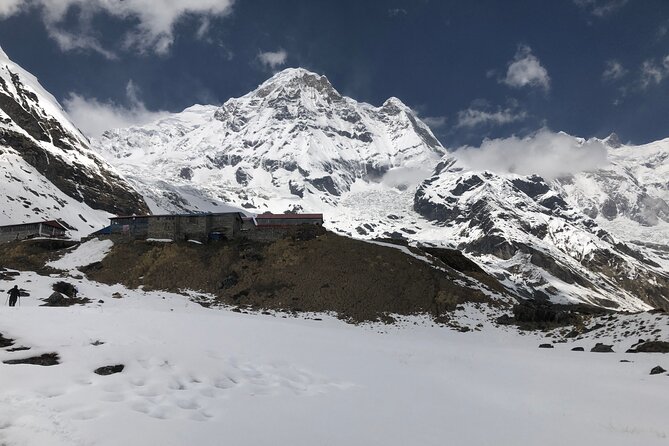
This itinerary gives you a dedicated acclimatization day in Manang (Day 6). That matters. When you’re heading toward a high pass, you don’t want to treat altitude like a math problem where you simply “walk faster.”
On this trek, your highest challenge is the pass area around Thorong La (5,416m), with the approach stages hitting Yak Kharka (4,120m) and Thorong Phedi (4,450m). You’ll feel the thinning air most on those days, and especially on the pass day when the schedule compresses your comfort.
And then there’s the cold. One of the standout warnings from past trekkers is that nights can get very cold, with frozen water and strong wind. You don’t need to be paranoid, but you do need to be prepared:
- Bring serious warmth for cold nights
- Plan for layers that you can vent during climbs and seal up during stops
- Expect wind to make the “feels like” temperature worse near the higher section
Also remember: the trek is listed for people with moderate physical fitness. That doesn’t mean easy. It means you should be comfortable hiking daily, walking uphill for several hours, and keeping going even when you’re tired.
Day-by-day: from Jagat to Chame and Pisang’s thicker air
You start with a long but straightforward transport day from Kathmandu to Jagat (1,100m) via Besisahar. It’s about 8–9 hours by road. Think of this day as your reset: hydrate, eat something solid, and keep your legs calm. You’ll feel “awake and stiff” on the first trek day, so don’t waste energy wandering around too much.
Day 2: Jagat to Dharapani (1,960m)
This is your first real trek day, around 6–7 hours. Dharapani is a good early checkpoint because it marks the shift from travel to hiking routine. You’ll likely notice your pace naturally slows as the trail climbs and altitude stacks.
The upside here is that you’re not thrown into the hardest terrain immediately. You get time to adjust stride and breath.
Day 3: Dharapani to Chame (2,710m)
Another 5–6 hours. Chame is a step up in altitude, so it’s a good day for steady effort rather than “attack mode.” You’ll also get a feel for the kind of tea house life you’ll rely on later: simple rooms, limited charging, and a schedule that revolves around when you hike and when you eat.
Day 4: Chame to Pisang (3,300m)
This hike runs about 5–6 hours. By now, you’re in pass-journey territory where the air feels thinner and the views start to open up more often. Pisang is also a place where the scenery begins to look more dramatic because you’re moving into higher, rougher country.
Manang: where your body catches up to the plan
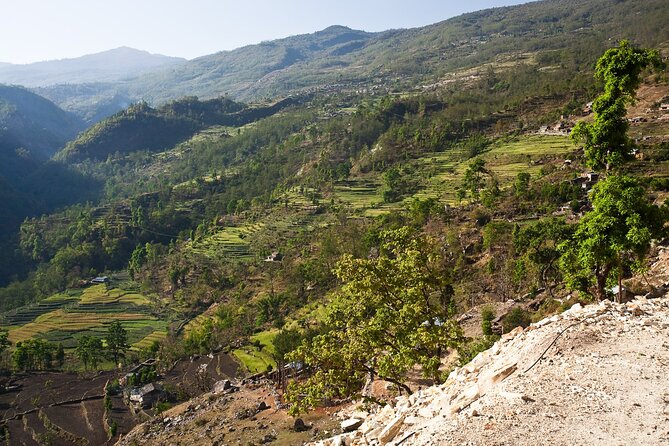
Day 5: Pisang to Manang (3,540m)
About 6–7 hours. Manang is the region’s big altitude hub. Even before the acclimatization day, you’ll feel the climb as more demanding than earlier days.
Why this stop matters: Manang is where your trek becomes less about “getting to a viewpoint” and more about managing your body. This is the place where people who rush altitude often pay for it later.
Day 6: acclimatization day in Manang
This day is specifically for adjusting to altitude. You’re not “extra busy” here by design. You’ll likely want short, sensible walks, time to breathe, and early sleep. The goal is to arrive fresh for Yak Kharka the next day.
If you’ve never acclimatized on a trek before, use this day like you mean it. Skipping acclimatization is one of those choices that feels fine until it doesn’t.
The high point approach: Yak Kharka, Thorong Phedi, then the pass
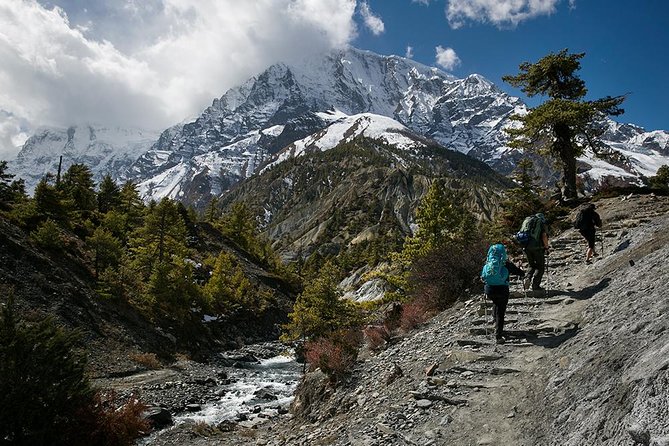
Day 7: Manang to Yak Kharka (4,120m)
About 4–5 hours. Shorter on the clock, but higher on the effort. This is where you’ll want to keep your pace controlled. Overhiking early can turn the next day into a grind.
Day 8: Yak Kharka to Thorong Phedi (4,450m)
Also around 4–5 hours. Thorong Phedi is a staging area. The bigger goal isn’t the walk time. It’s what comes after: you’re preparing for the pass day push.
This is where you’ll feel the difference between warm daytime walking and cold, still-air waiting.
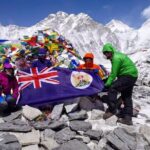
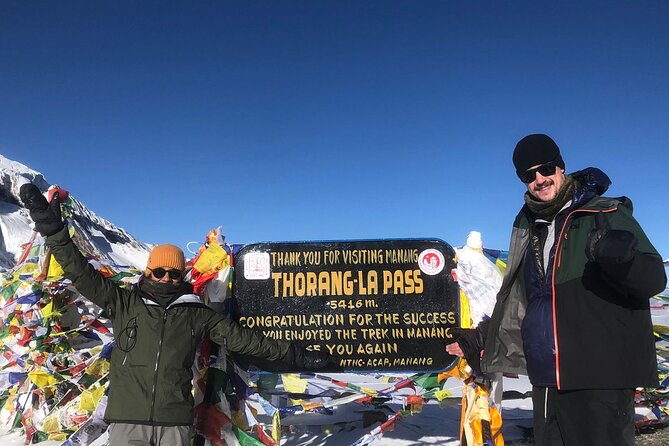
Day 9: Thorong Phedi to Muktinath via Thorong La (5,416m)
This is the main event: about 7–8 hours total. Your route climbs to the pass and then descends down toward Muktinath (3,802m). It’s a classic “go up, then keep going” day.
Two practical things I’d keep in mind for this stretch:
- Expect the pass crossing to feel slower than you planned, especially if you’re dealing with cold or wind
- Descending to Muktinath still takes work—your legs don’t get a free ride just because you passed the high point
Muktinath is also a meaningful cultural stop. It’s not only about the win of getting over Thorong La; it’s about reaching a place with its own spiritual identity. That gives the hard day some emotional payoff.
Muktinath to Jomsom to Tatopani: shifting gears toward warmth
Day 10: Muktinath to Jomsom (2,743m)
About 5–6 hours. Altitude drops, but conditions can still be variable. Jomsom sits lower, so your body should feel better than on the pass approach days.
This is where the trek begins to feel more like travel through the region rather than only “high-altitude training.”
Day 11: Jomsom to Tatopani (1,290m) by drive; hot springs
This day uses 4–5 hours of drive and includes Tatopani’s natural hot springs. After the pass, that’s a huge quality-of-life moment. Your muscles will thank you, and your mind will too. You’ll still have trek energy, but now you’re moving into recovery mode.
Ghorepani and Poon Hill: the last big viewpoint play
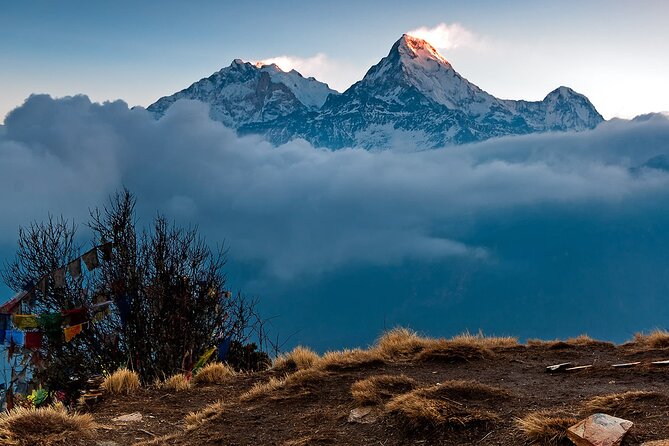
Day 12: Tatopani to Ghorepani (2,750m)
About 7–8 hours. This is a longer hiking day compared to some mid-trip legs. It’s also a day where you’ll want consistent effort. Since you’re lower, it can tempt you to move too fast. Resist that urge if you want your legs to hold up for Poon Hill the next morning.
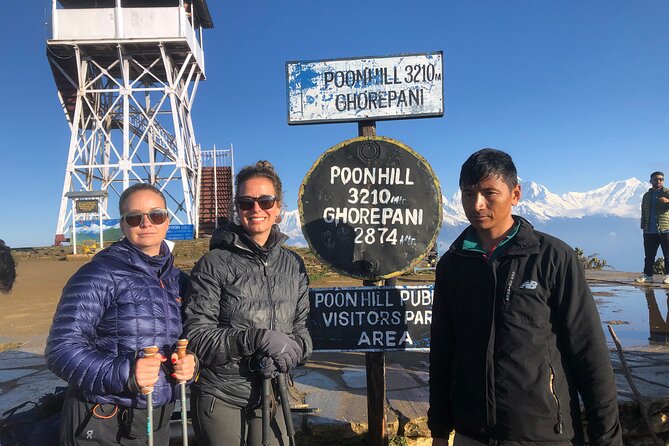
Day 13: Early hike to Poon Hill (3,210m), then down to Nayapul and taxi to Pokhara
This is the sunrise-style finale. You’ll hike up to Poon Hill around 3,210m, then trek down to Nayapul (2,070m) for about 2070m, and then take a taxi to Pokhara. Total day time is about 7–8 hours.
Poon Hill is famous for a reason: the views are dramatic, and the timing makes you experience the light changing. Even if you’re not chasing a checklist of famous viewpoints, this is a satisfying way to wrap up the hardest parts of the trek.
Finally, Pokhara is your landing. Altitude life ends, at least for a bit, and you can reset with normal meals and real rest.
Day 14: drive Pokhara (822m) to Kathmandu (1,400m)
About a full-day road transfer. It’s not the kind of day where you’ll want a lot planned afterward. Treat it as decompression time.
Guides can make or break your Annapurna experience
One of the most praised parts of this kind of trek is the guide relationship. Past trekkers repeatedly called out guides like Rabin, Santosh, and Chakra (CK) for being there at each step, making tough logistics feel manageable, and staying helpful when the day didn’t go exactly as hoped.
You also see guide styles praised in different ways:
- Santosh is described as attentive, easy to talk to, and keeping people informed about what’s coming next
- Chakra (CK) is noted for sharing traditions and even some Nepali language alongside the hiking
- Ganesh Ji is praised for patience and encouragement, especially through the Thorong La crossing
- Sandip gets credit for professionalism and caring, with strong local trail and culture understanding
And porters matter too. Ramesh Ji and other porter support are highlighted as more than just carrying bags. When you’re tired at altitude, small, thoughtful help keeps the whole trek feeling human.
Since this is a private tour/activity and you have your own expedition guide, you should expect more flexibility than a big cattle-call group. You still follow the plan, but your guide can adjust pace, answer questions, and watch for signs of trouble.
What to pack and how to think about teahouses
Tea house accommodation is included, which keeps your costs predictable. But tea houses aren’t hotels. You should mentally prepare for simple rooms and limited creature comforts at higher altitudes.
This matters most on cold-night days close to the pass. If you’ve got the right sleeping layer and warm clothing, you’ll sleep better and wake up ready. If you don’t, the mountains will teach you quickly, and not in a fun way.
Also note: personal expenses aren’t included. That often means:
- buying extra snacks or drinks
- shower costs when available
- charging where you can (and paying for it if required)
So budget a little beyond the main trip price.
Who should book this Annapurna Circuit trek (and who should reconsider)
This trek is a great match if you want:
- a guided route so you’re not stuck planning every logistics detail
- tea house trekking with breakfast/lunch/dinner included
- time built in for acclimatization before a high pass
- a mix of classic views and local culture, including a stop at Muktinath
You might rethink the booking if:
- you’re not ready for cold nights and wind at altitude
- you don’t handle daily hiking hours well
- you’re counting on perfect comfort or modern amenities
If you’ve got moderate fitness and you’re willing to pack for serious weather, you’re on the right track.
Should you book Annapurna Circuit with this guided package?
If you want the Annapurna Circuit without turning your trip into a project, this is a strong choice. The price covers the core structure you’d otherwise have to solve yourself: permits, guide, tea houses, key meals, and a route plan that includes acclimatization and the Thorong La crossing.
I’d book it if you value a guide who keeps decisions clear, pacing steady, and safety practical. Just go in honestly about conditions. Bring the right warmth, respect the pass day, and use Manang’s acclimatization time like it’s the whole point. Do that, and you’ll likely come away with a trek that feels both classic and genuinely satisfying.
FAQ
What are the main stops on this Annapurna Circuit trek?
You’ll start in Kathmandu and travel to Jagat, then trek through Dharapani, Chame, Pisang, Manang, Yak Kharka, Thorong Phedi, and Muktinath. After that you’ll continue to Jomsom, then Tatopani, Ghorepani, and Poon Hill, finishing with Nayapul and a drive back to Pokhara and then Kathmandu.
How long is the trek?
It’s listed as about 14 days (approx.).
Is accommodation included?
Yes. You get tea house accommodation during the trek.
Are meals included?
Yes. The package includes three standard meals during trekking: breakfast, lunch, and dinner.
What permits are included?
The trek includes Annapurna Conservation Park permits fee and the TIMS fee.
What kind of transportation is included?
You’ll have bus transport from Kathmandu to Jagat and from Jomsom to Tatopani. There’s also private transportation from Nayapul to Pokhara.
Do you have a guide?
Yes. The trek includes a licensed experienced helpful and friendly guide, and you’ll have personal attention from your own expedition guide.
What’s the highest point on the route?
The route passes over Thorong La (5,416m / 17,769 ft).
What’s not included in the price?
Not included are travel and rescue insurance, personal expenses (like phone calls, laundry, bar bills, battery recharge, shower, extra porters, bottle or boiled water), tips for guides and porters, and porter service if required.
Is travel insurance required?
Travel and rescue insurance is listed as not included, so you should plan to arrange it yourself.
Is this a private tour?
Yes. It’s listed as private—only your group will participate.
How does cancellation work?
You can cancel up to 6 days in advance for a full refund. A 50% refund is available for cancellations 2–6 days in advance, and there’s no refund if you cancel less than 2 days before the experience starts.