REVIEW · KATHMANDU
Annapurna Base Camp Trekking
Book on Viator →Operated by Adventure Treks Nepal (P) Ltd. · Bookable on Viator
Fourteen days, one giant mountain target. This Annapurna Base Camp trek is a moderate Himalayan walk with big Annapurna Base Camp payoff, starting with a short drive from Pokhara and rolling through Gurung, Magar, and Thakali villages.
I love the way this route mixes culture with scenery: you’ll pass through traditional settlements where people are used to visitors stopping for a chat, and you’ll get dramatic sight windows like the Poon Hill sunrise moment. I also like that your days are paced with real rest breaks in tea house-style lodges, so the trek feels like a journey instead of a nonstop grind.
One thing to consider: the itinerary includes long on-the-move days (some days list 12 hours of travel/activity), and several comforts are not included—think drinks, mineral water, and heater or hot shower costs. Budget for the extras before you go.
In This Review
- Key Highlights You’ll Actually Feel
- The Annapurna Base Camp Goal: More Than a Photo Stop
- Kathmandu to Pokhara: Two Cities, One Mental Shift
- The Nayapul-to-Trail Moment: Ulleri and Ghore Pani as Your Real Start
- Poon Hill Sunrise: The Quick Win That Sets the Mood
- Chhomrong and Deurali: Where the Trek Turns Serious
- The 360-Degree Annapurna Day: When the Bowl Really Shows Up
- Bamboo, Hot Springs at Jhinu Danda, and Pothana: Recovery Without Pausing Life
- Back to Pokhara, Then Kathmandu: Flights and a Real Reset
- Price and Value: Is $1,779 Fair for Annapurna Base Camp?
- Your Trek Team: Guides, Porters, and the Peace-of-Mind Factor
- What to Watch for: The One Drawback That Can Affect Your Enjoyment
- Practical Tips to Make This Trek Feel Smooth
- Should You Book This Annapurna Base Camp Trek?
- FAQ
- What is the duration of the Annapurna Base Camp trekking experience?
- Where does the experience start and end?
- What does the price include?
- Is this a private trip?
- How many people are required to run the trip?
- Do I need a visa for Nepal and how much is it?
Key Highlights You’ll Actually Feel
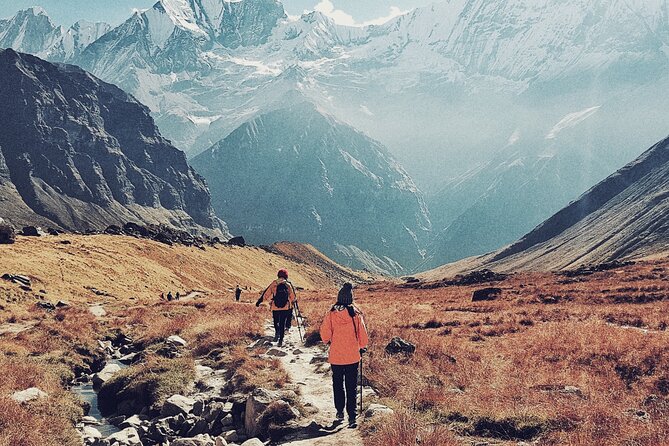
- Nayapul start with an easy lead-in from Pokhara, plus time around Phewa Lake to settle in
- Poon Hill sunrise as a quick, high-reward viewpoint stop
- Village immersion with Gurung, Magar, and Thakali communities along the trail
- An Annapurna “amphitheater” vibe at base camp, with multiple peaks circling the view
- Jhinu Danda hot springs for recovery after trekking days
- Insured guide and porter support, with porter coverage scaled to group size
The Annapurna Base Camp Goal: More Than a Photo Stop
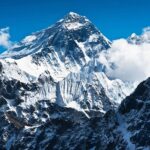
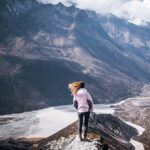
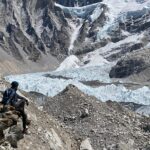
Annapurna Base Camp is famous for a reason, but the best way to think about it is this: you’re not just walking to a single point on a map. You’re walking into a high-mountain bowl—described as a deep glacier-covered amphitheater—where the Annapurna massif lines up around you in a near-circle view.
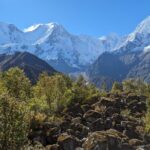
On clear days, that means you’re watching a cluster of major faces and peaks: Annapurna III and Annapurna South, Hiunchuli, Fang, Machhapuchhare (Fish Tail), Gangapurna, plus the surrounding walls of snow and ice. Even if clouds roll in sometimes (they do), the trek gives you repeated chances to catch the high views rather than waiting for one perfect moment.
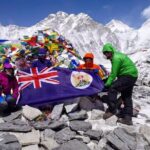
And yes, you’ll be at serious altitude—listed around 4,130m for Annapurna Base Camp. The “moderate” part of the trek doesn’t mean easy altitude. It means the trail is approachable for many people who pace well, eat steadily, and take care of themselves.
You can also read our reviews of more tours and experiences in Kathmandu.
Kathmandu to Pokhara: Two Cities, One Mental Shift
This trek doesn’t drop you straight into the mountains. You start in Kathmandu, then fly to Pokhara, and that matters. Kathmandu is busy and intense; Pokhara is calmer and lakeside, which helps your brain shift gears from city mode to trail mode.
Day 1 is built around arrival in Kathmandu with accommodation and breakfast. Day 2 brings you to Pokhara and a walk around Phewa Lake. That simple stroll can be a big deal on a trek like this, because you’re not just sightseeing—you’re getting your bearings and mentally adjusting to slower days ahead.
Also, you’re not left to figure out the transfers on your own. The package includes arrival and departure transport, Kathmandu–Pokhara drives, and Pokhara–Nayapul/Phedi drives, plus Pokhara to Kathmandu flights with airport tax. In practical terms, that reduces stress at exactly the wrong time.
The Nayapul-to-Trail Moment: Ulleri and Ghore Pani as Your Real Start
Your trek begins from Nayapul, reached by driving from Pokhara (the trip is described as about an hour). From there, you get the early rhythm of mountain trekking: steady climbs, village breaks, and the gradual tightening of the air as you gain height.
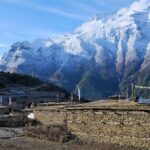
The first main stops listed are Ulleri and then Ghore Pani (often spelled Ghode Pani in trekking routes). These are classic “start-up” days. You’ll likely feel your legs working, but you’ll also get the sense that Nepal is lived-in along this trail. The route passes through communities like the Gurung, Magar, and Thakali, and the emphasis is on warm, normal human interactions—people greet you, and you can stop for conversation if you want.
Why I like this phase for first-time or newer trekkers: it’s early enough to learn how your body responds, but not so high that every breath feels like a negotiation. You’re also moving through different village settings instead of only trekking through forest, so you can read the day better.
Poon Hill Sunrise: The Quick Win That Sets the Mood
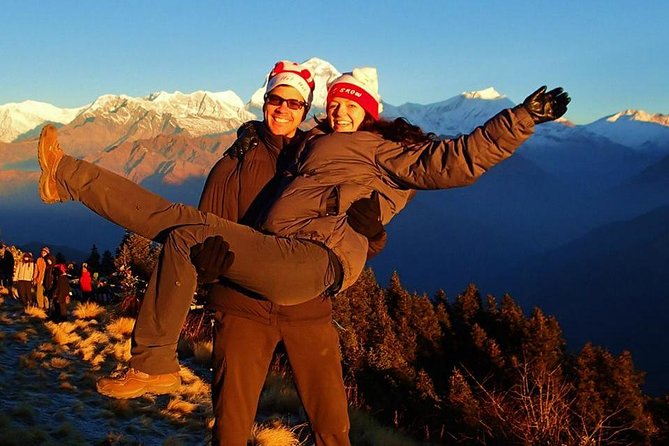
Poon Hill is one of those moments that turns a multi-day trek into a memory with a timestamp. Your schedule includes a sunrise viewpoint stop of about 45 minutes, which makes it manageable even if you’re still waking up and sorting out layers.
This is also where you learn a key trekking truth: early mornings can feel brutal, but the reward often arrives before your complaining starts. I recommend you treat this stop like a short mission. Put on warm gear, get to a viewpoint, then keep moving—no lingering too long in the cold if it’s draining your energy.
Even without guaranteeing perfect sky conditions, the value is in the timing and the payoff structure. One short effort, one big view window, and then you’re back on the trail.
Chhomrong and Deurali: Where the Trek Turns Serious
After Poon Hill, your route continues toward Chhomrong and then Deurali. This is where the trek becomes more “high-altitude trekking” than “scenery hike.”
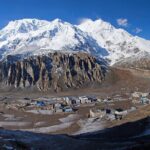
Chhomrong is a memorable stop because it sits in the orbit of the Himalayan drama you came for. You’re moving through villages and lodges that feel rooted in the mountains—not just resting places for tourists. This helps the trek feel authentic instead of staged.
Deurali is another turning point. The name alone signals cooler air and a sense that you’re moving into higher, tighter terrain. The day-to-day schedule lists lodge/tea house overnights here, which is what you want on a trek like this: you can eat, warm up, sleep, and wake up ready rather than playing survival mode.
The 360-Degree Annapurna Day: When the Bowl Really Shows Up
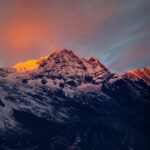
One of the most exciting elements in the provided schedule is a day focused on 360-degree view of the Annapurna Mountain Range. That’s not a vague promise—it’s an actual viewpoint objective built into the plan.
Days like this are valuable for two reasons:
1) You get repeated visual payoff instead of waiting for one end-of-trek moment.
2) You can adjust your expectations based on the weather without feeling like the whole trek depends on one sunrise.
In practical terms, plan for cold. Even if the sun hits, mountain temperatures can swing fast. And if clouds roll through, you don’t lose the day—you still get the walking experience, the villages, and the sense of being inside a massive mountain system.
Bamboo, Hot Springs at Jhinu Danda, and Pothana: Recovery Without Pausing Life
After the big view day, the schedule continues with Bamboo and then moves toward Jhinu Danda for hot springs.
This part of the trek is a quality-control checkpoint for your body. Trekking into higher terrain can leave your legs feeling heavy. Then you get recovery that isn’t just rest in your room—you get hot spring time at Jhinu Danda, which can help you feel human again.
Next comes Pothana, another lodge overnight day in the plan. Pothana is one of the last “build-up to base camp” style stops in many ABC routes, and in your case it also functions like a staging area for the return-to-town shift that comes soon after.
What I like here is the mix: you’re still trekking day after day, but you’re given a chance to feel better physically rather than treating discomfort like a badge you must carry.
Back to Pokhara, Then Kathmandu: Flights and a Real Reset
Once you finish the mountain section, the plan includes returning to Pokhara and visiting around Phewa Tal (again, lakeside time). This is not just a sightseeing bonus. It’s where you convert the trek effort into something livable: a proper bath if you choose, a comfortable meal, and the mental decompression that keeps the whole trip from feeling like one long grind.
Then you fly back to Kathmandu, with a free day to visit around. That flexibility is useful. Maybe you’ll want a casual last meal in town. Maybe you’ll just need time to recover, reorganize gear, and enjoy the fact that you’re done climbing for now.
Finally, your departure day returns you to the meeting point area in Kathmandu.
Price and Value: Is $1,779 Fair for Annapurna Base Camp?
At $1,779 per person, you’re paying for more than “beds and walking.” You’re buying a full support stack for a serious trek: transport between cities, meals, lodge nights, and insured trekking staff.
Here’s what’s included, in human terms:
- Arrival/departure transport, plus Kathmandu–Pokhara drive components
- Accommodation in Kathmandu and Pokhara with breakfast
- Breakfast, lunch, and dinner during the trek
- Tea house/lodge stays while trekking
- A trekking duffel bag
- Trekking guide and porter with insurance (noted as 01 porter for 02 pax)
- Region map and government taxes and office service charges
- Pokhara–Kathmandu flights plus airport tax
What’s not included matters because it can surprise people:
- International airfare and travel insurance
- Nepal entry visa fee (listed as US$50 for 30 days and US$30 for 15 days)
- Drinks, dessert, juice, mineral water
- Heater charge and hot shower during the trek and main meals in cities
- Tips for guide, porter, and driver
So is it good value? For many people, yes—because Annapurna Base Camp is not just hiking. You’re paying for logistics plus daily food plus the staff support that keeps the experience smoother. The cost feels more reasonable once you compare it to building the same trip piece by piece (transport, guiding, lodge coordination, and food planning).
Your Trek Team: Guides, Porters, and the Peace-of-Mind Factor
This package is private, meaning only your group participates. You’ll travel with a trekking guide and a porter with insurance, and both are core to how this route stays manageable.
The best part of a guided ABC trek is not that someone carries your bag. It’s that you get:
- Direction and pacing decisions when the trail and altitude start feeling random
- Support when weather shifts or your body needs a slower rhythm
- A more confident, safer-feeling experience in remote terrain
And the human side shows up in past trip feedback. People have praised guides such as Gyanendra Karki, and also named guides like Anuj, Hari, Ramesh, and a team that included first-aid support staff named Dev in some groups. Porters have also been recognized by name, including Bishnu and Bishal. You can’t count on the exact same staff for your date, but the pattern is clear: strong care and dependable support are part of what this company has built.
What to Watch for: The One Drawback That Can Affect Your Enjoyment
The biggest consideration here is planning for the costs and comfort items that are not included. If you expect bottled water, drinks, or hot shower comfort to be covered, you’ll want to adjust. Heater and hot shower charges during the trekking period are listed as excluded.
The second consideration is that the itinerary includes long travel/activity blocks on several days. That’s normal for trekking with city transitions, but if you’re sensitive to being on the move, you’ll want to mentally prepare for that.
Finally, altitude is the quiet factor. The trek is rated as moderate and designed for travelers with moderate physical fitness, but you still need to pace and take the days seriously.
Practical Tips to Make This Trek Feel Smooth
These aren’t fancy secrets. They’re the few choices that help you enjoy the trail more:
- Pack in layers so you’re not stuck overheating in sun or freezing during shade.
- Keep an eye on your energy early in the day. If you wait until you feel wiped out, you’ll pay for it on climbs.
- On viewpoint days like Poon Hill and the 360-degree Annapurna stop, move efficiently. Enjoy the moment, then get back to steady trekking.
- Bring cash and plan for excluded items like drinks and mineral water.
- If you have dietary needs, advise the operator at booking time so your meals are easier to handle in tea houses.
Should You Book This Annapurna Base Camp Trek?
If you want the classic Annapurna Base Camp experience with a supportive team, this is a strong choice. The route is built around real trekking days, lodge stays, and reliable meal coverage, and it adds meaningful moments like Poon Hill sunrise and Jhinu Danda hot springs rather than treating your whole trip like one long climb.
Book it if:
- You’re comfortable with moderate trekking and altitude progression
- You want an organized plan from Kathmandu to Pokhara and back
- You value insured guide and porter support and daily meal structure
Skip it or choose a different option if:
- You hate add-on costs for drinks, hot showers, and heater charges
- You’re very sensitive to long travel/activity days between cities
If that sounds like you, then yes—this trek has the right mix of Himalayan drama, village culture, and practical support to make the work worth it.
FAQ
What is the duration of the Annapurna Base Camp trekking experience?
The experience runs for about 14 days.
Where does the experience start and end?
It starts at Tribhuvan International Airport, Ring Rd, Kathmandu, Nepal, and ends back at the same meeting point area.
What does the price include?
It includes arrival and departure transport, Kathmandu and Pokhara accommodation with breakfast, breakfast/lunch/dinner during the trekking, tea house/lodge accommodation while trekking, the trekking guide and porter (with insurance), Kathmandu–Pokhara drive and Pokhara–Nayapul/Phedi drives, Pokhara–Kathmandu flights with airport tax, a trekking duffel bag, and government taxes and office service charges.
Is this a private trip?
Yes. It is a private tour/activity, and only your group will participate.
How many people are required to run the trip?
A minimum of 2 people is needed to run this trip.
Do I need a visa for Nepal and how much is it?
The Nepal entry visa fee is listed as US$50 for 30 days and US$30 for 15 days.