REVIEW · PISANG
Annapurna Circuit Trek With Tilicho Lake :Best Trek in Nepal
Book on GetYourGuide →Operated by Trek and Adventure Nepal Pvt. Ltd · Bookable on GetYourGuide
A big pass and a big lake, in one trek. I love the way the route pushes you through dramatic altitude changes, from subtropical valleys to drier, rockier country, and then rewards you at Tilicho Lake with wide views and real sense of high-world adventure. I also like the human side: Tibetan-influenced culture around Manang and the pilgrimage atmosphere of Muktinath. One possible drawback: this is not a gentle hike—expect steep days and cold, fast-changing mountain weather, so you’ll want solid fitness and altitude respect.
What makes this trek work well for many people is the structure around acclimatization and the support on the ground. If you’re booking a small group (up to 6) with an English-speaking guide, you’re more likely to move at a pace that matches the day and your body. Guides reported names like Ganesh Devkota, Kumar, Jeewan, and Prakash, and the common theme is good care: safety checks, altitude awareness, and staying informed without the fuss.
If you’re aiming for a classic Annapurna Circuit experience plus Tilicho, you’ll probably find this a strong fit. Still, it’s not ideal if you’ve had altitude sickness before or you’re limited by high-elevation walking—this trek runs high, including Thorong La Pass at 5,416m.
In This Review
- Key points I’d plan around before you go
- Annapurna Circuit + Tilicho Lake: the big idea
- Getting started: Thamel to Besisahar, then Dharapani
- Chame and Pisang: training your legs while views sharpen
- Manang valley: your acclimatization and culture checkpoint
- Tilicho Lake detour: the highest lake experience
- Ledar and Thorong High Camp: getting ready for Thorong La
- Descent to Muktinath and the Kali Gandaki finish
- Tea houses, meals, and what you’re actually paying for
- Guides: the difference between a tough trek and a smart trek
- What to pack so you don’t suffer (and so you can enjoy)
- Weather and fitness: the real decision points
- Should you book the Annapurna Circuit with Tilicho Lake?
- FAQ
- How long is the Annapurna Circuit with Tilicho Lake trek?
- Is a guide included, and will they speak English?
- What permits are included for this trek?
- Where will I sleep during the trek?
- Is food included, or do I need a daily budget?
- What’s the group size?
Key points I’d plan around before you go
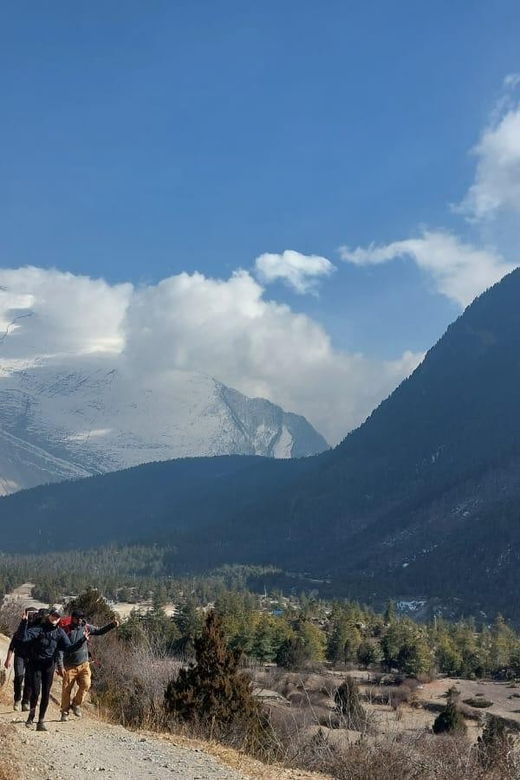
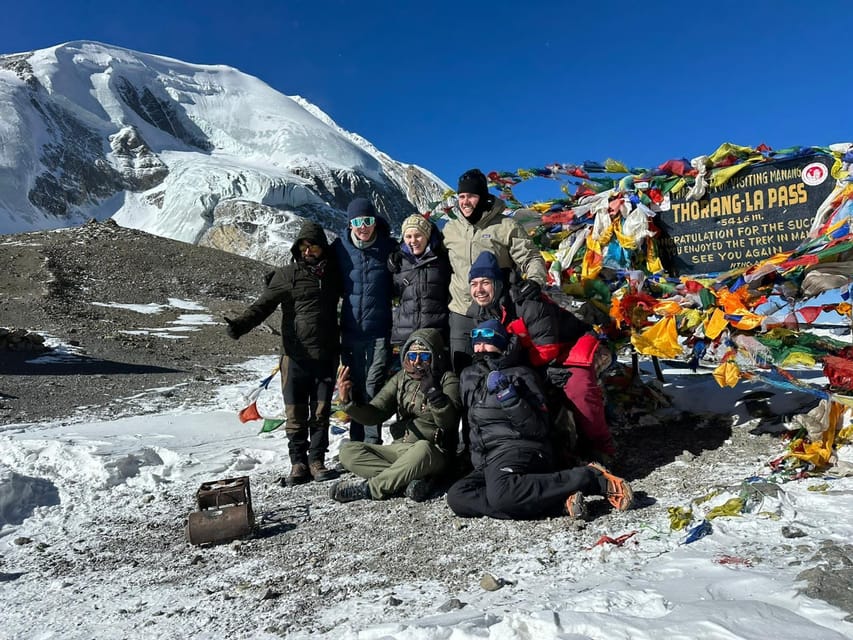
- Thorong La Pass (5,416m) is the headline crossing, with big panoramic rewards when weather behaves
- Tilicho Lake (~4,910–4,920m) is a rare, turquoise high-lake detour that adds real challenge
- Small group (up to 6) tends to mean less crowd pressure on narrow trail sections
- Tea house lodging on the trek keeps things simple, but you still need warm gear for nights
- Manang culture break helps with acclimatization and gives you a Tibetan-influenced feel
- Guides focused on safety and altitude pacing can make a huge difference on tough days
Annapurna Circuit + Tilicho Lake: the big idea
This trek is famous for a reason: it strings together multiple Annapurna highlights in one long, varied line. You’ll start in the Marsyangdi River valley world—villages, forests, terraced slopes—then climb into higher plains around Manang. After that, you swing toward Tilicho Lake and its serious altitude, then continue to the top of Thorong La and down toward the Kali Gandaki area and Muktinath.
What I like about this format is that it doesn’t feel like one long grind with no variation. You get several “systems” of trekking: walking through greener lower country, adapting to colder, windier heights, and then finishing with the pilgrimage-and-valley atmosphere around Muktinath. If you like your travel to have both physical and cultural movement, this route delivers.
The other practical win: the itinerary includes acclimatization time built into the days around Manang and the high point transition. That doesn’t make it easy, but it does make it more sensible than a pure speed-run across the mountains.
Getting started: Thamel to Besisahar, then Dharapani
Most people begin in Kathmandu’s Thamel area and travel out by bus, then continue by jeep toward the trekking corridor. That first travel day matters more than it sounds. You’ll trade city chaos for mountain air, but you’ll also shake the travel stiffness out with a short hike around Besisahar and then another walk once you reach the next stop.
You’ll typically overnight in Besisahar and then move on to Dharapani, which is reached by jeep time. Dharapani is a solid early base: you’re far enough along to start feeling like the trek is real, and it’s a good place to settle into tea house routines without already being at full altitude pressure.
My practical tip: on these first two days, don’t “save energy” by moving slowly all day. Do a reasonable pace, then let the rest of the day be rest and hydration. The altitude payoff comes later.
Chame and Pisang: training your legs while views sharpen
From Dharapani you hike to Chame. This is one of those classic mid-early days where the route starts to show you what’s coming: steep sections, a steady climb feeling, and views that gradually open up as you rise.
Then you keep going to Pisang. The Pisang stretch is where you often notice the vegetation shift and the mountains looking more jagged. It’s also a good day to practice what you’ll need later: regular breaks, water sipping (not chugging), and a rhythm you can hold even if you feel chilly.
Here’s the deal: early days are your chance to learn your body’s pace. If you walk too hard early, high days get harder. If you walk too easy, you might feel too restless. Aim for “I’m breathing, but I can talk in short sentences.”
Manang valley: your acclimatization and culture checkpoint
Manang is the key staging point on this route—both for altitude and for culture. You’ll spend a rest day there and you’ll also have a chance to explore the area. Manang has a Tibetan-influenced vibe, and that matters because the region’s religious and daily life is tied into the mountain world you’re approaching.
For acclimatization, you’re not just resting in place. You’re also moving enough to help your body adjust while staying within a safer overall plan. That approach is particularly useful here because the trek later includes a high lake detour and then the big pass.
If you’re the kind of person who likes to understand where you are, this is also when the pilgrimage and village logic starts making sense. You’re not only walking between altitudes—you’re traveling through a living culture that treats these mountains like something more than scenery.
Tilicho Lake detour: the highest lake experience
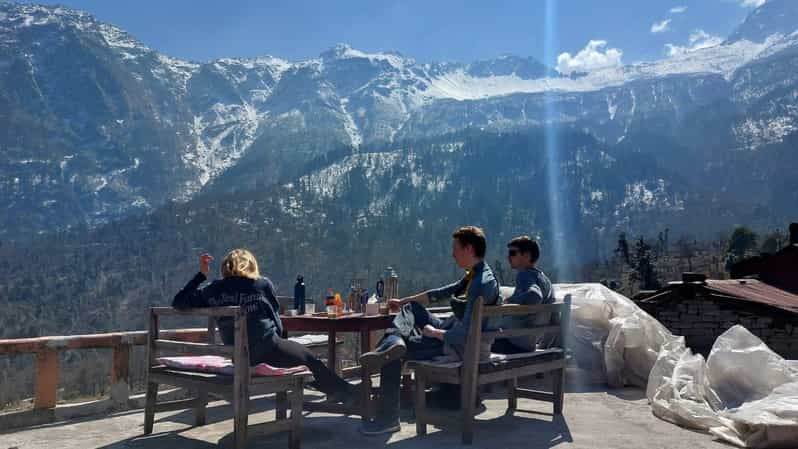
After Manang, the trek moves toward Tilicho Lake, including time spent at a Tilicho base camp area before you head out to the lake itself. This is the heart of the “best trek in Nepal” claim, because Tilicho adds both distance and altitude pressure.
The route to Tilicho is described as challenging and can be snow-covered depending on conditions. That doesn’t just change the difficulty level—it changes how you move. You’ll want careful steps, steady pacing, and a willingness to slow down if the ground turns slick or uneven.
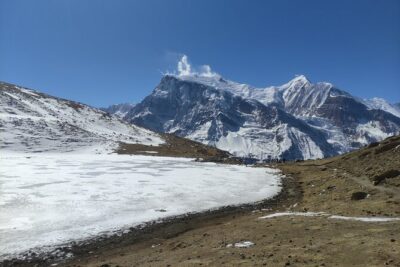
When you reach Tilicho Lake (about 4,910–4,920m), the payoff is the contrast: the water’s color and the surrounding peaks, all framed by a much harsher high-altitude world than you had earlier. Even if you’ve seen high places before, this kind of high-lake setting feels special because it’s not a viewpoint you pass by casually. It’s an objective.
Practical call-out: if you get a bit of altitude headache or just feel off on the way up, don’t try to brute-force motivation. Follow your guide’s pace and consider extra caution with slow, controlled breathing.
Ledar and Thorong High Camp: getting ready for Thorong La
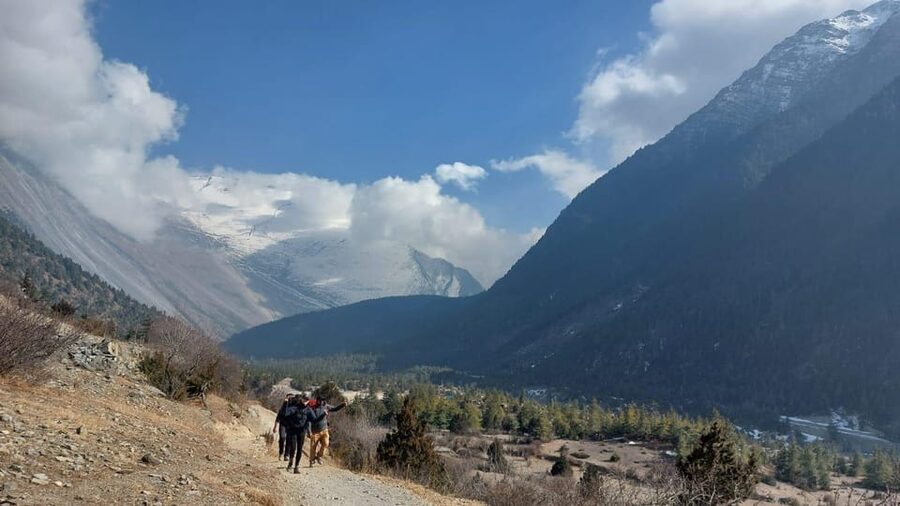
From Tilicho base camp areas and toward Ledar, you’ll keep walking and adjusting. Ledar sits in the higher transition zone where the trail can feel more exposed. This is also where your body may start bargaining: you’ll want to move efficiently, not emotionally.
Then you head to Thorong High Camp. This is a big turning point because it sets you up for a very high pass crossing the next day. The high camp is where your sleep and your mental focus matter. It’s also where you’ll appreciate having warm gear, because temperatures drop at night and wind can make everything feel sharper.
The next day you go over Thorong La Pass (5,416m). This is your highest, most intense day of the trek. On paper, it’s a few hours of movement from high camp to the pass area. In real life, it’s the kind of walking where breathing becomes your main job. The reward is panoramic: wide views across the Himalayan giants, when conditions are clear.
My advice for pass day: keep your effort smooth and small. If you feel great, resist the temptation to surge. If you feel rough, that’s normal at these heights—tell your guide early and keep moving at a pace you can sustain.
Descent to Muktinath and the Kali Gandaki finish
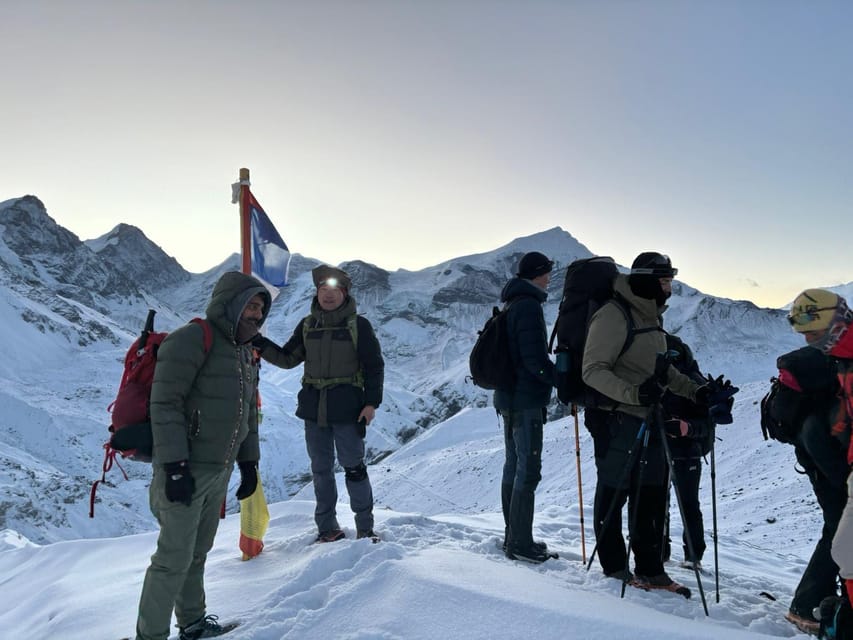
After Thorong La, the descent leads toward Muktinath, a holy town for Hindus and Buddhists. This part of the trek changes the mood fast. You’re no longer only chasing oxygen and views—you’re arriving in a place where people come for faith and ritual.
You also pass through the Kali Gandaki region, known for the ancient trade route feel and the dramatic gorge area around the valley. This is a good end-of-trek transition because the walking often shifts from “high-altitude grind” to “long valley movement,” and the culture keeps you grounded.
Then the trek usually includes transport down toward Tatopani for hot springs. That’s a nice way to recover after the pass and cold nights. Finally, you return to Pokhara by bus.
Tea houses, meals, and what you’re actually paying for
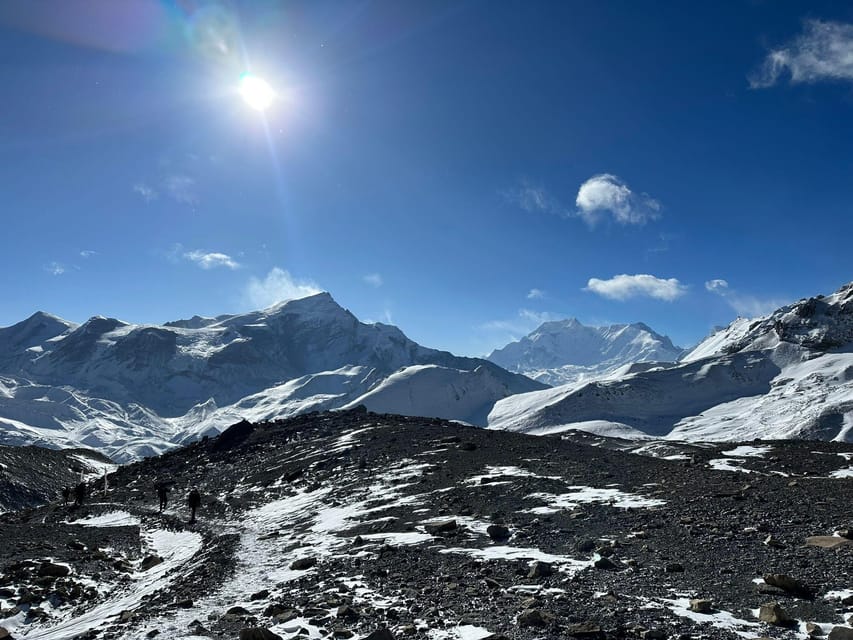
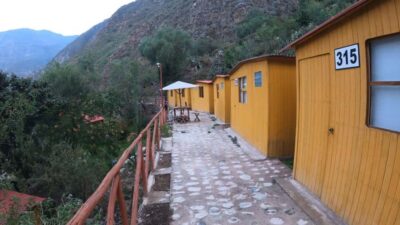
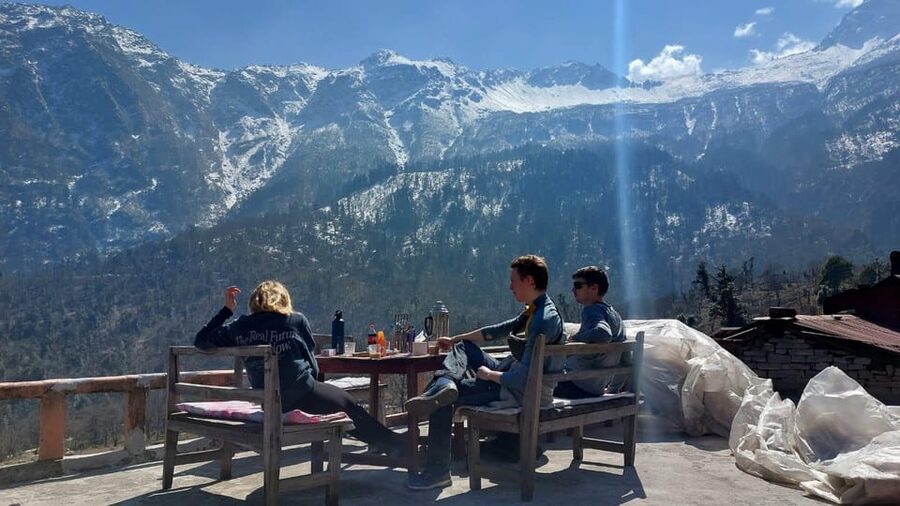
One reason this trek stays popular is that it uses tea houses for lodging during the trekking days. That means you don’t need to carry a full tent setup, and you get a predictable routine: sleep in simple rooms, warm up in common areas, and eat when food is available.
Food is partly on you. Dinner and breakfast are available in the tea house, while lunch is typically stopped at along the route with cafe options. The estimate shared is that lunch food costs around $5–$7 per meal. If you’re budgeting, plan for those extra daily costs rather than assuming all meals are included.
Now, about value and price: the listed price is about $604 per person for a 12-day experience that includes key logistics. What you’re paying for isn’t just the trekking route. You’re also paying for transport before and after the trek (Kathmandu to Besisahar, and Muktinath to Pokhara), a jeep segment to Dharapani, and the required trekking administrative items like TIMS card / ACAP permits. You’re also paying for a licensed guide with their food, salary, accommodation, and insurance included, plus basic support like a first aid box.
On top of that, the small group size (up to 6) can reduce the “herding” feeling you get on some popular routes.
What’s not included: trekking gear, and travel insurance. You’ll need to plan your own insurance because high-altitude trekking isn’t where you want to gamble.
Guides: the difference between a tough trek and a smart trek
This route succeeds or fails based on how you manage altitude and pace. The guide isn’t just there to lead you like a human GPS. The reports tied to this trek highlight specific strengths: staying safe and informed, checking in on how people feel, and adjusting pace when needed.
In the feedback you shared, guide names come up repeatedly—Ganesh Devkota, Kumar, Jeewan, and Prakash—and the praise is consistent. People valued the guide’s warmth, their ability to keep the group organized, and their altitude awareness. Some also enjoyed extra touches like local tea stops and finding photo spots off the main trail.
For you, that means: if you hire a guide like this, you’re more likely to avoid the common mistake of treating a high pass like a casual photo stop. You’ll also be better positioned to handle bad weather without panicking.
What to pack so you don’t suffer (and so you can enjoy)
The trek calls for cold-weather readiness and weather flexibility. Bring warm layers, and don’t rely on one jacket to do everything. Here’s what your planning list should include based on the provided guidance:
- Warm clothing, plus a proper jacket for cold nights
- Gloves and a sun hat, since sun can still feel strong at altitude
- Sunglasses and sunscreen
- Hiking shoes (and waterproof shoes if you expect wet or icy trail sections)
- A sleeping bag suitable for mountain cold
- Reusable water bottle and a way to carry water safely
- A waterproof bag so your essentials survive rain, snow, or splashes
Also plan for cash. Remote sections often prefer Nepalese Rupees, so don’t assume cards will work everywhere.
Weather and fitness: the real decision points
Weather in the Himalayas can change fast. The trek description includes that reality, and Tilicho’s route can also include snow-covered sections depending on conditions. So you should think of this as a trek where you’ll dress for multiple weather scenarios in the same day.
Fitness needs are described as moderate to high. That fits the route profile: multiple climb days, then the pass, then a long descent. If you’re new to altitude, focus on consistency rather than speed. You want to finish each day with energy left for hydration, food, and sleep.
If you’ve had altitude sickness before, this is likely not the right move. The trek isn’t suitable for people with altitude sickness, and it’s not meant for wheelchair users or for babies under 1 year. It also notes it’s not suitable for people over 70.
Should you book the Annapurna Circuit with Tilicho Lake?
I’d book this if you want the full Annapurna experience: villages and culture in the lower and middle sections, then a serious high-altitude objective with Tilicho Lake, and finally the famous high crossing at Thorong La plus the pilgrimage atmosphere of Muktinath.
I wouldn’t book it if you’re looking for an easy hike, or if cold, altitude, and uneven terrain would make you miserable. And if you don’t have a gear plan and don’t want to manage daily food costs, this trek can feel more expensive than it first appears.
If you’re aiming for value, the key is the included structure: permits (TIMS/ACAP), tea house lodging, guide services, and pre/post transport. With the small group size, you also get a better chance at a calmer, more controlled pace—exactly what your body needs when the mountains start getting tall.
FAQ
How long is the Annapurna Circuit with Tilicho Lake trek?
The trek is set up as a 12-day experience, including trekking days and the linked transport segments before and after the trek.
Is a guide included, and will they speak English?
Yes. The tour includes a government-licensed trekking guide, and the guide language is English.
What permits are included for this trek?
Your TIMS card and ACAP permits are included.
Where will I sleep during the trek?
You’ll stay in tea houses during the trekking days.
Is food included, or do I need a daily budget?
Dinner and breakfast can be taken in the tea houses. Lunch is typically bought during the trek, and the stated range for lunch food cost is about $5 to $7 per meal.
What’s the group size?
This is a small group experience limited to 6 participants.