REVIEW · KATHMANDU
Gokyo to Everest Base Camp Trek
Book on Viator →Operated by Ace the Himalaya · Bookable on Viator
Cho La and Everest Base Camp in one trek. This is the Everest Circuit style route that layers classic Khumbu scenery with the quieter drama of Gokyo and the Cho La Pass crossing. You’ll move through Sherpa villages, suspension bridges over the Dudh Kosi, and come out at Everest Base Camp without needing mountaineering gear.
I especially like two things about how this trip is set up: first, the route design gives you both the famous Everest views and the more out-of-the-way Gokyo Lakes scenery west of Base Camp. Second, the trip handles the big moving parts—licensed English-speaking guide, permits, Kathmandu–Lukla flights, and a porter ratio—so you can focus on hiking and acclimatizing instead of logistics.
One consideration: you’re stacking several high-altitude days, including a very early start for Cho La and demanding days for Kala Patthar and Everest Base Camp. If you’re prone to getting hit hard by altitude, take the acclimatization seriously and be ready for weather-driven schedule changes.
In This Review
- Key things to know before you go
- Everest Circuit reality check: what you’re really signing up for
- Price and inclusions: what $2,200 buys you (and what it doesn’t)
- Kathmandu kickoff: transfers, your first hotel night, and why it matters
- Lukla to Namche: suspension bridges, first altitude shock, and a smart acclimatization day
- Namche to Gokyo: rhododendron valleys, glacier country, and Machhermo breath control
- Gokyo Ri at 5,483 m: the viewpoint day that frames everything
- Thangnag and Cho La: early hours, big stakes, and how conditions change plans
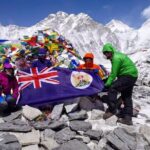
- Lobuche and Everest Base Camp: feeling the scale without needing climbing gear
- Kala Patthar and the return to Namche: the payoff and the recovery
- The guide and porter team: where you feel quality most
- Packing, altitude strategy, and weather: how to prepare so you enjoy it
- Should you book this Gokyo to Everest Base Camp trek?
- FAQ
- How long is the Gokyo to Everest Base Camp trek?
- Where does the trek start and end?
- What’s included in the tour price?
- What’s not included?
- What are the highest points on the route?
- Do I need mountaineering equipment for Everest Base Camp?
- How big is the group?
- What if weather forces changes or I need to cancel?
Key things to know before you go
- Gokyo Lakes + Gokyo Ri: a rare combo that adds big panoramas beyond the standard Everest-only routes
- Cho La Pass crossing: early starts help you dodge weather, but it’s still a high-altitude effort
- Everest Base Camp day on the Khumbu Glacier: close enough to feel the scale, without technical climbing gear
- Kala Patthar at 5,555 m: your hardest payoff day for sunrise-style views (weather permitting)
- Strong small-group feel: up to 15 travelers, with a 1 porter per 2 clients setup
- Included gear and trail water: down jacket + sleeping bag rentals and filtered water using a Katadyn Pocket filter
Everest Circuit reality check: what you’re really signing up for
This trek is not just about reaching Everest Base Camp. It’s about how you get there: you’ll take a circuit route that climbs from the Lukla gateway into the Khumbu and then loops over toward Gokyo, Cho La, and back toward Everest. That adds time and effort, but it also means you see more “different” high-mountain viewpoints instead of repeating the same trail loop.
You’ll also feel the rhythm of the Himalaya—some days are heavy climbs, others are strategic breaks. The itinerary includes a proper acclimatization pause in Namche Bazaar and then multiple climbs that force your body to adapt gradually.
The payoff is a full high-altitude story: Sherpa towns (Namche, Tengboche/Pangboche area), glacier walking at Everest Base Camp, and viewpoint days at Gokyo Ri, Cho La, and Kala Patthar.
You can also read our reviews of more tours and experiences in Kathmandu.
Price and inclusions: what $2,200 buys you (and what it doesn’t)
At $2,200 per person, the big value is that many of the costly, time-sensitive pieces are already handled. You get Kathmandu–Lukla–Kathmandu airfare, trekking permits, and 14 lunches + 14 dinners + 16 breakfasts (with the two extra Kathmandu meal days not included). You also get two nights in a three-star hotel in Kathmandu and guesthouse stays for the trek.
The included gear is another meaningful cost saver: you’re provided a down jacket and sleeping bag specifically for the trek (and you return them afterward). Plus, trail hydration is supported with filtered water using a Katadyn Pocket Water Filter.
What’s not included is equally important: international airfare, the Nepal entry visa, and travel insurance that covers emergency high-altitude rescue and evacuation. Alcohol and drinks aren’t included either, and you should plan on tipping for trekking staff and your driver.
My practical take: this price tends to be fair if you’d otherwise pay for permits, flights into Lukla, and a staffed team. If you’re trying to do Everest on the absolute cheapest shoestring, this isn’t that style. But if you want safety, organization, and fewer headaches, this is where your money goes.
Kathmandu kickoff: transfers, your first hotel night, and why it matters
Most people underestimate how much the Kathmandu phase affects the trek. Here, an airport representative meets you at Tribhuvan International Airport, helps you get started right away, and you’re transferred to your Kathmandu hotel for two nights.
That matters because you’re not just traveling—you’re preparing. You’ll have time for essentials like buying any missing gear, getting local cash sorted, and confirming flight details for Lukla. Starting calmly reduces avoidable stress when your body needs all its energy for altitude.
Also note the practical group setup: it’s a maximum of 15 travelers, so you’ll likely get more personal attention than on huge trekking buses. And because pickup is included, you don’t waste the first morning trying to find the right vehicle.
Lukla to Namche: suspension bridges, first altitude shock, and a smart acclimatization day
Day one of the mountain portion is a short-but-famous jump: a scenic flight from Kathmandu to Lukla (2,804 m). Then the trekking starts at altitude immediately, so this isn’t the “ease in on flat terrain” kind of hike.
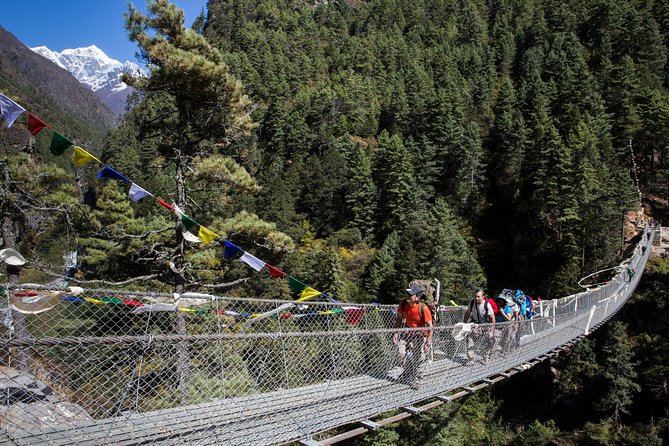
From Lukla to Phakding, you’re walking with early views of the Khumbu valley and getting used to the pace of hiking at elevation. The route also includes multiple suspension bridge crossings over the Dudh Kosi, which adds energy to the day even when you’re walking slower than you’re used to.
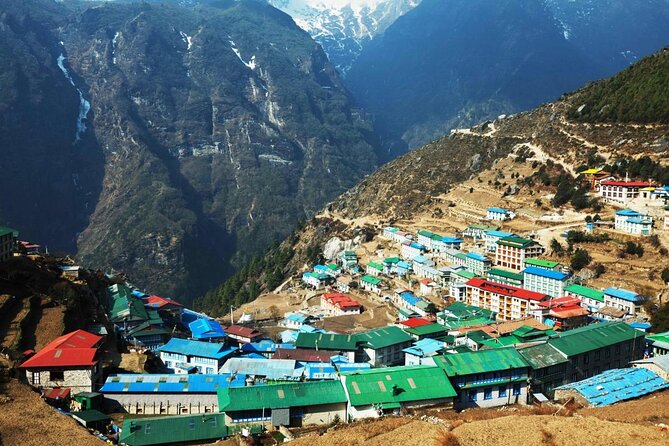
The next stretch brings you to Namche Bazaar. This is a key turning point because you don’t simply arrive and push higher the same day. You get a day in Namche to acclimatize, plus time for a museum focusing on Sherpa customs and traditional life. That’s one of the best parts of this trek: it’s not only about “going up,” it also gives you context for the people you’re walking alongside.
A useful drawback to keep in mind: Namche and the climb days around it can feel busy compared to the quieter Gokyo side. If you like quiet trail moments, that’s why the later part of the circuit is so satisfying.
Namche to Gokyo: rhododendron valleys, glacier country, and Machhermo breath control
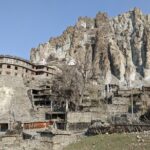
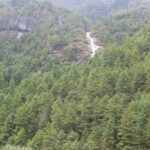
After Namche, the trekking route climbs through varied terrain—rhododendron forests and then higher, more rugged sections as elevation rises. You’ll pass through Phortse, then reach Machhermo, and finally push into Gokyo.
Machhermo is a good example of what makes this circuit effective. It’s not only a sleep stop; it’s part of how you learn to hike “high but steady.” You’ll be climbing ridges, dropping toward rivers, and then climbing again toward the Ngozumpa glacier terminal moraine area. That stop helps set you up for Gokyo because it teaches your body a rhythm.
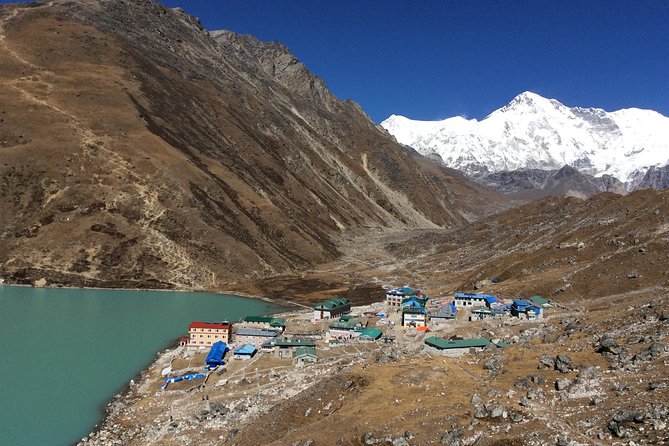
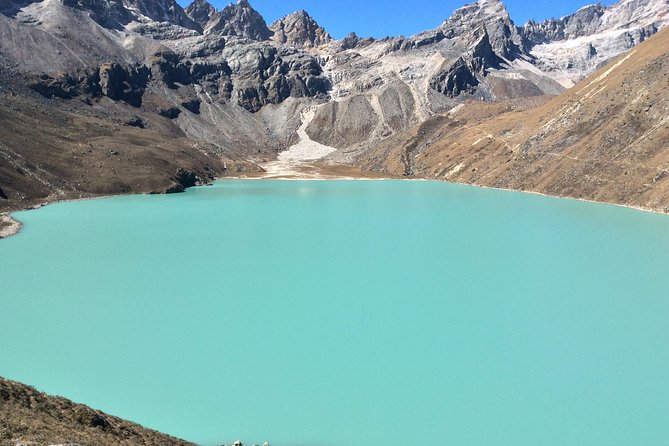
Then comes Gokyo (4,790 m) for two nights. This is a huge practical win. Many Everest routes give you less time on the Gokyo side. Here, you get time for sightseeing and short hikes around the lakes, so you’re not just suffering through elevations—you’re also absorbing the scenery and adjusting your pace.
If you like panoramic variety, this is where you’ll feel it most.
Gokyo Ri at 5,483 m: the viewpoint day that frames everything
The Gokyo Ri morning is a steep climb to 5,483 m. The schedule calls for an early start, and the hike is short in distance but heavy in effort—classic high-altitude math: not far, just hard.
Why this matters: Gokyo Ri gives you sweeping views across the Gokyo valley, and it turns the entire circuit into a visual map. After this day, you’ll understand where Cho La and Everest sit relative to the lakes and ridgelines you’ve been hiking through.
Is it for everyone? It’s doable for many people, but your ability to handle steep climbs will decide how much you enjoy it. If you’ve ever lost the ability to catch your breath on stairs, consider doing the ascent at a slower pace and focusing on steady breathing rather than speed.
Thangnag and Cho La: early hours, big stakes, and how conditions change plans
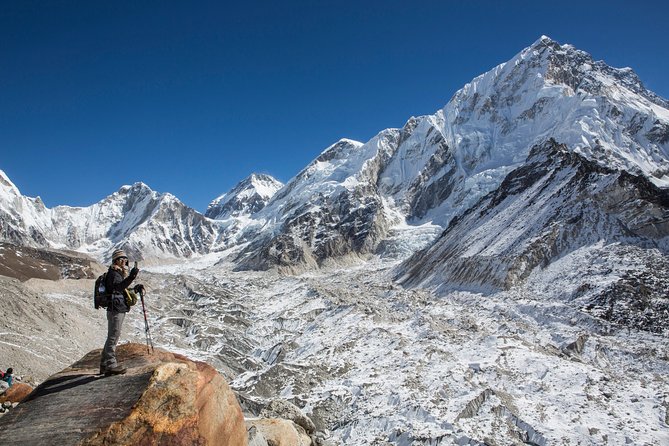
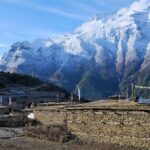
The trek to Thangnag is a move toward the high pass world. This part is also described as more remote, with very basic dormitory-style accommodation. You’re not just trading comfort here—you’re also stepping into a zone where weather can shift fast, so the logistics feel more serious.
Then there’s Cho La Pass. You start before sunrise, around 4:00–5:00 am, aiming to cross the pass between about 9:00 am and 10:00 am to avoid midday weather. That timing isn’t a gimmick; it’s a real safety tactic when clouds, wind, and visibility can change quickly at altitude.
You cross at roughly 5,300 m, which is high enough to make footing and breathing both harder. The good news is that this pass transitions you into the next segment—toward Lobuche and ultimately Everest Base Camp—so the effort feels connected instead of random.
A practical takeaway: if conditions turn poor, don’t expect the trek to feel like a rigid checklist. Flexibility is part of why a good guide matters here.
Lobuche and Everest Base Camp: feeling the scale without needing climbing gear
From Thangnag, you reach Lobuche via a shorter route. Then comes the big day to Everest Base Camp at 5,365 m.
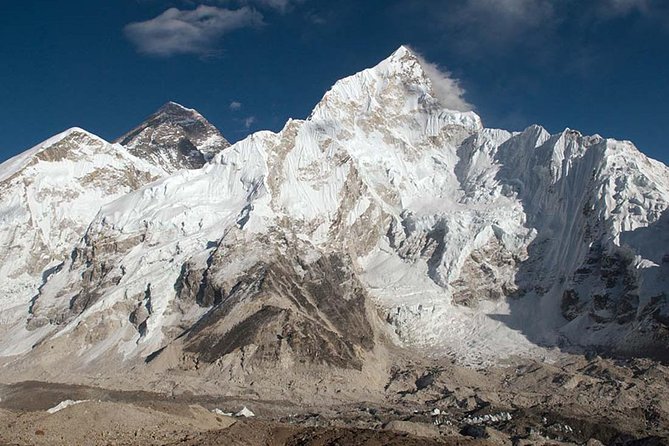
This is described as a walk along the Khumbu Glacier and then up to Base Camp. No mountaineering equipment is required, which is a big difference versus summit attempts. Still, it’s a hard, long day because you’re hiking at high altitude and pushing through glacier terrain.
What you should expect mentally: Base Camp can look more real than you imagine. The scale hits you in stages—first with the glacier walking, then with the density of the Base Camp area, and then with the surrounding peaks making the whole scene feel like it’s closing in.
The main drawback is simple: you’ll be tired. After Cho La, your legs may feel heavy, and the day doesn’t come with “rest and reset” built in. Plan to move carefully, take breaks when your breathing demands it, and don’t chase pace for photos.
Kala Patthar and the return to Namche: the payoff and the recovery
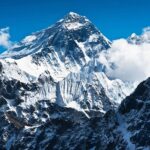
Kala Patthar at 5,555 m is one of the most difficult yet rewarding moments of the trek. You’ll climb most of the morning and the ascent is demanding—but it’s also one of the classic viewpoints for Everest-area panoramas.
This is also where guides’ judgment really matters. Timing depends on weather and visibility, and the sunrise-style window can be disrupted. If clouds roll in, you may still get incredible views, but you’ll want to trust your guide’s calls.
After that, you shift gears: you descend back toward Namche Bazaar, passing through Pangboche and Tengboche along the way. This is also your chance to connect with the program theme of Buddhist monasteries at high elevation. Even without a long cultural detour, these villages break up the purely physical grind with the human side of the Khumbu.
Finally, you return to Lukla and then fly back to Kathmandu. The return is easier in effort than the high pass days, but it still counts. Trekking downhill too fast can punish your knees, so keep a steady pace and use the descents to recover, not to sprint.
The guide and porter team: where you feel quality most
One reason this trek keeps earning top marks is the human team behind it. Reviews highlight guides such as Nima, Raj N, Raj Kumar, Ramesh, Ganesh, and Lakpa Sherpa. You’ll also see support praised for “safety first” decision-making and flexibility when conditions get rough.
That’s not a small detail. At altitude, the difference between a good day and a bad day is often weather timing, pace control, and knowing when to adjust. The fact that the route can involve early starts and high passes means your guide’s judgment is part of your safety plan.
You’ll also have 1 porter for every 2 clients, which helps keep your load manageable. In the reviews, porters like Biroj, Sonam, and Haym come up for their attitude and stamina. Even if your gear pack isn’t heavy, having the porter support makes a noticeable difference on long climbing days.
In short: this is the kind of trek where you want people who’ve done this route many times before. This operator’s track record suggests they do.
Packing, altitude strategy, and weather: how to prepare so you enjoy it
This trek is described as suitable for a moderate fitness level, but don’t mix that up with “easy.” You’re at high elevations for many days, with several intense climbs and passes.
I recommend you treat acclimatization as training, not downtime. On the Namche day, you’ll get altitude adjustment time and museum access, but you still need to rest properly. On the Gokyo and Cho La segments, focus on steady pace and avoid the temptation to rush for views.
Weather is the other big variable. The cancellation terms say the experience depends on good weather, which is exactly what you should expect in the Himalaya. The route can involve steep and cold conditions, so dress in layers and make sure your cold-weather kit is ready before Lukla day.
And if you’re worried about weather forcing changes, take comfort in the fact that guides can adjust. In reviews, people described adjusting plans during storms, and some opted for alternatives like a helicopter ride when conditions made trekking unsafe.
Should you book this Gokyo to Everest Base Camp trek?
Book it if you want more than just Everest photos. The circuit routing through Gokyo and the lakes gives you extra scenery, and the viewpoints are spread out in a way that keeps the trek from feeling like one long slog.
I’d also say it’s a good match if you prefer structure and support: flights, permits, meals, guide, porter ratio, and even down jacket + sleeping bag rental are all handled. For many hikers, that’s the difference between enjoying the mountains and fighting paperwork and planning.
Skip this trek (or at least ask tough questions first) if you know you struggle with altitude climbs or early starts. The itinerary includes serious altitude days like Cho La and Kala Patthar, and the accommodations can be basic in remote areas like Thangnag.
FAQ
How long is the Gokyo to Everest Base Camp trek?
The trek runs for about 17 days, based on the provided itinerary.
Where does the trek start and end?
It starts at Tribhuvan Airport in Kathmandu, Nepal, and ends back at the same meeting point after returning to Kathmandu.
What’s included in the tour price?
The package includes airport transfers, Kathmandu hotel (two nights), trekking guesthouse stays (14 nights), a licensed English-speaking trekking guide, permits, porter support (1 porter for every two clients), down jacket and sleeping bag rental, Kathmandu–Lukla–Kathmandu flights, filtered water on the trails, seasonal fruits, and most meals (breakfast 16 times, lunch 14 times, dinner 14 times).
What’s not included?
Not included are lunch and dinner in Kathmandu, Nepal entry visa, international airfare, travel insurance (especially for emergency high-altitude rescue and evacuation), alcoholic drinks, non-specified personal trekking equipment, and tips for staff and the driver.
What are the highest points on the route?
The route includes high-altitude highlights such as Gokyo Ri (5,483 m), Cho La crossing (around 5,300 m), Everest Base Camp (5,365 m), and Kala Patthar (5,555 m).
Do I need mountaineering equipment for Everest Base Camp?
No mountaineering equipment is required for the Everest Base Camp portion as described in the itinerary.
How big is the group?
This experience has a maximum of 15 travelers.
What if weather forces changes or I need to cancel?
If the trek is canceled due to poor weather, you’ll be offered a different date or a full refund. If you cancel, you can cancel up to 6 days in advance for a full refund; 2–6 days before gives a 50% refund; less than 2 days before is not refunded.