REVIEW · MANALI
Friendship Peak Trek
Book on Viator →Operated by Bikat Adventures Private Limited · Bookable on Viator
High altitude without the guesswork. This supported Friendship Peak trek in Himachal Pradesh gives you structure, safety gear, and real summit payoff in the Pir Panjal range.
What I like most is the combination of serious safety equipment and trained leadership. You’re not just hiking with a guide; you’re also provided key climbing/rigging gear, plus certified expedition support like a trek leader with first aid and a special rescue course.
The main drawback is also the obvious one: this isn’t for beginners. The summit push sits at 17,348 ft, and the fitness and prior high-altitude trek experience requirement is real.
In This Review
- Key things that make this trek tick
- Friendship Peak: why this trek feels like a true summit goal
- Pir Panjal terrain: what you’ll actually be walking through
- Fitness and prior trekking experience: the real entry ticket
- How the 8 days unfold: route flow and what each day means
- Day 1: Arrive in Manali and get settled
- Day 2: Drive toward Solang, then hike to Bakarthatch
- Day 3: Bakarthatch to Advance Base Camp
- Day 4: Transport to Camp 1, then back to ABC
- Day 5: Acclimatization day and moving to Camp 1
- Day 6: Summit attempt and back to base
- Day 7: Reserve day
- Day 8: Base camp back to Solang, then drive to Manali
- Gear and safety: why this package feels more controlled
- Camp life and food: the energy that keeps your pace honest
- Leadership and support: your guide is part of the safety plan
- Seasons that work: May–June and September–October
- Price and value: what you’re paying for at $898.79
- Should you book Friendship Peak?
- FAQ
- Is Friendship Peak suitable for beginners?
- What’s the highest point on the trek?
- What months are best to do this trek?
- What’s included in the trek price?
- Are tents and sleeping gear provided?
- Do they provide portage for personal bags?
- What if the trek is canceled due to weather?
Key things that make this trek tick
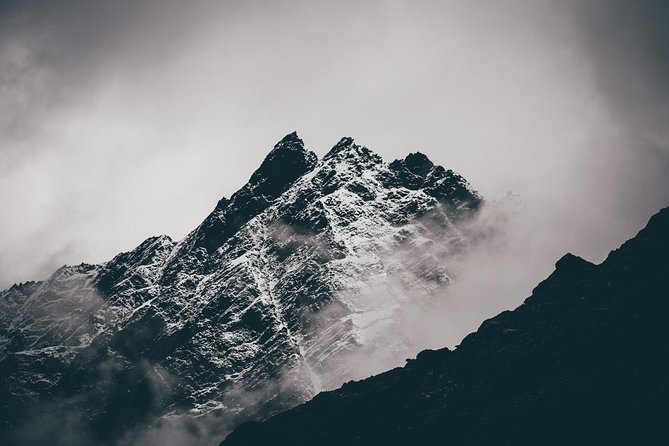
- Friendship Peak at 17,348 ft: big panoramic views over Pir Panjal, Dhauldhar, and the main Himalayan range.
- Tents, sleeping bags, and mats included: camp life is handled for you, so you can focus on the trail.
- Safety gear listed explicitly: static rescue rope, seat harness, carabiners, pulleys, snow stake, and dead man/boy hardware.
- Meals are built in: you eat from lunch on Day 2 through the final day’s included meals in Manali.
- Private group feel: it’s a private activity, so the pace is less chaotic than mixed group tours.
- A reserve day exists: if weather slows things, you’re not automatically forced to gamble.
Friendship Peak: why this trek feels like a true summit goal
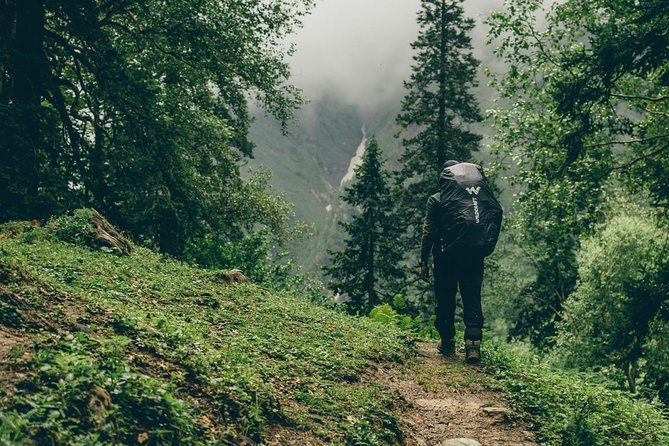
Friendship Peak sits in the Pir Panjal range, and it’s one of the best-known trekking summits in India. Expect a route that changes character often—alpine meadows, dense forest sections, and multiple stream crossings that keep the days from feeling repetitive.
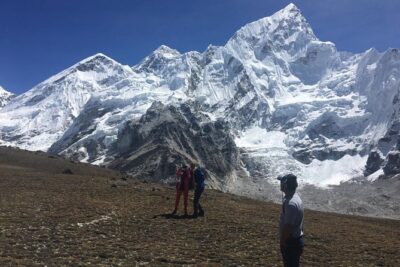
At the top, the reward is the kind of view that doesn’t fit in a screen. You get panoramic sightlines across the Pir Panjal and Dhauldhar ranges, with the wider Himalayan chain in the background.
This is also a trek where the details matter. The trek is supported, which means you’re less likely to deal with the stress of logistics while you’re trying to handle steep sections, cold mornings, and thinner air.
You can also read our reviews of more tours and experiences in Manali.
Pir Panjal terrain: what you’ll actually be walking through
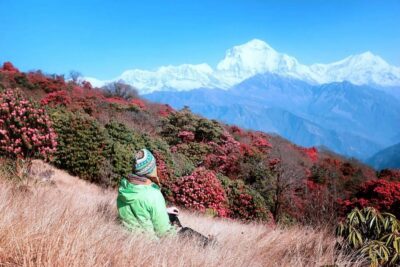
The trail’s variety is a big part of why I think this trek works. You’ll spend time moving through forest, then shift into open alpine meadow zones. That matters because it changes your footing, the way wind hits you, and how you manage your layers.
Stream crossings also play a role in the day-to-day reality here. Even if the crossings aren’t always technical, they influence pacing and how quickly your boots get wet. If you’re the type who hates slowdowns, don’t worry—you’ll still keep moving—but plan to stay flexible.
Wildlife and plant life are part of the experience too. The route is known for highly varied flora and fauna, so don’t just treat the day as a “distance mission.” Pause sometimes, look around, and you’ll enjoy the hike more.
Fitness and prior trekking experience: the real entry ticket
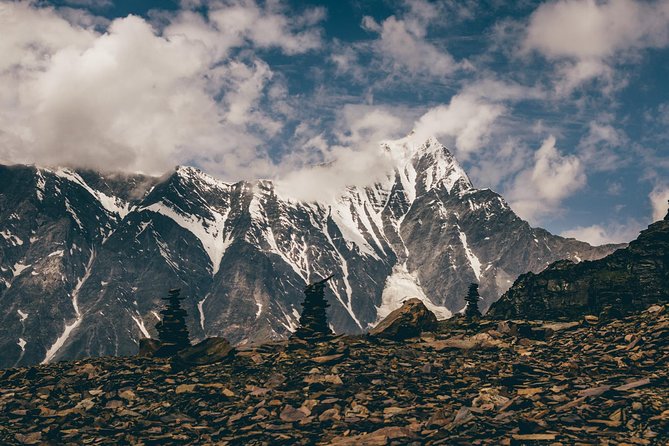
Friendship Peak is not for beginners. The summit is at 17,348 ft, and the program is structured around high-altitude trekking expectations.
The standard you’re asked to meet isn’t vague:
- You should have 2–3 challenging treks plus 20–25 total trekking days in the Himalayas or similar ranges.
- You should be able to jog/run 5 km in 25–30 minutes, or walk continuously for 10 km on mostly flat ground with a few short breaks.
- You should maintain strong overall fitness because you’ll be dealing with long days, elevation, and cold.
If you don’t match that baseline yet, you’ll feel it on the summit attempt and during the cold, early starts. This trek won’t be impossible, but it will be uncomfortable in a hurry.
How the 8 days unfold: route flow and what each day means
Here’s how the trek typically flows, and why those steps are there.
Day 1: Arrive in Manali and get settled
You arrive in Manali and spend the night in a hotel/guest house. I like this kind of buffer day because it lets you handle sleep, food, and last-minute gear readiness without rushing.
You’ll also get a chance to organize your mindset. A summit trek feels easier when you aren’t trying to solve problems on the same day you start hiking.
Day 2: Drive toward Solang, then hike to Bakarthatch
You’ll drive from Manali to Solang, then start trekking toward Bakarthatch. This is the day where your legs learn the terrain, and your lungs test the air after travel.
You’ll be hiking while you’re still fresh enough to enjoy the scenery. Keep your effort controlled and don’t race—this trek rewards steady pacing.
Day 3: Bakarthatch to Advance Base Camp
Today’s hike takes you to Advance Base Camp (ABC). Expect a more “serious trek” feel here: consistent effort, more attention to cold management, and more focus on how you’re breathing.
ABC is usually where your body needs to start adapting to the routine—layering, hydration, and sleep quality.
Day 4: Transport to Camp 1, then back to ABC
You make a move toward Camp 1 and then return to ABC. The key point isn’t just distance—it’s acclimatization without exhausting yourself before the real push.
Think of Day 4 as a training day for altitude. You’ll feel the thin air, but you’ll come back down to rest instead of turning it into a summit day.
Day 5: Acclimatization day and moving to Camp 1
Today is built for acclimatization, and then you head up to Camp 1. This is where you’ll be thankful the itinerary is staged rather than rushed.
It’s also a good day to practice your summit-morning rhythm—how you eat, how you warm up, and how you manage your gear in cold wind.
Day 6: Summit attempt and back to base
This is the day you’ve been aiming at. You attempt Friendship Peak and return to base camp afterward.
The summit push will demand focus. Don’t spend your energy sprinting early. Save your strength for the steady grind late in the day when the air feels thinner and your legs start arguing.
Day 7: Reserve day
You get a reserve day, which is a big deal in the Himalaya. Weather can shift, and conditions can force changes fast. Having a backup day means you’re not trapped into one single outcome.
Even if you end up hiking less, the reserve day often improves the whole trek experience because you keep your stress levels lower.
Day 8: Base camp back to Solang, then drive to Manali
You trek back to Solang and then drive to Manali. This is a relief day physically, but don’t treat it like a full vacation day—fatigue lingers at altitude.
Once you’re back in Manali, you can finally exhale, eat normally, and plan your next trip while the mountains are still fresh in your head.
Gear and safety: why this package feels more controlled
One of the best-value parts of this trek is the way it handles equipment and risk. The package includes tents on a twin sharing basis, plus sleeping bags and sleeping mats.
You’re also provided a listed set of safety and rescue items such as:
- static rescue rope
- seat harness, carabiners, pulleys
- snow stake and dead man/boy
That’s not just “nice to have.” On snow and steep terrain, having the right rope and anchor systems can change everything about how incidents get managed.
On personal gear, the trek includes things like snow boots, helmet, gaiters, and ice-axe. That reduces the headache of buying the wrong equipment for one trip.
One practical note: you carry your own bags. Portage of personal bags during the trek is not included. So pack smart. Bring what you can handle for long stretches and cold mornings.
Camp life and food: the energy that keeps your pace honest
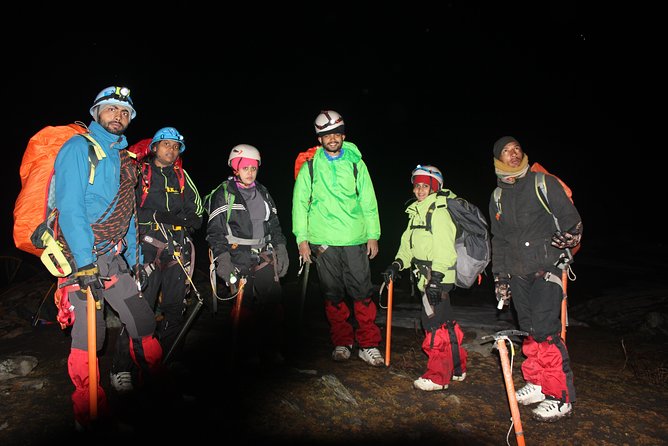
Meals are included while on trek, starting with lunch on Day 2 and continuing through dinner on the last day in Manali. That’s a key detail because it removes constant decision-making on trail.
You can expect freshly cooked camp meals prepared by a camp chef, and you’ll have food on a schedule rather than “maybe we find something” at each stop.
This matters for summit success. When nutrition is consistent, you can keep a steadier rhythm. When snacks show up on time and meals are reliable, the whole trekking day feels more predictable.
And yes, food quality is a big deal here. In the broader set of trips run by this provider, people specifically highlight the kitchen team and the meals as a standout part of the experience. You should still expect mountains to control your appetite—but you’ll likely be glad the food is taken seriously.
Leadership and support: your guide is part of the safety plan
You’re not traveling alone in a DIY way. The package includes an expedition guide and cook, plus helpers and porters for carrying common supplies.
Also included is a mountaineering course certified trek leader with first aid certification and a special rescue course. That level of training is exactly what you want for high-altitude trekking where cold stress and slips can escalate quickly.
From the provider’s track record in other Himalaya treks, leaders named like Nitin sir have been praised for summit encouragement during the hardest moments, and Bharath Choudhary has been noted for professionalism and supportive guidance. You might not get the same person on your exact batch, but it tells you the company does hire and train people who understand both safety and morale.
The setup also aims for a supportive pace. People repeatedly come back to the idea that trek leaders were helpful and that arrangements were handled properly.
Seasons that work: May–June and September–October
Timing is everything in Himachal. The best months for this trek are May to June and September to October.
In those windows, you’re more likely to see workable trekking conditions rather than peak winter hazards. You’ll still face cold and possibly snow at higher points, but the season selection is meant to reduce the odds of getting stuck or turning the trip into a survival exercise.
Weather can always change in the mountains, though. The experience also requires good weather, and if it gets canceled due to poor conditions, you’ll be offered a different date or a full refund.
Price and value: what you’re paying for at $898.79
At about $898.79 per person, this trek isn’t cheap, but the price is easier to justify when you look at what’s included.
You’re getting:
- two nights in Manali (hotel/guest house) on Day 1 and the last day
- tents, sleeping bags, and mats
- trek meals (starting lunch Day 2 through meals in Manali)
- safety and rescue equipment (ropes, harness, pulleys, anchors)
- equipment support like snow boots, helmet, gaiters, ice-axe
- certified leadership with first aid and special rescue course
- forest permits/camping charges, if any
- IMF fees for foreign nationals
Where you may feel the cost is in what’s not included:
- travel insurance (important in a high-altitude trek)
- portage of personal bags during the trek
- anything not spelled out in inclusions
To me, the value comes from risk management and reduced logistical stress. You’re paying for structure, trained support, and the gear you’d otherwise spend time hunting for.
If you’re already planning to bring solid equipment, you could lower costs on the personal-gear side. But most people don’t want to gamble with buying rentals in the wrong size or wrong spec. This package removes that guesswork.
Should you book Friendship Peak?
Book it if:
- you meet the high-altitude trek experience requirement and fitness baseline
- you want a supported trek where safety gear is clearly part of the plan
- you prefer a private group experience with steady guidance rather than a rushed crowd hike
- you like scenery variety—forest to meadow to snow/ice terrain—and you’re excited by a real summit goal
Skip it for now if:
- you’re new to altitude trekking
- you can’t comfortably sustain the walking/jog targets listed for the program
- you don’t want to carry your own bag (because portage of personal bags isn’t included)
If you’re ready to train a bit and then commit, this trek can deliver exactly what you came for: a challenging climb, structured acclimatization, and summit views that stay with you long after the hike is over.
FAQ
Is Friendship Peak suitable for beginners?
No. Friendship Peak is not meant for beginners and requires prior experience with high altitude treks. You should also have a strong fitness level.
What’s the highest point on the trek?
The trek’s summit is at 17,348 ft in the Pir Panjal range.
What months are best to do this trek?
The recommended best months are May to June and September to October.
What’s included in the trek price?
Included items cover trek meals (starting lunch on Day 2), Manali accommodation on Day 1 and the last day, tents and sleep gear, safety equipment, guide/cook/helpers/porters for common supplies, and personal equipment such as snow boots, helmet, gaiters, and ice-axe. IMF fees for foreign nationals are also included.
Are tents and sleeping gear provided?
Yes. The package includes tents on twin sharing basis, plus sleeping bags and sleeping mats.
Do they provide portage for personal bags?
No. Portage of personal bags during the trek is not included, so you carry your own bags.
What if the trek is canceled due to weather?
The experience requires good weather. If it’s canceled because of poor weather, you’ll be offered a different date or a full refund. The experience is otherwise non-refundable.