REVIEW · KATHMANDU
12 Days Everest Base Camp Trek from Kathmandu
Book on Viator →Operated by CAN Travels · Bookable on Viator
Ever dreamed of seeing Everest up close? I love the combination of real Sherpa culture and the big Everest-region landmarks you hit along the way. I also like that the itinerary gives you real acclimatization breathing room, not just nonstop hiking. The one drawback to keep in mind is that you’ll need a strong physical fitness level, because you’re looking at multiple 6–8 hour trekking days plus a demanding viewpoint day.
This is a straightforward, practical kind of Everest Base Camp trip. You get hotel pickup and drop-off in Kathmandu, Kathmandu to Lukla flights and back, a licensed English-speaking guide, guesthouse nights, and the permits handled. That matters because on a trek this high and this long, the small friction points add up.
In the field, guide quality looks like the real differentiator. In past trips through CAN Travels, people singled out guides like Prakash, Milan, and Dev for staying professional, sharing smart altitude tips, and keeping the group moving safely.
In This Review
- Key things to know before you go
- Kathmandu to Lukla: why that first flight sets the tone
- The Namche stretch: Dudh Koshi river days and Sagarmatha National Park
- Namche acclimatization day: the smart pause before Tengboche
- Rhododendron forests to Tengboche Monastery Helipad
- Dingboche days: stupas, bridges, and a purposeful rest
- Dingboche to Lobuche: from lush forests to sparse shrubs
- Everest Base Camp day: the walk to Gorka Shep and onward
- Kala Patthar: the 360-degree viewpoint day above EBC
- The return: retracing steps from Namche to Lukla to Kathmandu
- Price and value: $1,380 and what you still pay for
- Guides make the difference: Prakash, Milan, Dev
- Who this trek fits best (and who should think twice)
- Should you book this Everest Base Camp trek?
- FAQ
- What is included in the tour price?
- Are the Kathmandu to Lukla flights included?
- Is the trek a private tour?
- What kind of lodging do you get on the trek?
- Do I need to pay extra for meals?
- Are trekking permits handled?
- What fitness level do I need?
Key things to know before you go
- Kathmandu–Lukla flights are included, so you can plan your budget and timeline around an organized transfer.
- Acclimatization days in Namche and Dingboche help you adjust before the higher sections.
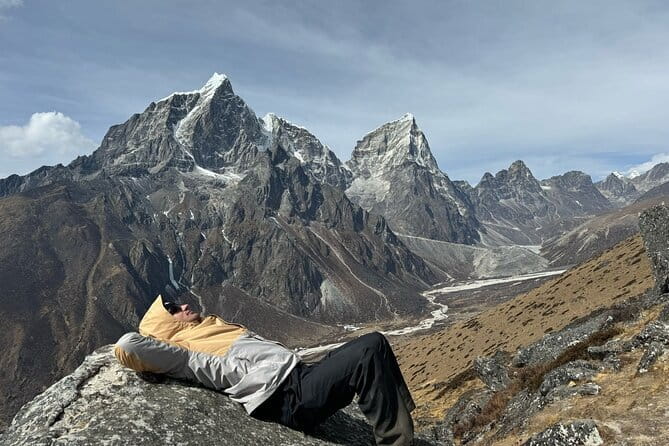
- Tengboche Monastery gives you a classic Himalayan cultural stop with stunning views in the mix.
- Kala Patthar is the big-sky day, known for 360-degree perspectives above Everest Base Camp.
- Guesthouse trekking keeps it simple: you’re not switching to hotels or specialty lodges every night.
Kathmandu to Lukla: why that first flight sets the tone
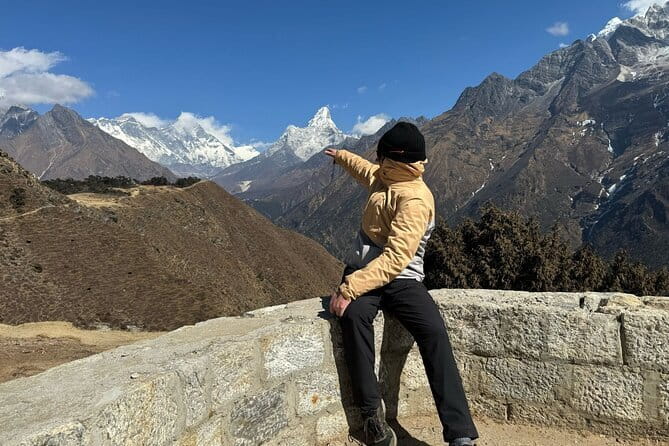
Your trek officially starts after a short, scenic flight from Kathmandu to Lukla, where you meet the rest of the crew. That matters because Lukla is where the whole rhythm of the trek begins. You’re not easing in with a slow road transfer day; you jump into the trekking zone immediately, which is energizing if you like momentum.
This trip keeps logistics clean. Flights are included both ways (Kathmandu to Lukla and the return back to Kathmandu). That’s a real value point because flight timing and seat availability can be a headache on Everest routes. The downside is that you are still at the mercy of flight operations, so you should plan to stay flexible if something shifts.
Once you land, you transition into the Dudh Koshi River corridor and head to Phakding. That first day’s goal is not conquering Everest. It’s getting your legs working, feeling the trail surface, and settling into high-altitude guesthouse life.
You can also read our reviews of more tours and experiences in Kathmandu.



The Namche stretch: Dudh Koshi river days and Sagarmatha National Park
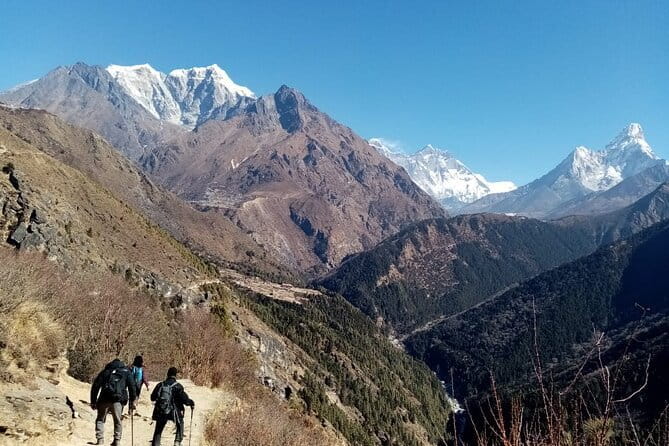
After Lukla, you head toward Phakding and then continue toward Namche Bazaar. One of the best parts here is how quickly you get a feel for the Everest region without it turning into pure grind. Day 2 includes trekking through Sagarmatha National Park, where you’ll pass small villages and cross streams. The park side of the route is also where you’re more likely to notice wildlife and flowers along the way, depending on season.
You’re also entering a zone where the trail atmosphere changes. Villages get denser, the path becomes more central, and Namche Bazaar starts feeling like a hub. It’s the kind of place where you can refuel mentally as much as physically.
Practical takeaway: treat this as an “adjust and observe” phase. You’ll be moving for hours, but your wins are things like steady pacing, hydration, and getting used to breathing harder on uphill sections.
Namche acclimatization day: the smart pause before Tengboche
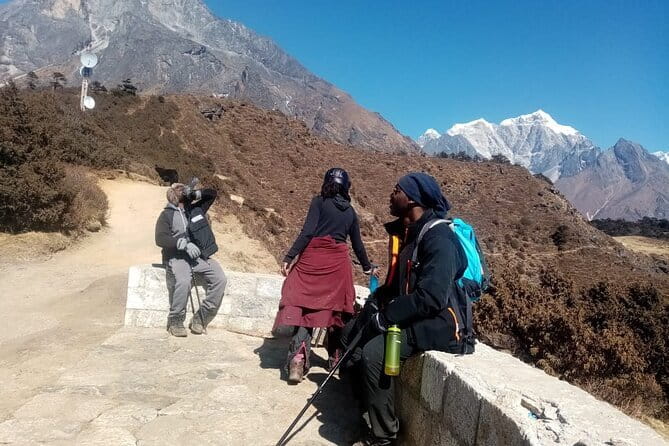
On day 3, you spend time around Namche Bazaar and acclimatize to the altitude. The itinerary includes an excursion option to either Syangboche Airstrip or Everest View Hotel. Even if you don’t think much about it beforehand, an acclimatization day like this is one of the most important parts of an Everest Base Camp trek.
Why? Because your body needs time to handle altitude. Pushing onward immediately can turn the trek into a long exercise in fatigue and risk. With Namche in the middle, you get a controlled reset before the higher portion toward Tengboche.
This is also where you start noticing the Sherpa rhythm more clearly: monastery influence, prayer flags, and the lived-in culture around the trail. You’re not just hiking through the region. You’re passing through it.
Rhododendron forests to Tengboche Monastery Helipad
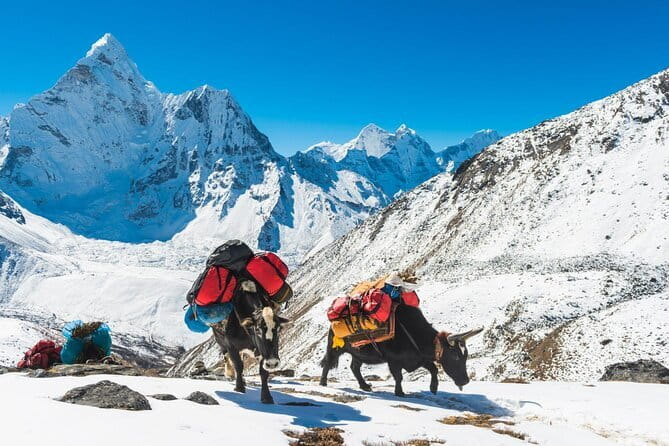
Day 4 moves you toward Tengboche with a gradual ascent through rhododendron forests. You pass Imja Khola and reach Tengboche village, where you get to explore the Tenboche monastery area. The trip describes it as the oldest monastery in the Khumbu region, which adds weight to the stop. And when a monastery sits with huge mountain backdrops, it’s easy to understand why Buddhism and mountain life are so tightly linked here.
This day tends to feel special because it combines three elements at once:
- a classic uphill forest trail
- a major cultural site
- big-view payoff when the weather cooperates
If you care about the human side of the Himalaya, this is where that shows. You’ll see rituals and prayer-wheel culture in a setting that’s still actively used by locals.
Dingboche days: stupas, bridges, and a purposeful rest
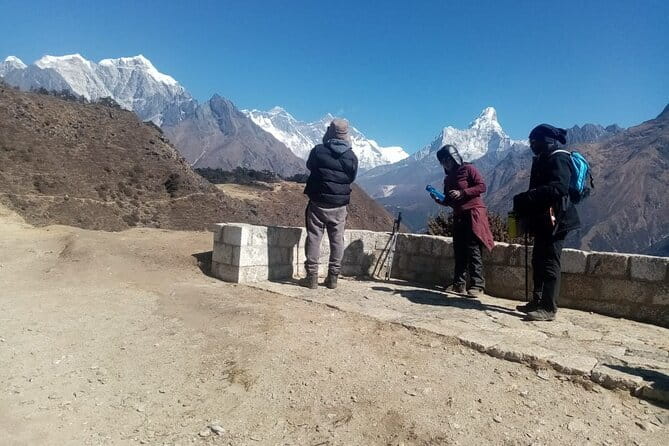
On day 5, the trail continues upward with suspension bridges and smaller settlements like Pangboche and Orsho. You’ll also encounter stupas and chortens along the way. Those details matter because they’re part of the “language” of the trail—small religious markers that make the hike feel deeply Himalayan rather than generic mountain trekking.
Day 6 is a rest and adjustment day in Dingboche. Instead of another long push, you take a hike to Nagarjun Hill. The benefit is twofold: you get views of peaks like Everest, Lhotse, Ama Dablam, Nuptse, Thamserku, Pumori, and more (as the itinerary notes), but you do it in a way that supports acclimatization rather than fighting altitude.
This is where I think the itinerary design shines. You’re not just stacking days. You’re alternating effort with recovery.




Dingboche to Lobuche: from lush forests to sparse shrubs
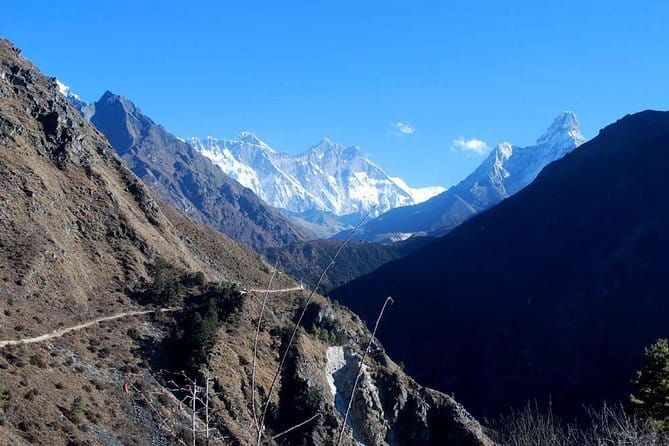
Day 7 takes you onward to Lobuche. The route description emphasizes a shift in the terrain: moving from denser, greener sections into areas with fewer trees and more shrubs. The trail gradually ascends through small villages before reaching the Lobuche villages.
This change can feel dramatic. The air is thinner, the vegetation patterns shift, and the trail starts looking more “alpine.” If you’re the type of hiker who gets nervous when a trek gets harder, this is a good day to remind yourself that the route is leading you step-by-step toward the Base Camp phase.
You’re also building experience for what’s coming next: early starts, colder mornings, and the kind of long-distance effort that comes from staying focused, not sprinting.
Everest Base Camp day: the walk to Gorka Shep and onward
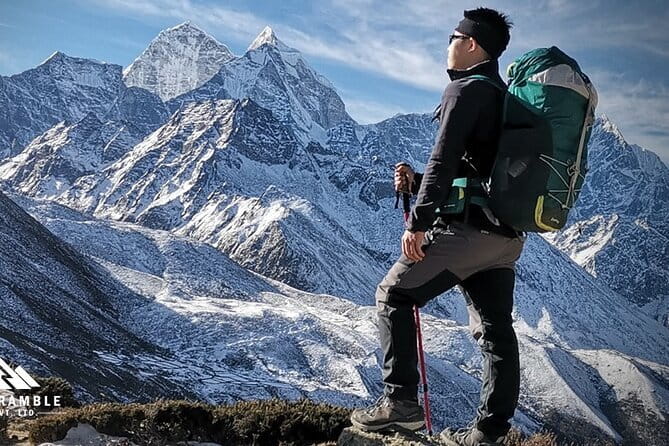
Day 8 includes the big moment: a morning trek toward Everest Base Camp. The route passes through Gorka Shep, described as the last human settlement area on the trail and tied to the early base camp era. That detail gives the day a real sense of place. You’re not only walking to a destination; you’re moving through the history of how climbers used these routes.
You’ll reach Everest Base Camp after a long trek. This isn’t a quick photo-stop. It’s a full hiking day where you’ll likely feel the altitude in your legs and your breathing.
Tip for your own sanity: plan your pacing in your head. Save some energy for standing still at Base Camp and taking in the scale. It’s one of those places where the views land slowly, then suddenly.
The itinerary notes an included admission ticket on this day, which suggests there’s a scheduled element tied to the Base Camp area.
Kala Patthar: the 360-degree viewpoint day above EBC
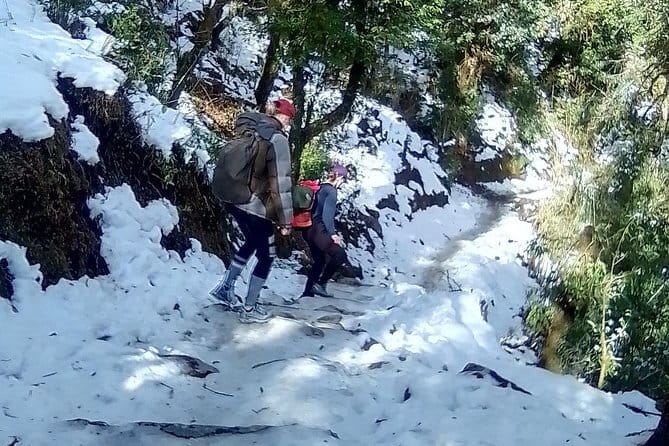
Day 9 is the day you wake up early and hike to Kala Patthar. The route calls it a famous viewpoint with 360-degree views of Everest, located just above Everest Base Camp.
This is the day that can make or break your experience, not because it’s impossible, but because it demands stamina and mental focus. If you’ve been pacing yourself well through Namche and Dingboche, Kala Patthar should feel like the reward it’s meant to be.
Also note the itinerary framing: it’s not just a viewpoint. It’s a vantage point that helps you understand the entire Everest area better. Even if clouds roll through at moments, the overall idea remains: you’re high enough to see the bigger picture.
The return: retracing steps from Namche to Lukla to Kathmandu
Coming back down is not just “easy mode.” Yes, the descents can feel better on the lungs, but your knees still work. Day 10 heads back through dense forests and villages, reaching Tengboche and then moving down toward Namche. The itinerary includes stopping areas like Phungki Thanka as you make your way down.
Day 11 continues the retrace toward Lukla, passing streams and villages along the way before reaching Phakding. Then day 12 returns by flight back to Kathmandu, followed by airport arrival, hotel time, and a farewell dinner in the evening.
One underrated part of the return is how the culture repeats in a new light. The same paths feel different once you’ve crossed them with altitude behind you. You’ll likely notice more prayer flags, more community details, and more small everyday life because your brain isn’t only fighting fatigue.
Price and value: $1,380 and what you still pay for
At $1,380 per person, this isn’t a budget trek. But it’s also not purely paying for a map and a promise. The included items are substantial:
- Hotel pickup and drop-off in Kathmandu
- A government-licensed English-speaking trekking guide
- Kathmandu–Lukla–Kathmandu flight tickets
- Trekking permits and official documents
- Guesthouse accommodations during the trek
- A private tour setup (your group only)
- Emergency normal first aid kit with the guide
Now the spending reality: food and drinks are not included, with an approximate cost of US$25 per day available for purchase. Gratuities are optional.
So where does the value land? If you’re someone who wants the permits, guide, and flights lined up without hunting for each piece alone, this price starts to feel fair. You’re paying to reduce planning friction. If you already have flights, permits, and your own support plan, you might compare costs against building it independently. But for most people, the “someone else handles the critical stuff” value is real on Everest.
Guides make the difference: Prakash, Milan, Dev
This trip’s human layer is where it earns its strongest notes. In past experiences with CAN Travels, people praised guides who kept the tone steady and the safety focus consistent.
- Prakash was highlighted as a best trek guide, with a strong mix of professionalism, knowledge, and keeping everyone comfortable.
- Milan was described as exceptional, with patience and a friendly approach. One of the repeat themes was how altitude tips helped people feel more in control.
- Dev received very positive feedback for excellent service during a family trip, including care for most of the time and smooth coordination of accommodation and transport, with at least one report of flights and vehicle timing.
What I take from that, for your planning: choose a trip where the guide has the time and temperament to manage pace. Everest-region treks aren’t just about routes. They’re about managing your energy and responding calmly when conditions change.
If you’re booking, ask how your guide handles acclimatization pacing and whether your itinerary includes deliberate recovery days. Here, it does: Namche and Dingboche both have built-in adjustment time.
Who this trek fits best (and who should think twice)
This 12-day Everest Base Camp trek is built for hikers who can handle steady daily effort and altitude. The trip data specifically calls for a strong physical fitness level. The itinerary also includes multiple days around 6 hours and at least one longer 8-hour segment plus a Kala Patthar viewpoint hike.
You’ll likely enjoy it most if:
- you want iconic Everest-region stops (Namche Bazaar, Tengboche Monastery, Everest Base Camp, Kala Patthar)
- you like a structured plan with guides and permits handled
- you’re okay with guesthouse comfort rather than luxury lodging
You might think twice if you’re very new to altitude trekking or you prefer fully self-paced flexibility without scheduled guidance. This is private and guided, not totally independent wandering.
Should you book this Everest Base Camp trek?
Yes, if you want a well-structured Everest experience with flights, permits, a licensed English guide, and acclimatization built into the schedule. The guide focus stands out in real feedback, and the itinerary design helps you reach Base Camp and Kala Patthar without turning it into a reckless push.
Before you book, be honest about your fitness. This isn’t a gentle walk. It’s a serious trekking program where you’ll spend long days on your feet and earn your views.
If that sounds like your kind of challenge, this trip is a strong value for what it includes and for the way it handles both the cultural stops and the altitude pacing.
FAQ
What is included in the tour price?
The price includes hotel pickup and drop-off in Kathmandu, an English-speaking trekking guide, flights from Kathmandu to Lukla and back, trekking permits and official documents, guesthouse accommodation during the trek, and an emergency first aid kit with the guide.
Are the Kathmandu to Lukla flights included?
Yes. Flight tickets from Kathmandu to Lukla and return to Kathmandu are included.
Is the trek a private tour?
Yes. It’s listed as a private tour/activity, meaning only your group participates.
What kind of lodging do you get on the trek?
Accommodation during the trek is in guest houses.
Do I need to pay extra for meals?
Food and drinks are not included. They are available for purchase, with an approximate cost of US$25 per day.
Are trekking permits handled?
Yes. Trekking permits and all official documents are included.
What fitness level do I need?
The trip information states you should have a strong physical fitness level, since the itinerary includes multiple full trekking days and a viewpoint hike to Kala Patthar.