REVIEW · CUSCO
5-Day: Salkantay Trek to Machupicchu and Humantay Lake
Book on Viator →Operated by Mega Expeditions · Bookable on Viator
Four climates, one powerful trek. In five days you’ll climb Salkantay Pass, hike past Humantay Lake, then end at Machu Picchu for sunrise. It’s the kind of trip where every morning feels like a new chapter, and the pacing is guided so you’re not guessing what comes next.
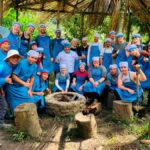
I especially like the fact that this is run as a true small-group adventure, capped at 15 people, so your guide can watch the pace and answer questions without rushing. I also like that the route is supported: you hike the hardest sections while porters and horses help carry your pack for the first three days, up to 5 kg.
One consideration: you start very early (pickup around 4:30–6:00am depending on where you stay) and altitude is real, with camps ranging from chilly highs (night temps around 2°C) to warmer jungle days. If you’re not comfortable with early mornings and sustained climbing, this may feel more intense than you expected.
In This Review
- What Makes the Salkantay + Machu Picchu Combo So Good
- Key things I’d focus on before you book
- Day 1: The Humantay Lake Approach Starts with a 4:30–6:00am Pick-Up
- Day 2: Salkantay Pass at 4,600 m and the Apus Moment
- Day 3: Jungle Trek to La Playa, Then Santa Teresa at 1,550 m
- Day 4: Optional Zip Line, Then the Hydroelectric Walk to Aguas Calientes
- Day 5: 4:00am Climb, Private Machu Picchu Tour, and the Long Walk Back
- Price and Value: Why $360 Feels Reasonable for This Much Handling
- Pace, Fitness, and Altitude Reality Checks
- Who This Trek Is Best For (and Who Might Prefer a Different Plan)
- Should You Book This Salkantay Trek to Machu Picchu?
- FAQ
- What time is hotel pickup?
- Is breakfast included on the first day?
- How many meals are included during the trek?
- What camping gear is provided?
- How many nights of accommodation are included?
- What is the maximum group size?
- Is Machu Picchu entrance included?
- Are the hot springs included?
- What optional activities are available on the route?
- What happens if the tour is canceled due to weather?
What Makes the Salkantay + Machu Picchu Combo So Good
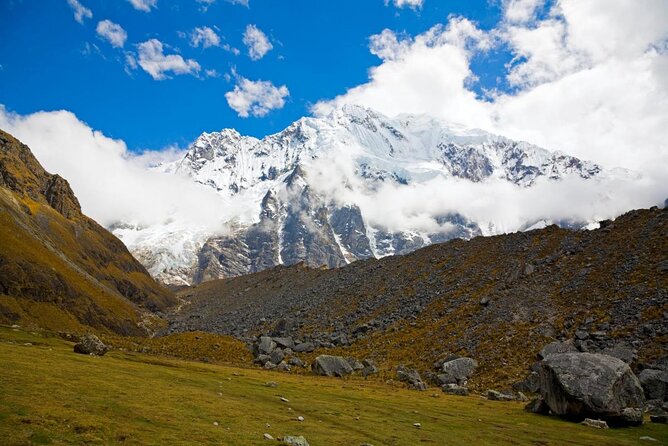
This is one of the most practical ways to combine two unforgettable “wow” moments: the drama of the Salkantay region and the iconic sunrise at Machu Picchu. You’re not just moving through scenery—you’re moving through elevations, ecosystems, and weather in a short time.
The tour is also built around timing. You’ll cross the pass while you’re fresh, then transition into lower jungle terrain before you reach Aguas Calientes and the Machu Picchu morning climb. That sequencing helps you see more, not less.
Key things I’d focus on before you book
- Small group (max 15 people) keeps the trek feeling personal and easier to manage
- Sunrise at Machu Picchu means you climb in the dark and earn the view before crowds set in
- Horses/porters for up to 5 kg (first 3 days) take the edge off the steepest workload
- Camping gear included (minus sleeping bag) reduces what you have to carry to the trail
- Entrance and guiding handled for Machu Picchu so you’re not scrambling for tickets
You can also read our reviews of more tours and experiences in Cusco.
Day 1: The Humantay Lake Approach Starts with a 4:30–6:00am Pick-Up
Your first day starts early. You’ll be picked up from your Cusco lodging around 5:30–6:00am, though the plan for the route begins with a 4:30am pickup in some cases. Either way, count on a very dark start and a quick bus ride out of the city.
After a roughly four-hour drive, you stop in Mollepata at about 2,900 meters for a short break. Then you continue to the last bus stop at Challacancha, where porters and horses meet you and you start hiking. This is where the trekking actually begins in earnest.
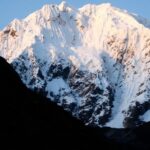
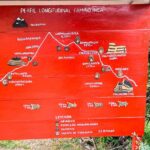
You’ll hike about four hours toward Soraypampa (3,900 meters). The route runs alongside Inca-era water irrigation channels, which adds a “human engineering” layer to the scenery. When you arrive, you set up the first camp and get your first big view of Salkantay’s snow peak. Daytime temps are described around 10°C, dropping close to 2°C at night—so plan on real layers from the moment you arrive.
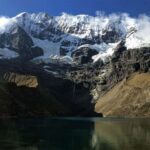
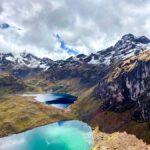
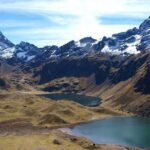
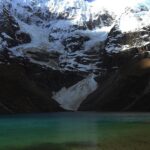
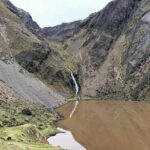
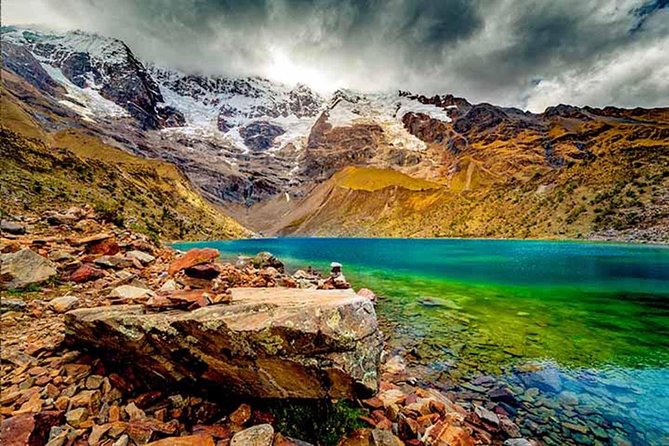
After lunch, you hike up to Humantay Lake at about 4,200 meters. It’s around an hour and a half of walking from the camping area. The camp setup matters here: you’re told the lodging includes four-season tents with an extra straw roof layer at the higher altitude, which helps when temperatures change fast.
Watch-out for Day 1: you’re moving from road altitude to hiking altitude quickly. Don’t try to “win the trek” on day one. Keep it steady and let your body adjust.
Day 2: Salkantay Pass at 4,600 m and the Apus Moment
Day 2 starts with a practical touch for acclimatization. Your assistant wakes the group early, serves tea, and you get breakfast before heading out. This is a small detail, but it matters on high altitude days when you need fuel and warmth before climbing.
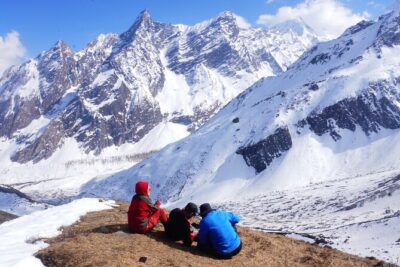
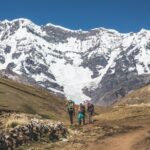
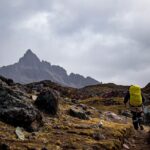
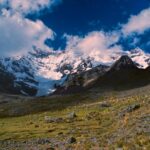
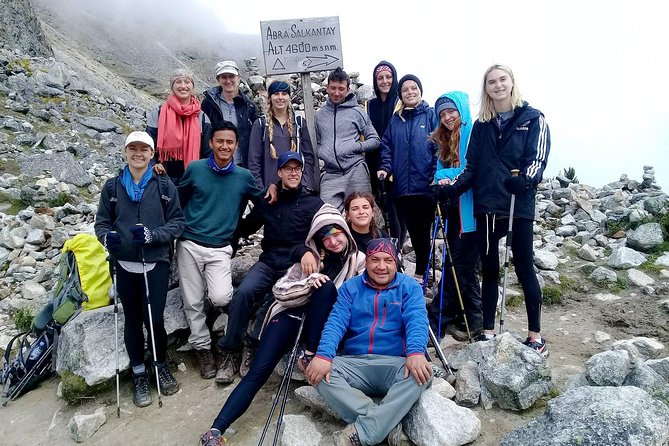
You hike for about three hours to reach the high point: Salkantay Pass at roughly 4,600 meters. The sceneries are described as powerful and intimidating, with Andean peaks all around you. The plan also includes a cultural pause: you’ll pray and ask the Apus (mountain gods) for permission to pass, following what the Incas did in this zone. Even if you’re not religious, it’s a meaningful moment that breaks the climb into something more than just effort.
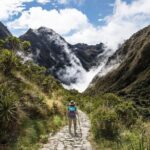
From the pass you walk down toward Wayracpunku (HuayraPampa) for lunch. Then the trek shifts into high jungle terrain. The route is described with large trees leaning over streams, plus bromeliads and orchids—so the air and the visuals change as the altitude drops.
You’ll reach your next base camp at Chaullay (about 2,900 meters) after roughly five hours of walking. Then it’s dinner and rest, which is exactly what you want on day two: a proper reset before the warmer jungle day ahead.
The big value on Day 2: you get the pass while you still have energy, with structured stops (tea, breakfast, lunch at Wayracpunku) rather than a day of pure wandering.
Day 3: Jungle Trek to La Playa, Then Santa Teresa at 1,550 m
Day 3 is where the temperature swings really show. After breakfast around 6:30am, you head toward Sahuyaco (La Playa) at about 2,000 meters. This is a jungle trekking day, and the described temps are warmer: around 25°C during the day and about 14°C at night. You’ll feel the contrast compared to the colder pass day.
You’ll have lunch at La Playa, then continue by transport to Santa Teresa at about 1,550 meters. Once you arrive, you set up camp and get a chance to relax.
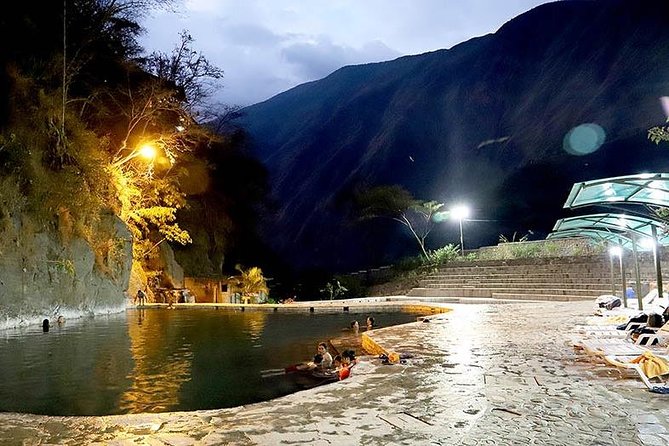
One of the highlights is Cocalmayo hot springs. You’re told you can enjoy them as a reward, but the hot springs are not included—you pay about $6.00 USD at the spot. Even if you don’t soak long, the timing is smart: you’re recovering from hiking while your legs are still warm.
Dinner is included (traditional Peruvian dinner) and it’s another night of sleep before you move toward Aguas Calientes.
Consideration for Day 3: it’s easy to underestimate a warmer jungle day. Heat can slow your pace even when the altitude is lower, so keep your energy steady.
Day 4: Optional Zip Line, Then the Hydroelectric Walk to Aguas Calientes
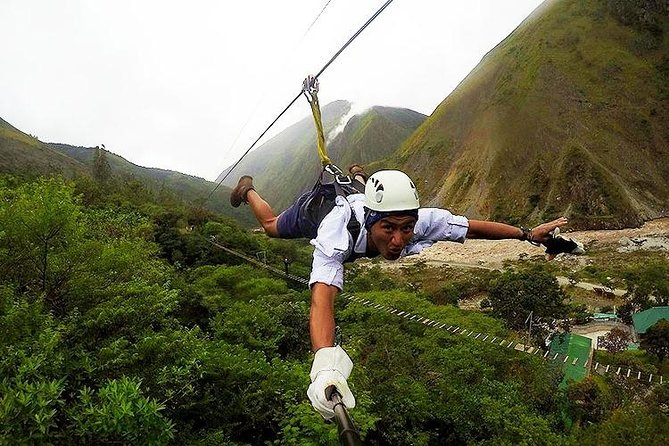
Day 4 mixes choices with a shared plan. After breakfast, transportation handles two paths:
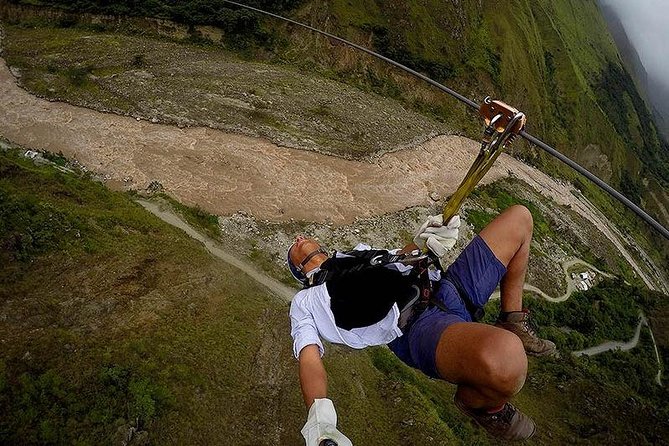
- If you booked it, you start with the zip line activity for about 2 hours and 30 minutes. It has more than 6 cables, a longest cable around 1 kilometer, a stated maximum speed of 70 km/h (45 mph), plus a climbing rock and a suspension bridge.
- If you didn’t book zip line, you trek about 2 hours from Santa Teresa to the hydroelectric area, which is the group meeting point.
Either way, you reunite for lunch and a break at the hydroelectric. Then the whole group walks along the railway corridor through jungle terrain toward Aguas Calientes. The walk is about three hours, with waterfalls and ecological farms along the way.
You’ll arrive in Aguas Calientes around 5:00pm and spend the night in a hostel. That evening includes a practical gathering: you meet at a local restaurant for an informative session about your Machu Picchu excursion the next morning.
This day is important because it’s the transition. You’re not “at Machu Picchu yet,” but you’re closing the loop. Getting the logistics briefing the night before sunrise makes a big difference when you’re tired and half-focused on climbing.
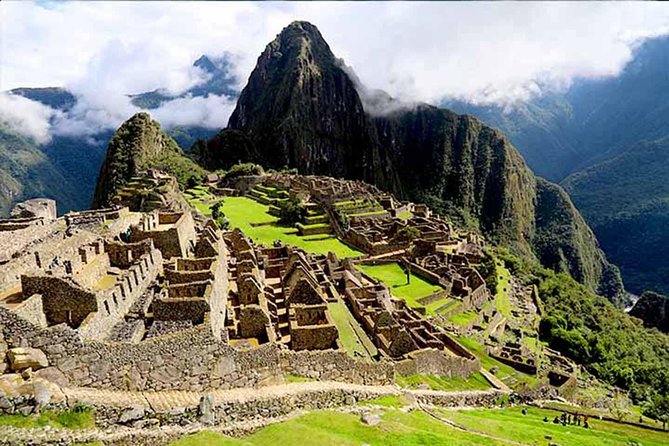
Day 5: 4:00am Climb, Private Machu Picchu Tour, and the Long Walk Back
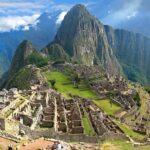
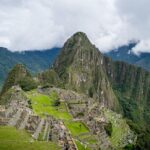
You’ll get ready around 4:00am to climb to Machu Picchu. The route is described as ascending and crossing high jungle, with the goal of arriving in time to see sunrise. After passing control around 6:00am, you get a private guided tour for about two hours inside the Inca citadel.
Then you have free time to enjoy Machu Picchu on your own. That free time is valuable because it lets you slow down after the structured tour—especially if you want to revisit the views you liked most during the guided portion.
You return at 11:30am by walking about 3.5 hours back to the hydroelectric area. A bus then takes you to Cusco, waiting until around 3:00pm, arriving in Cusco around 10:00pm.
There are also upgrade options:
- You can add an extra night in Machu Picchu town for about $30 extra, then return the next day (helpful if you plan to climb Huayna Picchu or Mountain Machu Picchu).
- You can add the train for a more comfortable return and more time at Machu Picchu. The described plan is staying until 5:00pm max, then riding the train from Aguas Calientes to Ollantaytambo (about 1 hour and 40 minutes), with a car back to Cusco dropping you near San Francisco square around 10:00pm.
What I’d watch: day five is a full marathon of early climbing plus a long return walk. If you’re fragile with fatigue, you’ll want to treat this morning as your main event and don’t plan extra activities beyond what’s included.
Price and Value: Why $360 Feels Reasonable for This Much Handling
At $360 per person, this trek isn’t just “a hike.” It’s a package that includes a lot of the hard-to-plan pieces:
- Guiding: professional bilingual guide (Spanish–English)
- Entrance and timing: Machu Picchu entry arranged with advance booking, plus guiding inside the citadel
- Camping and meals: four lunches, four dinners, and four breakfasts (with day-one breakfast and day-five meals not included)
- Gear and logistics: full camping gear except sleeping bag, plus private transportation along the way
- Load support: horses help carry up to 5 kg for the first three days
- Sleeping: 3 nights camping and 1 night hostel
The practical value here is reduced decision stress. You’re not figuring out transport legs, ticket timing, camp setup details, or what to do once you reach Aguas Calientes. That matters a lot on a trek where the schedule is tight and the altitude is part of the equation.
One more detail: the plan is often booked about 44 days in advance on average, which is a good sign that the best dates go. Since Machu Picchu entry is booked with about two months advance, earlier is usually wiser.
Pace, Fitness, and Altitude Reality Checks
This is rated as requiring moderate physical fitness. That’s fair. The altitude rises fast, especially on day one and day two, with camps around 3,900 meters and a pass at 4,600 meters.
The tour uses a lot of “support in small ways” that help you succeed:
- early tea and breakfast before the pass day climb
- structured meal stops (like lunch at Wayracpunku)
- load support via horses early on
- camping with tents designed for cold nights at higher altitudes
Still, you need to be ready for:
- early starts (very early pickup and a pre-dawn Machu Picchu climb)
- cold nights at higher camps (down to around 2°C at night)
- hot jungle conditions on day three (around 25°C daytime)
If you can walk for several hours on uneven terrain and you don’t mind being cold overnight, you’re in the right zone. If you hate early wake-ups or you struggle with altitude climbs, you might feel stressed rather than excited.
Who This Trek Is Best For (and Who Might Prefer a Different Plan)
This trek is a strong match for you if you want active travel with real variety: glaciers and passes, then jungle and hot springs, then Machu Picchu before the day gets going.
It also fits well if you like small-group travel. The max of 15 people helps keep the experience manageable, especially across changing weather and changing hiking demands.
It may not be ideal if:
- you need a very relaxed schedule
- you’re sensitive to altitude
- you don’t want cold camping nights
- long day five logistics feel like too much
A small personal note from the experience vibe: the guide quality is a major reason people rate it so highly. One guide name that comes up clearly is Roger, and that kind of friendly, helpful guidance makes a huge difference on a long trek where you’re tired and thinking about the next checkpoint.
Should You Book This Salkantay Trek to Machu Picchu?
If you want the most efficient path from Cusco to Machu Picchu that still feels like an adventure, I’d book it. The combo of Salkantay Pass, Humantay Lake, and a sunrise Machu Picchu visit is exactly the kind of high-impact itinerary that feels worth the money. You also get good support: camping gear (minus sleeping bag), meals, entry handling, and horse assistance for the heaviest early carrying.
Skip it only if early mornings and altitude climbing will stress you out more than it excites you. If you’re comfortable with moderate fitness, cold night layers, and a full day five schedule, this is a strong value for an experience that’s hard to piece together on your own.
FAQ
What time is hotel pickup?
Pickup is listed between 5:30am and 6:00am in Cusco. The route plan also references a 4:30am pickup from lodging.
Is breakfast included on the first day?
No. Breakfast on the first day is not included.
How many meals are included during the trek?
The tour includes four lunches, four dinners, and four breakfasts. Breakfast on day one, plus lunch and dinner on the last day, are not included.
What camping gear is provided?
Full camping gear is included, except for your sleeping bag, which you need to bring yourself.
How many nights of accommodation are included?
You get 3 nights camping and 1 night in a hostel.
What is the maximum group size?
The maximum group size is 15 travelers.
Is Machu Picchu entrance included?
Yes. Machu Picchu entrance is included as part of the booking, and you also get a private guided tour once you’re inside.
Are the hot springs included?
No. The Cocalmayo hot springs are not included. The plan lists a cost of $6.00 USD at the spot.
What optional activities are available on the route?
You can choose a zip line activity on day four, and you can also add Huayna Picchu on Machu Picchu day for an additional $30 USD (availability is checked after booking).
What happens if the tour is canceled due to weather?
If it’s canceled because of poor weather, you’ll be offered a different date or a full refund.