Manaslu feels quieter and wilder than Nepal’s headline treks. This Manaslu Circuit trek follows the Budhi Gandaki valley into Tibetan-influenced villages, and you’re never on your own: a licensed guide helps you stay on track. I especially like that tea house trekking is built in, with breakfast, lunch, and dinner on the trail so you’re not constantly deciding what to eat after a hard day.
The trade-off is fitness. You’ll be asked to keep a steady pace on long days, including a slow grind up to Larkya La, and some sections run close to the river where footing matters.
In This Review
- Key Things You’ll Notice on This Trek
- Why the Manaslu Circuit Feels Off the Beaten Track
- Price and Logistics: What $1,499 Really Covers
- Day 1 to Machha Khola: From Kathmandu Valley Roads to Riverside Trek Life
- Day 2 to Jagat: Coffee Trees, Cliff Walkways, and Long Suspension Bridges
- Day 3 to Deng: A Claimed Longest Bridge and Exposed River-Level Trails
- Day 4 to Namrung: Waterfalls, Narrow Gorges, and Village Archway Moments
- Day 5 to Lho: Landslide Crossings, Pine-Oak-Rhododendron Forests, and a Relentless Uphill
- Day 6 to Samagaon: Twin Peaks Views, Old Houses in Traditional Clothes, and a Centuries-Old Gompa
- Day 7: A Real Rest Day in Samagaon
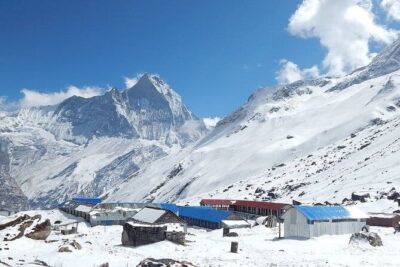
- Day 8 to Samdo: Glacier Moraine Remnants, Chortens, and Wind from the Tibetan Plateau
- Day 9 to Larke Phedi: The Staging Stop Before the High Pass
- Day 10: Larkya La Slow Ascent, Big Views, and the Long Descent to Bimthang
- Day 11 to Besishar: Jeep or Bus Transfer and Your Last Night Off the Trail
- Day 12: Final Breakfast and Return to Kathmandu or Pokhara
- What You’re Paying For: Guide, Food, Permits, and Borrowed Gear
- Pace, Packing, and the Stuff You Might Miss If You Only Read the Highlights
- Should You Book This Manaslu Circuit Trek?
- FAQ
- Where does the trek start?
- Where does the trek end?
- How long is the Manaslu Circuit trekking experience?
- What’s included during the trek?
- Are permits included?
- Do I get help with trekking gear?
- How do you travel between Kathmandu and the trail?
- How do you return after the trek?
- Is travel or rescue insurance included?
- What’s the maximum group size?
- What if I need extra hotel nights in Kathmandu or Pokhara?
Key Things You’ll Notice on This Trek
- Licensed guide support so you can focus on walking, not route-finding
- Tea houses plus 3 meals a day during the trek, which keeps daily decisions simple
- Permits and overland transport included, including bus/taxi legs between Kathmandu and the trail
- Gear borrowing available (down jackets, sleeping bags, hiking poles if needed) to lighten your pack
- Samagaon rest day with a centuries-old gompa in a Tibetan trading-post setting
- High-pass day to Larkya La followed by a long descent to Bimthang
Why the Manaslu Circuit Feels Off the Beaten Track
Manaslu sits outside Nepal’s most overbooked trekking loops, and that difference shows up in the feel of the trail. You’re walking through Tibetan-influenced culture as the route climbs higher and the valley becomes more remote—one day you’re dealing with cliff paths and suspension bridges, the next you’re in quieter villages where the rhythm is slower.
I also like how the scenery changes in practical ways, not just for photos. Early on, you’re moving through riverside gorges and repeated bridge crossings, then you transition into forested sections, and later you’re in big wind exposure near the Tibetan Plateau. That variety keeps the trek from feeling monotonous.
One more thing: the trek is specifically set up for guidance. With a government-licensed, experienced guide in your group (max 12 travelers), you can spend less energy worrying about logistics and more time paying attention to the route and culture.
You can also read our reviews of more tours and experiences in Kathmandu.
Price and Logistics: What $1,499 Really Covers
At $1,499 per person, you’re not just paying for “a bed and a guide.” You’re paying for a whole chain: getting to the start of the trek, moving between key towns, and covering the legal stuff that can otherwise eat time.
Included items that matter for value:
- Trekking lodge (tea house) accommodation and three meals a day during the trek
- All required permits
- Overland transport legs tied to the route (public bus and jeep/bus segments)
- A government-licensed guide and a first aid medical kit
- Sleeping bag and down jacket borrowing (plus hiking poles if needed)
Not included (so you can plan ahead):
- Travel and rescue insurance (you’ll need to arrange this yourself)
- Personal expenses like phone calls, laundry, battery recharges, bottle or boiled water, and shower costs
- Extra hotel nights in Kathmandu/Pokhara if timing shifts earlier/later than expected
- An optional porter
One practical takeaway: because transport and permits are already included, you spend less time juggling paperwork and connections. For many people, that’s the biggest “hidden cost” you avoid.
Day 1 to Machha Khola: From Kathmandu Valley Roads to Riverside Trek Life
Day 1 starts with a drive out of Kathmandu city toward Machha Khola. Depending on preference, you can go by local bus or jeep, with an additional jeep cost mentioned if you choose it. The route threads through the Kathmandu valley toward Dhading Besi, with some road construction possible along the way.
You’ll also cross Budhi Gandaki River areas via the route to reach Arughat. This matters because it sets your expectations: the trek begins with real travel time and uneven roads, not a smooth transition from airport to trailhead.
Day 2 to Jagat: Coffee Trees, Cliff Walkways, and Long Suspension Bridges
Day 2 is a walking day that feels both scenic and intense. You start after breakfast and soon reach Khorlabesi, where you can enjoy coffee from coffee trees grown right in the village. That’s a small detail, but it’s the kind that makes Nepal feel lived-in instead of staged.
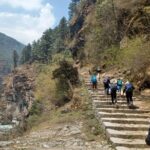
As the valley narrows, you pass through Dovan and climb to Yaruphant for dramatic views over the Budhi Gandaki. One of the most memorable route elements here is the walkway hugging the cliffs above the river, plus a suspension bridge crossing before you reach Jagat for the night.
Why it’s special: cliff-hugging paths and bridges force slow, careful steps. You’ll feel fully “in motion” from the start, which also helps you settle into trek pace.
Possible drawback: cliff paths mean you’ll want good trail shoes and calm concentration, especially if weather turns.
Day 3 to Deng: A Claimed Longest Bridge and Exposed River-Level Trails
On Day 3, you cross a lengthy suspension bridge and descend to near river level on an exposed trail. You’ll pass Saleri, where you can glimpse a very local tea house, then climb for views up the valley toward Siridibas and Philim.
After losing altitude and descending again, you reach a crossing described as the longest suspension bridge in Nepal. Then you ascend a steep path to Deng.
What to expect: this is the kind of day where you’ll feel the trek’s rhythm—up, down, bridge, repeat—with the trail working your legs and focus. The steep path into Deng is not a “quick stretch,” so start the day thinking slower is faster.
Day 4 to Namrung: Waterfalls, Narrow Gorges, and Village Archway Moments
Day 4 begins with a warm breakfast and an ascent outside of the village. You walk through wild grasses and a narrow gorge over the Budhi Gandaki below, then pass more waterfalls.
You continue to Ekle Bhatti, then steeply descend all the way to a short suspension bridge crossing the Budhi Gandaki. The closer you get to Manaslu country, the more the route feels like it’s moving toward something bigger than the day’s next tea house.
Near the end, you pass through a village archway and spot Deng across the tributary river before reaching Namrung for the night.
Tip for your mindset: when you see a village archway, don’t rush through the moment. Pause, take it in, and give your body a few seconds to adjust before the next climb.
Day 5 to Lho: Landslide Crossings, Pine-Oak-Rhododendron Forests, and a Relentless Uphill
Day 5 includes an early check-out, then crossing a bridge and climbing to Bihi Phedi. Right after, you move through a section destroyed by a landslide and cross carefully—so your guide’s pacing and caution really matter here.
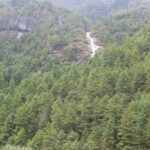
Once you’re past the tricky section, the route enters forests of blue pine, oak, and rhododendron. You’ll cross the river two more times, then deal with a relentless uphill climb before descending into Lho for the night.
This is a day where you’ll feel the trek turning more “mountain” and less “valley road.” If you’re prone to rushing when you feel energetic, Day 5 is the day to practice steady breathing instead.
Day 6 to Samagaon: Twin Peaks Views, Old Houses in Traditional Clothes, and a Centuries-Old Gompa
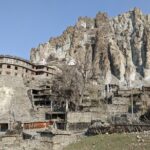
Day 6 starts from Namrung’s lush valley setting and moves through Lihi and Sho. Sho is described as having very old traditional houses, plus villagers still wearing traditional clothing. If you like culture that feels present tense rather than museum-like, this is one of your moments.
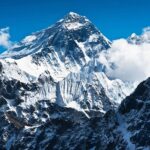
Then comes a key view: if the summit cloud cooperates, you approach Lho and have full views of Manaslu’s twin peaks framed by millet fields around the large village.
From there you climb through Lho, pass oak forests and Shyala, and then stroll into Samagaon—an ancient Tibetan trading post with a centuries-old gompa. The trek ends Day 6 in Samagaon.
Why this stop matters: Samagaon isn’t just a place to sleep. It’s a hub where Tibetan-influenced religious life is part of the daily scenery.
Day 7: A Real Rest Day in Samagaon
Day 7 is a rest day. You’re based in Samagaon, giving your legs time to recover and letting you enjoy the gompa setting without feeling forced into another long push.
A rest day like this is not a luxury if you’re doing the high-pass portion ahead. It’s how you arrive at the hardest segment with better legs and better foot-care habits.
Day 8 to Samdo: Glacier Moraine Remnants, Chortens, and Wind from the Tibetan Plateau
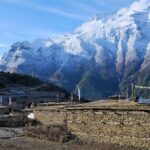
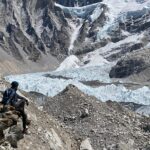
Day 8 is described as an easier walk with a largely flat trail in the valley. You pass remnants of the east Manaslu glacier moraine and continue alongside a now smaller Budhi Gandaki.
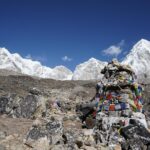
Soon you cross a bridge for a short, steep ascent to a chorten that marks arrival in Samdo. Samdo sits at a confluence of valleys and you can expect strong winds from the Tibetan Plateau.
Practical consequence: even if the walking feels gentler, you’ll want to dress for wind and keep moving when the cold hits. This is one of those “not hard on legs, but still hard on comfort” days.
Day 9 to Larke Phedi: The Staging Stop Before the High Pass
Day 9 ends at Larke Phedi. Even without extra details listed, you can treat this as a staging day: your focus is getting sleep, eating well, and preparing for the slow, steady effort of the high pass.
If you’re someone who gets restless the day before a big challenge, use the time to organize layers and keep your footing strategy in mind.
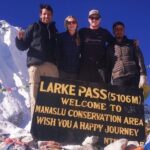
Day 10: Larkya La Slow Ascent, Big Views, and the Long Descent to Bimthang
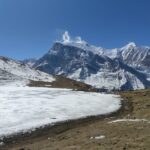
Day 10 is your high-pass day. You arrive at the base of the high pass and then work your way up with a slow-going ascent to reach Larkya La.
The payoff is clear: you enjoy views of your successful effort, then begin a long descent. You end in the meadow home to Bimthang, which is described as having some of the most spectacular views of the entire trek.
Why it’s worth it: this is the day where your effort turns into a full-trek memory. Also, the long descent means your legs will feel different than on steep climbs, so take care with knees and pace.
Day 11 to Besishar: Jeep or Bus Transfer and Your Last Night Off the Trail
Day 11 moves you out of the trekking rhythm. After breakfast from Dharapani, you take a jeep or bus to Besishar. The ride takes about 4–5 hours, and you spend your last night at Besishar.
This day is less about miles and more about transition. You’ll likely feel a mix of relief and restlessness, especially if you’ve been thinking in hours and bridges rather than roads.
Day 12: Final Breakfast and Return to Kathmandu or Pokhara
On Day 12, you savor your final breakfast on the trail and then take transport back to Kathmandu or Pokhara based on your preference. You’ll overnight in a hotel.
If you like a clean ending, pay attention to your recovery routines right after the trek. Feet, sleep, and hydration become the main “activities” once you’re off the trail.
What You’re Paying For: Guide, Food, Permits, and Borrowed Gear
One of the most praised parts of this trek is the human support. Guides such as Raman, Raj, Suresh, Santosh, and CK Gurung were repeatedly described as friendly, attentive, and strong on mountain and area knowledge. That matters because the trek involves suspension bridges, exposed paths near the river, and careful crossings.
Also, equipment support reduces hassle. Down jackets, sleeping bags, and hiking poles can be borrowed if needed. Some groups even mention extra help like a puffer jacket instead of buying everything from scratch, which can save money and reduce packing stress.
Then there’s food. With three meals a day during the trek and tea house lodging included, you avoid the “what if the place has nothing” stress on a hard walking day. That steady rhythm makes the schedule more predictable.
Permits and required documents are handled too. That’s not glamorous, but it’s valuable because it keeps the trek from turning into a paperwork marathon.
Pace, Packing, and the Stuff You Might Miss If You Only Read the Highlights
This trek is for you if you have strong physical fitness, because the walking includes long uphill pushes and a slow high-pass ascent. You’ll also spend time on exposed sections near the river and on cliff-hugging pathways, so you’ll want footwear you trust.
Packing reality check based on what’s included vs not included:
- You might not need to buy a sleeping bag or down jacket because they’re available to borrow if needed.
- You are still responsible for personal extras like phone use, laundry, bar bills, battery recharges, bottled or boiled water, and shower costs.
- An optional porter exists if you want to reduce load, but it’s not part of the base package.
If you’re tempted to travel light, do it smart. Borrowing gear helps, but bring what you need for comfort and safety, especially for layering in wind (Samdo is where it’s mentioned).
Should You Book This Manaslu Circuit Trek?
Book it if you want a guided trek that handles the busywork: permits, overland transport pieces, tea house lodging, and three meals a day while you’re walking. I also think it’s a great fit if you value Tibetan-influenced culture in villages like Samagaon, plus the classic high-pass challenge ending at Bimthang’s view-filled meadow.
You might look elsewhere if you prefer short days, minimal exposure, or if you’re not ready for the fitness demands of a slow pass ascent and long walking segments. This trek is real mountain hiking, not a gentle stroll.
If you’re comfortable with that trade-off, the combination of licensed guidance, tea house support, and a route that moves from riverside gorges to windier plateau country makes this a strong choice.
FAQ
Where does the trek start?
The meeting point is Adventure Bound Bahati Pokhari, Kathmandu 44600, Nepal.
Where does the trek end?
The activity ends back at the same meeting point.
How long is the Manaslu Circuit trekking experience?
It’s listed as 12 days (approx.).
What’s included during the trek?
Tea house accommodations during the trek and three meals a day (breakfast, lunch, dinner) are included.
Are permits included?
Yes, all required permits are included.
Do I get help with trekking gear?
Yes. Sleeping bag, down jackets, and hiking poles (if needed) can be borrowed.
How do you travel between Kathmandu and the trail?
There is an airport pick-up, then taxi transport to Kathmandu bus station to catch the public bus to Machha Khola.
How do you return after the trek?
You take public bus tickets from Dharapani back to Kathmandu or Pokhara, depending on your preference, and you’ll overnight in a hotel.
Is travel or rescue insurance included?
No. Travel and rescue insurance is not included.
What’s the maximum group size?
The maximum is 12 travelers.
What if I need extra hotel nights in Kathmandu or Pokhara?
Extra night accommodation is not included if early arrival or late departure requires it.