REVIEW · KATHMANDU
14 days Everest Base Camp Trek
Book on Viator →Operated by Ambition Himalaya Treks & Expeditions · Bookable on Viator
Everest Base Camp is not a casual hike. In 14 days, you’ll fly to Lukla, work your way through Sherpa villages, and aim for Everest Base Camp at 5,316m plus Kala Patthar at 5,545m for big-mountain views you’ll remember for life.
I like that this trek is packaged with a lot of the hard-to-organize pieces already handled. You get Kathmandu hotel with breakfast, domestic flights (Kathmandu–Lukla–Kathmandu), park and local permits, full-board meals during the trek, and an experienced licensed guide.
One thing to consider: altitude fatigue is real, and weather can affect Lukla flights. Even with a solid plan (including a possible transfer via Ramechhap), you should expect cold nights, early mornings, and days that feel longer than the map suggests.
In This Review
- Key things that make this Everest Base Camp trek worth your attention
- Why this Everest Base Camp route hits hard (and feels fair)
- Kathmandu: the easy win on Day 1 (hotel + briefing + dinner)
- Lukla flights and the Ramechhap plan B you’ll want to understand
- Namche to Tengboche: markets, Everest View Hotel, and monastery views
- Dingboche acclimatization: the day that can save your trip
- Thukla Pass to Lobuche: quiet memorials and a colder feel
- Everest Base Camp at dawn: Gorakshep to the Khumbu Icefall views
- Kala Patthar sunrise: headlamps, 2–3 hours of climbing, then payback
- The descent: Namche and Lukla feel easier, but don’t skip care
- Back to Kathmandu: a hot shower day, plus the last flight routine
- Price and value: what $1,499 really covers here
- Who should book this trek (and who should rethink it)
- Booking verdict: should you book this Everest Base Camp trek?
- FAQ
- What is the duration of the Everest Base Camp trek?
- Where does the tour start and end?
- What’s the highest point on the itinerary?
- What are the included meals and lodging like?
- Are domestic flights included?
- Do I need permits for the trek?
- Is gear included for cold weather?
- What is not included in the price?
- What if flights are affected near Lukla?
Key things that make this Everest Base Camp trek worth your attention
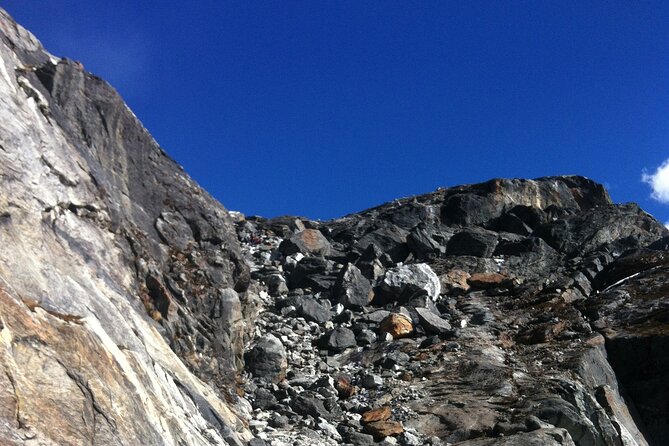
- Kala Patthar sunrise at 5,545m, timed for headlamps and early departures
- Full-board trek support with tea house twin-sharing and meals included
- Licensed guide + responsive operator support, with Shishir noted as quick to help
- Real acclimatization day in Dingboche to help you adjust before higher terrain
- Historic and practical route choices like Everest View Hotel and Tengboche monastery
- Gear available on request (down jacket, sleeping bag, duffel bag) to reduce what you carry
Why this Everest Base Camp route hits hard (and feels fair)
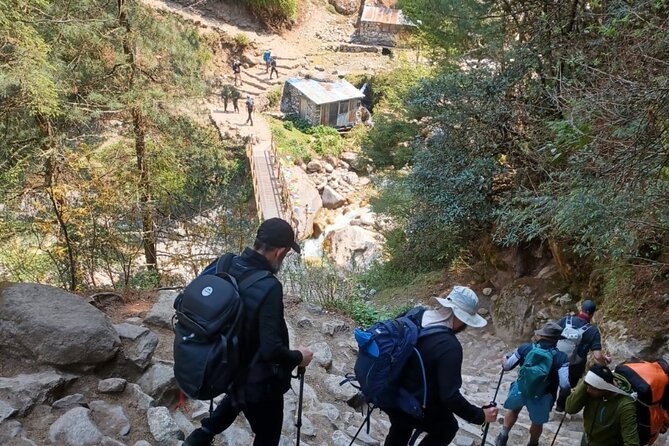
This trek is built around the classic Khumbu rhythm: you gain altitude gradually, take breaks that actually matter, and then you go big at Everest Base Camp and Kala Patthar. The altitude jump is the main story here—base camp sits at 5,316m and Kala Patthar is 5,545m—so the value isn’t just the destination. It’s the pacing.
You’ll hike through places like Namche Bazaar, Tengboche, Dingboche, and Lobuche, where the scenery changes from bustling Sherpa life to stark high-altitude terrain. That shift helps your brain accept what your body is doing. One day you’re watching prayer flags flutter; the next, you’re walking a rocky trail where even silence feels cold.
And because the itinerary includes an acclimatization day in Dingboche plus a high-view push at Kala Patthar, you’re not just stacking tough climbs. You’re trying to meet the mountains with a little common sense.
You can also read our reviews of more tours and experiences in Kathmandu.
Kathmandu: the easy win on Day 1 (hotel + briefing + dinner)
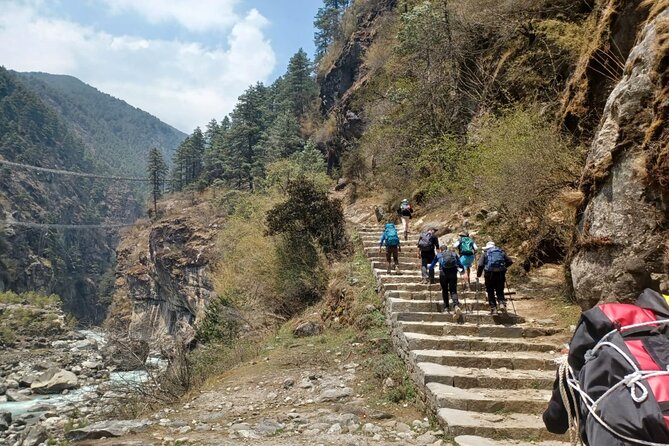
Kathmandu starts simple. After you land, you’re met at the airport exit and taken to a hotel. The next step is rest, plus a short stroll if you feel human. In the evening, the guide briefing happens at the hotel, followed by a welcome dinner at a reputable restaurant.
This matters more than it sounds. Everest trekking punishes sloppy sleep and rushed prep. A calm Day 1 gives you time to organize your layers, double-check your bag system, and mentally prepare for the early flight rhythm that comes right after.
If you’re arriving from a long-haul flight, this setup helps you avoid the classic mistake: waking up tired, then spending the first hiking days playing catch-up.
Lukla flights and the Ramechhap plan B you’ll want to understand
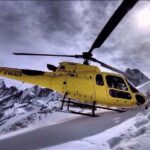
Day 2 is when the trek becomes real. You leave Kathmandu for Lukla, with a note that during peak seasons you may need to fly from Ramechhap, plus a private vehicle transfer that can take about four hours. After arrival in Lukla, you eat breakfast and start hiking right away toward Phakding.
That first day after flying is a good training day. You’re not going straight for the steep stuff. You’re building altitude tolerance while your legs and lungs wake up.
Logistics like this are why I appreciate having the flights and transfers handled. It reduces stress. It also means you get a plan for the common Lukla flight complication: weather and runway constraints. You still need flexibility, but you’re not left guessing in real time.
Namche to Tengboche: markets, Everest View Hotel, and monastery views
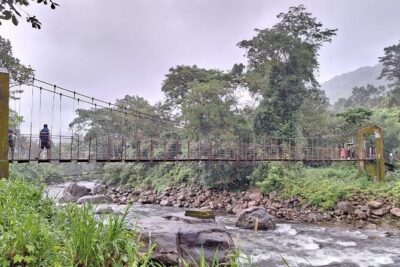
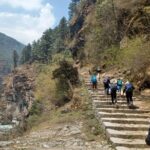
You’ll reach Namche Bazaar on Day 3, trekking along the Dudh Koshi River with suspension bridges and first big views as you enter the Khumbu area. Namche is where trekking life becomes social. There are shops, photo stops, and lodge buzz—plus it’s an important altitude checkpoint.
Day 4 is for height-with-a-purpose. You’ll enjoy Namche’s market atmosphere, then hike to Everest View Hotel for broad views of Everest and nearby giants like Ama Dablam, Lhotse, and Nuptse. If you’re into context, there’s also an option to visit the Sagarmatha National Park museum.
Then Day 5 pushes toward Tengboche with a climb through rhododendron forest and stops that feel very Khumbu. You pass a Sherpa village with colorful prayer wheels, and you end near the Tengboche monastery, a place where mountain views and spiritual calm sit side by side. Even if you’re not religious, it’s a meaningful pause in the middle of a physical challenge.
A practical note: these days have strong “walk and look” energy. Bring sun protection, but also plan for wind and cold at higher elevations.
Dingboche acclimatization: the day that can save your trip
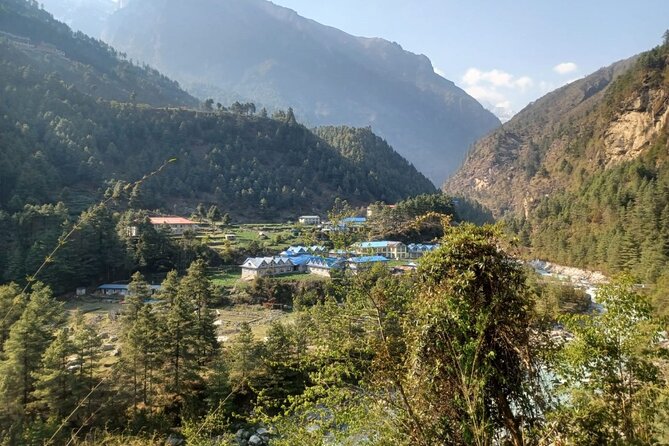
Day 6 takes you to Dingboche through villages and prayer-wall stretches, with big views of Lhotse, Island Peak, and Ama Dablam. Lodges here are the base camp of acclimatization—meaning you’ll feel the pace of the trek change.
Day 7 is your acclimatization day. You’ll rest more than you usually do, then hike uphill toward Nangkartshang Hill for views that include Makalu and Amphu Laptse. After that, you descend and visit Nangkartshang monastery before returning to your lodge.
This day is the difference between finishing strong and fighting symptoms. The itinerary’s logic is clear: give your body time, then do a controlled “go up, come down” routine that helps altitude adaptation without turning the day into a survival sprint.
If you tend to rush when you feel okay (most of us do), treat this day like a trust exercise. Your future self will thank you on the tougher days.
Thukla Pass to Lobuche: quiet memorials and a colder feel
Day 8 moves you toward Lobuche with a route that includes Thukla Pass. The trail is known for memorials honoring climbers, and that can be a heavy moment in the middle of an otherwise beautiful day.
Along the way, you’ll pass through Dughla and then continue along rocky, narrow terrain before reaching Lobuche for the night. This is when the trek starts feeling more like high-altitude terrain and less like village hiking. The air tends to bite harder. You’ll likely notice your breathing more, even when the grade isn’t extreme.
Practical advice here: take your warm layers seriously. In these zones, you don’t want to be underdressed while you wait for the next meal or sunset.
Everest Base Camp at dawn: Gorakshep to the Khumbu Icefall views
Day 9 is the big Base Camp day. You start early, heading north from Lobuche toward Gorakshep. The route takes you across glacial sections and into a high, dry feel sometimes described as an icy desert. It’s a long day—about eight hours—but it’s paced by terrain changes.
At Gorakshep, you’ll eat breakfast and then hike onward to Everest Base Camp. From there, the views focus on the Khumbu Icefall plus peaks like Nuptse, Pumori, and Khumbutse.
This is the moment people come for, but I think it also has a secondary benefit: the walk makes you appreciate scale. When you see the ice and ridges up close, Everest stops being a name on a map. It becomes a physical place with chaos and beauty in the same frame.
Tip: you’ll want layers for the morning cold. Even on clear days, temperatures at this elevation can punish.
Kala Patthar sunrise: headlamps, 2–3 hours of climbing, then payback
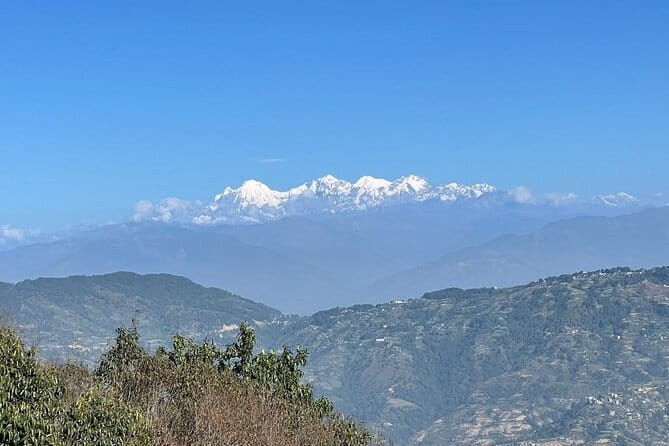
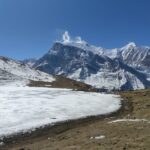
Day 10 is the climb to Kala Patthar. You’ll start early, often with headlamps, and the ascent typically takes about 2 to 3 hours. The goal is sunrise over Everest, plus a wide view of Nuptse, Pumori, and Ama Dablam as the light warms the peaks.
This part of the trek is less about village life and more about high-altitude stamina. The climb is steep and exposed compared to the softer stretches earlier in the route. That’s why having an acclimatization day and smart pacing from Dingboche matters.
After you soak in the views, you descend. Then you return to base camp area for a hot meal, which is a great reward after a long cold early start.
If you’re the type who gets anxious about timing, don’t worry. The day’s schedule is built around early starts for sunrise—so you’re not left improvising in the dark.
The descent: Namche and Lukla feel easier, but don’t skip care
Day 11 brings the descent back toward Namche Bazaar. The itinerary notes mostly downhill hiking through conifer and rhododendron forest, with return stops like Dingboche and Tengboche. Tonight you’ll spend your final night in Namche, with one last chance to enjoy the Sherpa hospitality.
Day 12 continues down toward Lukla, with a stop in Phakding for lunch and a final unload at your lodge. Crossing river sections like Bhote Koshi and Dudh Koshi is a reminder that you’re leaving the highest parts of the Khumbu behind.
This is where people often relax too much. Yes, it feels easier. But knees can take the hit on long descents. Slow down on steep sections. Your legs are not a conveyor belt; they’re body parts. Treat them kindly.
Back to Kathmandu: a hot shower day, plus the last flight routine
Day 13 is the flight back to Kathmandu from Lukla, then hotel check-in and time to recover. The itinerary also suggests downtime like a massage, which is a smart idea if you can find one quickly and safely.
Day 14 is departure day. You pack, then transfer to the international airport with a representative waiting at your hotel.
It’s a satisfying ending because you don’t just “finish.” You shift from cold altitude recovery into normal life without losing momentum.
Price and value: what $1,499 really covers here
At $1,499 per person, the value comes from what’s included rather than just the trek idea. This package covers:
- Kathmandu hotel (3-star) with breakfast
- Kathmandu–Lukla–Kathmandu domestic flights with taxes
- Airport transfers by private vehicle as per the itinerary
- National park and local entry permits
- Full-board meals on the trek days listed
- Twin-sharing tea house accommodation
- A government licensed trekking guide with meals, accommodation, and insurance
- Down jacket, sleeping bag, and duffel bag on request
- All government and local taxes, plus service charges
What’s not included is also straightforward: personal expenses, hot/cold drinks, WiFi/internet, battery charging, and tips for guides and porters.
For me, this adds up as a strong “planning-light” option. You’re paying for structure—especially the flights, permits, and food—so you spend less time guessing and more time hiking. The tradeoff is that tipping and extra drinks still add up. Budget a bit for that before you arrive.
Who should book this trek (and who should rethink it)
This itinerary fits best if you:
- Have moderate physical fitness
- Can handle early starts (including headlamp trekking for Kala Patthar)
- Want a guided route with tea house logistics
- Appreciate having gear arranged on request, so you don’t overpack for cold weather
It may not be the best fit if you:
- Struggle with altitude adaptation and need very slow pacing beyond what the itinerary provides
- Get nervous about flight disruptions, since Lukla can be weather-dependent (the trek notes an alternate approach via Ramechhap)
- Don’t want shared room logistics (twin-sharing tea house accommodation is part of the plan)
Booking verdict: should you book this Everest Base Camp trek?
Yes, if you want the classic Everest Base Camp experience with practical support built in. The itinerary’s strength is the balance: flight day, real acclimatization in Dingboche, a dawn Base Camp push, and sunrise at Kala Patthar. Add in licensed guiding and an operator known for quick, helpful communication (Shishir is repeatedly mentioned), and you get a trek that’s not just scenic—it’s managed.
I’d book it if you’re comfortable putting your trust in the altitude plan and you’re ready for cold, early mornings, and lots of steps. If you want a super flexible itinerary that avoids early starts and summit-style days, you might prefer a different pacing. But if your goal is Everest Base Camp plus Kala Patthar, this route makes strong sense.
FAQ
What is the duration of the Everest Base Camp trek?
The trek is about 14 days.
Where does the tour start and end?
It starts in Kathmandu and returns to Kathmandu at the end of the trek.
What’s the highest point on the itinerary?
Kala Patthar is the high point mentioned, at about 5,545 meters above sea level.
What are the included meals and lodging like?
The trek includes full-board meals as mentioned in the itinerary, and you stay in tea houses with twin-sharing accommodation while trekking.
Are domestic flights included?
Yes. Kathmandu–Lukla–Kathmandu domestic flights are included, including all taxes.
Do I need permits for the trek?
Yes. The tour includes required national park and local entry permits.
Is gear included for cold weather?
On request, the trek includes a down jacket, sleeping bag, and duffel bag.
What is not included in the price?
Personal expenses, hot and cold drinks, WiFi/internet, and battery charging are not included. Tipping for guides and porters is also not included.
What if flights are affected near Lukla?
The itinerary notes that during peak trekking seasons you may need to fly from Ramechhap, which includes a private vehicle transfer of about four hours before the flight to Lukla.