REVIEW · KATHMANDU
Annapurna Base Camp Trek 12 Days
Book on Viator →Operated by Adventure Glacier Treks & Expedition · Bookable on Viator
You wake up to Annapurna before you wake up. On this 12-day Annapurna Base Camp trek, you get the big payoff days (hello Poon Hill sunrise) plus slower moments with local life in the Annapurna region, including Gurung and Magar community stops. I like that the route is paced with real altitude in mind, not just a race to base camp, but you should note there are long hiking days and, on the early leg, a grind of roughly 3,000 stone steps.
What really makes this trip feel practical is the way the plan accounts for changing mountain conditions. I appreciate the focus on safety choices—like adjusting route options in areas that can be avalanche-prone—and the fact that your guide team includes professional support with insurance and equipment.
You’ll also like the logistics, especially if you want less hassle. This is a private experience (your group only), with airport pickup/drop and a mobile ticket, so you’re not piecing things together yourself from Kathmandu onward.
In This Review
- Key highlights that matter on the ground
- The Kathmandu start: Thamel, a real arrival plan, and a briefing that keeps you sane
- Kathmandu to Pokhara by tourist bus: a long drive that sets the rhythm
- Nayapul to Tikhedhunga: the first climb and the first real lesson about pacing
- Ulleri and the 3,000 steps to Ghorepani: classic effort, great payoff
- Poon Hill at 3,200m: sunrise views that make the early mornings worth it
- Chhomrong to Dovan: Gurung villages, river valleys, and steady altitude climb
- Deurali: when altitude starts making the plan feel slower
- Base camp day around the Fishtail region: safety choices in avalanche-prone terrain
- Heading back toward Dovan: sunrise again, then controlled downhills
- Sinuwa and forest paths: waterfalls, birds, and an easier hiking finish
- Jhinu hot springs and the Pokhara return: your body gets paid back
- Price and value: what $799 actually buys you (and what you’ll still pay)
- Guides and support that show up when weather and altitude get real
- Fitness reality check: what moderate physical fitness means on this route
- Who should book this Annapurna Base Camp trek?
- Should you book Adventure Glacier Treks & Expedition?
- FAQ
- Where does this tour start?
- How long is the Annapurna Base Camp trek?
- Is airport pickup and drop-off included?
- What’s included in the trek meals?
- Are beverages included?
- Are permits included?
- Is accommodation included in Kathmandu and Pokhara?
- Do I need to arrange a porter?
- What physical fitness level is required?
- Can I cancel for a full refund?
Key highlights that matter on the ground
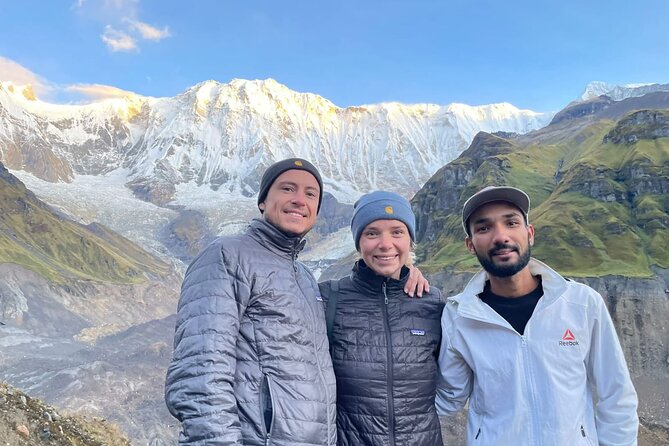
- Poon Hill sunrise at 3,200m with a short early walk and wide peak views
- Villages on the Annapurna corridor (including Gurung community areas like Chhomrong)
- Altitude-aware pacing through Deurali, where you’ll feel the height more
- Route flexibility near avalanche-prone sections across the Modi River area
- Hot springs at Jhinu to loosen up after the trek
- Private guiding and insured support with lodges and three meals on trek days
The Kathmandu start: Thamel, a real arrival plan, and a briefing that keeps you sane
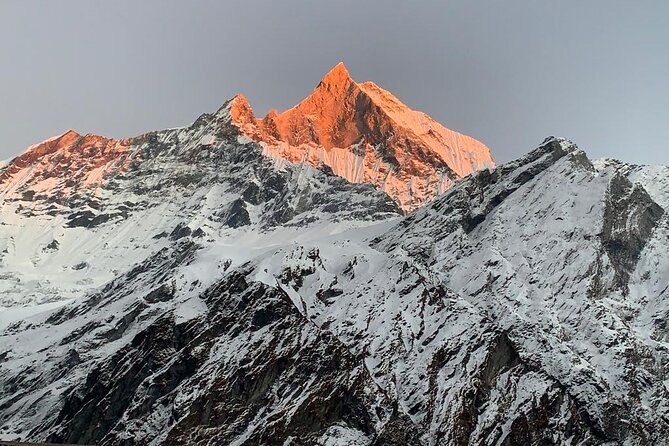
Day 1 begins in Kathmandu, with your representative meeting you at Tribhuvan International Airport. From there, you’ll transfer to a hotel, then get a briefing before you settle in.
This matters more than people think. Kathmandu can feel chaotic if you arrive on your own—traffic, taxis, and paperwork. Here, you get a clean landing: someone meets you, someone moves you, and you leave the day knowing what happens next.
In and around Thamel, you’ll be close to public transportation, which is helpful if you want to grab a snack or handle anything personal the evening before your drive to Pokhara.
What to watch for: you’ll probably be tired from the flight and jet lag. Build in a calm night. Don’t show up for the mountains already cooked.
You can also read our reviews of more tours and experiences in Kathmandu.
Kathmandu to Pokhara by tourist bus: a long drive that sets the rhythm
Day 2 is a drive from Kathmandu to Pokhara by tourist bus. The usual timing is around 6–7 hours, often leaving around 7:00 a.m., depending on road conditions.
This is not a quick hop. It’s a long sit, plus some road bumps that can make your legs feel stiff. The upside is you’re also getting your first taste of Nepalese countryside, and by the time you arrive lakeside, you’ve mentally switched from city mode to trail mode.
After arrival, you rest at the hotel. Then you’re set up for an early start the next day.
Small practical tip: hydrate during the drive and keep your layers handy. Weather can shift, and buses don’t always keep the air consistent.
Nayapul to Tikhedhunga: the first climb and the first real lesson about pacing
Day 3 starts with a drive from Pokhara to the hiking trail at Nayapul (about 2 hours). From there, you begin trekking through river valleys and countryside toward Tikhedhunga.
Day 3 is where you learn how your body handles walking uphill after a travel day. The route here is not about suffering for its own sake. It’s about getting your legs moving and your breathing into a steady rhythm.
Why it’s good for you: if you pace early, you’ll feel a lot better later when the altitude starts making decisions for you.
Potential drawback: if you try to power through every section, you’ll pay for it later. This trek rewards patience more than heroics.
Ulleri and the 3,000 steps to Ghorepani: classic effort, great payoff
Day 4 takes you uphill toward Ulleri, and yes—there are about 3,000 stone steps to climb. The hike to Ulleri village takes roughly 2 hours, then you continue onward to Ghorepani.
This day is a good example of why Annapurna Base Camp treks are so popular. You’re working, your legs are burning a little, and then you land in a mountain village that feels like it’s part of the trail’s core story.
What you’ll like: the route feels “real.” You’re walking through lived-in communities, not just tourist scenery.
What to consider: stone steps mean impact on your knees. If your form gets sloppy on steep downhills or later days, slow down early.
Poon Hill at 3,200m: sunrise views that make the early mornings worth it
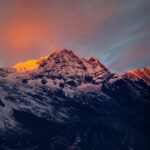
Day 5 is the big sunrise viewing day. You walk about 50 minutes to reach Poon Hill at 3,200m, with the goal of seeing sunrise over the Himalayas. From here, you can see roughly 15 different peaks, depending on weather and visibility.
This is one of the most efficient “wow per hour” moments on the whole trek. You’re not hiking all day just to earn the view. You’re earning it by getting up on time, moving steadily, and then being rewarded with a wide, dramatic horizon.
Why it’s valuable: sunrise is when the mountains look crispest. Even if you’ve seen Himalayan photos, the real thing hits differently—light, shadow, and scale all at once.
Possible drawback: it’s early. Dress for cold. Even when daytime warms up, mountain mornings can stay chilly.
Chhomrong to Dovan: Gurung villages, river valleys, and steady altitude climb
Day 6 moves you from the area of Tadapani down about 900 meters to the Gurjung River valley, then gradually up toward Chhomrong. Chhomrong is a large Gurung village, and the area sits in the Annapurna corridor with classic views of the peaks around you.
This is where the trek stops being only physical and becomes social. You’ll pass through community areas where daily life continues around the trail.
Day 7 drops again from Chhomrong Khola and heads up toward Sinwa (about 3 hours of climbing), then you enter a steep valley that leads toward the Annapurna Sanctuary. You’ll be trekking with Fishtail and Annapurna South nearby as landmarks.
What you’ll like: these middle days feel like transition points. You’re building altitude while still getting that sense of human place—villages, rivers, and the steady rhythm of lodge life.
What to watch: longer valleys can trick you. You might feel like you’re walking “on and off,” but the cumulative effort adds up.
Deurali: when altitude starts making the plan feel slower
Day 8 is a turning point. Above Dovan, you enter an area where the altitude effects become noticeable. Then you ascended to another Himalayan hamlet in about 2 hours, taking things slowly through a peaceful forest.
The slow pace here is the point. It’s not just “being nice.” It helps your body adjust, and it keeps you from arriving exhausted.
Why this stage is worth your attention: altitude doesn’t announce itself with dramatic symptoms every time. Often it just makes everything feel heavier. Slow walking helps you keep going without forcing your breathing.
Potential drawback: if you arrive too fast from earlier days, the “slow” day may feel frustrating. Let it be slow. That’s the strategy.
Base camp day around the Fishtail region: safety choices in avalanche-prone terrain
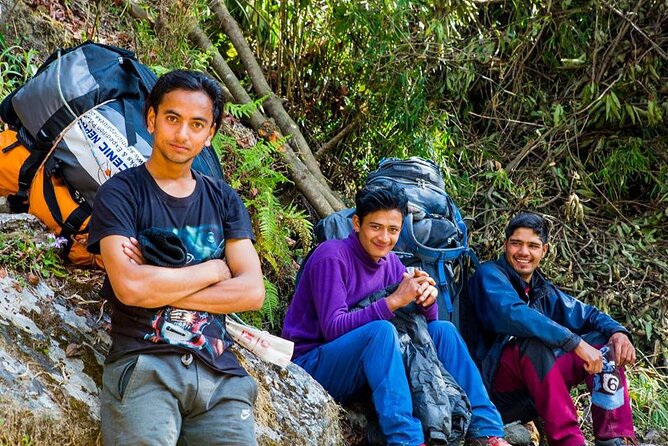
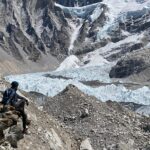
Day 9 is the day you’re aiming for Annapurna Base Camp Trek access, including the Fishtail Base Camp area. The trail from Deurali to the Fishtail Base Camp is described as avalanche-prone, so your route may change across the Modi River depending on the situation and season. Plan on around 2 hours to reach the base camp area.
This is one of the clearest examples of why a well-run trip matters. Base camp on a map looks fixed. On the ground, conditions change. The ability to adjust matters.
What you’ll love: the reward when you reach the base camp area. After days of villages and valleys, this feels like a world end-point.
What to consider: “avalanche-prone” areas also mean weather can affect how you walk and where you go. You’ll want to stay flexible with your expectations.
Heading back toward Dovan: sunrise again, then controlled downhills
Day 10 starts with watching the sunrise over the Annapurnas, then trekking back toward Doban. The first part can be steep, but after that you’ll find gradual downhills. Doban is where two streams meet, so the river soundscape becomes part of your day.
On the return leg, your body will remember every step from the way up. This day is a good place to practice smart trekking: shorten your stride on steep parts, and keep your legs fresh for later.
Why it’s balanced: it’s not a full recovery day. It’s a “move with control” day, setting you up for the final stretch.
Sinuwa and forest paths: waterfalls, birds, and an easier hiking finish
Day 11 keeps things calmer. You follow a path along the river and through a peaceful forest with waterfalls, birds, and ongoing nature sounds. Then you take an easy hike up toward Sinuwa Hill and overnight at a trekking lodge at Sinuwa.
This is the kind of day that feels like a gift after the base camp exertion. You still hike, but the terrain is described as easier, and the emphasis shifts from altitude grind to comfortable movement.
What you’ll like: lodge sleep here can feel different, because you’re no longer chasing the summit moment. You’re settling into the idea that you’re close to the finish.
Jhinu hot springs and the Pokhara return: your body gets paid back
Day 12 brings you to Jhinu, the natural hot spring. You’ll trek about 2 hours to reach it, then spend time bathing there. Lunch happens at Jhinu, and then you’ll drive back to Pokhara, or you may trek further before returning (depending on how your day unfolds).
This is a classic Annapurna “reset.” Hot springs help with soreness, and it also gives you a mental finish line: the trek has an end, and your body knows it.
What to watch: hot spring time can be relaxing, but don’t lose track of warmth and hydration. After the bath, temperatures can shift quickly in the mountains.
Price and value: what $799 actually buys you (and what you’ll still pay)
This trek is listed at $799. At face value, that price can look either like a steal or like a question mark, depending on what’s included.
Here’s the value math that matters:
- Lodges en route are included, so you’re not guessing where you sleep each night.
- Three meals a day (breakfast, lunch, dinner) are included during the trekking days, with tea/coffee en route.
- Ground transportation is included from Kathmandu to Pokhara and back, plus airport pickup/drop.
- All applicable permits and fees are included, including ACAP and local permits.
- Your professional guide is included, including their expenses and insurance, plus trekking equipment.
- You get mobile ticket confirmation and follow-through.
What you’ll likely pay separately:
- Beverages aren’t included.
- Tips for the guide are not included.
- Travel insurance is not included.
- Kathmandu and Pokhara meals beyond the noted daily breakfast aren’t included.
- Accommodation in Kathmandu is not included.
- A porter isn’t included if you decide you need one (the package notes porter availability as needed).
So the real question is: do you want a “no guesswork” package that covers the big moving parts? If yes, $799 looks like strong value because it reduces risk and logistics stress. If you’re already planning to arrange all transport, permits, and meals yourself, then the price might feel less appealing.
Guides and support that show up when weather and altitude get real
Good trekking companies don’t just plan scenic days. They plan contingencies.
In feedback associated with this operator, I’ve seen praise for people like Dil Prasad Sapkota for hands-on assistance during trip changes. There are also mentions of guides such as Arjun, and team members including porters like Krishna, plus other staff like Sudip and a porter-guide named Ram.
You shouldn’t assume any particular guide will be yours, but the pattern is clear: this team is built around problem-solving and flexibility. That matters most when flights get delayed, weather turns, or trekking routes need adjustments for safety.
You also get guide support built into the package: professional guidance, with insurance and equipment included.
Practical takeaway: if you want an operator that helps you stay calm when plans shift, this is the kind of trekking structure that can help.
Fitness reality check: what moderate physical fitness means on this route
The trip asks for moderate physical fitness level. That’s a fair label for a 12-day Annapurna Base Camp trek because you’re doing daily walking with some steep climbs and descents.
You’ll face:
- Steep stair climbing early on (Ulleri’s stone steps)
- Gradual altitude increase across several days
- A base camp approach described as avalanche-prone with route adjustments
- A return trek with steep-first sections and downhills
- A final hot springs hike before the Pokhara drive
My advice: train for consistency, not just peak workouts. Practice walking with a loaded daypack if you can. And if you’ve never hiked at altitude before, plan to go slower than you think you should.
Who should book this Annapurna Base Camp trek?
This trek fits best if you want:
- A private experience (your group only)
- A plan that covers key logistics: transfers, guides, permits, and lodge stays
- A real mix of mountain goals and village life, including Gurung community areas
- A balance between effort days and recovery-friendly moments like Sinuwa and Jhinu hot springs
It may not be the best match if:
- You hate early starts (sunrise viewing days are central)
- You want a trek with minimal climbing (this route includes meaningful elevation work)
- You expect luxury accommodation or meals in Kathmandu included (those aren’t part of this package)
Should you book Adventure Glacier Treks & Expedition?
If your priority is a well-run Annapurna Base Camp experience where you’re not juggling permits, transport, and day-by-day meal planning, I’d say it’s a solid booking choice. The package structure supports you: lodges, three meals on trek days, permits (ACAP and local), and guide support with insurance and equipment.
I’d book it if you’re excited about sunrise views at Poon Hill, you like the idea of walking through villages, and you’re okay with the reality that altitude and trail conditions can change plans in the avalanche-prone areas.
If you’d rather self-manage everything and you’re comfortable handling permits and route decisions on your own, then this might feel more structured than you want.
FAQ
Where does this tour start?
The meeting point is Tribhuvan Airport in Kathmandu, Nepal.
How long is the Annapurna Base Camp trek?
It’s about 12 days.
Is airport pickup and drop-off included?
Yes. Airport pick up and drop is included.
What’s included in the trek meals?
The package includes three meals a day (breakfast, lunch, dinner) with cup of tea/coffee en route.
Are beverages included?
No. Beverages are not included.
Are permits included?
Yes. The package includes ACAP and local permits, along with applicable permits and fees.
Is accommodation included in Kathmandu and Pokhara?
No. Accommodation in Kathmandu and Pokhara is not included. Lodges en route are included.
Do I need to arrange a porter?
A trekking porter is not included unless you need one.
What physical fitness level is required?
You should have a moderate physical fitness level.
Can I cancel for a full refund?
Yes. Free cancellation is available, and you can cancel up to 24 hours in advance for a full refund. If you cancel less than 24 hours before, there’s no refund.