REVIEW · KATHMANDU
15-Day Private Annapurna Circuit Trek from Kathmandu
Book on Viator →Operated by Himalaya Guide Nepal · Bookable on Viator
Thorong La is close enough to taste. This 15-day private Annapurna Circuit from Kathmandu puts you on the classic Marshyangdi River trekking corridor, then sends you over the big pass with a deliberate acclimatization buffer in Manang. I like that the trip feels organized end to end, with airport pickup/drop and a private pace that stays focused on your group.
Two things I really like: the plan handles the admin that usually eats time (including ACAP and TIMS permits), and the trek is built around real meals and lodge stays instead of constant resupply. You also get an experienced guide who manages route choices day to day, so you spend your energy hiking, not guessing.
One drawback to consider: long walking days start stacking up fast. Even on the “normal lodge” trek days, the schedule often sits around 12 hours, so you’ll want solid stamina before you arrive.
In This Review
- Key points that matter before you go
- Cost breakdown: why $995 can feel fair for a circuit trek
- Kathmandu handoff and the first trekking day near Lamjung
- Marshyangdi valley walking: Ghermu, Chamje, and Chame
- Manang approach: from forest and narrows to bigger altitude
- The acclimatization day that makes Thorong La feel doable
- Last-camp energy: Thorong La Pass approach via Jarsang Khola
- From the pass down toward Muktinath and Tatopani/Shikha hot-spring recovery
- Ghorepani and the Poon Hill sunrise finale
- Pokhara back to Kathmandu: ending with a farewell dinner
- The guide team and how the company’s style shows up on the trail
- What’s included (and what you must plan around)
- Who should book this Annapurna Circuit plan
- Should you book? My honest call
- FAQ
- Where does this trip start and what time?
- How long is the Annapurna Circuit trek?
- Is airport pickup and drop-off included?
- Does the price include permits?
- Are meals included during the trek?
- Is a porter included?
- What transport is included besides trekking?
- What is the cancellation policy?
Key points that matter before you go
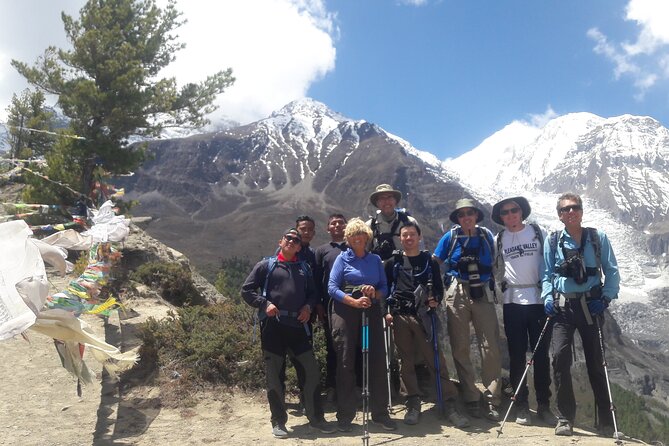
- Private, small-group style trekking so your pace and needs stay in the driver’s seat
- Permits included via ACAP and TIMS handling, which saves you time and hassle
- Manang acclimatization day before aiming at Thorong La (your body will thank you)
- Door-to-door transport from Kathmandu to the trailhead and back, plus Pokhara transfers
- Full meal coverage on trek days (breakfast, lunch, dinner), with lodge accommodation included
- Hot-spring day built into the lower part of the route for a real reset
Cost breakdown: why $995 can feel fair for a circuit trek
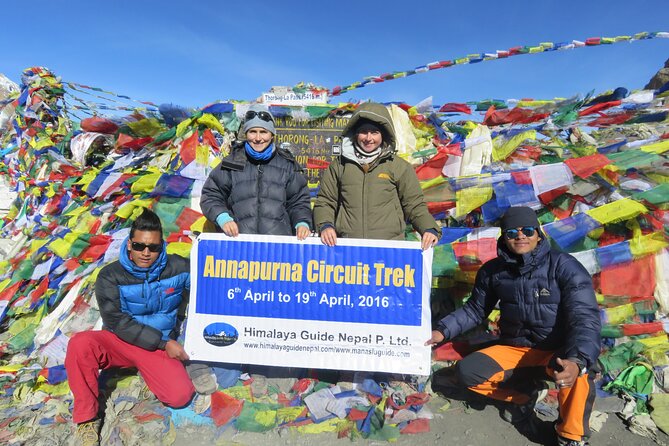
At $995 per person, this isn’t a barebones budget trek. You’re paying for a full package: pickup and drop between the airport and hotels, multiple vehicle legs (bus, car, tourist bus), and the bulk of on-trek costs like lodge accommodation and meals.
You also get the stuff that’s easy to underestimate on the Annapurna region: legal documents (ACAP permit and TIMS card) and “who handles it” support from the guide team. That matters because a circuit isn’t just walking; it’s permits, timing, and coordination across several towns.
So, if you want the freedom of a private itinerary without the stress of organizing every transfer yourself, this pricing starts to look pretty practical.
You can also read our reviews of more tours and experiences in Kathmandu.
Kathmandu handoff and the first trekking day near Lamjung
Your day starts in Kathmandu with an airport meeting at 10:15 am, and the company includes international airport pickup and drop to your hotel (and back at the end). Then you transition by road toward the trail corridor.
Day 1 focuses on getting you to the early hiking base around Lamjung. This is the day where you trade traffic noise for river-and-village rhythm. You’ll ride a bus along the highway corridor toward Besisahar and Bulbule area, then begin settling into the trekking rhythm that runs through the Marshyangdi valley.
What I like here is the tempo: Day 1 isn’t trying to test your limits. It’s a practical on-ramp.
Marshyangdi valley walking: Ghermu, Chamje, and Chame
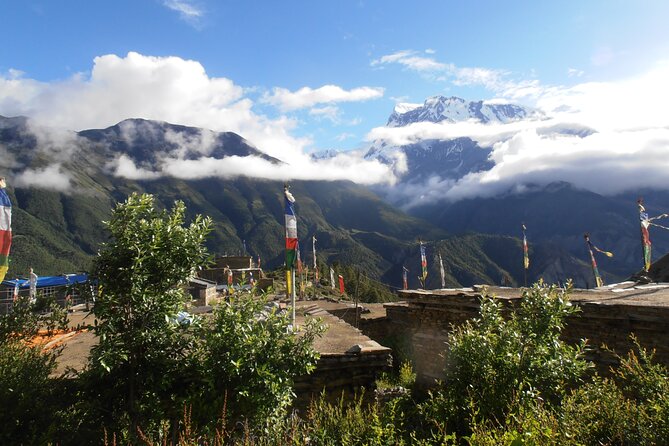
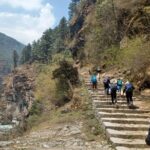
Days 2 through 4 shape the core “Annapurna Circuit feeling”: village paths, river crossings, and steady elevation that doesn’t rush you too hard at the start.
On Day 2 (Ghermu), you’ll start after breakfast with walking through villages and roads, then continue toward the east bank of the Marshyangdi River, finishing around Ngadi after uphill past Brahmin settlements. This day reads like a gradual orientation to life on the trail: you’re learning how the route behaves before it starts climbing more seriously.
Day 3 (Chamje) is where suspension bridge crossings show up as a recurring theme. You drop downhill toward Syange, cross the Marshyangdi on a suspension bridge, then climb steeply again. The bridge makes the terrain feel more “alive,” and the steep hit reminds you this is real mountain walking, not a gentle stroll.
Day 4 (Chame) keeps you moving with another bridge crossing and a route that reaches Danque area around 2300 meters, noted by a stone entrance chorten. It’s a classic circuit day: enough effort to feel accomplished, enough variety to stay interested.
Watch-out for your body: these first days help you warm up, but the Annapurna Circuit still punishes sloppy pacing. If you go too fast early, the higher days will feel worse later.
Manang approach: from forest and narrows to bigger altitude
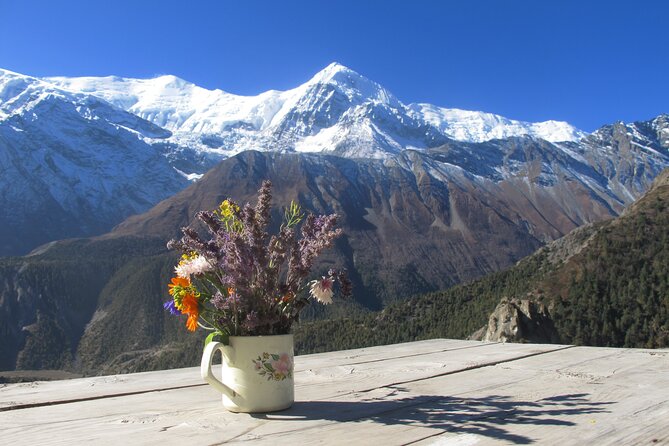
By Day 5 and Day 6, the route shifts into a more “high mountain valley” mood. You’ll pass through dense forest and narrow valley sections, then reach areas around 3038 meters with dramatic curved rock features rising from the river.
Day 5 (Manang) puts you at higher altitude where the air starts doing more work. Day 6 continues this Manang-zone storyline and includes a choice flavor depending on whether you stayed in lower Pisang before: the trail can follow the Marshyangdi Khola or cross the river, and they meet back up again around Mungji. That’s useful because it signals you won’t be forced into one rigid pattern if conditions or timing suggest an alternate approach.
From a hiking perspective, this is also where the views start to matter more. From a comfort perspective, lodge nights in this belt help you get sleep before the real acclimatization step.
The acclimatization day that makes Thorong La feel doable
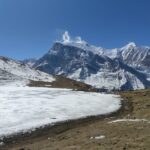
Day 7 is the moment of sanity: you spend a day acclimatizing in Manang before pushing on toward Thorong La (listed at 5416m). If you care about having a safer-feeling summit push, this day is the reason to pick a guided circuit plan like this.
The itinerary even frames this as important, not optional. You can also add an optional explore, described as visiting a monk/Lama spot (the notes mention 100 rupees for the Lama and a donation approach).
Day 8 keeps climbing in a steady way as you move uphill to Tanki village from Manang, passing Ghungsang and leaving the Marshyangdi valley for the Jar Sang Khola valley. This is a shift you’ll feel in your legs: you’re moving from “valley corridor walking” into “higher, steeper, more exposed trekking” territory.
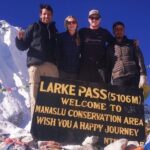
Last-camp energy: Thorong La Pass approach via Jarsang Khola
Day 9 sets you up as the last camp before crossing Thorong La Pass. The route is described as following yak grazing ground, then descending to Jarsang Khola. From there, it’s up toward Durali tea shop area, with time allocated in the day plan for that stretch.
What this means for you: this is the day where you should treat your effort like currency. You’re not just hiking to another village; you’re preparing for a high pass crossing. You’ll want to keep yourself fueled and avoid the urge to “power through” when your body starts to feel the altitude.
Day 10 (Thorong La Pass) starts early, because the day includes a long climb. The notes also include a local term explanation for Phedi, meaning Food of the Hill, and it frames this as the long workday leading to the pass crossing effort.
This is the heart of the circuit. The difference between a good pass experience and a miserable one often comes down to planning: early start, pace control, and not treating the climb like a race.
From the pass down toward Muktinath and Tatopani/Shikha hot-spring recovery
After the pass, the itinerary begins working your way into lower altitudes. Day 11 centers on Jomsom and highlights a key decision: routes from Muktinath to Tatopani or toward Pokhara, including an option involving a short flight from Jomsom to Pokhara followed by walking through areas such as Marpha, Ghasa, and Tatopa/Tatopani over additional days.
In this package, you also have included public transportation from Muktinath to Tatopani, and then you connect onward to Pokhara by car (from the trek ending point via Nayapul to Pokhara). So you’re not stuck doing everything by foot once you’re past the main pass challenge.
Day 12 (Shikha) is built around recovery. It starts with a hot spring day, then you trek down before crossing a suspension bridge over the Kali Gandaki River, moving along Burung Khola and heading toward Shikha.
For me, this is one of the most valuable “hidden” parts of the itinerary. You’re not just walking down because it’s downhill; you’re given a structured chance to reset tired muscles in warm water, then re-stabilize your routine before the final leg.
Ghorepani and the Poon Hill sunrise finale
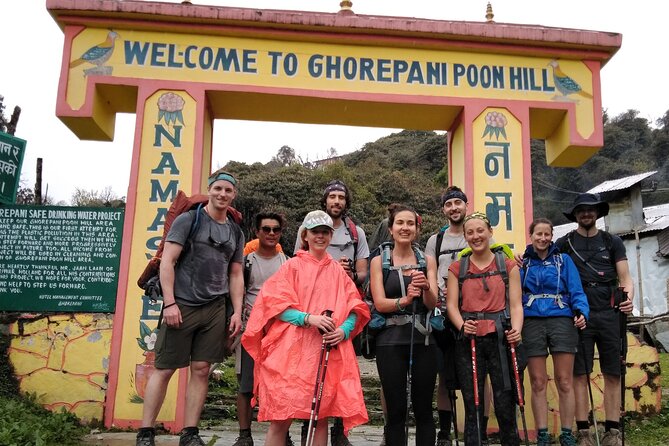
Day 13 (Ghorepani) brings you back into classic rhododendron-and-pine zone trekking, with Magar villages of Phalate and Chitre, terraced fields, and forest paths. The notes call it quite hard, and the time allocation suggests you should expect a meaningful climb even though you’re already in the lower part of the overall circuit arc.
Day 14 transitions you into the famous sunrise payoff. You hike early to Poon Hill (3210m) for sunrise, with views listed that include Dhaulagiri, Tukuche Peak, Nilgiri, Annapurna South, Himchuli, and the surrounding peaks between them. After the sunrise session, the itinerary continues you back down toward Pokhara Lakeside, where you connect your trek to city comforts.
This is the moment where the whole circuit story clicks: earlier days build the stamina, the Manang day protects your body, and the final morning gives you the panoramic reward.
Pokhara back to Kathmandu: ending with a farewell dinner
Day 15 is your return to Kathmandu. The notes explain that from Pokhara to Kathmandu there are different services, and you can choose a tourist bus route. That flexibility can matter if you want to tune the final travel pace.
The company also includes a farewell dinner, which is a nice touch for finishing a trek like this. After 15 days of shared schedule, it gives you a clean landing instead of ending mid-transport.
The guide team and how the company’s style shows up on the trail
One reason I lean toward private guided circuit treks is simple: a good guide smooths out the messiness. This tour includes an experienced guide whose responsibilities cover salary, equipment, insurance, transportation, lodging, and food.
Also, in real-world examples from the company’s guide roster, names like Pratap are described as accommodating, knowledgeable, and funny with a cheerful vibe on tough days. Other guide names show up with a consistent theme: safety-first thinking and an ability to keep trekking logistics working without turning the day into stress.
For you, the practical value is that you’re less likely to waste time arguing with timing, second-guessing routes, or feeling lost in the “what happens next” moments.
What’s included (and what you must plan around)
Here’s what’s covered on the trek and transit legs based on the package details:
Included:
- Airport transfers (Kathmandu hotel pickups and airport drop)
- Bus ticket to Bulbule (6–7 hours drive)
- Public transportation from Muktinath to Tatopani
- Car transfer from trek ending point (via Nayapul) to Pokhara
- Deluxe tourist bus from Pokhara to Kathmandu
- Lodge accommodation on the trek (normal category)
- Guide with equipment, insurance, and transport included
- Legal permits: ACAP permit and TIMS card
- Meals on trek days: breakfast (15), lunch (15), dinner (15)
- Government taxes
- Token of love from the company
- Farewell lunch or dinner
Not included:
- Extra night accommodation and food in Kathmandu and Pokhara
- Travel insurance
- Porter (optional and can be organized per request)
- Hot and cold drinks like Coke, mineral water, beer
- Personal expenses like laundry, phone, battery charging, showers, and boiled water
This is good news if you like clear boundaries. The main thing you need to handle is your own insurance and your optional choices like porter and drinks.
Who should book this Annapurna Circuit plan
This works best if you:
- Want private trekking with only your group participating
- Prefer a guided setup that handles transfers, permits, and meals
- Have moderate physical fitness and are ready for long hiking days (the schedule often runs around 12 hours)
- Care about acclimatizing properly in Manang before attempting Thorong La
If you want full independence with zero logistics, this isn’t that kind of trip. The whole point here is that you get support and timing, so you can focus on hiking instead of building the plan from scratch.
Should you book? My honest call
If your goal is a well-run Annapurna Circuit with fewer moving parts, I’d say this is a strong pick. The price becomes easier to justify because you’re not only paying for a guide; you’re paying for permits, meals, lodge stays, and most transportation legs.
The only real reason to hesitate is the workload. If you’re not confident in handling long trekking days back-to-back, you’ll feel it, even with acclimatization. If you can show up fit and keep a calm pace, this itinerary gives you a clear path up, a structured pass day, and a meaningful finish with Pokhara and Poon Hill sunrise.
FAQ
Where does this trip start and what time?
It starts at Tribhuvan Airport in Kathmandu, Nepal at 10:15 am.
How long is the Annapurna Circuit trek?
The itinerary is listed as approximately 15 days.
Is airport pickup and drop-off included?
Yes. International airport pickup and drop are included, described as airport to hotel to airport.
Does the price include permits?
Yes. The tour includes legal documents including the ACAP permit and TIMS card.
Are meals included during the trek?
Yes. Breakfast (15), lunch (15), and dinner (15) are included, along with lodge accommodation on the trek.
Is a porter included?
Porter service is not included, but the company says they can organize a porter per request.
What transport is included besides trekking?
The package includes a bus ticket to Bulbule, public transportation from Muktinath to Tatopani, a car from Nayapul to Pokhara, and a deluxe tourist bus from Pokhara to Kathmandu.
What is the cancellation policy?
Free cancellation is offered. You can cancel up to 24 hours in advance for a full refund; if you cancel less than 24 hours before the start time, the amount paid is not refunded.