REVIEW · MARRAKECH
3-Day Marrakech to Merzouga Desert Experience and Camel Trekking
Book on Viator →Operated by Marrakech Activities Expert · Bookable on Viator
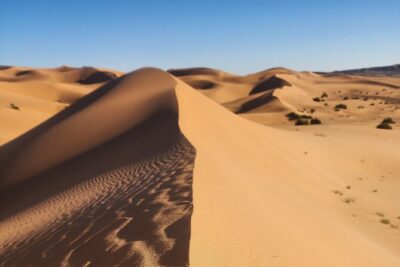
Three days can feel like a whole world. This Marrakech to Merzouga trip strings together the High Atlas pass, the UNESCO ksar of Ait Benhaddou, and a Berber camp in the Sahara with camel rides at sunset and sunrise.
I like that you travel with an English/French-speaking driver and a local guide in Tinghir, so you get real context, not just scenery. I also love the camel-and-camp rhythm: camel trekking in the dunes, sand boarding, showers at camp, and an evening show with music and dancing.
The main thing to weigh is the long driving, especially on Day 3, plus lunches, drinks, and tips that aren’t included. The hotel and desert camp match the price, so go in expecting comfort with a practical edge, not luxury.
In This Review
- Key highlights worth your attention
- Marrakech to Merzouga in 3 days: what this trip is really good at
- Tizi n’Tichka Pass: the High Atlas climb you’ll remember
- Ait Benhaddou and Ouarzazate: UNESCO without the time sink
- Tinghir with a local guide: the human side of the Atlas
- Todra Gorge and the Tinejdad lunch break
- Berber family shop stop: dress-up, photos, and scarf shopping
- Merzouga dunes at sunset and sunrise: the camel trek structure
- Sand boarding: included fun, not complicated
- Price and value: is $129.58 fair for what you get?
- Guides and drivers: why names keep coming up
- Who should book this 3-day Marrakech to Merzouga tour
- Should you book it?
- FAQ
- FAQ
- How long is the Marrakech to Merzouga desert experience?
- What is the price per person?
- Is pickup offered from Marrakech?
- What does the tour include?
- Which parts require extra payment?
- Will I have a guide during Tinghir and Todra Gorge?
- What desert camp activities are included in Merzouga?
- What is the maximum group size?
- Is there free cancellation?
Key highlights worth your attention
- Tizi n’Tichka Pass (about 2,260 m / 7,400 ft): a dramatic mountain-to-desert change in a single ride.
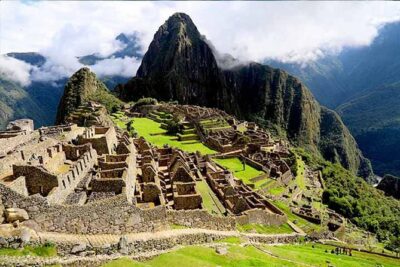
- Ait Benhaddou UNESCO stop near Ouarzazate: a famous fortified ksar where film crews have shot big productions.
- Tinghir with a local guide: daily life, the Jewish quarter, historic areas, and a possible stop at a women’s handicraft cooperative.
- Todra Gorge time: tall rock formations, plus the day continues with lunch in Tinejdad.
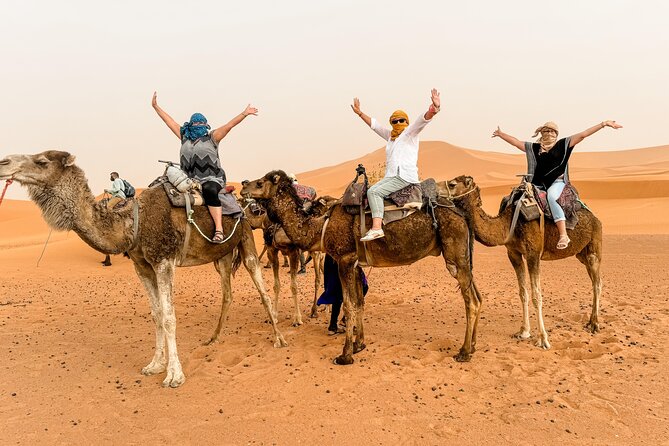
- Merzouga camel trekking with sand boarding: sunset ride to camp, then sunrise ride back.
- Camp evening included: dinner, shower time, and music and dancing around the campfire.
Marrakech to Merzouga in 3 days: what this trip is really good at
This is a “big Morocco” road-trip style experience. You’re not just going to the Sahara; you’re getting there by passing through the High Atlas Mountains, kasbah country near Ouarzazate, and the dramatic rock cuts of eastern Morocco. If you like travel days that feel purposeful, this works.
The value shows up in the structure. You get included meals (two breakfasts and two dinners), two nights of lodging (a first-night hotel and a second-night desert camp), and organized camel time that happens in the best light. And because the driver speaks English/French, you’re not stuck decoding everything on your own.
That said, this is still a road trip with real driving hours. If you hate long stretches in a minibus, you’ll feel it. But if you enjoy watching Morocco change as you go, the route is a big part of the reward.
You can also read our reviews of more tours and experiences in Marrakech.
Tizi n’Tichka Pass: the High Atlas climb you’ll remember
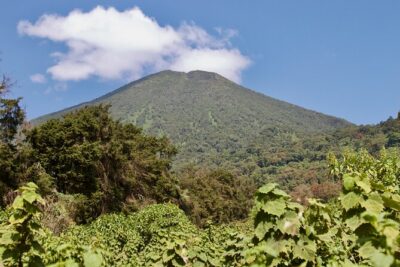
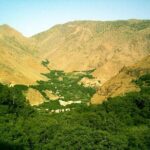
The first major wow moment is the Tizi n’Tichka Pass, reaching roughly 2,260 meters (about 7,400 feet). On this route, the scenery isn’t just pretty; it’s instructional. You see why the Atlas Mountains sit between Morocco’s coastal life and the Sahara beyond—turns get sharper, valleys open up, and the whole geography starts making sense.
A stop here is also a good pace reset. Even though it’s only listed as a short stop, you’ll want to use it. Take a few minutes for photos, then look at the terrain instead of just the camera frames. From this pass, it’s easier to appreciate how the day-to-day life of Berber villages connects to the mountains.
Practical note: the pass is a ride, not a walking hike. Plan for comfort in a vehicle and bring a layer for when the temperature shifts.
Ait Benhaddou and Ouarzazate: UNESCO without the time sink
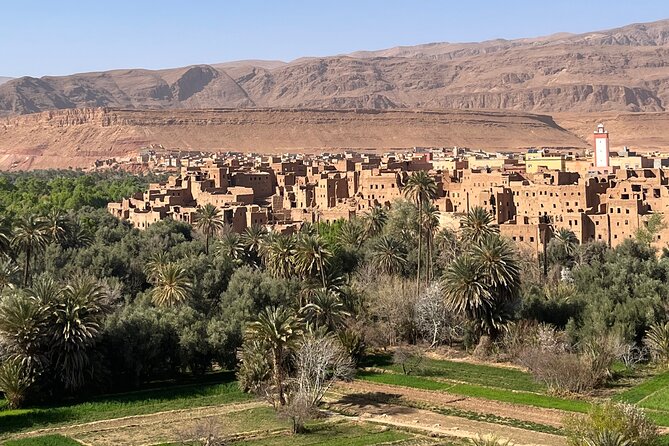
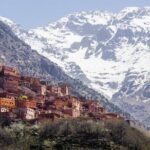
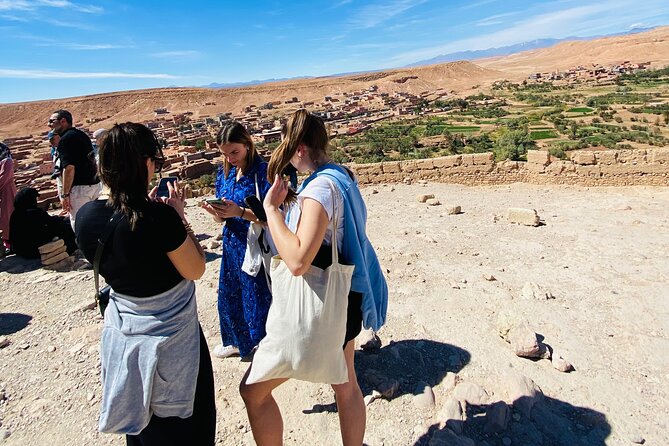
Aït Benhaddou is one of those places where you understand instantly why it’s been used as a film location. It’s a UNESCO World Heritage site and a fortified village (a ksar), built with the kind of architecture that’s designed to last.
You get a guided visit option on site for about an hour, but it’s not included. If you want the most out of it—who lived here, why it’s laid out the way it is, and how ksar defenses worked—plan a small extra cost for the local guide. For larger groups, the local guide fee is listed as about 2 to 3 euros per person.
On the drive afterward, you pass through Ouarzazate and along the Thousand Kasbahs Road area. This is where the trip becomes more than a single photo stop. You start seeing kasbahs like roadside markers: each one is a clue to how communities historically spread across this part of Morocco.
The trade-off? You’re not spending the whole day here. It’s a classic “important stop, good timing” approach. If you’re the type who wants unhurried wandering for hours on end, you might wish for more time. But if you want variety across three days, this timing makes sense.
Tinghir with a local guide: the human side of the Atlas
Day two begins with Tinghir and a local guide, and that’s a big deal. The guide covers daily life, the Jewish quarter, and the historic sections—plus there may be a stop at a women’s handicraft cooperative.
This is the kind of stop that often gets rushed on day trips. Here, you get roughly an hour with a guide, which is long enough to ask questions and get meaning behind what you’re looking at. It also helps you understand how towns like Tinghir sit between mountain routes and desert journeys—people aren’t just “passing through,” they’re living here.
If you’re traveling with kids or anyone who likes conversation over museum-style facts, a guided town walk is a strong choice. It also adds variety after the more scenic, viewpoint-heavy Day 1.
Todra Gorge and the Tinejdad lunch break
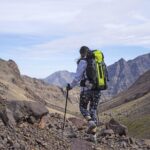
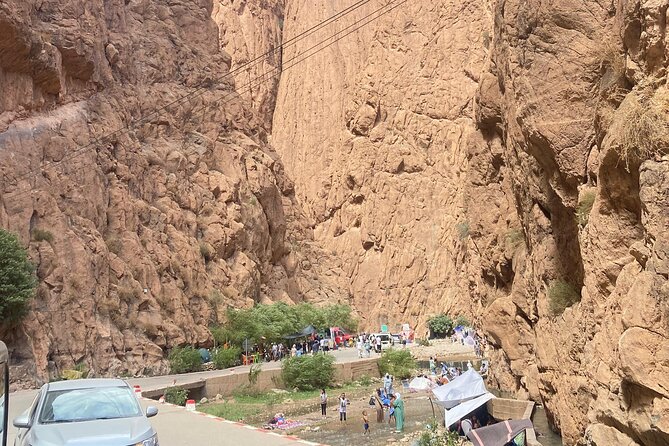
After Tinghir, the route continues to Todra (Todgha) Gorge, famous for dramatic rock formations. It’s a spot that works on multiple levels: photographers like the vertical rock walls, and walkers enjoy the narrow feel of the gorge.
You also get the same local guide again for the gorge portion, so it stays cohesive rather than turning into a free-form stop. After that, you head to Tinejdad for lunch.
Why this matters: lunch in the middle of the day keeps the trip from feeling like endless driving. It’s also a practical reset before you shift gears again toward Merzouga and the desert camp experience.
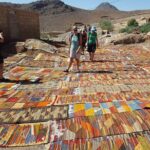
Berber family shop stop: dress-up, photos, and scarf shopping
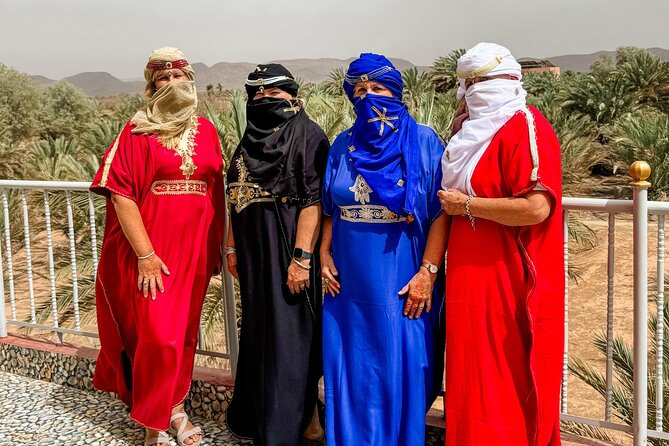
Later in the day, you’ll visit a Berber family shop. The experience here isn’t just sales—it’s hands-on cultural contact. You can try on traditional Berber attire, take free photos, and learn how people present clothing and style in everyday life.
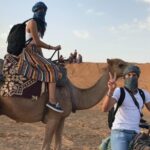
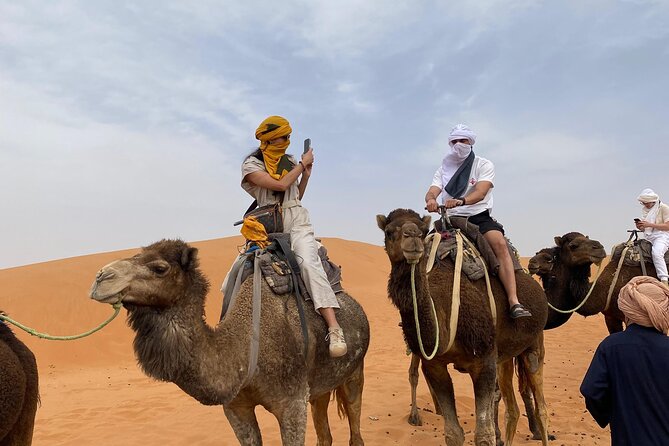
The shop stop also includes a practical outcome: you can purchase scarves for the camel ride in the desert. That’s smart. In desert conditions, scarf coverage helps with dust and sun, and it’s easier to handle than trying to improvise later.
This is also one of those stops where the best approach is respectful and curious. Try the clothing if you want the photo, ask a few questions, then keep moving. You’ll get more value by staying friendly without turning it into a shopping negotiation marathon.
Merzouga dunes at sunset and sunrise: the camel trek structure
Merzouga is where the tour turns into “Sahara time,” and the tour handles it in a classic, effective way.
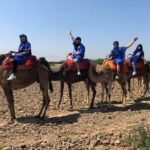
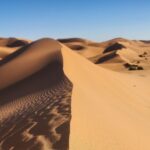
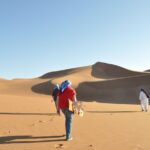
You arrive in Merzouga and meet your camel. Then you ride into the dunes for about an hour, timed around sunset. That hour is long enough to feel like you’ve left the road behind, but short enough that you’re not exhausted before dinner and night sky time.
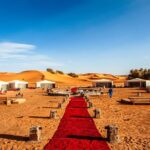
Then you reach the desert camp, where you settle into tents. The tour includes shower time before dinner, which is genuinely useful after a day of road travel and dust.
After dinner, the evening program includes traditional music and dancing around the campfire. This is the moment many people picture when they think of the Sahara, and having it scheduled means you’re not wondering whether it will happen or if you’ll miss it.
The next morning starts with early breakfast and a camel ride back toward the meeting point where the car will be waiting. That sunrise ride is included and is one of the highlights of the whole experience—quiet dunes, changing light, and that slow shift from “camp mode” back to “road trip mode.”
Sand boarding: included fun, not complicated
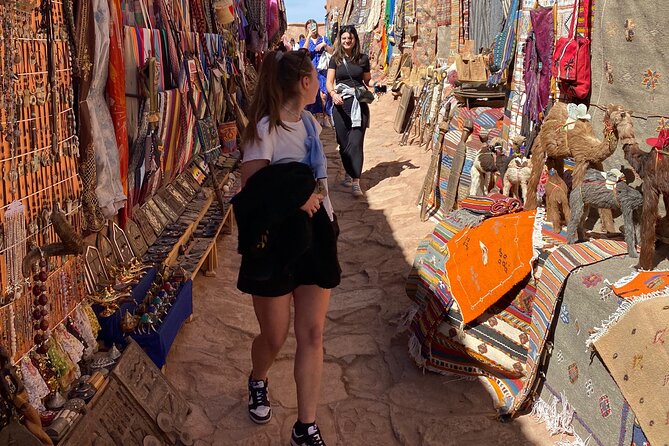
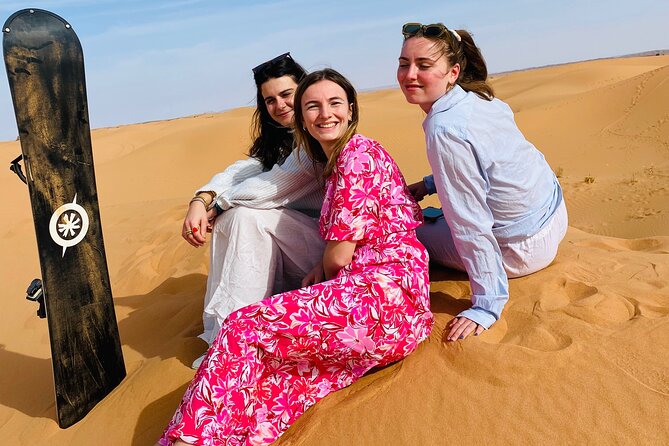
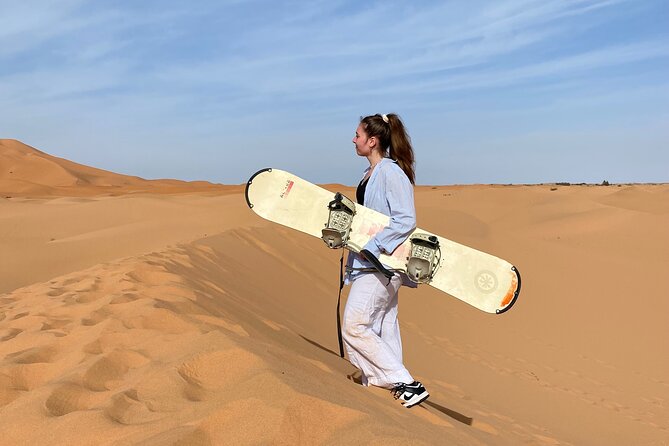
Sand boarding is included, and it’s one of the easiest add-ons to enjoy without special training. You don’t have to be an athlete; you just need a sense of balance and a willingness to laugh at yourself when you wobble.
If you’re not sure what to expect, think of it as a short, playful break inside the broader desert day. It’s there to keep the desert more than just sitting and staring.
Price and value: is $129.58 fair for what you get?
At $129.58 per person for a three-day Marrakech to Merzouga desert experience, this is positioned as a budget-to-midrange adventure with real inclusions. The value comes from what’s bundled: air-conditioned minibus transport, driver (English/French), lodging for two nights, camel trekking at sunset and sunrise, sand boarding, and the core meals (two breakfasts and two dinners).
Where you should factor in extra money:
- Lunches are not included and cost about 12 euros per person.
- A local guide at Ait Benhaddou isn’t included, listed around 2–3 euros per person for groups over 10.
- Drinks and tips aren’t included.
So the honest equation is this: you’re paying for the backbone of the experience, and you’ll cover your personal extras on top. If you prefer knowing your final total early, bring budget for lunch and drinks, and plan a tip for the service.
One more value point: the group size tops out at 60. That isn’t tiny, but it’s enough to keep the logistics moving without feeling like a mass event.
Guides and drivers: why names keep coming up
A huge part of whether this kind of tour feels smooth is the human behind the wheel and the person guiding you in key stops. This experience is set up with an English/French-speaking driver plus a local guide in Tinghir.
In feedback tied to this tour, you’ll see names like Malek and Kareem praised for safe, steady handling and patience with questions. Other names that show up for similar desert experiences include Mohammed, Muha, Said, and Ichou. The takeaway for you is simple: strong language support and patience matter a lot when you’re traveling long distances across time zones, roads, and changing weather.
If you’re sensitive to pace or want explanations as you go, this tour’s guide structure is one of its best choices.
Who should book this 3-day Marrakech to Merzouga tour
This trip is a great fit if you want:
- A structured desert experience (camel rides timed for sunset and sunrise) without having to plan logistics yourself.
- Cultural stops with guided context, especially in Tinghir.
- A balance of driving time plus meaningful “get out and see” moments like Ait Benhaddou, Todra Gorge, and the Berber shop.
It’s also a good match for couples and small groups who want one itinerary and don’t want to split plans across multiple companies.
Who might want to reconsider:
- If you hate long road days, especially Day 3.
- If you need premium hotel comfort, since lodging is priced according to the deal rather than luxury.
Should you book it?
Yes, I’d book this if your priority is a complete Marrakech-to-Sahara story in three days, with the desert camp and camel trekking handled for you. The mix of High Atlas views, UNESCO ksar time at Ait Benhaddou, Todra Gorge, and a Merzouga night program gives you variety that feels worth the travel.
Just go in with two expectations set: plan for driving time, and budget a little extra for lunches, drinks, and tips. If that sounds fine, this tour is a strong value way to experience Morocco’s big geographic swing—from mountains to dunes—without turning your trip into a planning project.
FAQ
FAQ
How long is the Marrakech to Merzouga desert experience?
It lasts about 3 days.
What is the price per person?
The price is listed as $129.58 per person.
Is pickup offered from Marrakech?
Pickup is offered, and a mobile ticket is provided.
What does the tour include?
Included items are: a local guide in Tinghir, accommodations for the first night in a hotel in Tinghir or Dades, and the second night in a desert camp, camel rides in the sunset and sunrise (one camel per person), sand boarding, air-conditioned transportation in a minibus with fuel, a driver speaking English/French, plus dinner twice and breakfast twice.
Which parts require extra payment?
Lunches are not included (about 12 euros per person). A local guide at Ait Benhaddou is not included (about 2–3 euros per person for groups over 10). Tips and drinks are also not included.
Will I have a guide during Tinghir and Todra Gorge?
Yes. A local guide is included in Tinghir, and the same local guide accompanies you to Todra Gorge.
What desert camp activities are included in Merzouga?
You’ll have dinner, shower time before dinner is mentioned, and an evening with traditional music and dancing around the campfire.
What is the maximum group size?
The maximum number of travelers is 60.
Is there free cancellation?
Yes, free cancellation is available. You can cancel up to 24 hours in advance for a full refund.