REVIEW · HANOI
2-Day Amazing Sapa Trek With Sleeper Train From Hanoi – Overnight At Homestay
Book on Viator →Operated by Old Quarter Travel · Bookable on Viator
Sapa works best when you travel at night and walk in the day. This trip pairs a sleeper train from Hanoi with an easy, small-group trek around Y Linh Ho, Lao Chai, Ta Van, and Giang Ta Chai. I like that you get real homestay time in Ta Van (not just a quick photo stop), and you also get most of your meals handled for you. One thing to consider: the schedule assumes you’ll follow the meeting points and transfer cues closely, and some people have run into confusion with station handoffs, so I’d confirm the step-by-step instructions before you go.
This is also a smart way to see Sapa without turning the whole trip into a long-distance bus ride. You sleep, wake up in the mountains, walk through village paths and rice terraces near Muong Hoa Stream, then head back to town and onto the train again. The group size is capped at 15, which usually means you spend less time waiting and more time actually walking.
The trade-off is simple: you’re on a fixed timeline. You have a moderate-activity trek, plus set windows for Sapa town and the return night train to Hanoi. If you’re the type who wants hours of free wandering or total flexibility, this one may feel a bit structured.
In This Review
- Key Highlights at a Glance
- Start Late in Hanoi: Ga Hàng Cỏ Meeting Point and Sleeper Train Reality
- First Trek in Sapa: Y Linh Ho, Rice Terraces, and Muong Hoa Stream Views
- Lao Chai Village Walk: Black Hmong Community and Hoàng Liên Sơn Framing
- Ta Van Village and Homestay: Giay Culture, Local Lunch, and a Real Afternoon
- Giang Ta Chai Trek and the Rice Paddies Photo Session
- Price and What You’re Really Paying For: $161 With Trains, Meals, and a Homestay
- Weather, Fitness, and Packing: The Unromantic Stuff That Makes or Breaks the Walk
- Should You Book This Sapa Trek With Sleeper Train From Hanoi?
- FAQ
- How long is the tour?
- Where do I meet for the tour, and when?
- What meals are included?
- What kind of train experience is included?
- Is this trek suitable for moderate fitness levels?
- What happens if the weather is poor?
Key Highlights at a Glance
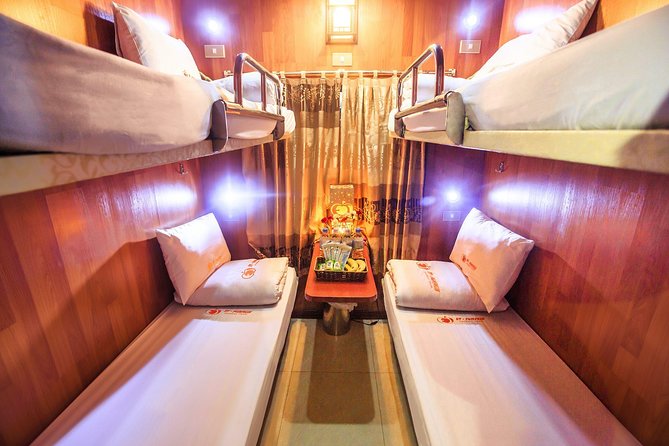
- Sleeper train nights with a sharing cabin of 4, so you trade time-on-the-road for sleep
- Y Linh Ho rice terraces and Muong Hoa Stream on your first morning walk
- Village-to-village trekking that links Y Linh Ho, Lao Chai, Ta Van, and Giang Ta Chai
- Ta Van homestay overnight plus lunch at a local restaurant around noon
- Moderate fitness trek with a day-long photo-friendly stretch among rice paddies
- Small group cap (up to 15), which keeps the pace more human
Start Late in Hanoi: Ga Hàng Cỏ Meeting Point and Sleeper Train Reality
Your trip kicks off at 8:30 pm at Ga Hà Nội (Ga Hàng Cỏ), address listed as 402ntp120 Đ. Lê Duẩn, Văn Miếu – Quốc Tử Giám, Hoàn Kiếm, Hà Nội. The tour has you meet around 20:50, then roll onto the overnight train leaving roughly 21:00–22:00, with the ride taking about 8 hours.
Why I like this setup: you save an entire daytime travel block. Instead of losing hours to buses, you’re sleeping while the country-side changes under you. Also, because your cabin is a sharing setup for four, you’re not alone in a compartment—just remember you may hear neighbors and feel the usual train motion.
What to do to make this smoother:
- Arrive early enough to handle the station hustle without stress.
- Have your mobile ticket and your passport/ID easy to reach. (This type of trip lives or dies on quick checks.)
- Pack one small bag for what you’ll need during the night (water, a layer, and anything you’ll want in the morning).
A gentle caution: your itinerary includes pickup steps on the far end, but some travelers have complained about last-mile confusion when boarding and moving at the railway ends. So don’t assume you’ll be carried from door to door with zero questions. Keep your eyes open for the exact pickup point after you arrive in Lao Cai.
You can also read our reviews of more tours and experiences in Hanoi.

First Trek in Sapa: Y Linh Ho, Rice Terraces, and Muong Hoa Stream Views

After you arrive overnight in Lao Cai, you’re picked up and taken to Sapa for breakfast to get your energy back before walking. The day starts with a calm reset, then the trek gets going around 8:30–9:00.
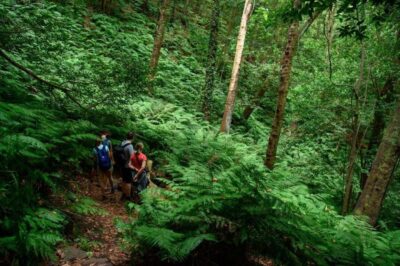
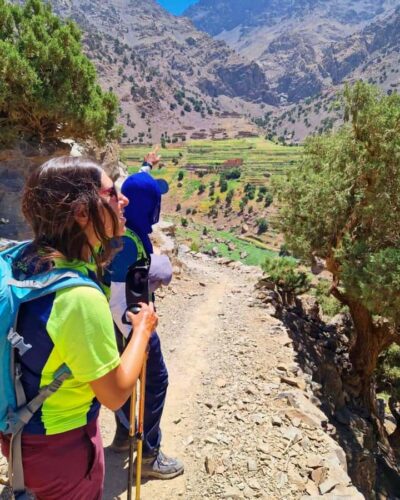
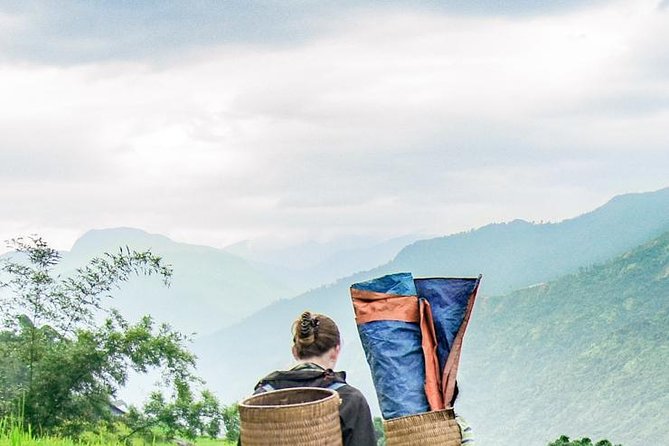
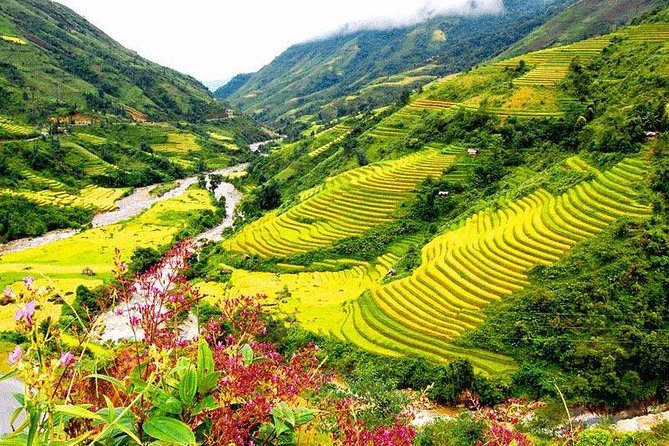
Your first main walking stop is Y Linh Ho. This section is timed at about 1 hour, and it’s built around classic Sapa scenery: rice terraces, plus a route that follows along the Muong Hoa Stream. Even if you’re not a hardcore hiker, this is the kind of walk that makes you slow down. Terraces fold into the distance, and stream-side paths tend to feel cooler and more shaded.
What to expect, practically:
- You’ll be walking on uneven ground. Don’t plan on “quick stroll” shoes.
- The pace is meant to be doable for moderate fitness, but the terraces mean steps and slight climbs.
- The morning light often treats the rice paddies well for photos.
A small drawback: the walk is short, but it’s structured. If you love meandering and extending photo stops, you’ll want to be ready to step back into the group flow when your timing moves on.
Lao Chai Village Walk: Black Hmong Community and Hoàng Liên Sơn Framing
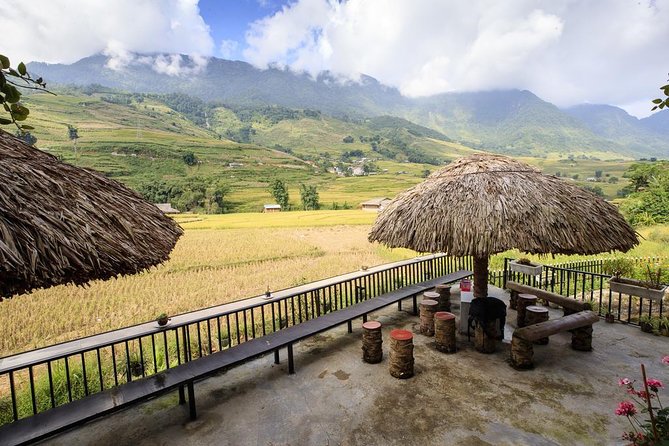
Next you continue your trek to Lao Chai, described as a Black Hmong village with spectacular views of Hoàng Liên Son Mountain. This is another about 1 hour segment in the plan.
Why this stop matters: Sapa’s “look” is one thing, but village life is the point. Lao Chai is one of the places where you’ll see how the mountain terrain shapes daily routine—where people farm, where paths connect, and how the slopes funnel movement through the valley.
If you care about respectful touring, keep your behavior simple:
- Ask before photographing people or homes.
- Stay on the walking side of the trail when possible.
- Don’t treat it like a theme park. This area is lived in.
Also note the pacing: it’s not an all-day technical trek. Instead, it’s a sequence of shorter village walks. That’s a plus if you want to experience multiple communities without exhausting yourself before homestay time.
Ta Van Village and Homestay: Giay Culture, Local Lunch, and a Real Afternoon
Around noon, you approach Ta Van village, where the plan mentions the Giay Ethnic People. You get lunch at a local restaurant around 12:30, then you check in to the homestay at 14:30.
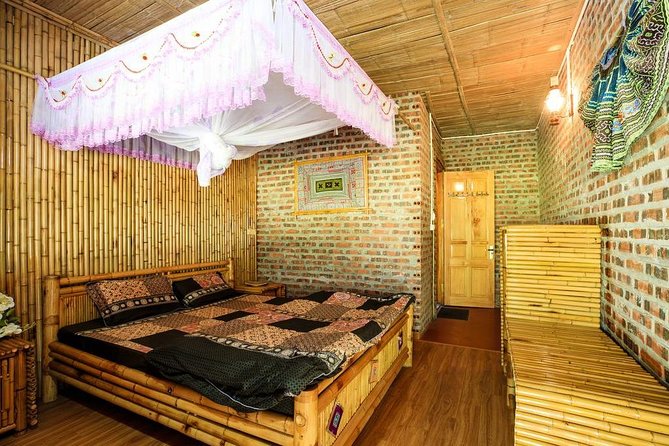
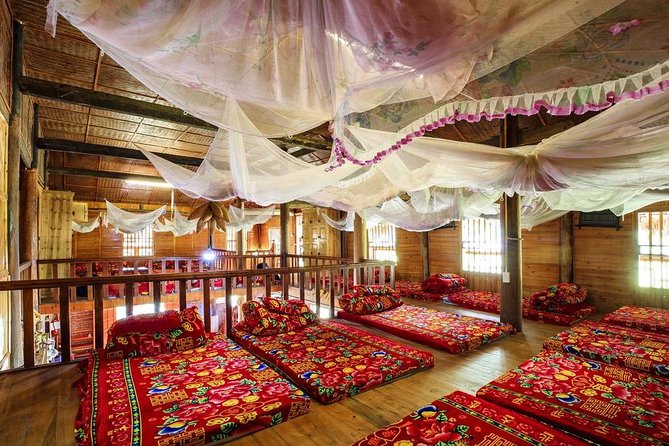
This is the part I’d call the heart of the trip. The homestay gives you something day-treks often skip: time to slow down in a home setting. You’re also given the option to relax or explore on your own for about 2 hours after check-in.
What you’ll likely enjoy here:
- The chance to see the village at a calmer hour, not only when a trek group is moving through.
- A meal and a schedule that feel connected to local routines.
- The simple comfort of being “in the place,” not commuting back to Sapa every day.
One consideration: homestays can vary by room size and comfort level. You’re not promised a hotel experience; you’re paying for immersion with good basic support. If you’re picky about beds or heat, keep your expectations grounded.
On meals: the tour includes lunches (2) and dinner plus breakfast (2). That means less worrying about where to eat after you’ve walked all morning. Still, it’s smart to carry water and maybe a small snack for the moments between meals, since trek days move fast.
Giang Ta Chai Trek and the Rice Paddies Photo Session
Day 3 starts with breakfast prepared by the family in the homestay, then you head out for another trek beginning around 8:00, with walking starting again around 8:45.
Your named highlight here is Giang Ta Chai village, paired with a stretch through rice paddies and a scheduled photo session of the surrounding views. This segment is longer—about 4 hours in the plan—which means you’ll feel the walking more than the first day.
Why I think this works: the first day shows terraces as scenery. The second day (with Giang Ta Chai) tends to make the terraces feel like part of the trail. You’re moving through the farming terrain rather than just looking at it from a distance.
Tips to make this day feel good:
- Wear footwear with grip. Rice paths can be slick or uneven depending on conditions.
- Bring layers. Morning mountain air can feel cooler even if the sun comes out later.
- Keep your camera battery charged, because the best views usually line up with the “photo session” timing.
After the trek, you’re back in Sapa by early afternoon. The tour plans:
- 13:30: bus pickup to return to Sapa Town
- 14:00–17:00: free time in town for walking around or shopping
That town window is useful if you want a hot drink, souvenirs, or just a low-effort reset before the return train.



Price and What You’re Really Paying For: $161 With Trains, Meals, and a Homestay
At $161 per person, the value is mostly in the big-ticket items: you’re paying for the round-trip sleeper train setup, plus a homestay night and most meals.
Here’s what’s explicitly included:
- Dinner
- Return night train Hanoi–Sapa / Lao Cai, with a sharing cabin of 4 people
- Breakfast (2)
- Lunch (2)
So you’re not just buying walking time. You’re buying travel time management and food coverage, which matters on trek schedules when hunger can turn grumpy quickly.
What’s not included:
- Tips and tax
- Insurance
- Any other services not listed above
How I’d think about value for you: if you tried to recreate this yourself, the hardest parts to DIY cleanly are (1) coordinating the two overnight trains and (2) booking the homestay plus meal flow without ending up with gaps. This tour handles those pieces, and the “small group, up to 15” cap helps keep it from feeling like a cattle drive.
Still, keep your expectations practical. A homestay and a shared train cabin mean trade-offs. You’re saving money compared to private logistics, but you won’t have full control of comfort the way a private-car trip would give you.
Weather, Fitness, and Packing: The Unromantic Stuff That Makes or Breaks the Walk
This experience requires good weather. The tour is set up for scenic walking, so fog or heavy rain can change the experience. Also, you’re told to have moderate physical fitness.
What that means in plain terms:
- You should be comfortable walking for stretches, with uneven ground and some uphill moments.
- You don’t need to be a mountain athlete, but you shouldn’t plan this with a “sit and look around only” mindset.
For packing, I’d keep it simple and functional:
- Good grip shoes for terrace paths
- A light rain layer (weather can change fast in northern Vietnam)
- A small day bag for water and essentials
- A layer for evenings and train air
And because you’re using stations at night: pack a small kit that helps you get comfortable on the sleeper train. Even when you’re tired, it’s easier to sleep when you’ve got a layer, water, and something to keep you from fumbling at the worst possible moment.
Should You Book This Sapa Trek With Sleeper Train From Hanoi?
Book it if you want a Sapa experience that’s paced like a story: sleep in transit, walk through villages and rice terraces, sleep again in a Ta Van homestay, and still get a bit of Sapa town time before heading home. The $161 price works best when you value the included sleeper trains, meals, and guided village route instead of paying extra to replicate it yourself.
I’d think twice if:
- You hate fixed schedules or want lots of unscripted time on the trail.
- You know you’ll feel anxious about station logistics. Even with pickup steps, I’d rather you be prepared with written instructions and a plan if something feels unclear.
If you do book, here’s the best move: confirm the exact pickup points and timings in advance, especially for the transition after the sleeper train. That tiny bit of prep pays off when the itinerary is timed to the minute.
FAQ
How long is the tour?
The full experience runs for about 3 days.
Where do I meet for the tour, and when?
You meet at Ga Hà Nội (Ga Hàng Cỏ), 402ntp120 Đ. Lê Duẩn, Văn Miếu – Quốc Tử Giám, Hoàn Kiếm, Hà Nội, Vietnam, starting at 8:30 pm.
What meals are included?
The tour includes dinner, two breakfasts, and two lunches.
What kind of train experience is included?
You get return overnight train travel between Hanoi and Sapa/Lao Cai, with a sharing cabin of 4 people.
Is this trek suitable for moderate fitness levels?
Yes. The tour indicates you should have a moderate physical fitness level.
What happens if the weather is poor?
The experience requires good weather. If it’s canceled due to poor weather, you’ll be offered a different date or a full refund.